Virgin Galactic Launches First Commercial Flight to Space
A team of Italian researchers reached the edge of space Thursday morning, flying aboard Virgin Galactic’s rocket-powered plane as the company prepares for monthly commercial flights.
The flight launched from Spaceport America in the New Mexico desert, with two Italian Air Force officers and an engineer with the National Research Council of Italy focusing on a series of microgravity experiments during their few minutes of weightless.
One wore a special suit that measured biometric data and physiological responses while another conducted tests using sensors to track heart rate, brain function and other metrics while in microgravity. The third studied how certain liquids and solids mix in that very weak gravity.
Virgin Galactic livestreamed the flight on its website, showing the moment when the ship released from its carrier plane and the rocket was ignited. The entire trip took about 90 minutes, with the plane's touchdown on the runway prompting cheers and claps by Virgin Galactic staff.
With the ship’s copilots, it marked the most Italians in space at the same time. Col. Walter Villadei, a space engineer with the Italian Air Force, celebrated by unfolding an Italian flag while weightless.
Next up for Virgin Galactic will be the first of hundreds of ticket holders, many who have been waiting years for their chance at weightlessness and to see the curvature of the Earth. Those commercial flights are expected to begin in August and will be scheduled monthly, the space tourism company said.
Virgin Galactic has been working for years to send paying passengers on short space trips and in 2021 finally won the federal government’s approval. The company completed its final test fight in May.
The Italian research flight was initially scheduled for the fall of 2021 but Virgin Galactic at the time said it was forced to push back its timeline due to a potential defect in a component used in its flight control system. Then the company spent months upgrading its rocket ship before resuming testing in early 2023.
After reaching an altitude of nearly 50,000 feet (15,000 meters), Virgin Galactic’s space plane is released from a carrier aircraft and drops for a moment before igniting its rocket motor. The rocket shuts off once it reaches space, leaving passengers weight before the ship then glides back to the runway at Spaceport America.
Virgin Galactic has sold about 800 tickets over the past decade, with the initial batch going for $200,000 each. Tickets now cost $450,000 per person.
The company said early fliers have already received their seat assignments.
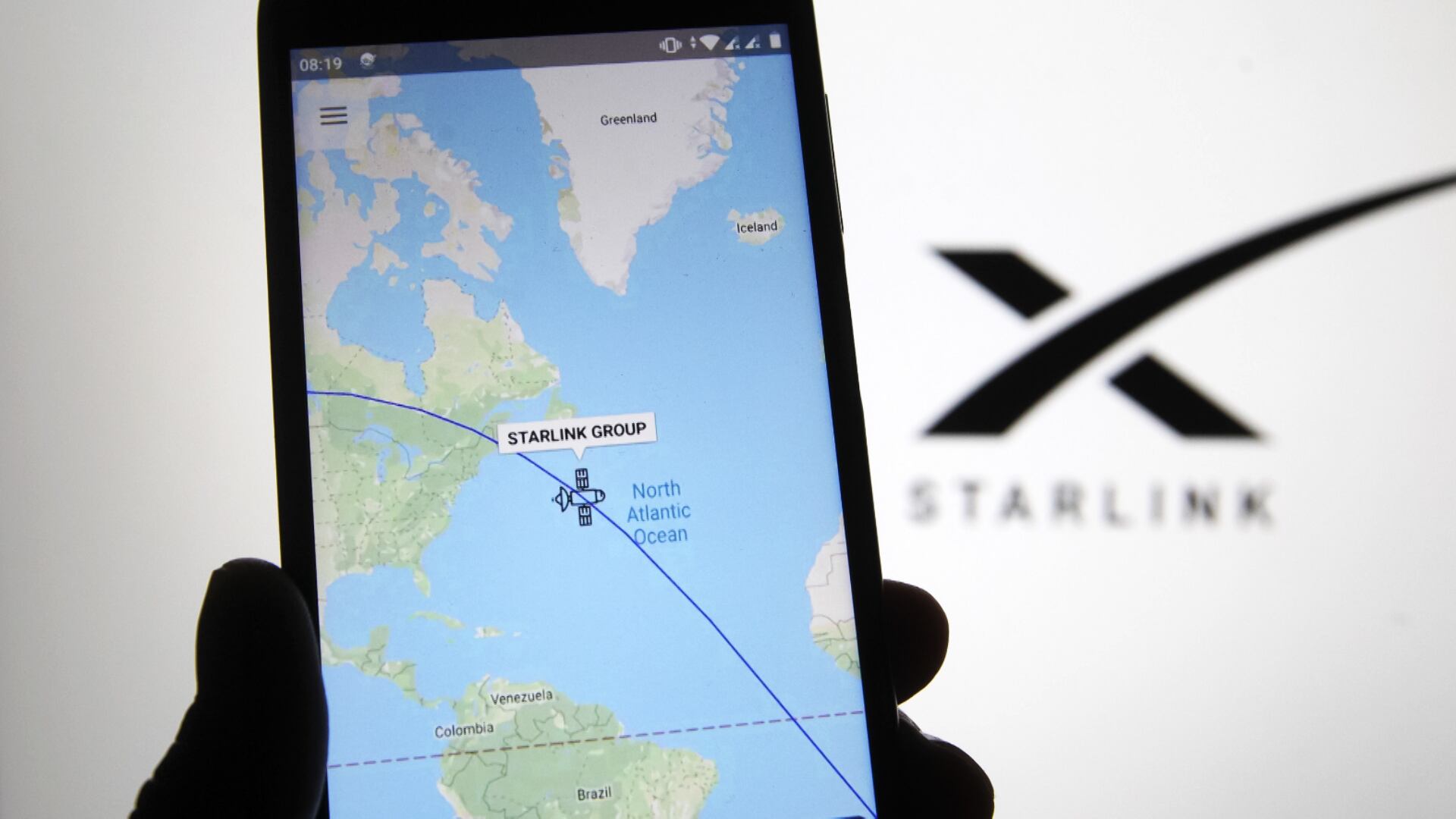
Amazon plans to launch its first prototype satellites for Project Kuiper, an internet-from-space venture, in 2022. It's the first major step in the e-commerce giant's plan to rival SpaceX by building a network of satellites in space, providing internet to rural, underserved communities around the world. Loren Grush, senior science reporter for the Verge, discusses the project and how it could transform internet access moving forward.
The FDA is assessing whether the Moderna vaccine can cause heart problems in adolescents. Professor Peter Pitts, founder of the Center for Medicine in the Public Interest and former FDA Associate Commissioner, discusses what the FDA is looking into and what it means for the millions of kids yet to be vaccinated.
Pfizer posted an earnings beat in its third quarter, with revenue soaring over 134% thanks to solid Covid-19 vaccine sales. Pfizer also raised its outlook for the full-year, expecting revenue to surpass $80 billion. Peter Andersen, CEO & founder of Andersen Capital Management, joined Cheddar Movers to discuss.
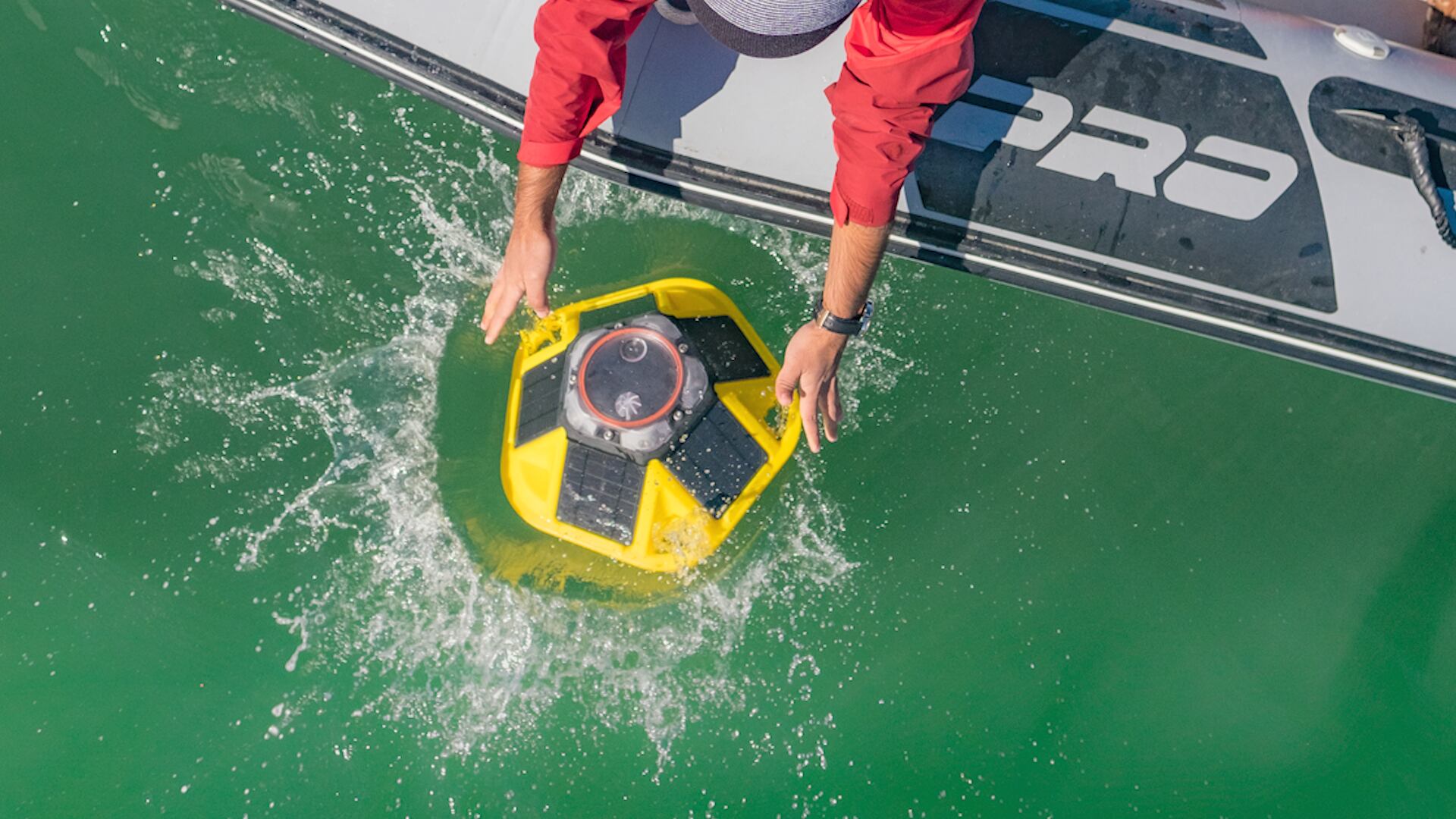
Cheddar gets a look at Curiosity Stream's 'Ancient Oceans'; Deep-sea biologist Heather Bracken-Grissom sheds light on some of the monsters that we can and cannot explain lurking in the darkness of the ocean's depths; Tim Janssen, CEO of Sofar Ocean, discusses Sofar Ocean's latest round of Series B funding, and how Sofar Ocean is helping connect all five oceans to help everything from climate change to the global shipping industry.
Tim Janssen, CEO of Sofar Ocean, joins 'Cheddar Reveals' to discuss Sofar Ocean's latest round of Series B funding, and how Sofar Ocean is helping connect all five oceans to help everything from climate change to the global shipping industry.
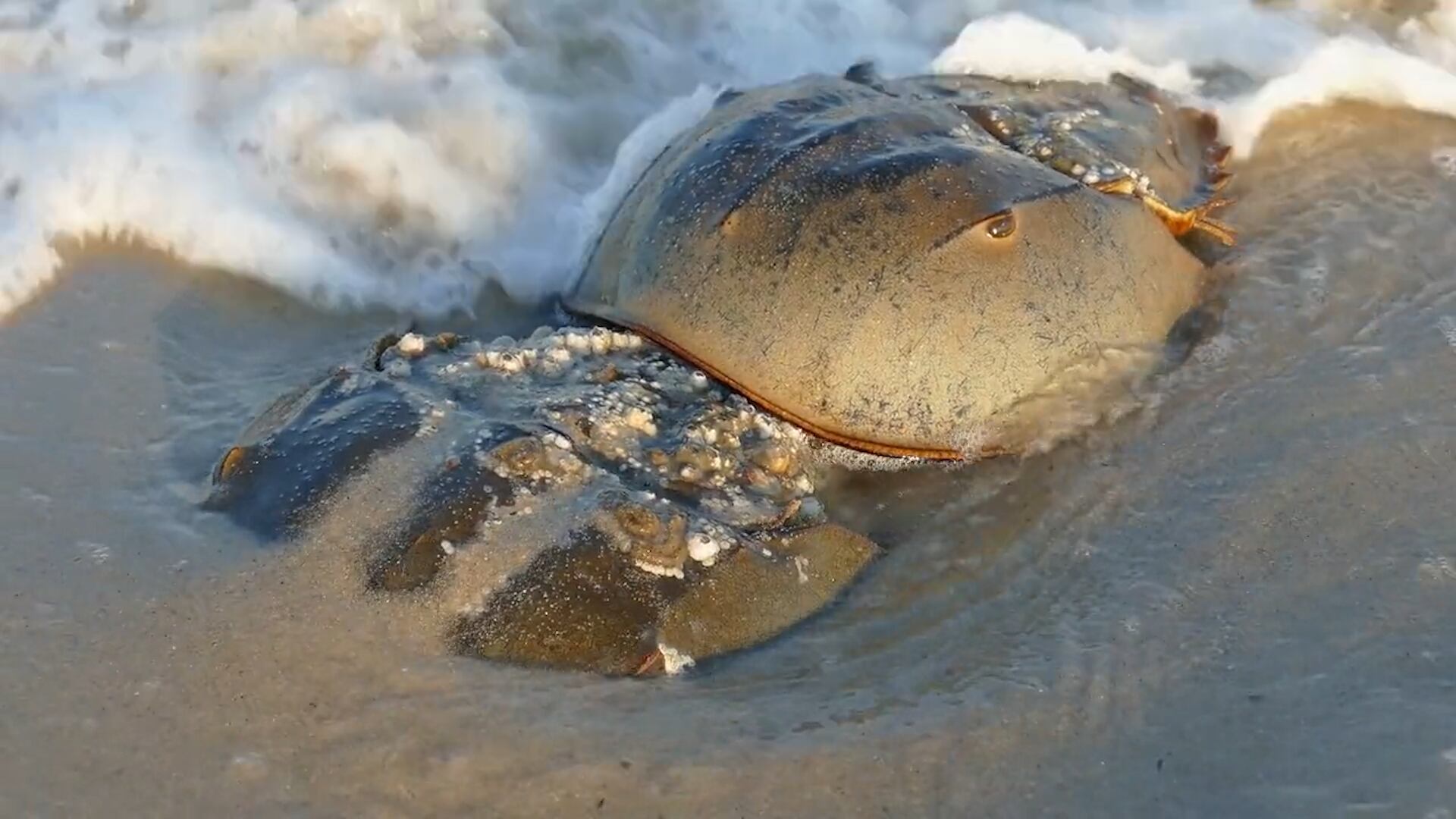
Deep-sea biologist Heather Bracken-Grissom joins 'Cheddar Reveals' to shed light on some of the monsters that we can and cannot explain lurking in the darkness of the ocean's depths.
Leaders around the world have come together to discuss plans to bring action towards the Paris Agreement along with solutions on how to solve the evolving climate change crisis at the COP26 Summit. President and CEO of Center for International Environmental Law Carroll Muffett, joined Cheddar to discuss more.
Rachel Cleetus, the policy director and lead economist of the climate and energy program for the Union of Concerned Scientists, joined Cheddar to break down some of the key goals from the COP26 summit and why leaders must focus on the science of climate change instead of getting bogged down by petty politics and the fossil fuel industry. "The main thing they have to do, make sure we're cutting our emissions sharply within this decade because the science shows that we have to cut global emissions in half by 2030 if we're going to meet our goals of averting some of the most catastrophic impacts of climate change," she said.
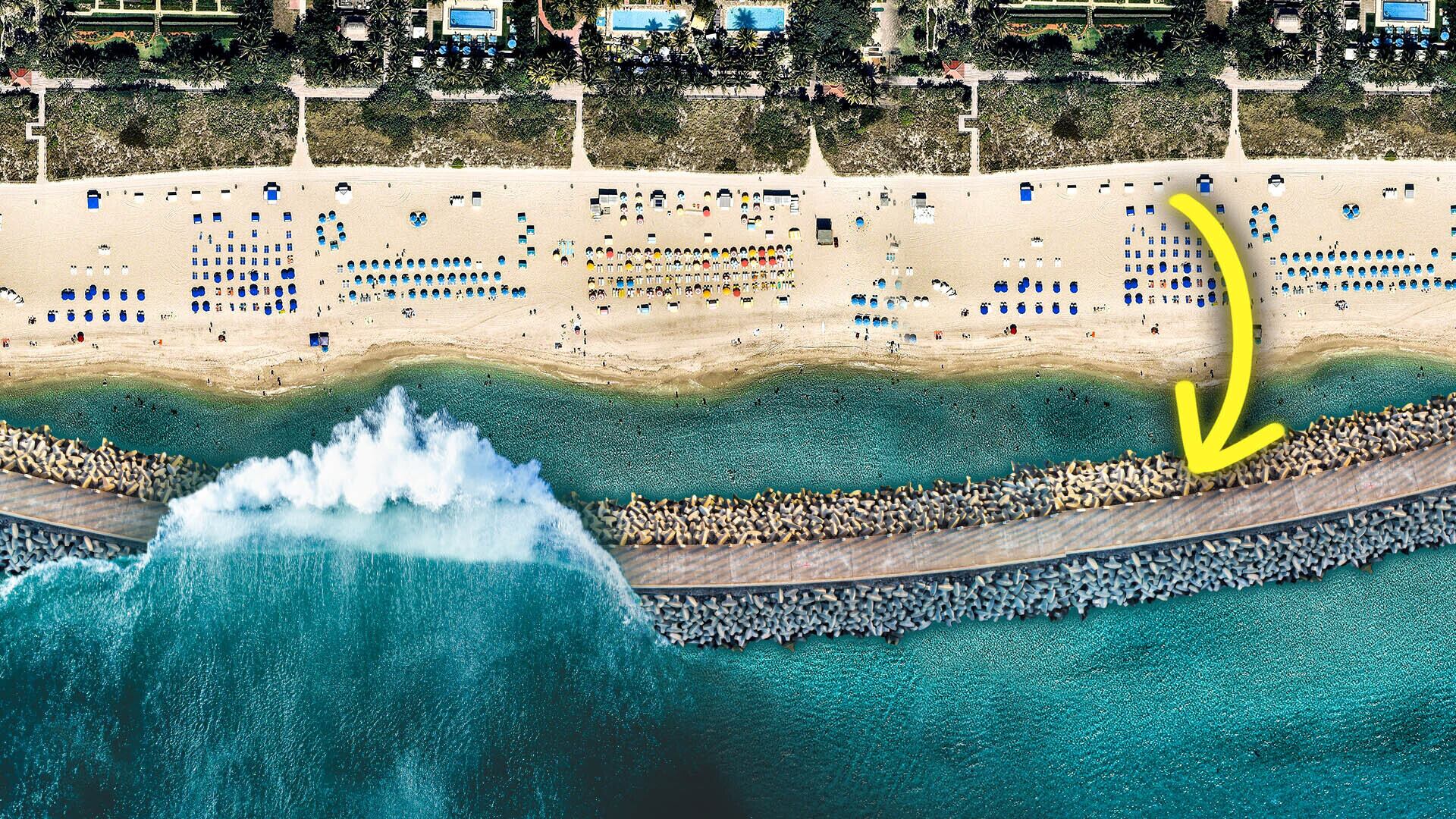
Coastal cities around the world are grappling with sea level rise. And building a seawall? Not so fast. While a sea wall can be effective in certain scenarios, it can make the effects of sea level rise worse. That’s why municipalities are looking into creative alternatives.