Virgin Galactic Launches First Commercial Flight to Space
A team of Italian researchers reached the edge of space Thursday morning, flying aboard Virgin Galactic’s rocket-powered plane as the company prepares for monthly commercial flights.
The flight launched from Spaceport America in the New Mexico desert, with two Italian Air Force officers and an engineer with the National Research Council of Italy focusing on a series of microgravity experiments during their few minutes of weightless.
One wore a special suit that measured biometric data and physiological responses while another conducted tests using sensors to track heart rate, brain function and other metrics while in microgravity. The third studied how certain liquids and solids mix in that very weak gravity.
Virgin Galactic livestreamed the flight on its website, showing the moment when the ship released from its carrier plane and the rocket was ignited. The entire trip took about 90 minutes, with the plane's touchdown on the runway prompting cheers and claps by Virgin Galactic staff.
With the ship’s copilots, it marked the most Italians in space at the same time. Col. Walter Villadei, a space engineer with the Italian Air Force, celebrated by unfolding an Italian flag while weightless.
Next up for Virgin Galactic will be the first of hundreds of ticket holders, many who have been waiting years for their chance at weightlessness and to see the curvature of the Earth. Those commercial flights are expected to begin in August and will be scheduled monthly, the space tourism company said.
Virgin Galactic has been working for years to send paying passengers on short space trips and in 2021 finally won the federal government’s approval. The company completed its final test fight in May.
The Italian research flight was initially scheduled for the fall of 2021 but Virgin Galactic at the time said it was forced to push back its timeline due to a potential defect in a component used in its flight control system. Then the company spent months upgrading its rocket ship before resuming testing in early 2023.
After reaching an altitude of nearly 50,000 feet (15,000 meters), Virgin Galactic’s space plane is released from a carrier aircraft and drops for a moment before igniting its rocket motor. The rocket shuts off once it reaches space, leaving passengers weight before the ship then glides back to the runway at Spaceport America.
Virgin Galactic has sold about 800 tickets over the past decade, with the initial batch going for $200,000 each. Tickets now cost $450,000 per person.
The company said early fliers have already received their seat assignments.
Alysa McCall, director of conservation outreach and staff scientist at Polar Bears International, joined Cheddar to discuss the ongoing fight to protect polar bears from extinction while world leaders gathered to discuss the climate crisis. McCall explained her organization's mission "to ensure the long term survival of polar bears by helping ensure their arctic sea ice habitat remains intact." McCall said she hopes actionable steps are taken after the UN climate summit to mitigate the crisis and not just more promises.
Moderna reported a massive miss on revenue in its Q3 earnings, taking in $5 billion versus the expected $6.21 billion despite sales of the COVID-19 vaccine. The pharmaceutical giant's stock dropped sharply on the news.
Carlo and Baker discuss the fallout from Tuesday's election and the flashing warning sign for Dems ahead of the midterms. Also, a big 2A case at the Supreme Court, Aaron Rodgers has Covid and is in big trouble, and a first for the MCU.
Carlo and Baker discuss the election results across the country, including a Republican comeback in Virginia -- and possibly NJ -- plus the CDC gives the go-ahead for child vaccinations, Atlanta wins the World Series and more.
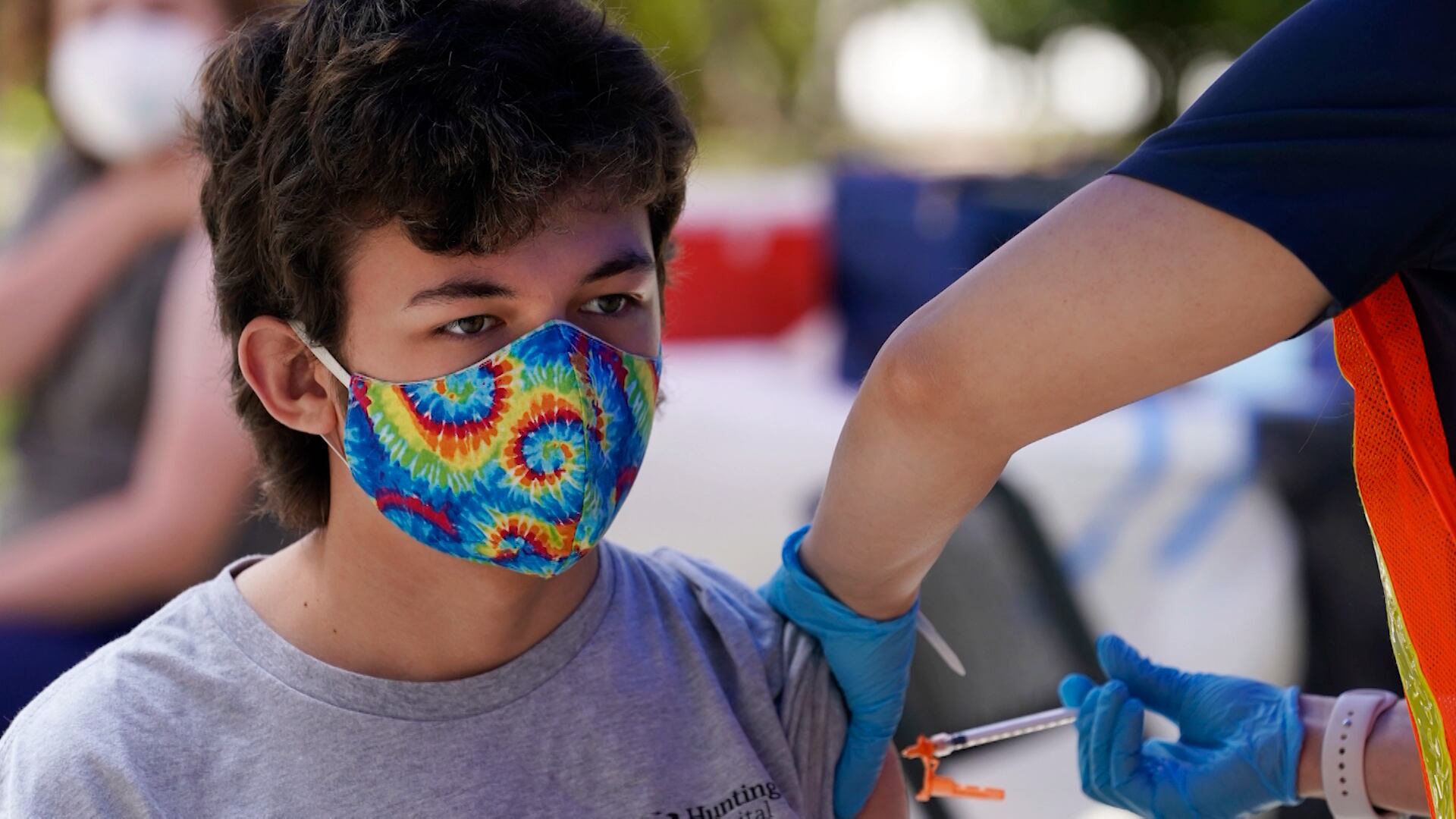
Dr. Julie Morita, executive vice president of Robert Wood Johnson Foundation, joined Cheddar to discuss the CDC advisory panel recommending the Pfizer vaccine for children ages 5-11. "We've seen many millions of children getting sick, many hospitalized, many dying because of COVID," Morita said. "And so now we have a new tool that we can use to keep our children safe." She also noted that hesitancy among parents about vaccinating their children will likely fade in time as the childhood vaccine program gets underway.
Matthew Oxenford, Analyst at the Economist Intelligence Unit, joins a special edition of Cheddar Climate, where he discusses the responsibilities big businesses across multiple sectors have when it comes to combating the effects of climate change around the world.
President Joe Biden introduced the Global Methane Pledge on the second day of the United Nations climate summit. The U.S. and the European Union will lead the way when it comes to methane emissions reductions, and close to 100 nations have also signed on. It's seen as the fastest way to slow down global warming and keep nations on track toward meeting the goal of keeping warming just 1.5 degrees Celsius above late 1800s atmospheric levels. Dr. Sweta Chakraborty, U.S. President of climate-focused startup 'We Don't Have Time' joins Cheddar Climate to discuss the importance of the Biden administration's methane regulations -- and the importance of U.S. leadership when it comes to climate issues.
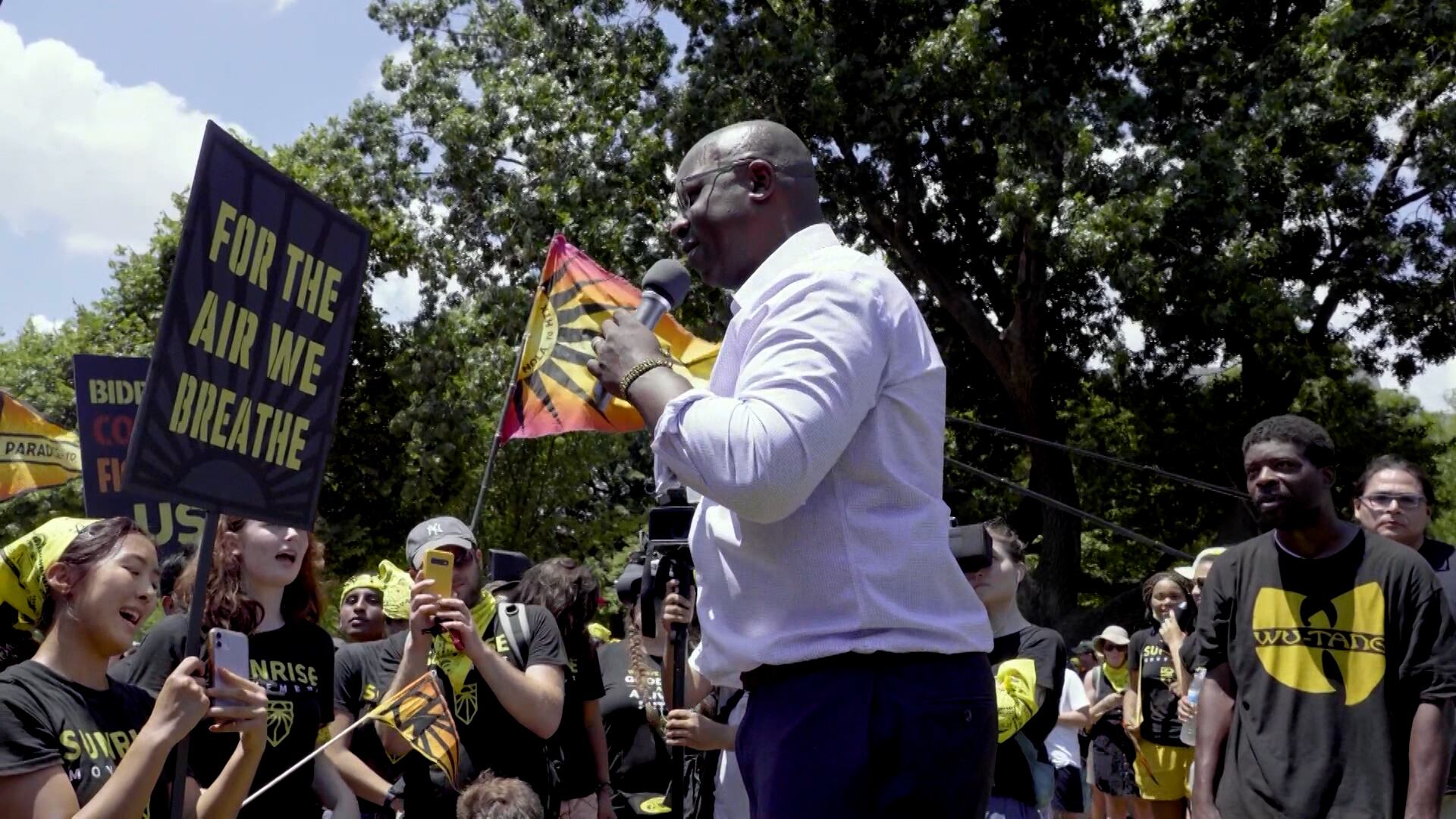
John Paul Mejia, the national spokesperson for the Sunrise Movement, joined Cheddar to talk about what the youth activist group wants to see from President Joe Biden as he attends the COP26 climate summit. Mejia admonished the president for having little to deliver on his own climate agenda domestically while at the conference. "We need the president to follow through with his promises because, frankly, it's a matter of life or death not only for communities here in the United States but also those looking to us around the world," he said.
With COP26 kicking off, roughly 120 world leaders and delegates are in Glasgow, Scotland to hold climate talks this week. As experts continue to warn about the dangers of climate change, ESG investing is more important than ever.
Georges Archibald, Head of Apex Americas at Apex Group joined Cheddar's Opening Bell to discuss.
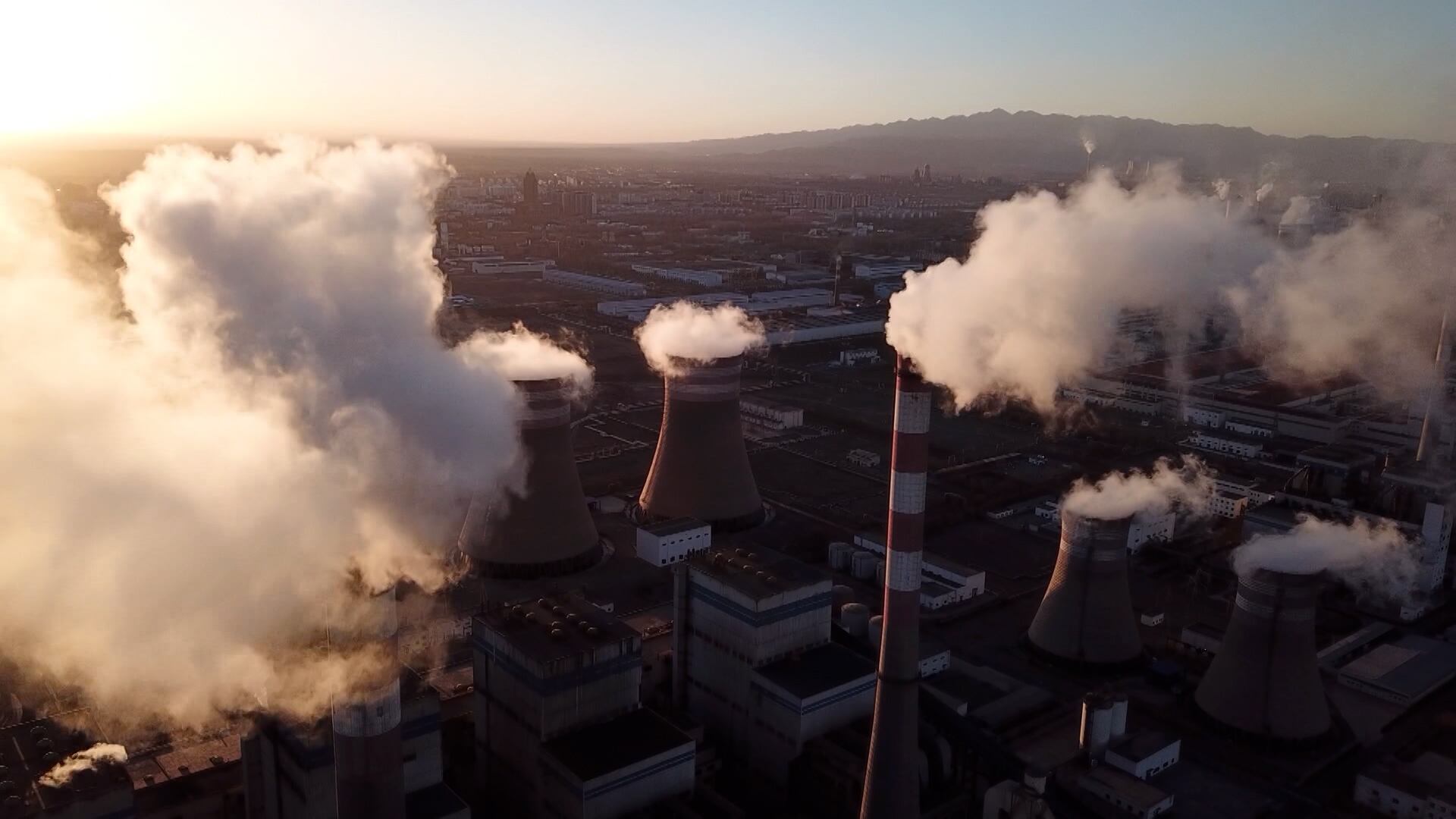
Roughly 20,000 heads of state, diplomats, and activists will gather in person starting Oct. 31 to address the threat of climate change. The summit, known as COP26, is seen as a crucial step in getting the crisis under control as scientists warn global warming is only getting worse. Carroll Muffett, President and CEO of the Center for International Environmental Law, joined Cheddar to explain the goals of COP26 and why it's so crucial for the world leaders to step up and make new, aggressive climate commitments.