Virgin Galactic Launches First Commercial Flight to Space
A team of Italian researchers reached the edge of space Thursday morning, flying aboard Virgin Galactic’s rocket-powered plane as the company prepares for monthly commercial flights.
The flight launched from Spaceport America in the New Mexico desert, with two Italian Air Force officers and an engineer with the National Research Council of Italy focusing on a series of microgravity experiments during their few minutes of weightless.
One wore a special suit that measured biometric data and physiological responses while another conducted tests using sensors to track heart rate, brain function and other metrics while in microgravity. The third studied how certain liquids and solids mix in that very weak gravity.
Virgin Galactic livestreamed the flight on its website, showing the moment when the ship released from its carrier plane and the rocket was ignited. The entire trip took about 90 minutes, with the plane's touchdown on the runway prompting cheers and claps by Virgin Galactic staff.
With the ship’s copilots, it marked the most Italians in space at the same time. Col. Walter Villadei, a space engineer with the Italian Air Force, celebrated by unfolding an Italian flag while weightless.
Next up for Virgin Galactic will be the first of hundreds of ticket holders, many who have been waiting years for their chance at weightlessness and to see the curvature of the Earth. Those commercial flights are expected to begin in August and will be scheduled monthly, the space tourism company said.
Virgin Galactic has been working for years to send paying passengers on short space trips and in 2021 finally won the federal government’s approval. The company completed its final test fight in May.
The Italian research flight was initially scheduled for the fall of 2021 but Virgin Galactic at the time said it was forced to push back its timeline due to a potential defect in a component used in its flight control system. Then the company spent months upgrading its rocket ship before resuming testing in early 2023.
After reaching an altitude of nearly 50,000 feet (15,000 meters), Virgin Galactic’s space plane is released from a carrier aircraft and drops for a moment before igniting its rocket motor. The rocket shuts off once it reaches space, leaving passengers weight before the ship then glides back to the runway at Spaceport America.
Virgin Galactic has sold about 800 tickets over the past decade, with the initial batch going for $200,000 each. Tickets now cost $450,000 per person.
The company said early fliers have already received their seat assignments.
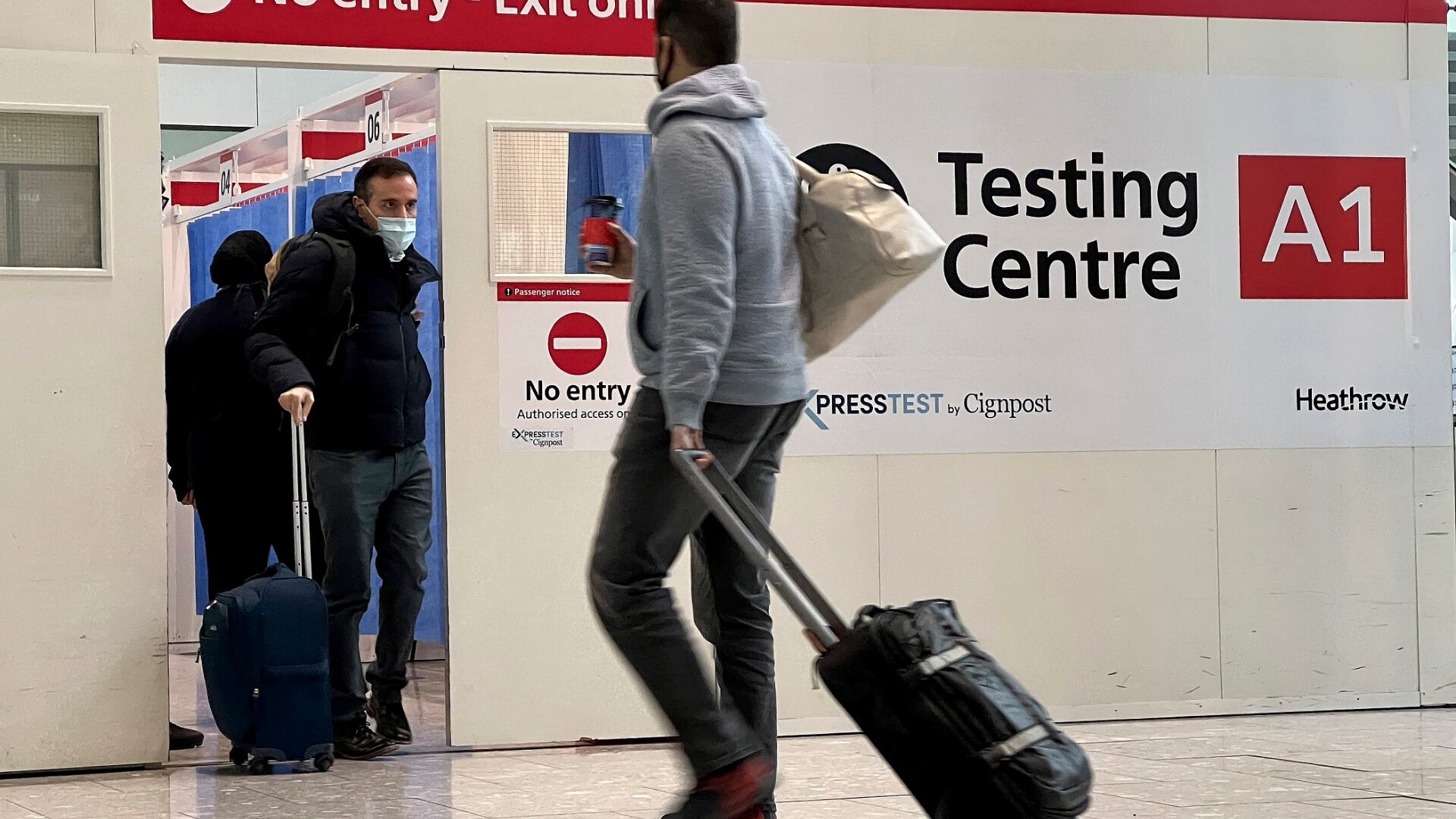
With the emergence of the omicron variant, the U.S. is considering tightening international travel guidelines. The CDC said it might reduce the window for foreign travelers to submit a negative COVID-19 test from three days prior to one day before allowing entry.
Jill and Carlo cover the latest on Omicron, another school shooting in America and more. Plus, bidding farewell to 'transitory' inflation, and the controversy surrounding 'Lovely Bones' author Alice Sebold.
Sarav Arunachalam, air pollution scientist at the University of North Carolina at Chapel Hill, joins Cheddar Climate, where he discusses what he needs to happen when it comes to EV production on a global level to help reduce the effects of climate change.
The United Nations Secretary-General said this year that his agency's warning about climate change was a 'code red for humanity.' So how will political pledges to lower emissions, increase green energy, and ramp up electric vehicle infrastructure play out, and can we reverse some climate damage next year? Vijay Vaitheeswaran, Global energy & climate innovation editor for The Economist, and host of 'To a Lesser Degree,' The Economist’s podcast on climate change, joins Cheddar Climate to discuss what we can look ahead to in 2022, including global policy shifts and investments from the private and public sectors, holding global leaders accountable, and more.
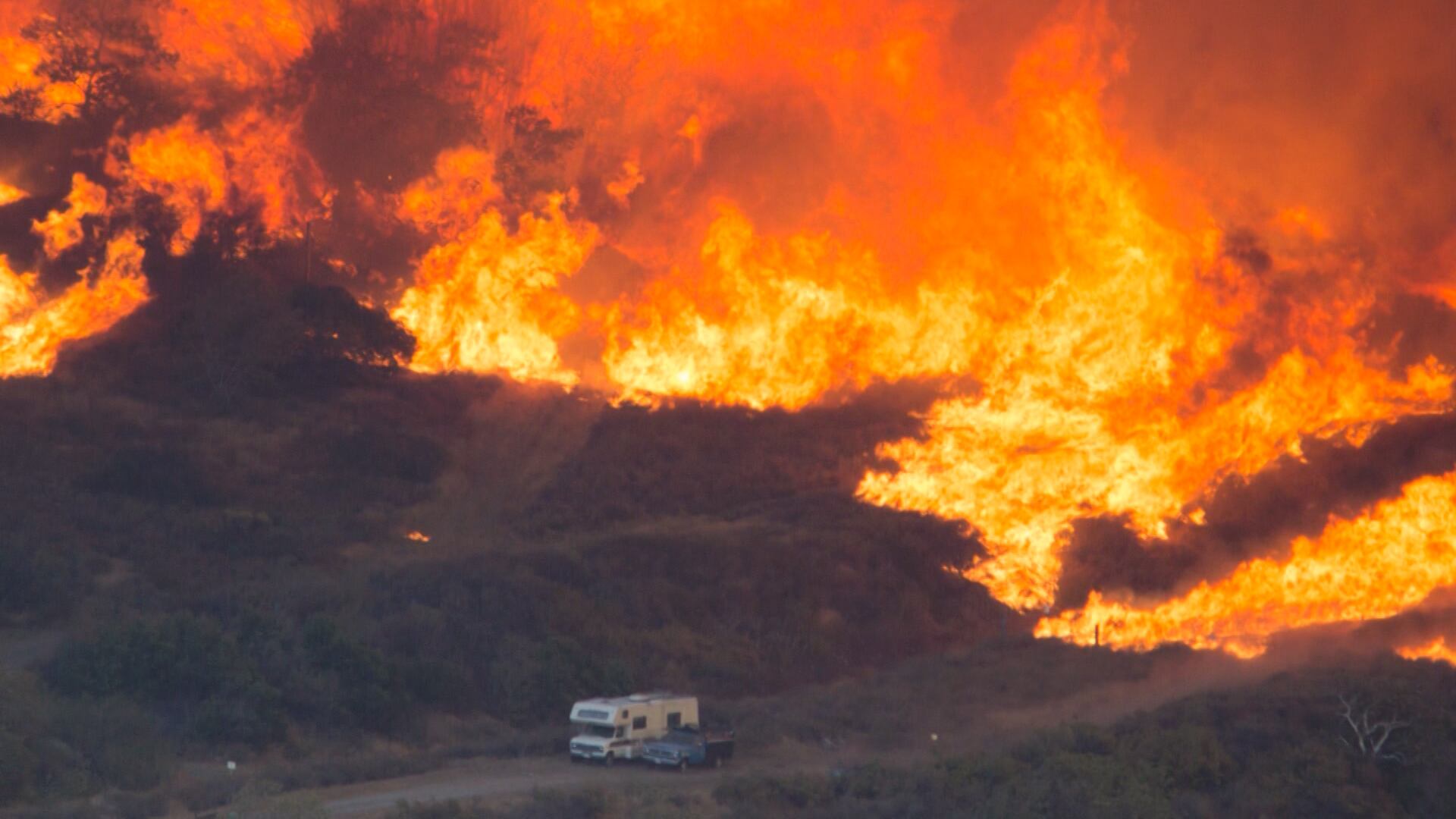
In recent years, extreme weather events like flooding and wildfires have become more frequent, and more severe - and scientists say global warming is to blame. Climate crises could leave people in need of help, and that's where Global Rescue steps in. The crisis response firm employs former Navy Seals and Army Rangers to rescue travelers from climate-related emergencies. Global Rescue CEO Dan Richards joins Cheddar Climate to discuss.
Jennifer Lotito, president and COO at the non-profit (RED), joined Cheddar to discuss the CODE (RED) campaign as the organization looks to expand its mission to support both AIDS and COVID-19 relief. She explained that people can get involved in the campaign for Giving Tuesday and ahead of World AIDS Day by shopping (RED) branded products and even using credit card rewards points to add their own support. Lotito also pointed out that COVID-19 has also impacted HIV testing as people avoid clinics out of fear of the other pandemic.
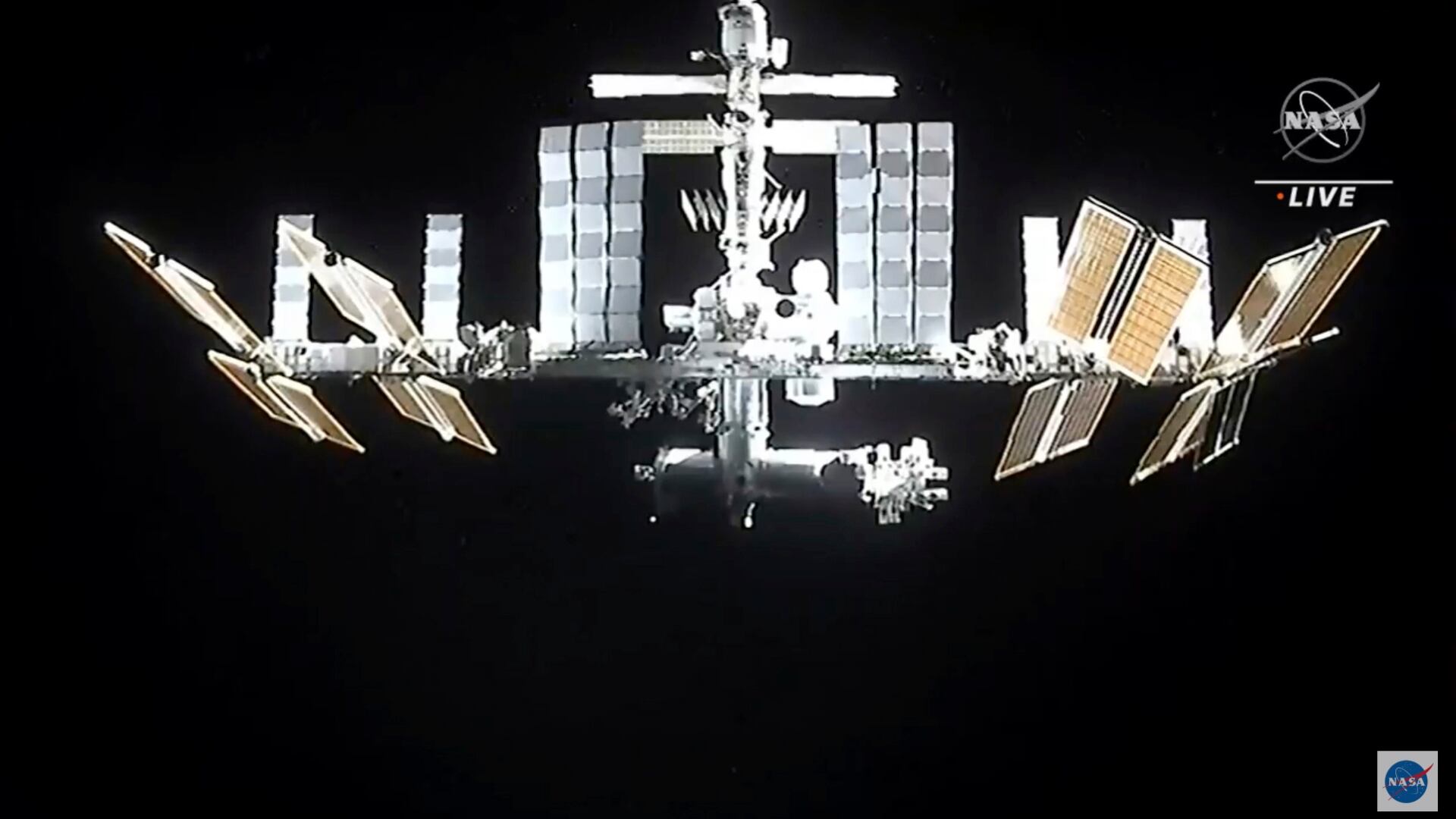
NASA indefinitely delayed a spacewalk to repair an ISS antenna, citing concerns about space debris. It was unclear if the warning from the space agency to astronauts aboard the ISS was related to the recent destruction of a non-functioning Russian satellite.