Virgin Galactic Launches First Commercial Flight to Space
A team of Italian researchers reached the edge of space Thursday morning, flying aboard Virgin Galactic’s rocket-powered plane as the company prepares for monthly commercial flights.
The flight launched from Spaceport America in the New Mexico desert, with two Italian Air Force officers and an engineer with the National Research Council of Italy focusing on a series of microgravity experiments during their few minutes of weightless.
One wore a special suit that measured biometric data and physiological responses while another conducted tests using sensors to track heart rate, brain function and other metrics while in microgravity. The third studied how certain liquids and solids mix in that very weak gravity.
Virgin Galactic livestreamed the flight on its website, showing the moment when the ship released from its carrier plane and the rocket was ignited. The entire trip took about 90 minutes, with the plane's touchdown on the runway prompting cheers and claps by Virgin Galactic staff.
With the ship’s copilots, it marked the most Italians in space at the same time. Col. Walter Villadei, a space engineer with the Italian Air Force, celebrated by unfolding an Italian flag while weightless.
Next up for Virgin Galactic will be the first of hundreds of ticket holders, many who have been waiting years for their chance at weightlessness and to see the curvature of the Earth. Those commercial flights are expected to begin in August and will be scheduled monthly, the space tourism company said.
Virgin Galactic has been working for years to send paying passengers on short space trips and in 2021 finally won the federal government’s approval. The company completed its final test fight in May.
The Italian research flight was initially scheduled for the fall of 2021 but Virgin Galactic at the time said it was forced to push back its timeline due to a potential defect in a component used in its flight control system. Then the company spent months upgrading its rocket ship before resuming testing in early 2023.
After reaching an altitude of nearly 50,000 feet (15,000 meters), Virgin Galactic’s space plane is released from a carrier aircraft and drops for a moment before igniting its rocket motor. The rocket shuts off once it reaches space, leaving passengers weight before the ship then glides back to the runway at Spaceport America.
Virgin Galactic has sold about 800 tickets over the past decade, with the initial batch going for $200,000 each. Tickets now cost $450,000 per person.
The company said early fliers have already received their seat assignments.
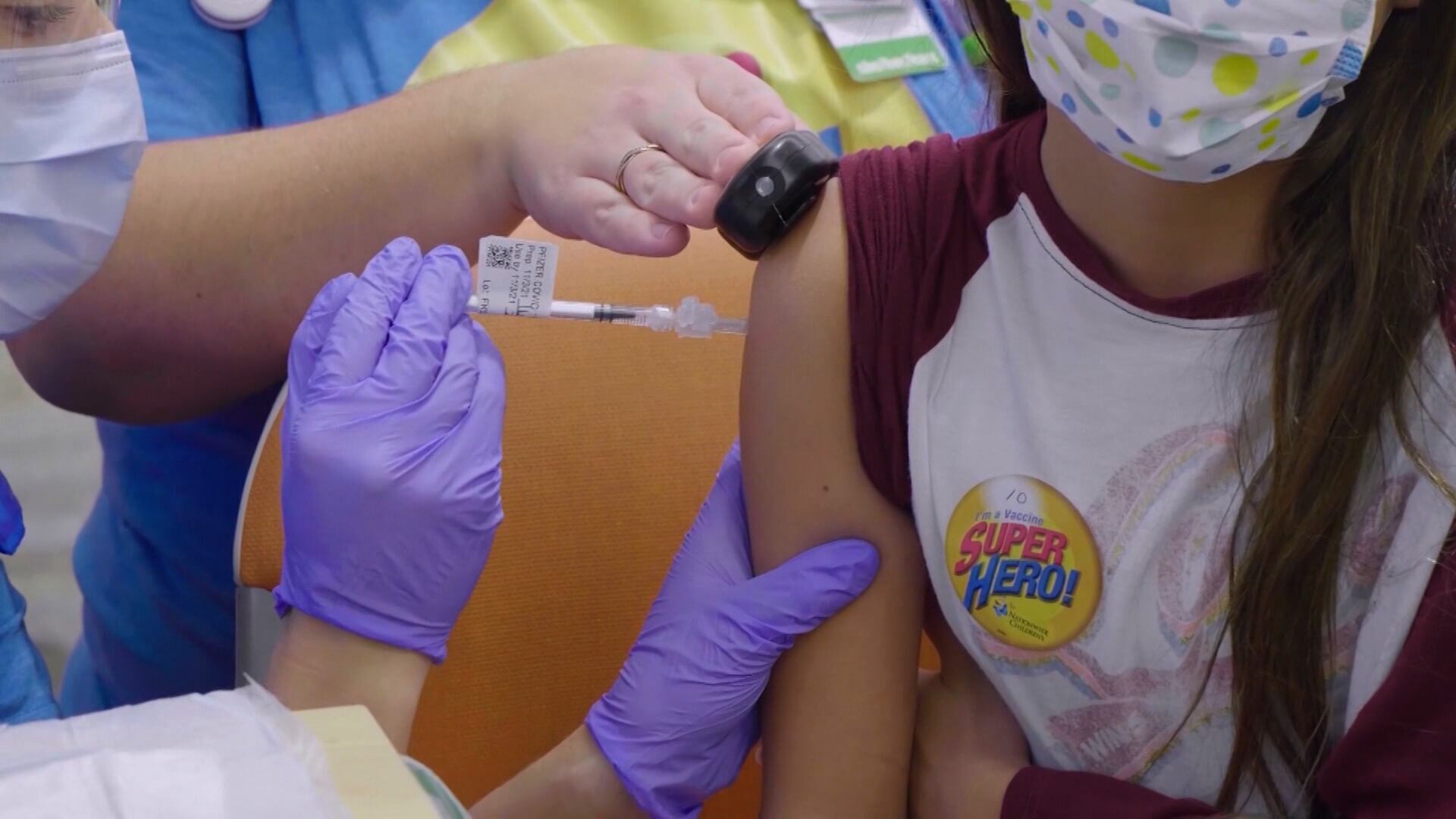
With a rising number of COVID-19 cases due to the omicron variant, the FDA is making big moves. First, Pfizer's COVID-19 booster has been authorized for those ages 12 to 15. The agency also reduced the amount of time to wait between receiving a second vaccine dose and booster from six months to five. Finally, a third primary series dose of Pfizer's shot is approved for immunocompromised children five to 11 years old. Professor Peter Pitts joins Cheddar News to discuss.
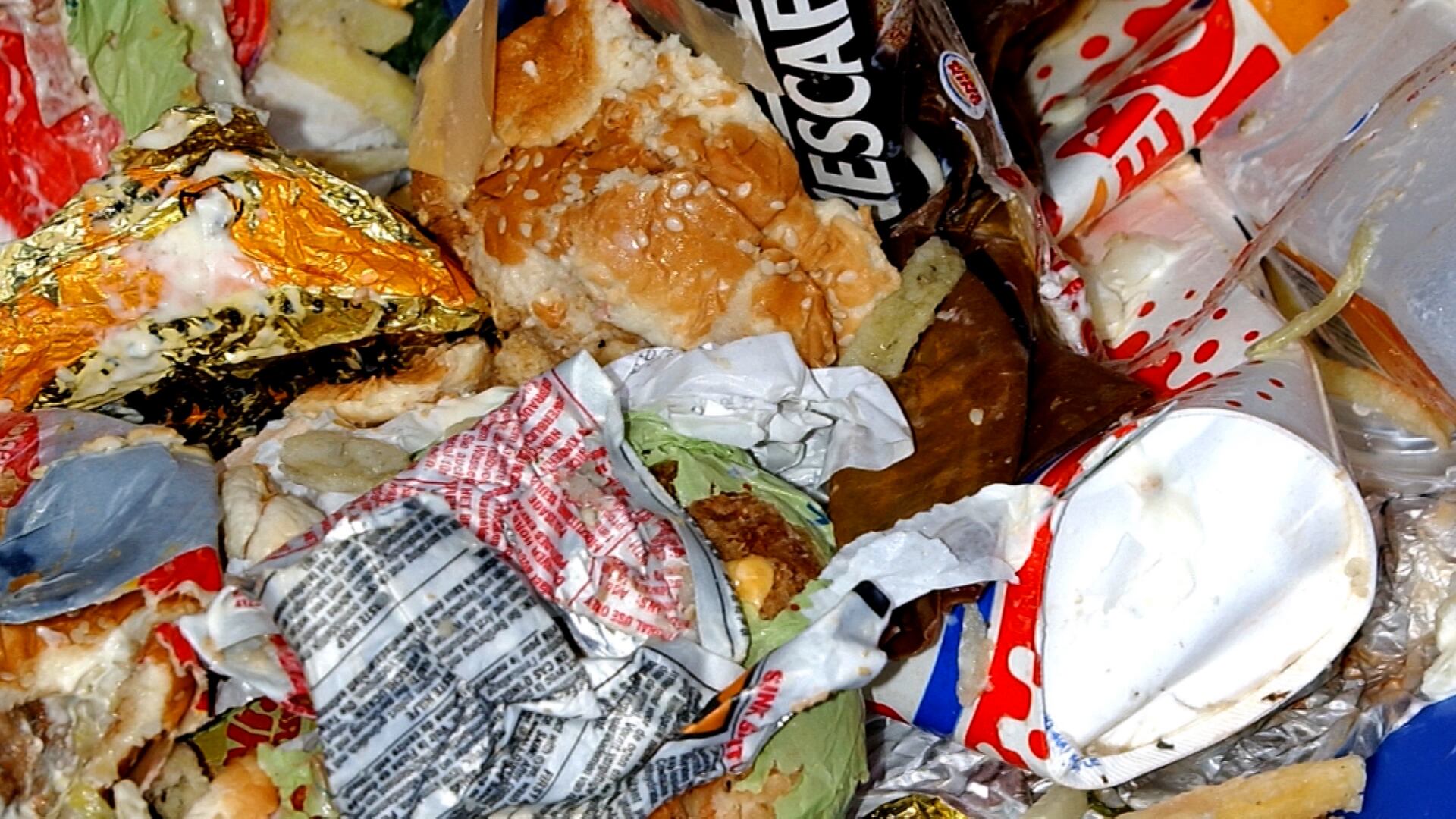
California's new composting law will affect what residents do in their kitchens. As of this week, Californians will have to recycle excess food in an effort to reduce emissions caused by food waste. Cities and counties will turn recycled food into compost or use it as a renewable energy source. California's new law is the largest mandatory residential food waste recycling program in the country. Rachel Wagoner, Director of the California Department of Resources, Recycling and Recovery called the law 'the biggest change to trash' since recycling started in the 1980s. She joined Cheddar Climate to discuss.
Deborah Brosnan, President of Deborah Brosnan & Associates, joins Cheddar Climate, where she explains why global warming brought about 'a year of reckoning' in 2021 and why previously unprecedented weather events could become the norm going forward.
On this episode of Cheddar Reveals, Dr. Anita Gupta, Adjunct assistant professor of anesthesiology and critical care medicine at the Johns Hopkins University School of Medicine, shares her forecast for the healthcare industry in 2022; Waseem Asghar, Ph.D., Associate Professor, Department of Computer & Electrical Engineering and Computer Science, Florida Atlantic University, breaks down the latest progress, trends, and innovations in wearable health tech; Cheddar gets a look at Curiosity Stream's 'Hacking our Biome.'
Dr. Anita Gupta, Adjunct assistant professor of anesthesiology and critical care medicine at the Johns Hopkins University School of Medicine, joins Cheddar Reveals to share her forecast for the healthcare industry in 2022.
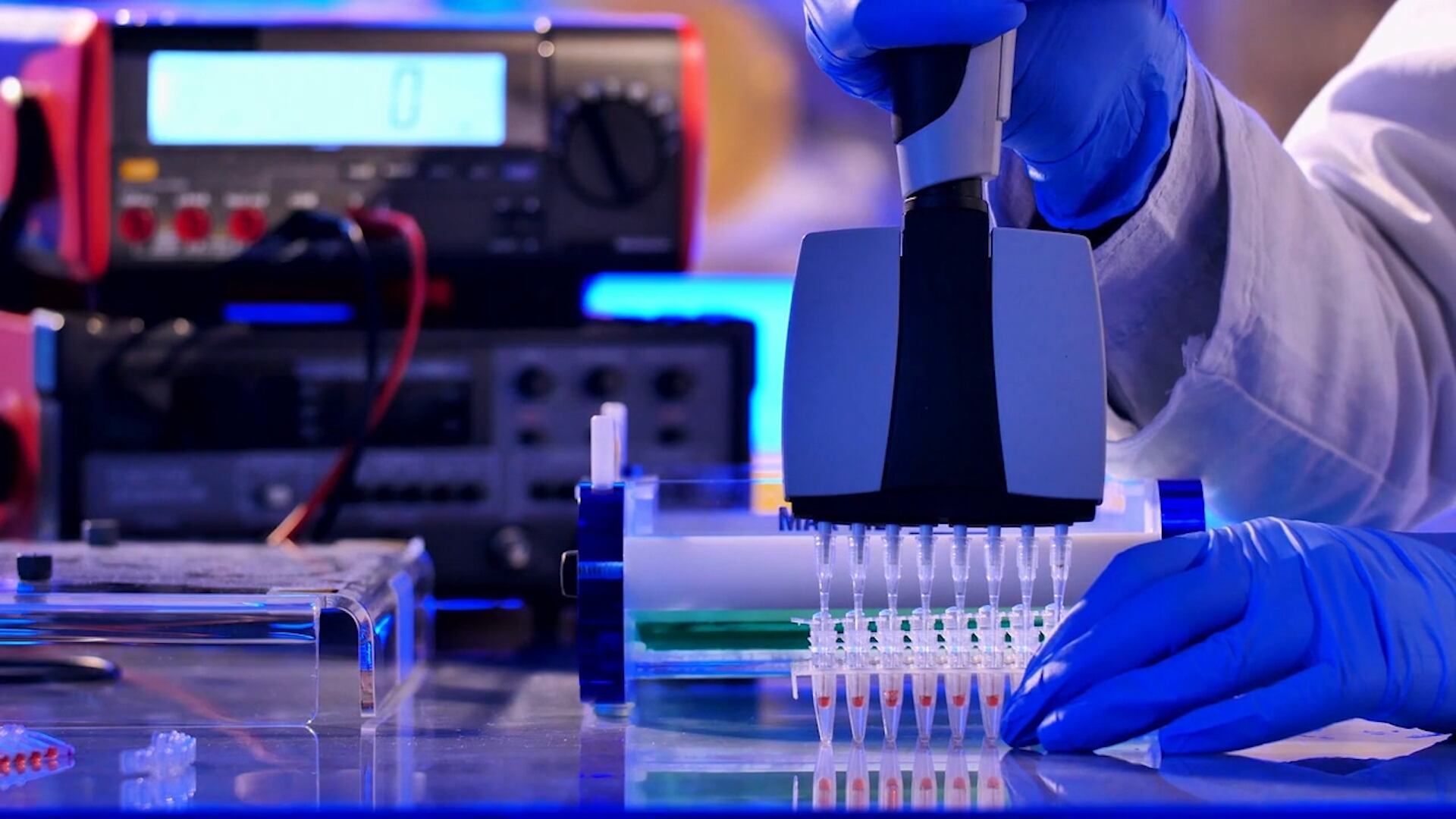
Waseem Asghar, Ph.D., Associate Professor, Department of Computer & Electrical Engineering and Computer Science, Florida Atlantic University, joins Cheddar Reveals to break down the latest progress, trends, and innovations in wearable health tech.
Washington DC and the surrounding areas saw a record breaking snow storm Monday as a strong storm system works its way across the eastern U.S. The extreme weather event caused extensive damage in the greater Washington area, leaving thousands in the region without power. Jonathan Porter, Chief Meteorologist, AccuWeather, joined Wake Up with Cheddar to discuss the fierce storm.
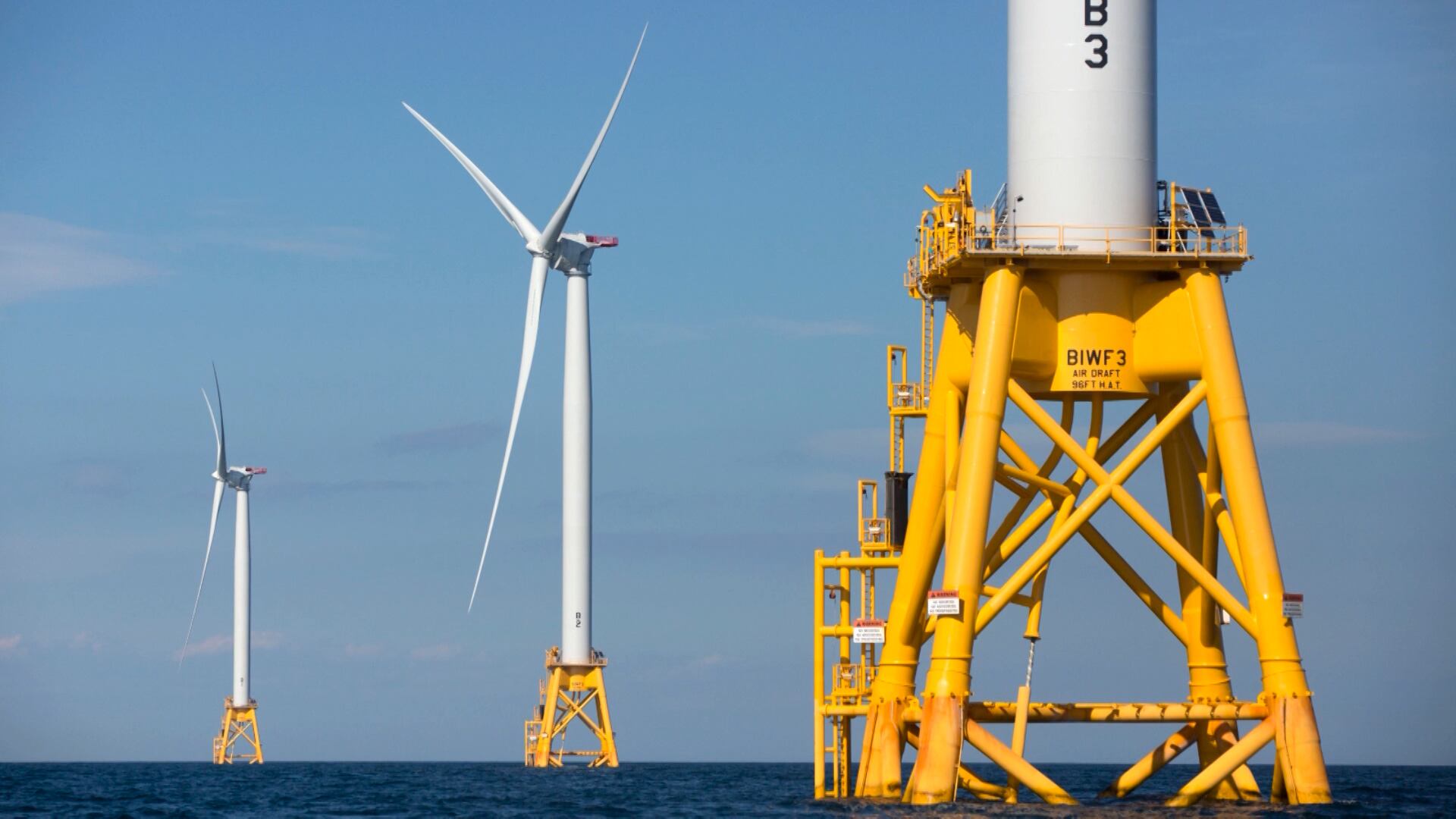
Sweta Chakraborty, U.S. President of We Don't Have Time and climate change expert, joins Cheddar News to discuss how mining the proper resources for the clean energy sector is crucial.
Over the past year alone, we've seen an increasing push-back on fossil fuels, legislation to reduce plastic pollution, greater protection over our worlds' forests, and a growing number of companies working to reduce total carbon footprint. To discuss the sustainability trends that defined 2021 and the changes individuals can make in 2022, J.D. Durkin is joined by Ashlee Piper, a sustainability expert and author of 'Give a Sh*t: Do Good. Live Better. Save the Planet,' joins Cheddar News.