Your Next Office Window Could Come With an IP Address
*By Taylor Craig*
Smart glass windows, which automatically adjust tint to reduce heat and glare from sunlight, could reshape our office space and improve worker productivity because, as View CEO Rao Mulpuri says, "everyone wants the view."
But Mulpuri told Cheddar Thursday, "The biggest reason for people to do this is to improve the human condition inside the buildings."
"It's kind of like the sit-stand desk for the eye," he added
View produces smart glass windows for commercial spaces that adjust tint throughout the workday, come with an IP address, and can be controlled through an app.
The company recently sponsored a study that found this high-tech approach to something as common as office windows appeared to decrease worker drowsiness by 56 percent. Workers also reported a 51 percent drop in incidences of eyestrain and a significant drop in headaches, as well.
Mulpuri says that while natural light is essential for humans, it presents some difficulties.
"Those are in the form of glare and heat," he said. "To control glare, we pull the blinds or shades down, and that's what we fix."
View products increase usable space within the office setting, as heat and glare are no longer detractors to sitting next to the window.
And according to Mulpuri, "It keeps you comfortable all the time."
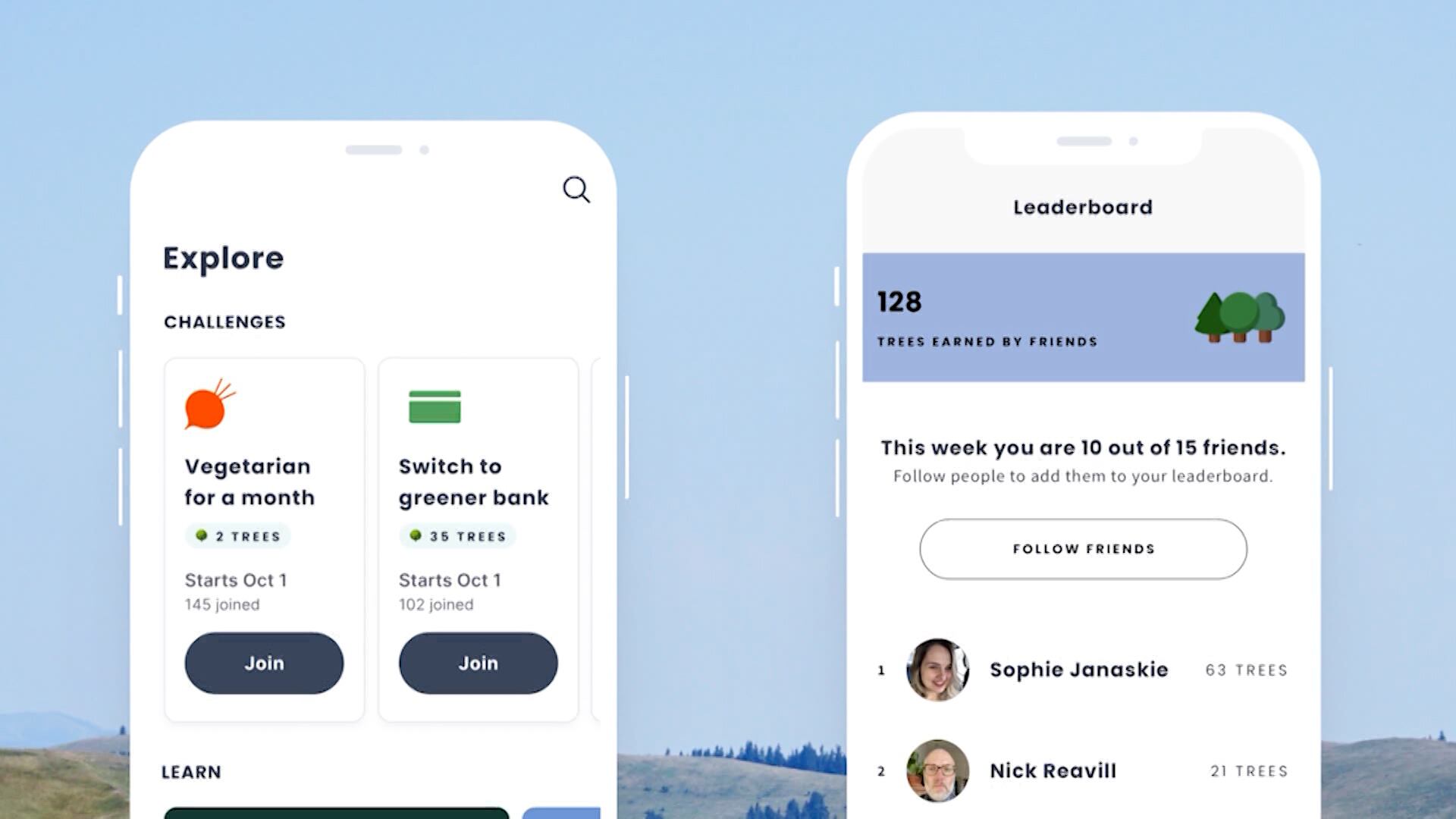
Sanchali Pal, Founder and CEO of Joro, joins ChedHER to discuss how her app can help users track, reduce, and automatically offset the carbon footprint of their purchases, and gives advice for other women seeking careers in climate.
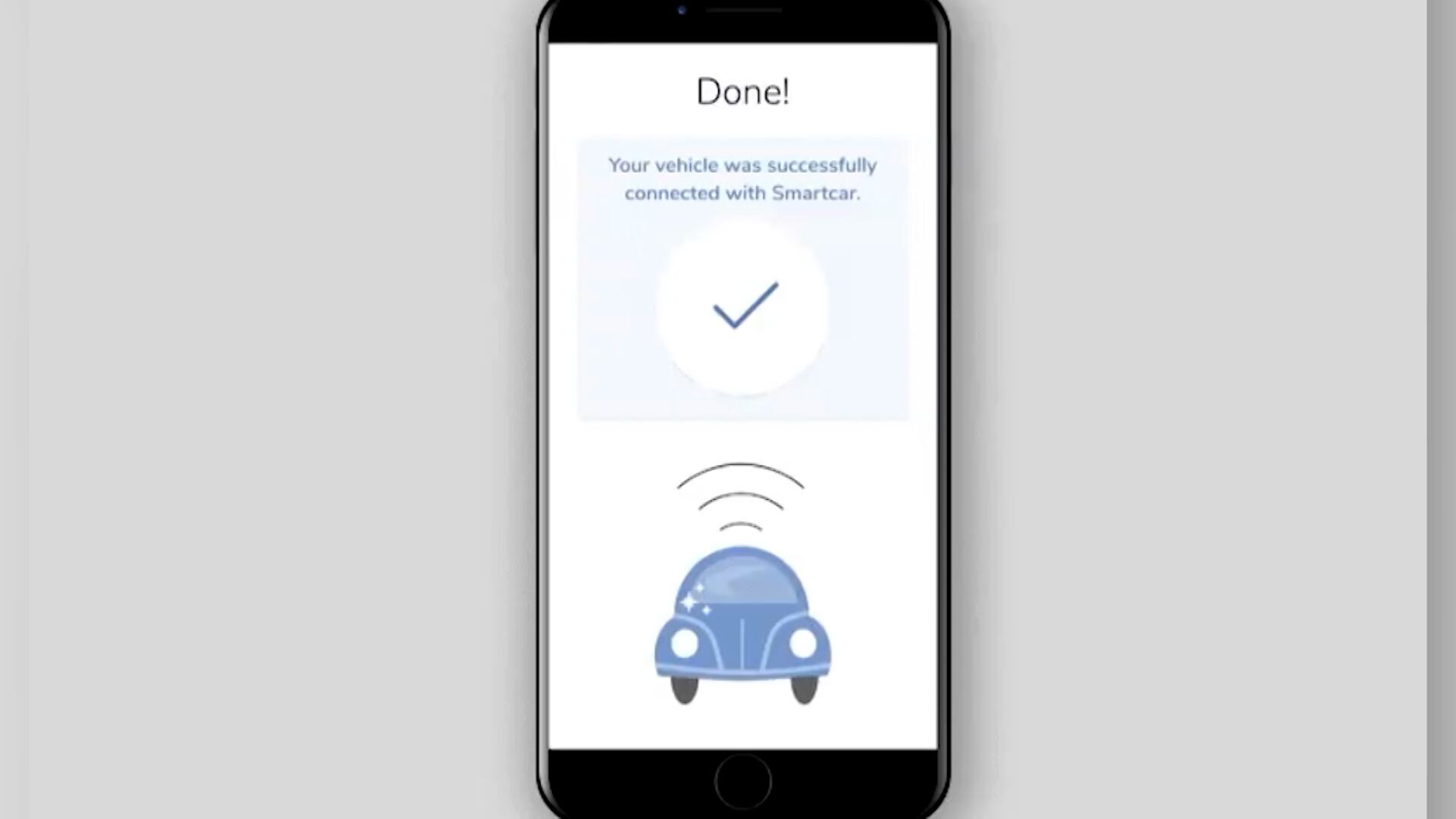
Connected cars software development platform Smartcar announced this week it has raised $24 million in a Series B round led by Energize Ventures. Smartcar's software can be integrated into mobile and web apps from mobility businesses. It allows users to do things like locate and unlock a vehicle, as well as check its mileage, fuel level, and battery if the vehicle is electric. Smartcar's technology is compatible with 22 different vehicle brands in 31 different countries. Smartcar co-founder and CEO Sahas Katta joined Cheddar News' Closing Bell to discuss.
If some members of Congress have their way, there might finally be a 'TLDR' on sites' terms of service, introduced by the terms-of-service labeling, design, and readability act – or TLDR for short. With this act, users will actually understand what they're agreeing to or the many ways in which their data is being used before pressing 'accept.' J.D. sat down with co-sponsor of the bill and Senator Bill Cassidy, to discuss.
On this episode of Cheddar Innovates: Vrai CEO discusses the process of creating lab grown diamonds, Entrupy CEO breaks down how the app uses artificial intelligence to analyze authenticity for luxury goods and sneakers; A look at Curiosity Stream's 'Red Elvis.'