Video-sharing platform Portal Wants Each User to be a 'Mini-HBO'
*By Christian Smith*
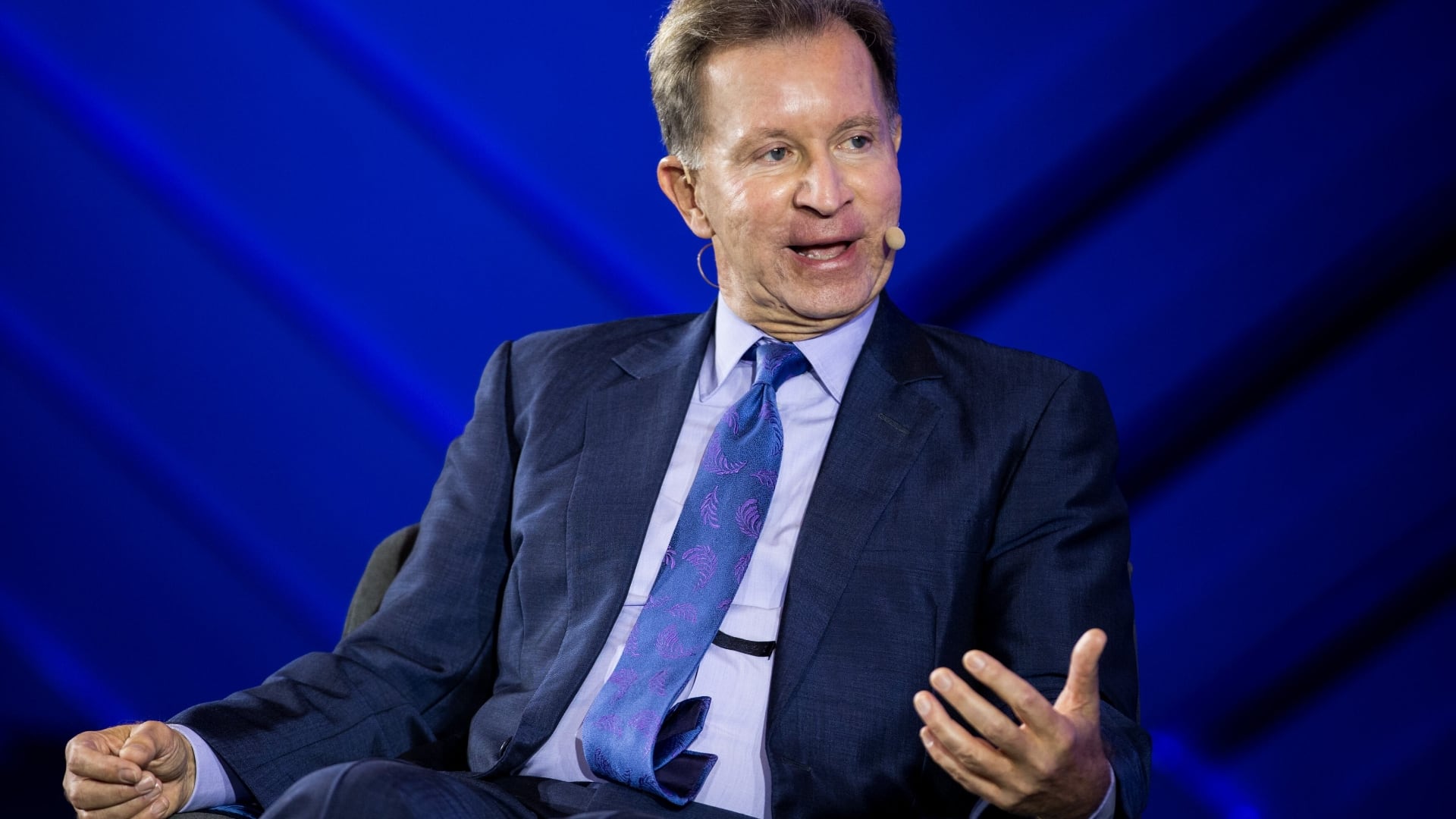
New video-sharing platform Portal wants to help online video creators cash in on their content, says company founder Jonathan Swerdlin.
"Portal is the first video sharing platform that everyone can use that completely skips the ad model and introduces really easy ways for users to pay each other," Swerdlin said in an interview on Cheddar. "Everyone can be their own mini HBO."
Portal's "freemium" model allows content creators to decide whether to share their content for free or monetize it through subscriptions, paywalls, or tipping, at rates that can range from one cent to $100 per video. Swerdlin said that many content creators offer a few videos for free to hook users, and then require payment to view the rest of their content.
Swerdlin created the company, which counts Mark Cuban among its investors, with the intention of eliminating advertisers' control over digital content, which Swerdlin believes has broken the internet. Free speech is a key component to Portal's function, but Swerdlin notes there are some limitations.
"We have pretty clear guidelines around hate speech," Swerdlin said. "We're going to go on a case-by-case basis, but we're very committed to free speech."
For full interview [click here](https://cheddar.com/videos/how-portal-is-giving-power-back-to-the-internets-video-creators).
Electronic Arts, the video game maker of “Madden NFL,” “The Sims,” and other popular titles, is being acquired and taken private for about $52.5 billion in what could become the largest-ever buyout funded by private-equity firms.
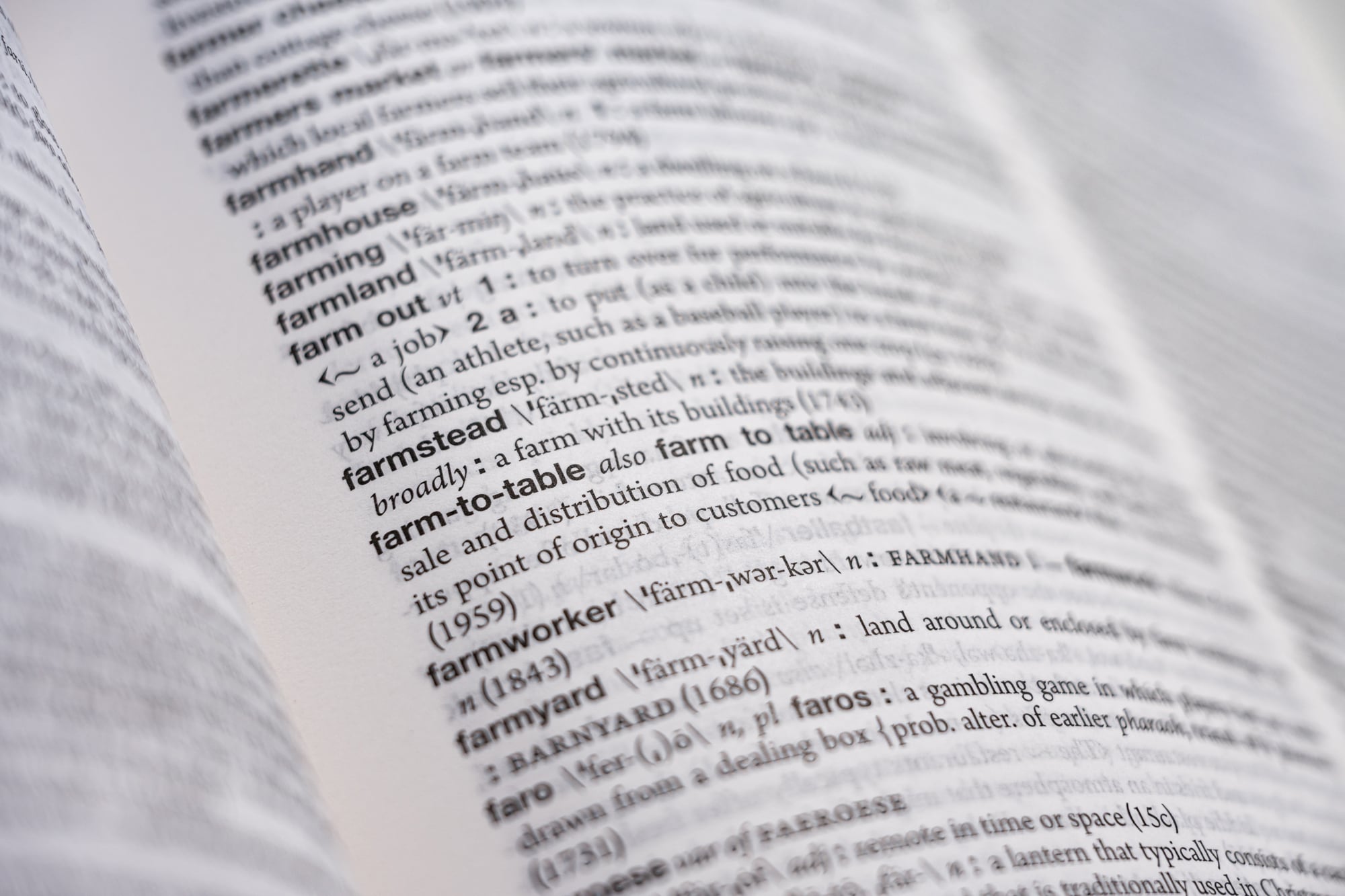
Merriam-Webster has fully revised its popular “Collegiate” dictionary with over 5,000 new words. They include “petrichor,” “dumbphone” and “ghost kitchen.” Also “cold brew,” “rizz,” “dad bod,” “hard pass,” “cancel culture” and more.
YouTube will offer creators a way to rejoin the streaming platform if they were banned for violating COVID-19 and election misinformation policies that are no longer in effect.
Lukas Alpert of MarketWatch explores how networks, brands, and ad buyers absorb the shockwaves when late‑night show hosts are suddenly cut — and brought back.