By Bill Barrow and Jill Colvin
In normal times, vice presidential debates don't matter much. But in an election year as wild as 2020, everything is magnified.
Vice President Mike Pence on Wednesday faced considerable pressure to boost coronavirus-stricken President Donald Trump's flagging reelection hopes as he trails in national and battleground state polls.
California Sen. Kamala Harris stepped on stage having to balance her role as Joe Biden's validator with her own historic presence as the first Black woman on a major party national ticket.
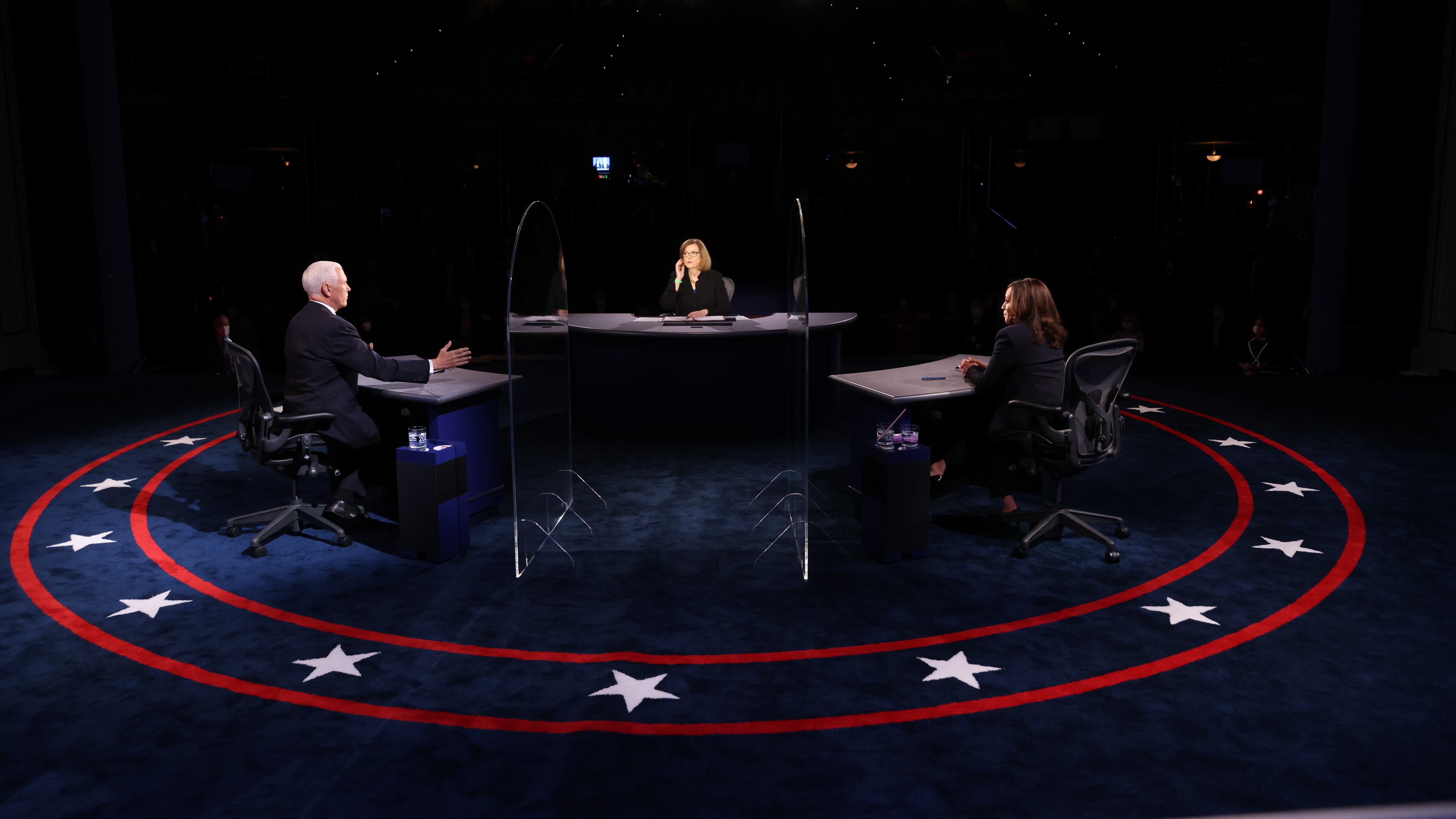
The candidates were separated by plexiglass out of concern for spread of the coronavirus from cases emanating from the White House.
Here are key early takeaways from the only vice presidential debate ahead of the Nov. 3 Election Day.
DEBATE, UNINTERRUPTED ... MOSTLY
Millions of Americans were aghast when Trump derailed the first presidential debate with incessant interruptions and a cascade of falsehoods, while Biden answered by calling the Republican incumbent a “clown” who needed to “shut up.”
The opening of Wednesday’s undercard matchup made clear that Pence and Harris were set for a much different encounter — an actual debate.
To be sure, there were sharp moments, some modest interruptions and violations of the debate clock. But the dynamics represented a rare 2020 return to some semblance of normal presidential politics.
Pence's even temperament has been a signature of his political career and he has often served as a kind of translator for Trump's bombast. Harris had a long career as a prosecutor, comfortable arguing her case under pressure. Both played to type.
In tone and content, their debate was like an alternate universe from the one Americans saw little more than a week ago.
PANDEMIC, UNABATED
The Trump campaign wants voters to focus on anything but the pandemic that has killed more than 210,000 people across the country and infected at least 7.5 million more. But that subject dominated from the outset, with Trump and a growing list of White House aides, campaign staff and allies now sidelined with COVID-19.
Harris immediately put Pence on the defensive, calling Trump’s pandemic response “the greatest failure of any presidential administration in the history of our country.” Trump and Pence “still don’t have a plan,” she said.
Pence shot back that much of Biden’s proposed coronavirus response is action the federal government already is taking. More clearly than Trump perhaps ever has done, Pence expressed sympathy for all those affected by the pandemic, and he accused Harris of “playing politics with people’s lives.”
In fact, Biden’s plan does have elements that Trump’s doesn’t. Biden has called for the president to issue a mask mandate on federal property and has urged governors and mayors to do the same. He has called for using other federal spending and regulatory power. But Harris skipped those details.
RACIAL POLITICS
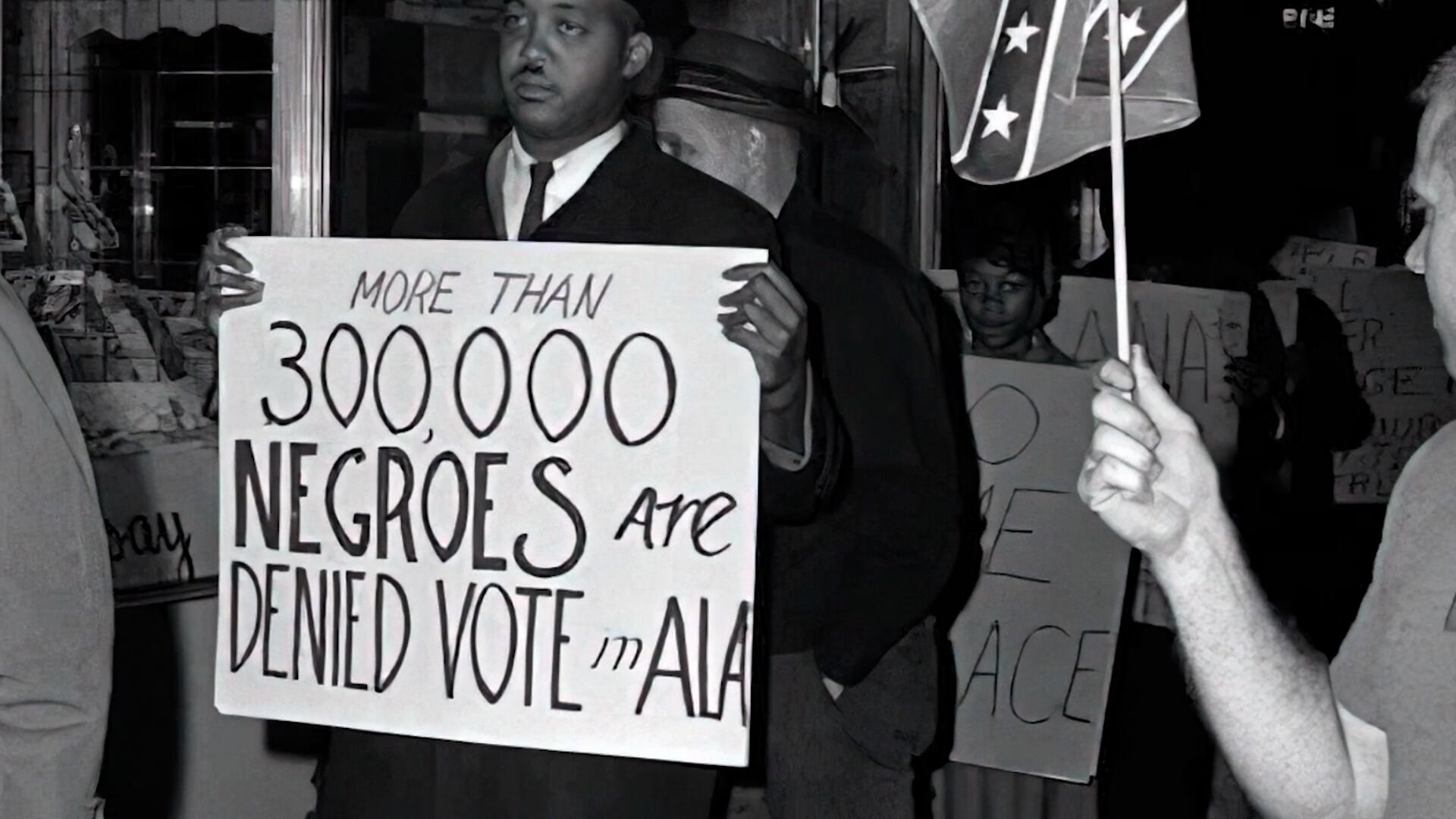
One spoke proudly of joining racial justice protests; the other denied the existence of systemic racism.
Harris, the first Black woman on a presidential ticket, spoke passionately about “people around our country of every race, of every age, of every gender” who “marched, shoulder to shoulder, arm and arm, fighting for us to finally achieve that ideal of equal justice under law.”
Still, she said, “We are never going to condone violence.”
Pence, in contrast, proclaimed his trust for the justice system and put the focus on incidents of violence, saying there was “no excuse for the rioting and looting.”
And he argued that the idea that “America’s systemically racist” and that law enforcement has an implicit bias against minorities “is a great insult to the men and women” who serve in law enforcement.
SUPREME COURT ARGUMENT
Perhaps Pence’s most aggressive line of attack on Harris was pressing her for an answer on whether a Biden administration would “pack” the Supreme Court by adding liberal justices if they win the election. Harris didn’t take the bait, just as Biden hasn’t in recent weeks.
Pence clearly sees the court vacancy as a winning issue for the Republican ticket. He hailed Trump nominee Amy Coney Barrett, who would succeed the late liberal Justice Ruth Bader Ginsburg if she’s confirmed, as expected, before the election. At least twice, he spoke directly to voters warning that Biden and Democrats would expand the court if they “don’t get their way” on blocking Barrett.
Harris seemingly missed an opportunity to remind Pence and the audience that the court’s Republican lean comes because the GOP-led Senate in 2016 refused to consider President Barack Obama’s nominee in the spring of 2016, carrying over a vacancy that Trump filled in 2017. She did, however, invoke Abraham Lincoln, who declined to make a Supreme Court nomination less than a month before his reelection.
The senator did manage to turn Pence’s “pack the court” attack around by noting that Trump’s slate of federal court appointees has been overwhelmingly white. And she underscored Democrats’ argument and public polling that suggests most voters think the Senate should wait until after the election to fill the current Supreme Court vacancy.
HANDLING HISTORY
Harris was cautious about approaching the historic nature of her candidacy. She referenced thinking about her mother, an immigrant from India, on the day Biden invited her to join the Democratic ticket. But she stuck mostly to the talking points that any potential Democratic candidate could have offered.
Pence, on the other hand, embraced the opportunity to be magnanimous. “I also want to congratulate you … on the historic nature of your nomination,” Pence told Harris. “I never expected to be on that stage four years ago so I know the feeling.”
It was a grace note from Pence, something not heard from his boss the week before.
SO MUCH FOR THE QUESTIONS
There were many questions about specific subjects. There were many answers but not so much about those specific subjects.
Pence and Harris repeatedly dodged and sidestepped queries from debate moderator Susan Page, answering questions however they wanted.
The vice president danced around the Rose Garden Supreme Court ceremony last weekend that is now considered a spreader event and instead pivoted to platitudes about personal responsibility. He said he and the president “trust the American people to make choices” while accusing Harris of Biden of pushing mandates.
When both were asked whether they had discussed succession plans with their far older running mates in case they are incapacitated, Pence instead slammed Harris for her “continuous undermining of confidence in a vaccine” to fight the coronavirus.
Harris, meanwhile, used the question to share her biography, telling the story of her immigrant mother and her election as the first woman and the first Black person elected as attorney general in California.
CLIMATE GETS ITS MOMENT
Voters — especially the critical bloc of suburban women likely to be the fulcrum of the election — consistently say climate change is one of their top issues.
It hardly got a nod in the first presidential debate. But Harris and Pence actually laid out clear differences.
Harris accused the Trump administration of shunning science. Pence accused Harris of pushing a “radical environmental agenda.”
The two tangled at length over global warning, with Pence claiming a Democratic administration “would crush American jobs” and “increase the energy costs of American families.”
But Harris laid out Biden's plan for creating new jobs connected to renewal energy and said one thing was clear about the Trump administration: “They don't believe in science.”
Pence said the president cares about clean air and clean water and has “made a commitment to conservation and to the environment.”
Barrow reported from Wilmington, Delaware.