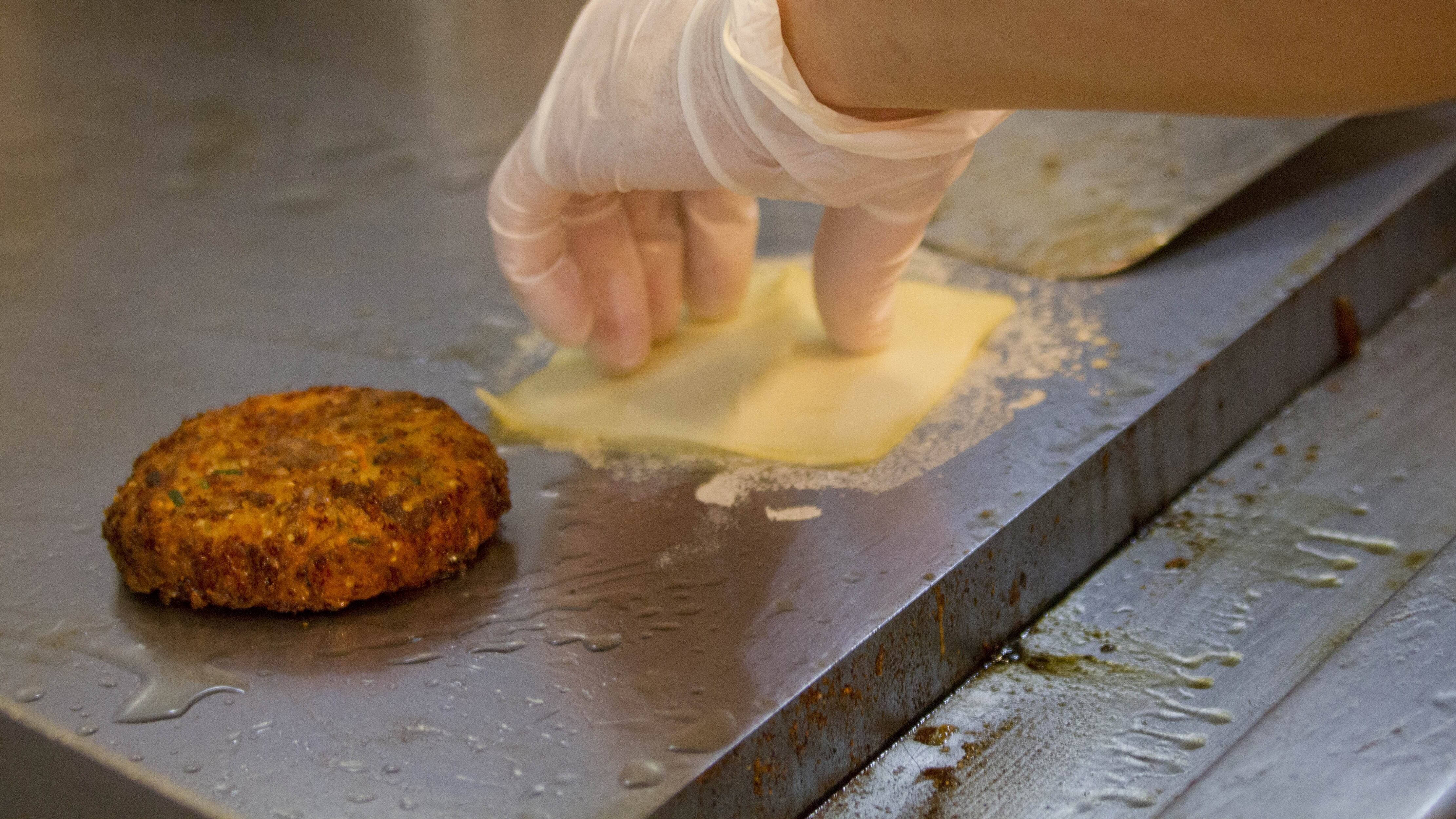
In this file photo from Tuesday, Jan. 27, 2015, a BurgerFi restaurant employee prepares to add cheese to a veggie burger as she grills an order at the Aventura, Fla., restaurant. (AP Photo/Wilfredo Lee)
Plant-based products that do not contain meat can continue to be labeled “sausages” or “burgers,” European lawmakers said Friday, when they rejected a proposal back by the meat industry to ban the terms.
In votes on issues relating to agricultural products, the European Parliament said that so-called veggie burgers, soy steaks and vegan sausages can continue to be sold as such in restaurants and shops across the union.
Europe’s largest farmers' association, Copa-Cogeca, had supported a ban, arguing that labeling vegetarian substitutes with designations bringing meat to mind was misleading for consumers.
On the opposite side of the debate, a group of 13 organizations including Greenpeace and WWF urged lawmakers to reject the proposed amendments, arguing that a ban would have not only exposed the EU “to ridicule," but also damaged its environmental credibility.
They said promoting a shift toward more plant-based diet is in line with the EU Commission's ambition to tackle global warming. Losing the ability to use the terms steak or sausage might make those plant-based products more obscure for consumers.
After the vote, the European Consumer Organization, an umbrella group bringing together consumers' associations, praised the MEPs for their “common sense."
“Consumers are in no way confused by a soy steak or chickpea-based sausage, so long as it is clearly labeled as vegetarian or vegan," the group said in a statement. “Terms such as ‘burger’ or ‘steak’ on plant-based items simply make it much easier for consumers to know how to integrate these products within a meal."
Together with Greenpeace, the group regretted that lawmakers accepted further restrictions on the naming of alternative products containing no dairy. Terms like ‘almond milk’ and ‘soy yogurt’ are already banned in Europe after the bloc's top court ruled in 2017 that purely plant-based products can't be marketed using terms such as milk, butter or cheese, which are reserved for animal products.
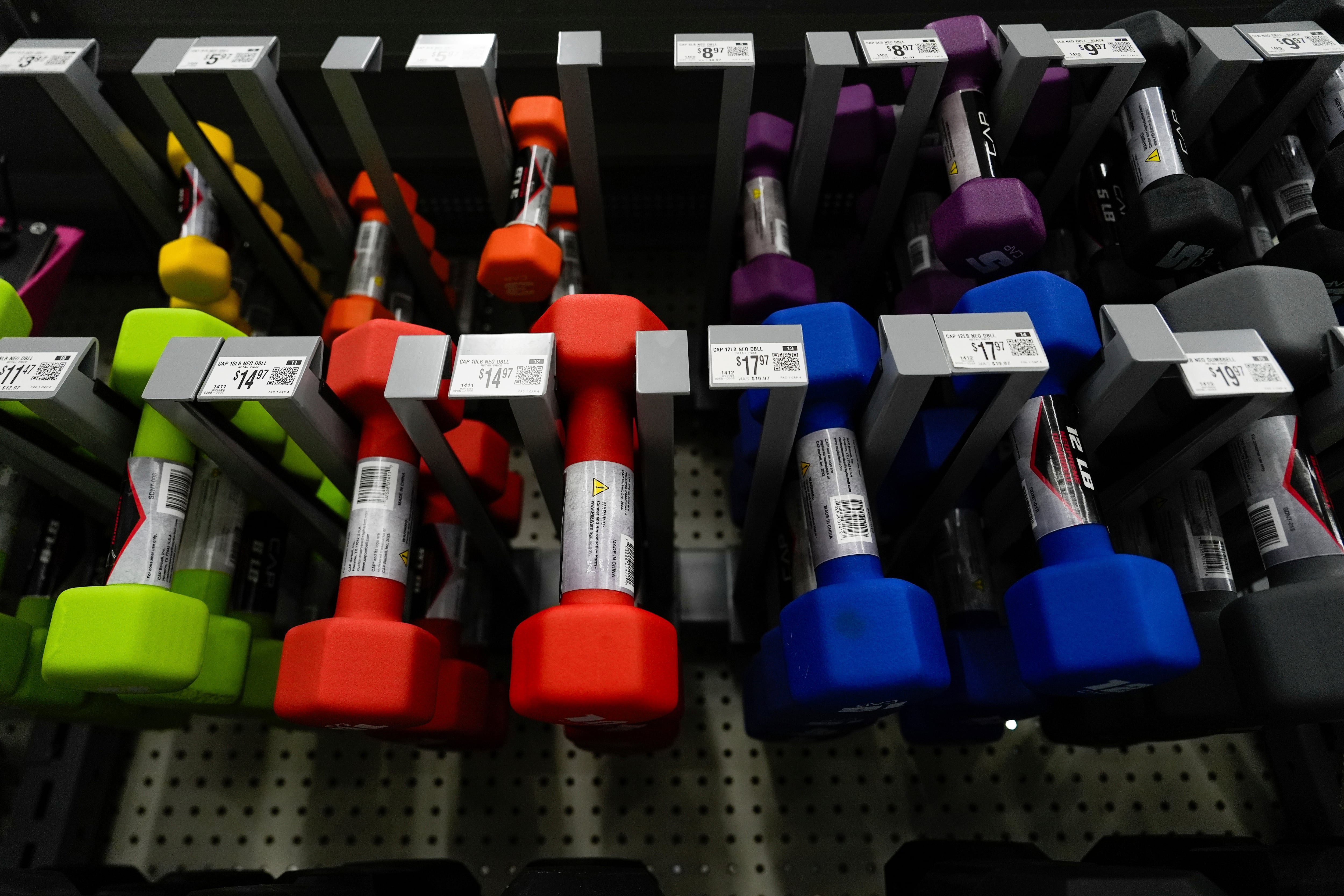
Walmart, which became the nation’s largest retailer by making low prices a priority, has found itself in a place it’s rarely been: Warning customers that prices will rise for goods ranging from bananas to car seats.
Chris Beauchamp, Chief Market Analyst at IG International, joins J.D. Durkin to give analysis on the recent trade truce between the U.S. and China. Watch!
Shan Aggarwal, VP of Corporate and Business Development at Coinbase, discusses the company's acquisitio of Deribit as it heads into the S&P 500. Watch!
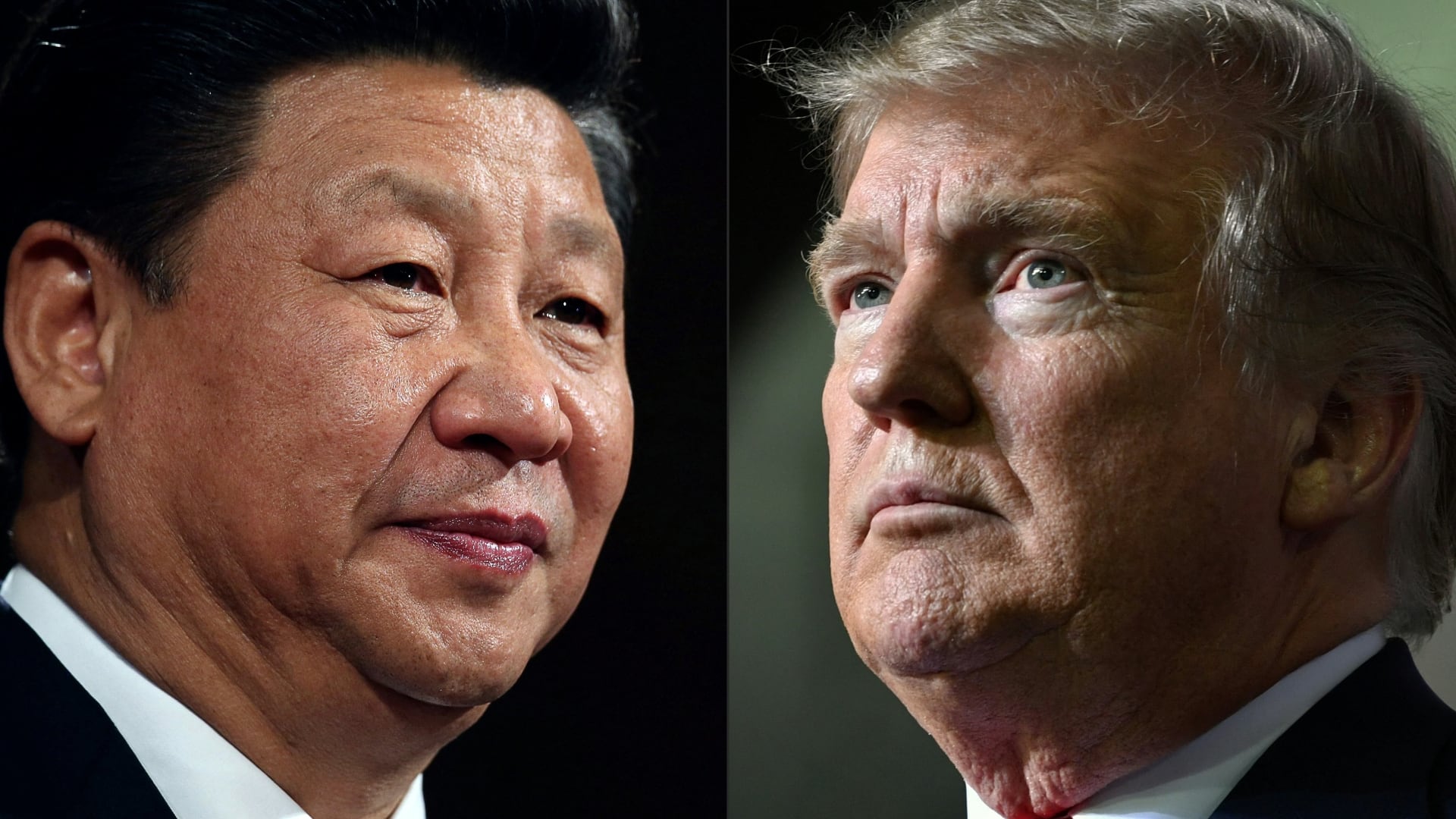
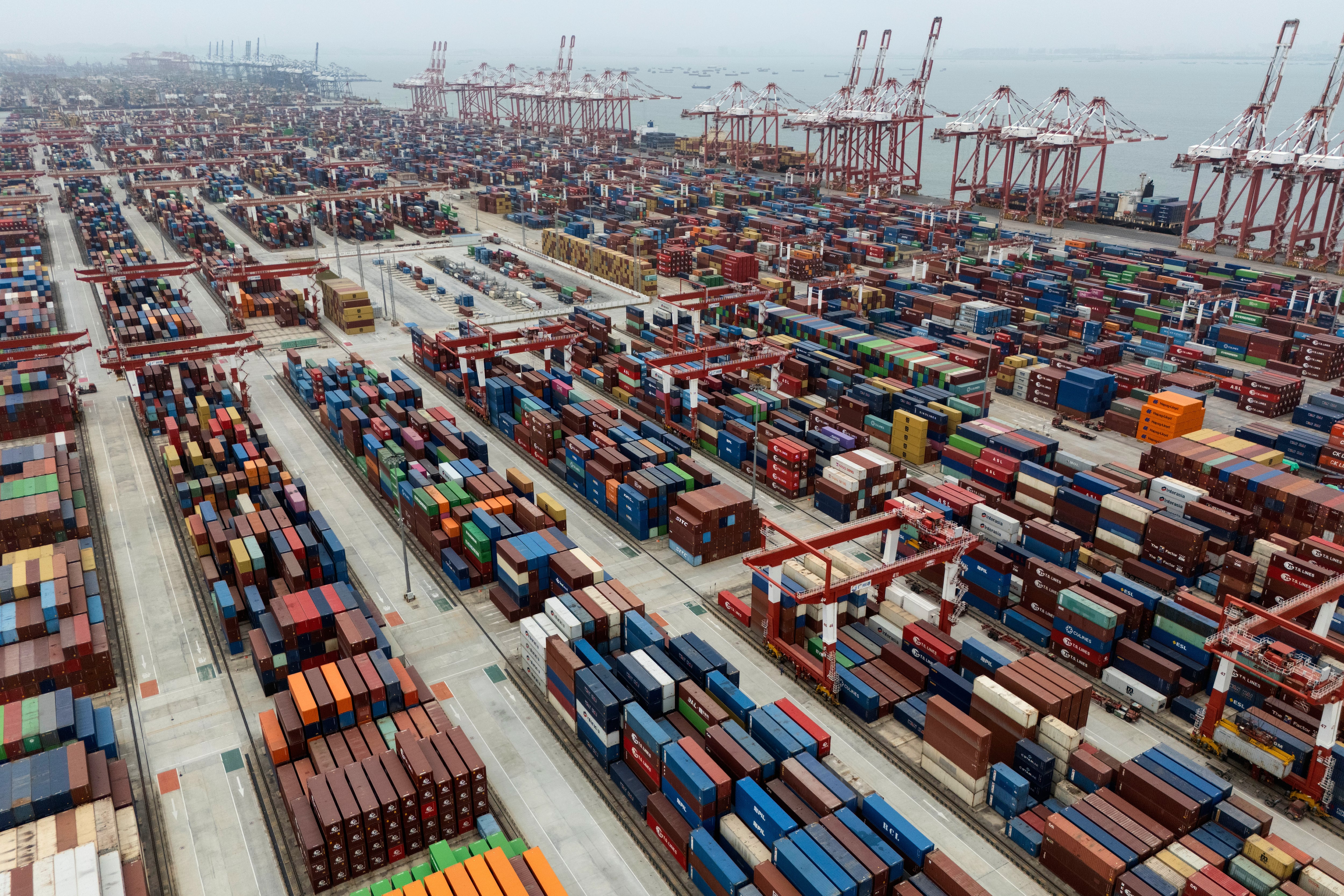
American businesses that rely on Chinese goods are reacting with muted relief after the U.S. and China agreed to pause their exorbitant tariffs on each other’s products for 90 days. Many companies delayed or canceled orders after President Donald Trump last month put a 145% tariff on items made in China. Importers still face relatively high tariffs, however, as well as uncertainty over what will happen in the coming weeks and months. The temporary truce was announced as retailers and their suppliers are looking to finalize their plans and orders for the holiday shopping season. They’re concerned a mad scramble to get goods onto ships will lead to bottlenecks and increased shipping costs.
Shopping expert Trae Bodge discusses how talks between the U.S. and China is good news for now, but uncertainty remains for back-to-school and the holidays.
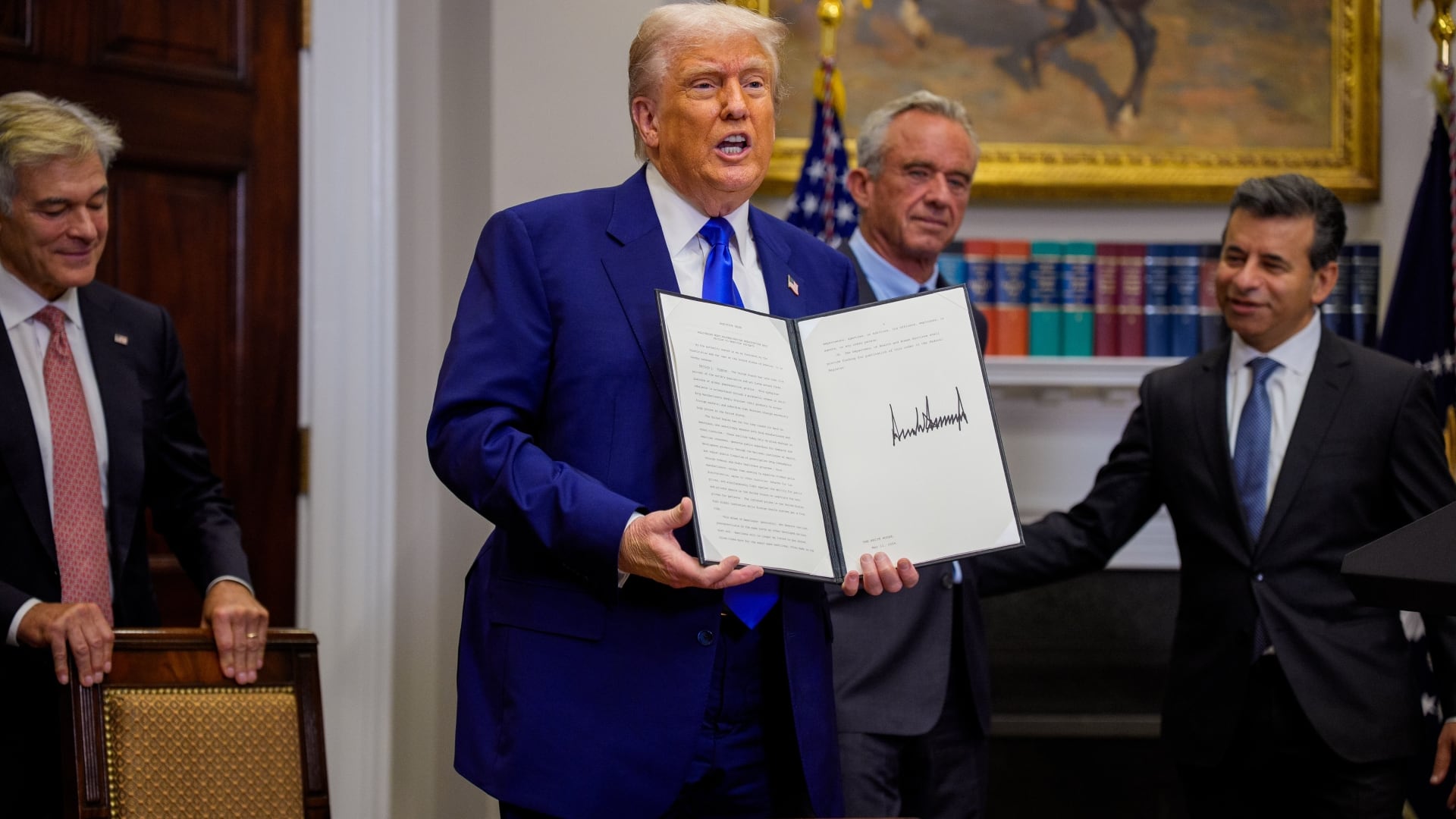
Jake Traylor, White House reporter at Politico, joins Cheddar to discuss how Trump is aiming to lower drug prices and how it differs from Biden's approach.