Fewer high school students are vaping this year, the government reported Thursday.
In a survey, 10% of high school students said they had used electronic cigarettes in the previous month, down from 14% last year.
Use of any tobacco product — including cigarettes and cigars — also fell among high schoolers, according to the Centers for Disease Control and Prevention report.
“A lot of good news, I’d say,” said Kenneth Michael Cummings, a University of South Carolina researcher who was not involved in the CDC study.
Among middle school students, about 5% said they used e-cigarettes. That did not significantly change from last year’s survey.
This year's survey involved more than 22,000 students who filled out an online questionnaire last spring. The agency considers the annual survey to be its best measure of youth smoking trends.
Why the drop among high schoolers? Health officials believe a number of factors could be helping, including efforts to raise prices and limit sales to kids by raising the legal age to 21.
“It’s encouraging to see this substantial decrease in e-cigarette use among high schoolers within the past year, which is a win for public health,” said Brian King, the Food and Drug Administration's tobacco center director.
The FDA has authorized a few tobacco-flavored e-cigarettes intended to help adult smokers cut back but has struggled to stop sales of illegal products.
Other key findings in the report:
— Among students who currently use e-cigarettes, about a quarter said they use them every day.
— About 1 in 10 middle and high school students said they recently had used a tobacco product. That translates to 2.8 million U.S. kids.
— E-cigarettes were the most commonly used kind of tobacco product, and disposable ones were the most popular with teens.
— Nearly 90% of the students who vape used flavored products, with fruit and candy flavors topping the list.
In 2020, FDA regulators banned those teen-preferred flavors from reusable e-cigarettes like Juul and Vuse, which are now only sold in menthol and tobacco. But the flavor restriction didn’t apply to disposable products, and companies like Elf Bar and Esco Bar quickly stepped in to fill the gap.
The growing variety in flavors like gummy bear and watermelon has been almost entirely driven by cheap, disposable devices imported from China, which the FDA considers illegal. Those products now account for more than half of U.S. vaping sales, according to government figures.
In the latest survey, about 56% of teens who vape said they used Elf Bar, trailed by Esco Bar and Vuse, which is a reusable e-cigarette made by R.J. Reynolds. Juul, the brand widely blamed for sparking the recent spike in teen vaping, was the fourth most popular brand, used by 16% of teens.
The FDA tried to block imports of both Elf Bar and Esco Bar in May, but the products remain widely available. Elf Bar has thwarted customs officials by changing its brand name, among other steps designed to avoid detection
On Thursday, the FDA announced another round of fines against 20 stores selling Elf Bar products. The agency has sent more than 500 warning letters to retailers and manufacturers of unauthorized e-cigarettes over the past year, but those citations are not legally binding and are sometimes ignored.
In the latest report, the CDC highlighted one worrisome but puzzling finding. There was a slight increase in middle school students who said they had used at least one tobacco product in the past month, while that rate fell among high school students. Usually, those move in tandem, said Kurt Ribisl, a University of North Carolina researcher. He and Cummings cautioned against making too much of the finding, saying it might be a one-year blip.
Perrone reported from Washington.
The Associated Press Health and Science Department receives support from the Howard Hughes Medical Institute’s Science and Educational Media Group. The AP is solely responsible for all content.
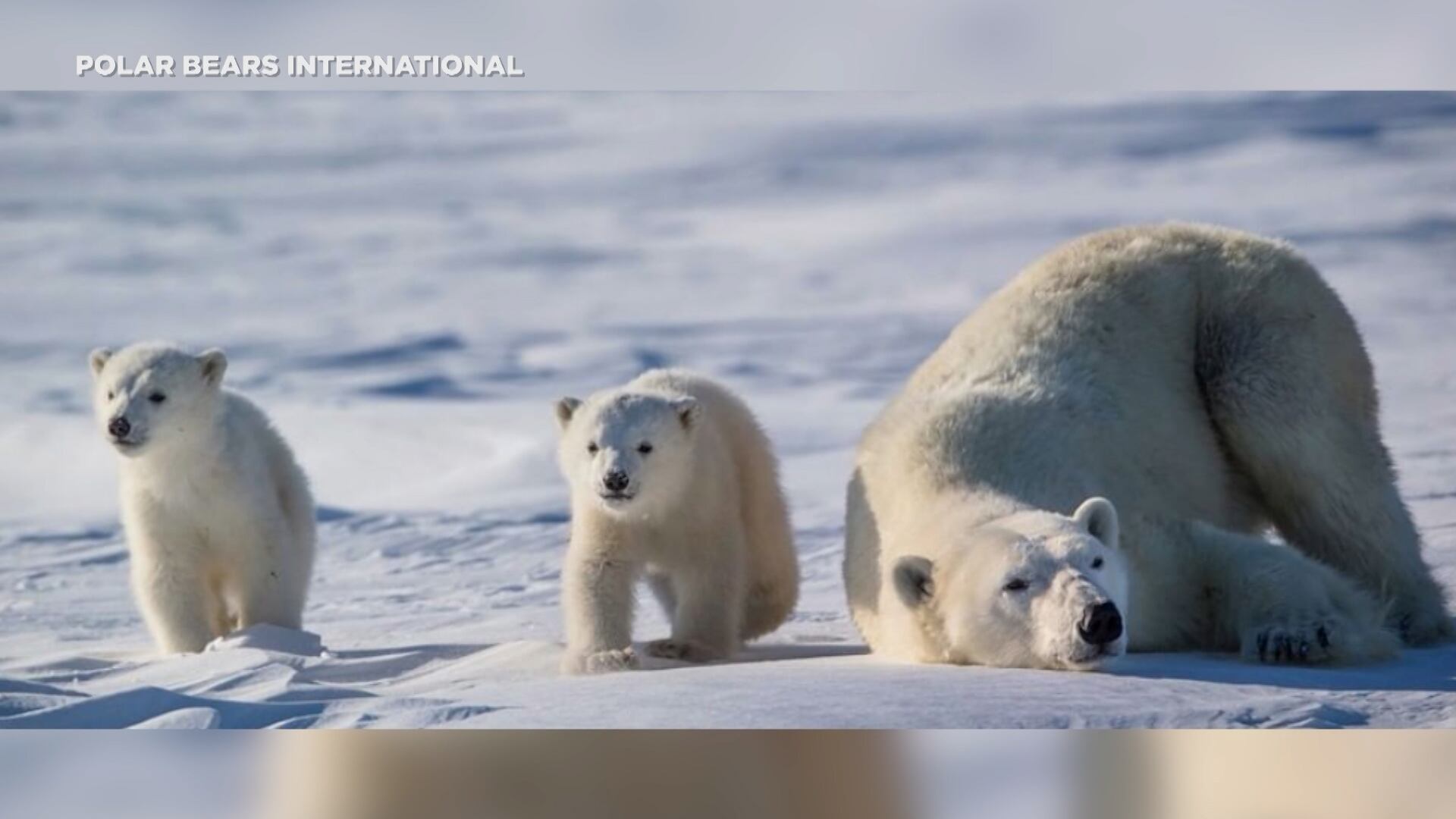
Alysa McCall, director of conservation outreach and staff scientist at Polar Bears International, joined Cheddar to discuss the ongoing fight to protect polar bears from extinction while world leaders gathered to discuss the climate crisis. McCall explained her organization's mission "to ensure the long term survival of polar bears by helping ensure their arctic sea ice habitat remains intact." McCall said she hopes actionable steps are taken after the UN climate summit to mitigate the crisis and not just more promises.
Moderna reported a massive miss on revenue in its Q3 earnings, taking in $5 billion versus the expected $6.21 billion despite sales of the COVID-19 vaccine. The pharmaceutical giant's stock dropped sharply on the news.
Carlo and Baker discuss the fallout from Tuesday's election and the flashing warning sign for Dems ahead of the midterms. Also, a big 2A case at the Supreme Court, Aaron Rodgers has Covid and is in big trouble, and a first for the MCU.
Carlo and Baker discuss the election results across the country, including a Republican comeback in Virginia -- and possibly NJ -- plus the CDC gives the go-ahead for child vaccinations, Atlanta wins the World Series and more.
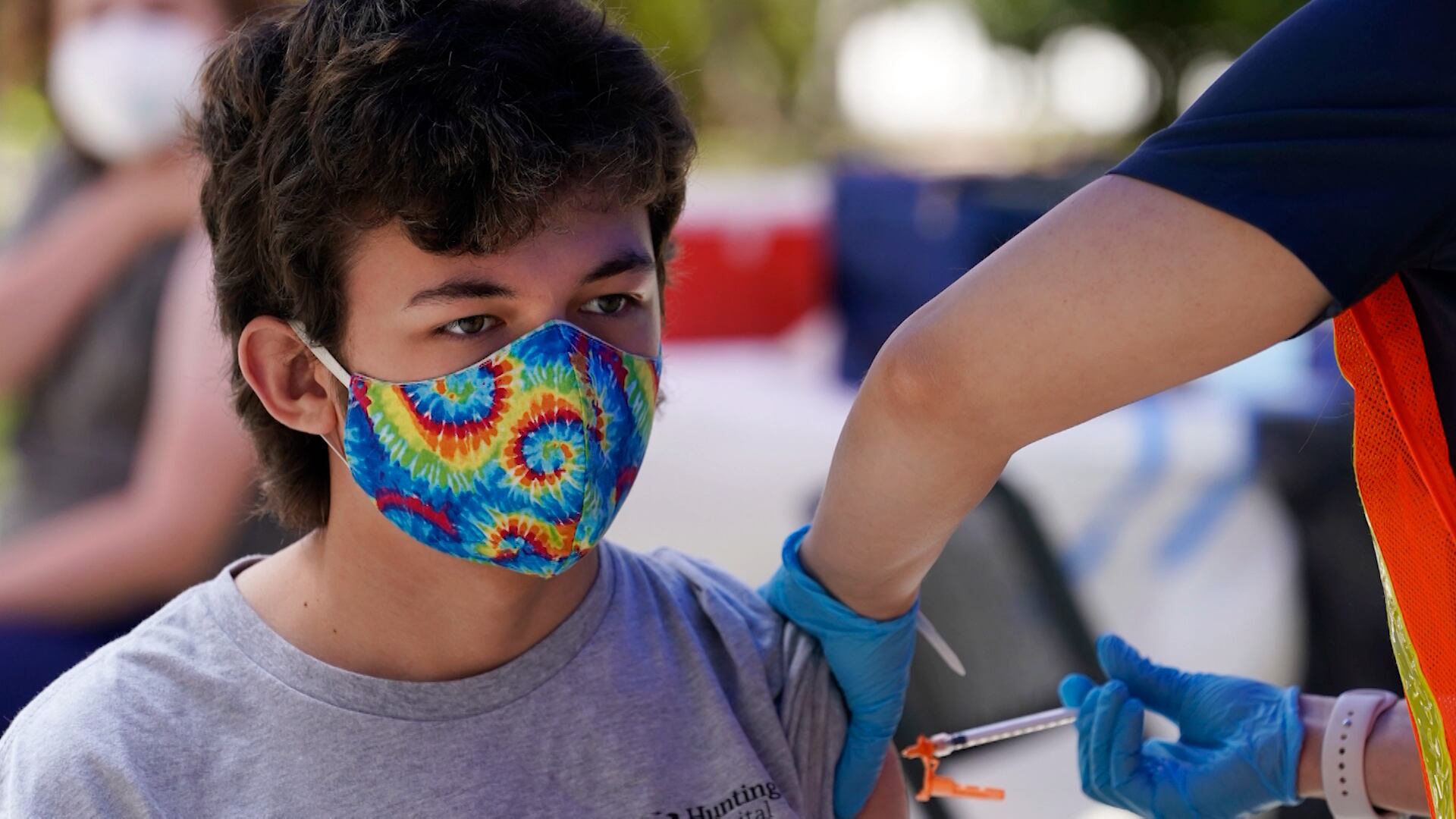
Dr. Julie Morita, executive vice president of Robert Wood Johnson Foundation, joined Cheddar to discuss the CDC advisory panel recommending the Pfizer vaccine for children ages 5-11. "We've seen many millions of children getting sick, many hospitalized, many dying because of COVID," Morita said. "And so now we have a new tool that we can use to keep our children safe." She also noted that hesitancy among parents about vaccinating their children will likely fade in time as the childhood vaccine program gets underway.
Matthew Oxenford, Analyst at the Economist Intelligence Unit, joins a special edition of Cheddar Climate, where he discusses the responsibilities big businesses across multiple sectors have when it comes to combating the effects of climate change around the world.
President Joe Biden introduced the Global Methane Pledge on the second day of the United Nations climate summit. The U.S. and the European Union will lead the way when it comes to methane emissions reductions, and close to 100 nations have also signed on. It's seen as the fastest way to slow down global warming and keep nations on track toward meeting the goal of keeping warming just 1.5 degrees Celsius above late 1800s atmospheric levels. Dr. Sweta Chakraborty, U.S. President of climate-focused startup 'We Don't Have Time' joins Cheddar Climate to discuss the importance of the Biden administration's methane regulations -- and the importance of U.S. leadership when it comes to climate issues.
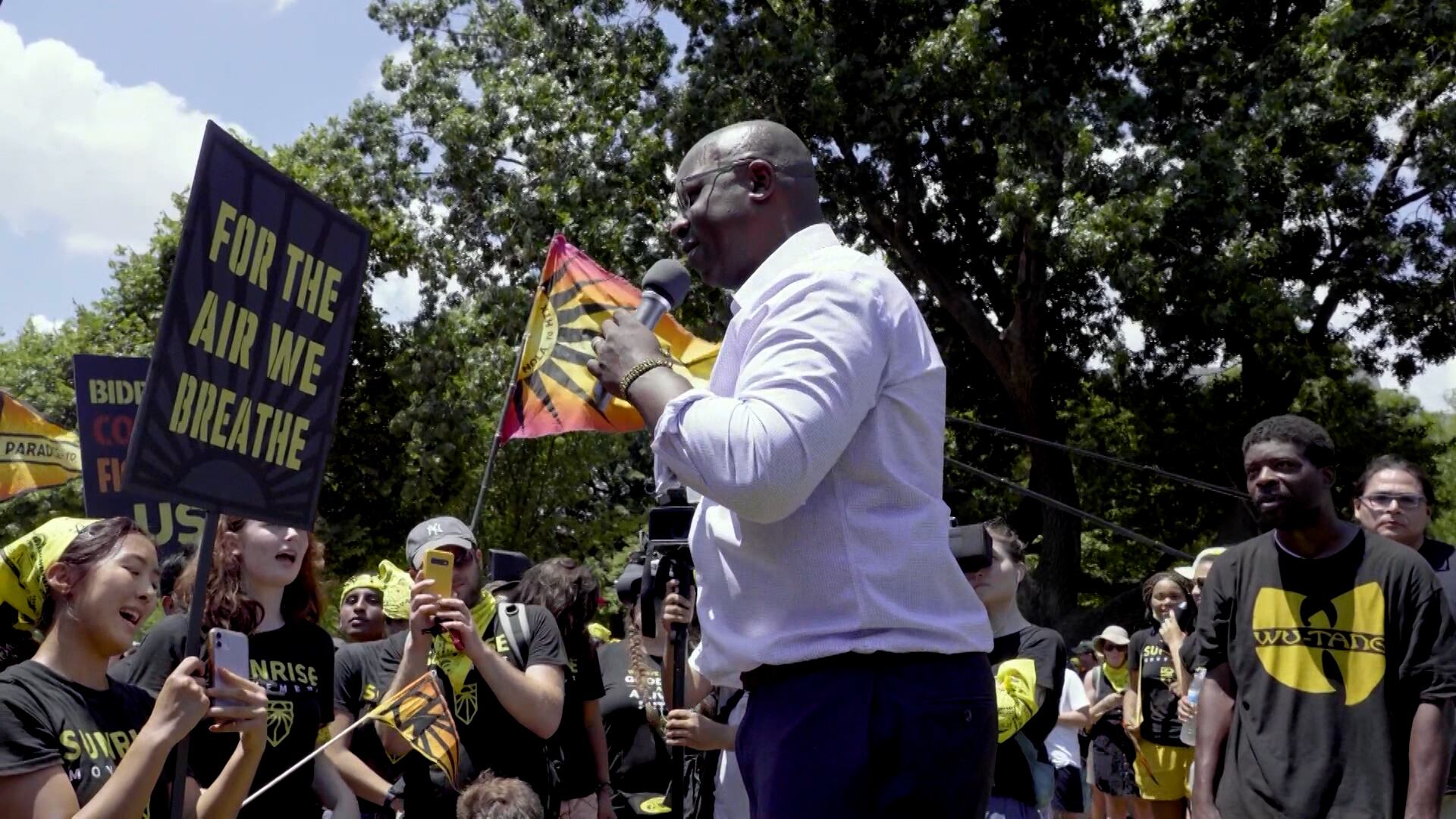
John Paul Mejia, the national spokesperson for the Sunrise Movement, joined Cheddar to talk about what the youth activist group wants to see from President Joe Biden as he attends the COP26 climate summit. Mejia admonished the president for having little to deliver on his own climate agenda domestically while at the conference. "We need the president to follow through with his promises because, frankly, it's a matter of life or death not only for communities here in the United States but also those looking to us around the world," he said.
With COP26 kicking off, roughly 120 world leaders and delegates are in Glasgow, Scotland to hold climate talks this week. As experts continue to warn about the dangers of climate change, ESG investing is more important than ever.
Georges Archibald, Head of Apex Americas at Apex Group joined Cheddar's Opening Bell to discuss.
Roughly 20,000 heads of state, diplomats, and activists will gather in person starting Oct. 31 to address the threat of climate change. The summit, known as COP26, is seen as a crucial step in getting the crisis under control as scientists warn global warming is only getting worse. Carroll Muffett, President and CEO of the Center for International Environmental Law, joined Cheddar to explain the goals of COP26 and why it's so crucial for the world leaders to step up and make new, aggressive climate commitments.