Fewer high school students are vaping this year, the government reported Thursday.
In a survey, 10% of high school students said they had used electronic cigarettes in the previous month, down from 14% last year.
Use of any tobacco product — including cigarettes and cigars — also fell among high schoolers, according to the Centers for Disease Control and Prevention report.
“A lot of good news, I’d say,” said Kenneth Michael Cummings, a University of South Carolina researcher who was not involved in the CDC study.
Among middle school students, about 5% said they used e-cigarettes. That did not significantly change from last year’s survey.
This year's survey involved more than 22,000 students who filled out an online questionnaire last spring. The agency considers the annual survey to be its best measure of youth smoking trends.
Why the drop among high schoolers? Health officials believe a number of factors could be helping, including efforts to raise prices and limit sales to kids by raising the legal age to 21.
“It’s encouraging to see this substantial decrease in e-cigarette use among high schoolers within the past year, which is a win for public health,” said Brian King, the Food and Drug Administration's tobacco center director.
The FDA has authorized a few tobacco-flavored e-cigarettes intended to help adult smokers cut back but has struggled to stop sales of illegal products.
Other key findings in the report:
— Among students who currently use e-cigarettes, about a quarter said they use them every day.
— About 1 in 10 middle and high school students said they recently had used a tobacco product. That translates to 2.8 million U.S. kids.
— E-cigarettes were the most commonly used kind of tobacco product, and disposable ones were the most popular with teens.
— Nearly 90% of the students who vape used flavored products, with fruit and candy flavors topping the list.
In 2020, FDA regulators banned those teen-preferred flavors from reusable e-cigarettes like Juul and Vuse, which are now only sold in menthol and tobacco. But the flavor restriction didn’t apply to disposable products, and companies like Elf Bar and Esco Bar quickly stepped in to fill the gap.
The growing variety in flavors like gummy bear and watermelon has been almost entirely driven by cheap, disposable devices imported from China, which the FDA considers illegal. Those products now account for more than half of U.S. vaping sales, according to government figures.
In the latest survey, about 56% of teens who vape said they used Elf Bar, trailed by Esco Bar and Vuse, which is a reusable e-cigarette made by R.J. Reynolds. Juul, the brand widely blamed for sparking the recent spike in teen vaping, was the fourth most popular brand, used by 16% of teens.
The FDA tried to block imports of both Elf Bar and Esco Bar in May, but the products remain widely available. Elf Bar has thwarted customs officials by changing its brand name, among other steps designed to avoid detection
On Thursday, the FDA announced another round of fines against 20 stores selling Elf Bar products. The agency has sent more than 500 warning letters to retailers and manufacturers of unauthorized e-cigarettes over the past year, but those citations are not legally binding and are sometimes ignored.
In the latest report, the CDC highlighted one worrisome but puzzling finding. There was a slight increase in middle school students who said they had used at least one tobacco product in the past month, while that rate fell among high school students. Usually, those move in tandem, said Kurt Ribisl, a University of North Carolina researcher. He and Cummings cautioned against making too much of the finding, saying it might be a one-year blip.
Perrone reported from Washington.
The Associated Press Health and Science Department receives support from the Howard Hughes Medical Institute’s Science and Educational Media Group. The AP is solely responsible for all content.
Catching you up on the stories you need to know this morning, mass shooting victims testify on Capitol Hill, the White House outlines its plan to vaccinate kids younger than five years old, and we break down how to protect yourself from monkeypox.
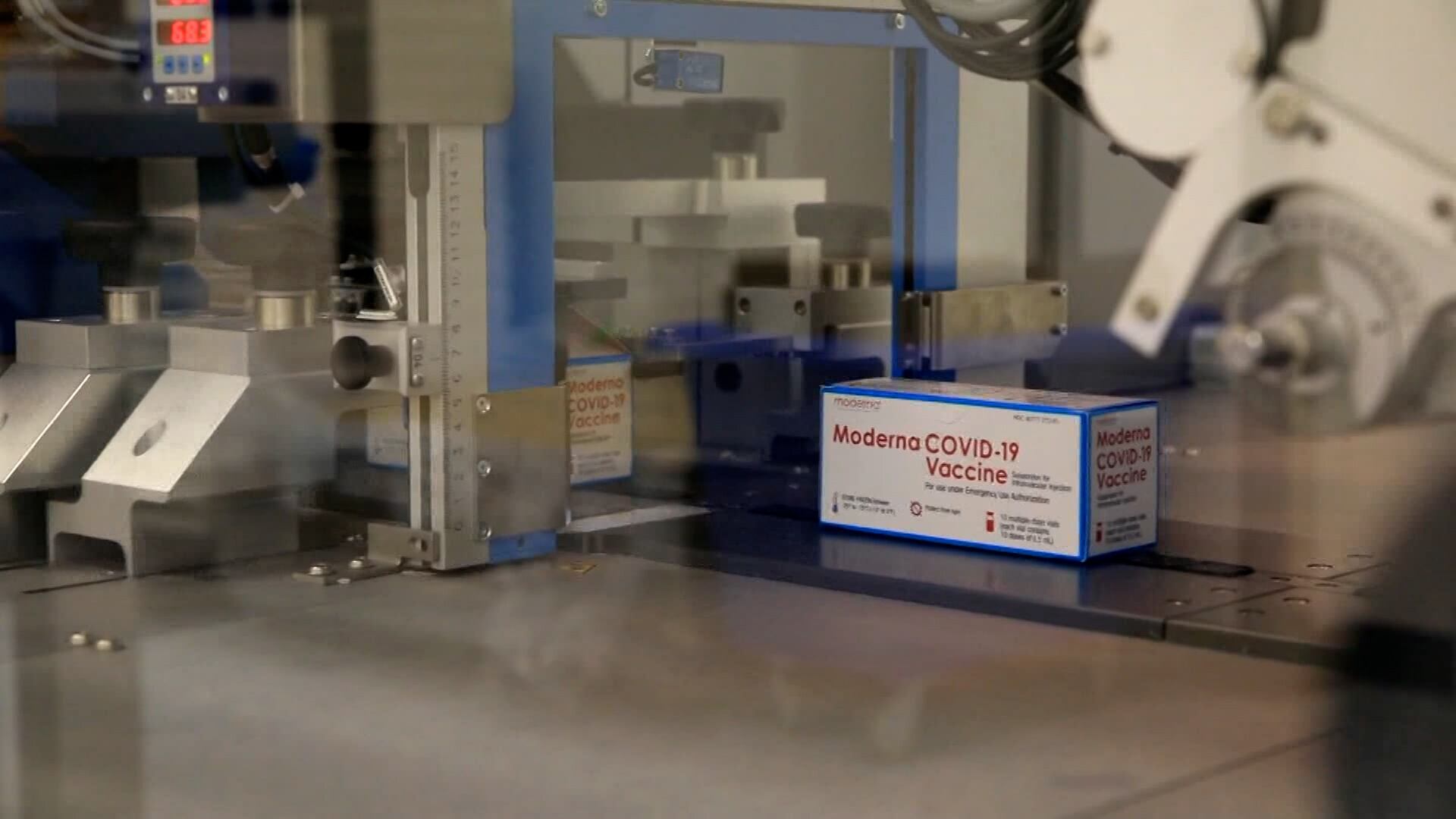
The pharmaceutical giant Moderna says its updated 'bivalent' booster shot provides a stronger immune response against the Omicron variant of COVID-19 specifically. This week, Moderna plans to submit preliminary data to U.S. health officials in the hopes that its new booster will be available later this summer. Dr. Sampson Davis, emergency medicine physician, joins Cheddar News to discuss.
NASA has announced that the first official full-color images will be beamed back to Earth from the James Webb Telescope on July 12. Gregory L. Robinson, the director of the James Webb Space Telescope Program in the NASA Science Mission Directorate, joined Cheddar News to discuss the anticipated image drop. “We expect to see the universe different," he said. "Webb will allow us to see much, much clearer and deeper into the universe."
On this episode of Cheddar Reveals, Professor Laurence Hurst, Director of The Milner Centre for Evolution, discusses the mystery of human evolution that's still baffling scientists: why are humans still evolving, and why has the process sped up? Neville Sanjana, faculty member at NY Genome and New York University, breaks down the latest innovations in CRISPR genetic engineering and its applications from 'designer babies' to curing genetic conditions and diseases; Cheddar gets a look at Curiosity Stream's 'The Butterfly Effect.'
Neville Sanjana, faculty member at NY Genome and New York University, joins Cheddar Reveals to break down the latest innovations in CRISPR genetic engineering and its applications from 'designer babies' to curing genetic conditions and diseases.
Professor Laurence Hurst, Director of The Milner Centre for Evolution, joins Cheddar Reveals to discuss the mystery of human evolution that's still baffling scientists: why are humans still evolving, and why has the process sped up?
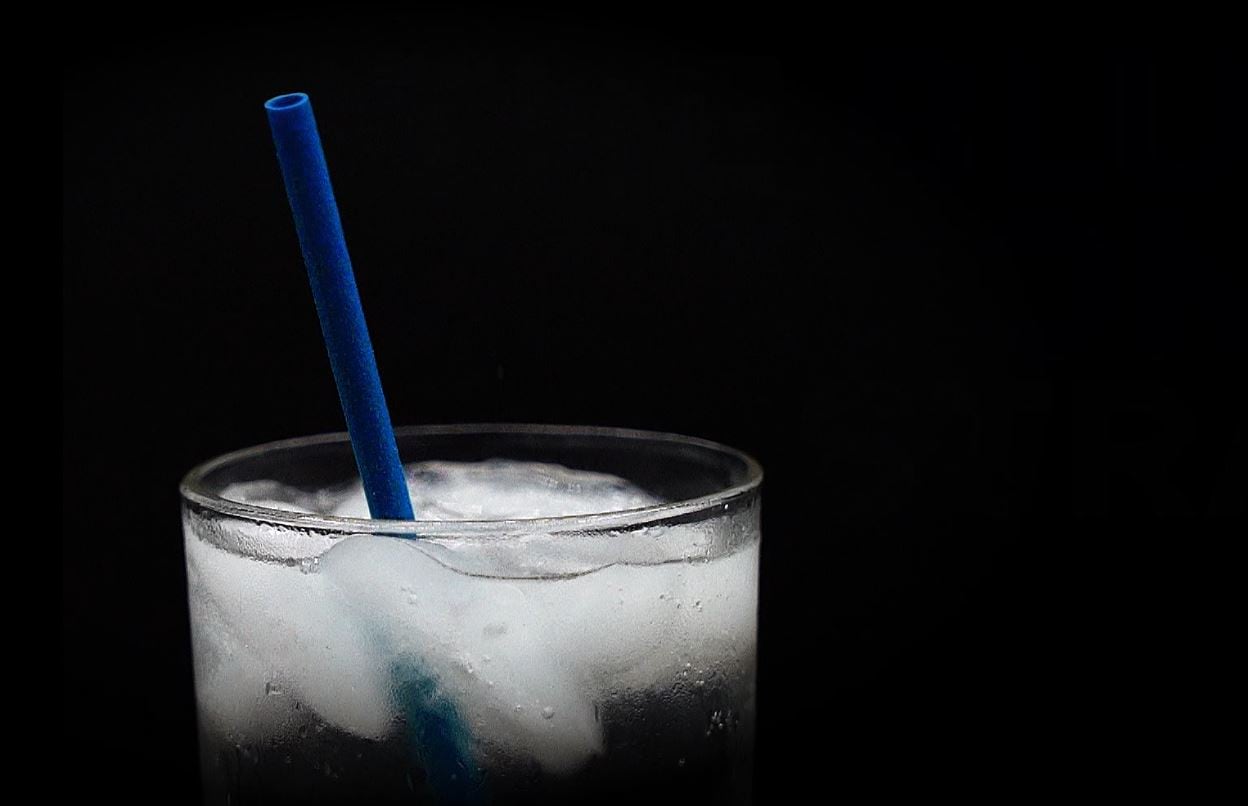
It can be tough to make sustainable choices, and even harder when sustainable materials don't hold up. Loliware has a solution to the plastic straw problem: its seaweed-based straws are stronger than paper alternatives and once used, can be composted and return to the earth or sea without causing harm. Sea Briganti, CEO of Loliware, joins Closing Bell to discuss the tech behind the straws, new product launches, and more.
Umbilical cord blood banking platform Anja Health raised $4.5 million dollars in a seed round led by Seven Seven Six, a venture capital firm founded by Reddit co-founder Alexis Ohanian. Anja Health offers a personalized, doctor-backed cord blood bank, which lets new parents freeze stem cells from their child's umbilical cord so they can be used to treat diseases in the future. It's a process Anja has called 'Hollywood's best-kept secret,' as celebrities like Kylie Jenner, Serena Williams, and more have all banked their umbilical cord blood. Kathryn Cross, the founder of Anja Health, joins Cheddar News' Closing Bell to discuss.
After learning that the suspect in the Uvalde school shooting posted about his intentions on Facebook, activists are urging social networks to make changes. Lena Derhally, a licensed psychotherapist and author of "The Facebook Narcissist," joined Cheddar News to discuss the role social media plays in school shootings. "They're not really invested in taking down hateful content," she said about social platforms."In regards to the shooting, it was 15 minutes before that actual threat. It would be pretty hard for a social media company to trace that threat that quickly. But what they can do better is take down threats and hateful content much faster and more than they're doing now."
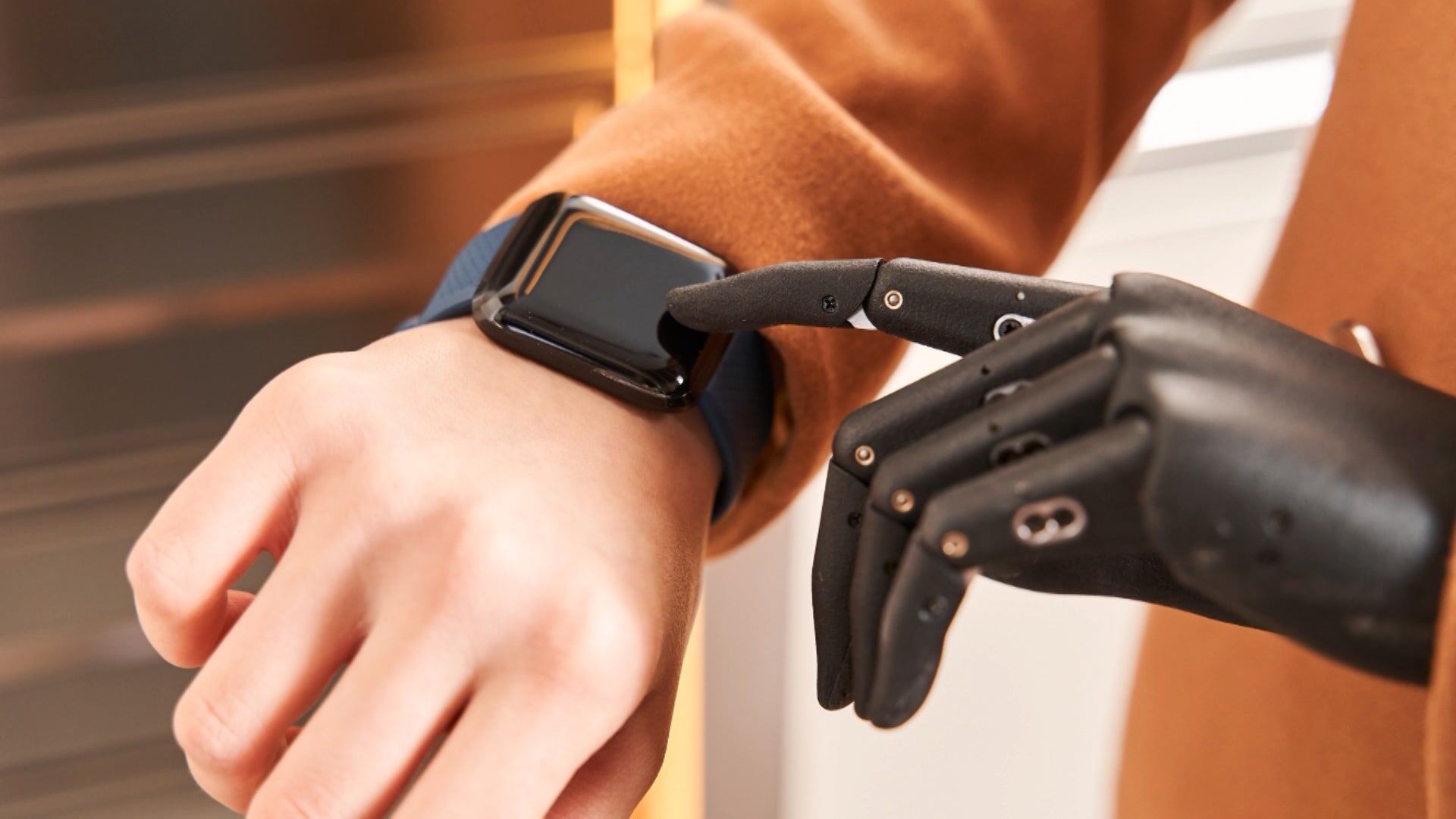
Esper Bionics CEO Dima Gazda breaks down how they're creating a mind-controlled bionic hand that guest smarter the more you use it, and what this innovation means for the future of the prosthetics industry.