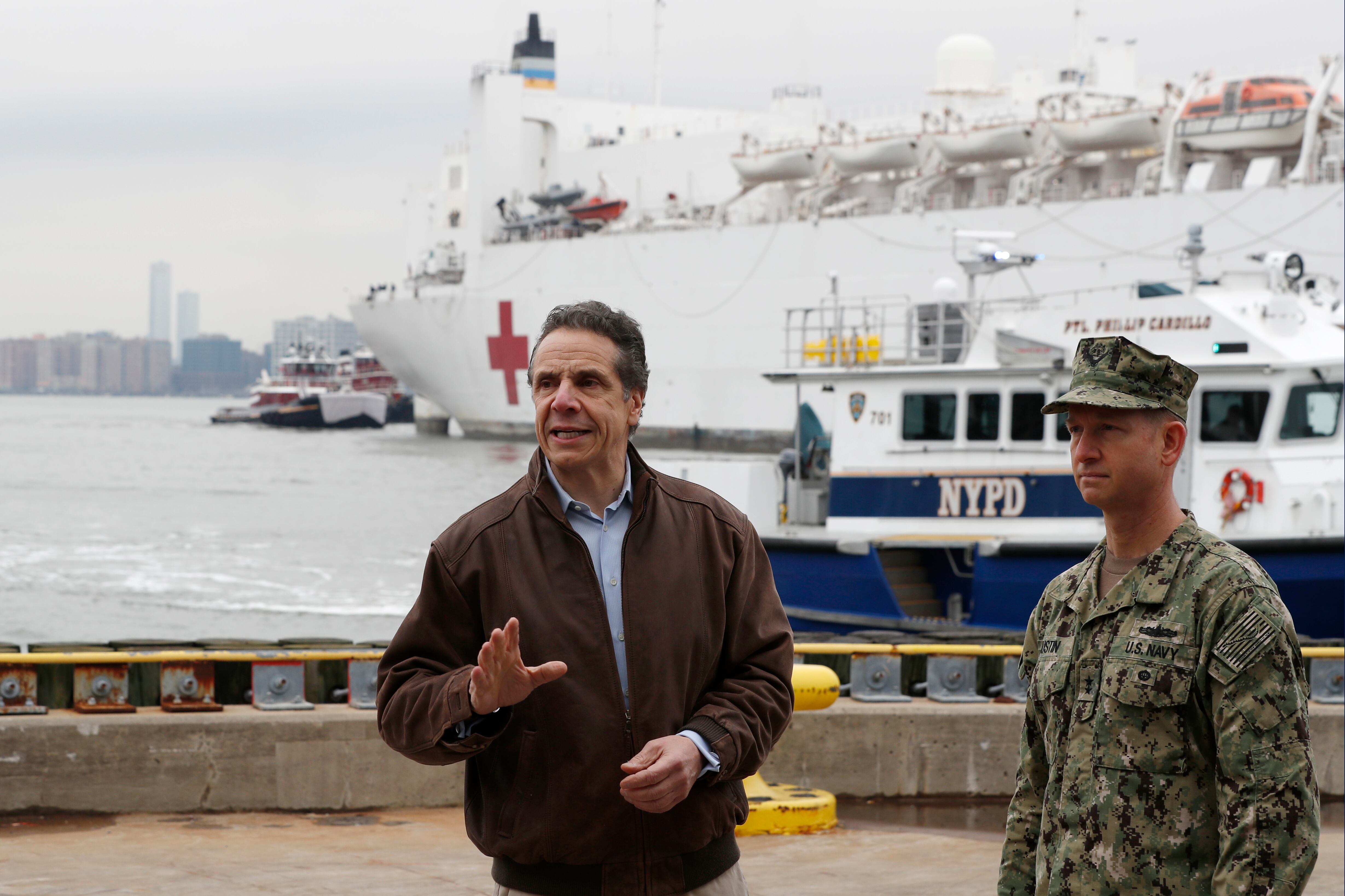
New York Gov. Andrew Cuomo on Monday asked President Donald Trump to transition the USNS Comfort, docked at New York City, to begin transitioning to treat coronavirus patients.
The Mercy-class hospital ship was originally set up to aid with the overflow of non-COVID patients, but those cases have fallen off amid the citywide shutdown.
Now the ship's crew is quickly preparing to transition the hospital to serve as a field hospital for coronavirus patients, similar to the operation underway at the Javits Convention Center.
Indeed, the two federally run hospitals plan to coordinate their work to take advantage of their respective strengths and weaknesses.
"We're going to balance the levels of care required between the two stations," Joseph O'Brien, commodore of the Comfort's COVID response in New York City, told Cheddar.
Patients who are convalescing from coronavirus will likely go to the Javits Center, while more difficult cases will be funneled into the Comfort.
"We're taking some of the higher-complexity cases on board, due to the fact that we have a fully staffed hospital," O'Brien said.
The crew is currently working to reconfigure the ship so that it can accommodate coronavirus patients, which involves cutting the capacity in half from 1,000 to 500 beds.
This is necessary to create space so that more transmissions don't take place on the ship, O'Brien said.
One crew member of the Comfort so far has tested positive for coronavirus.
O'Brien said the entire crew was screened, not tested, five days before disembarking for New York City. Add in nine days at sea, and that almost meets the window of self-isolation. But, he said "that's the difference between screening and testing."
"Even though we did everything right. We were ahead of the curve. We were really stringent in our preps," he said. "That's what happens when you don't obey the order to stay inside."
The U.S. Department of Agriculture announced a nearly $11 billion investment on Tuesday to help bring affordable clean energy to rural communities throughout the country.
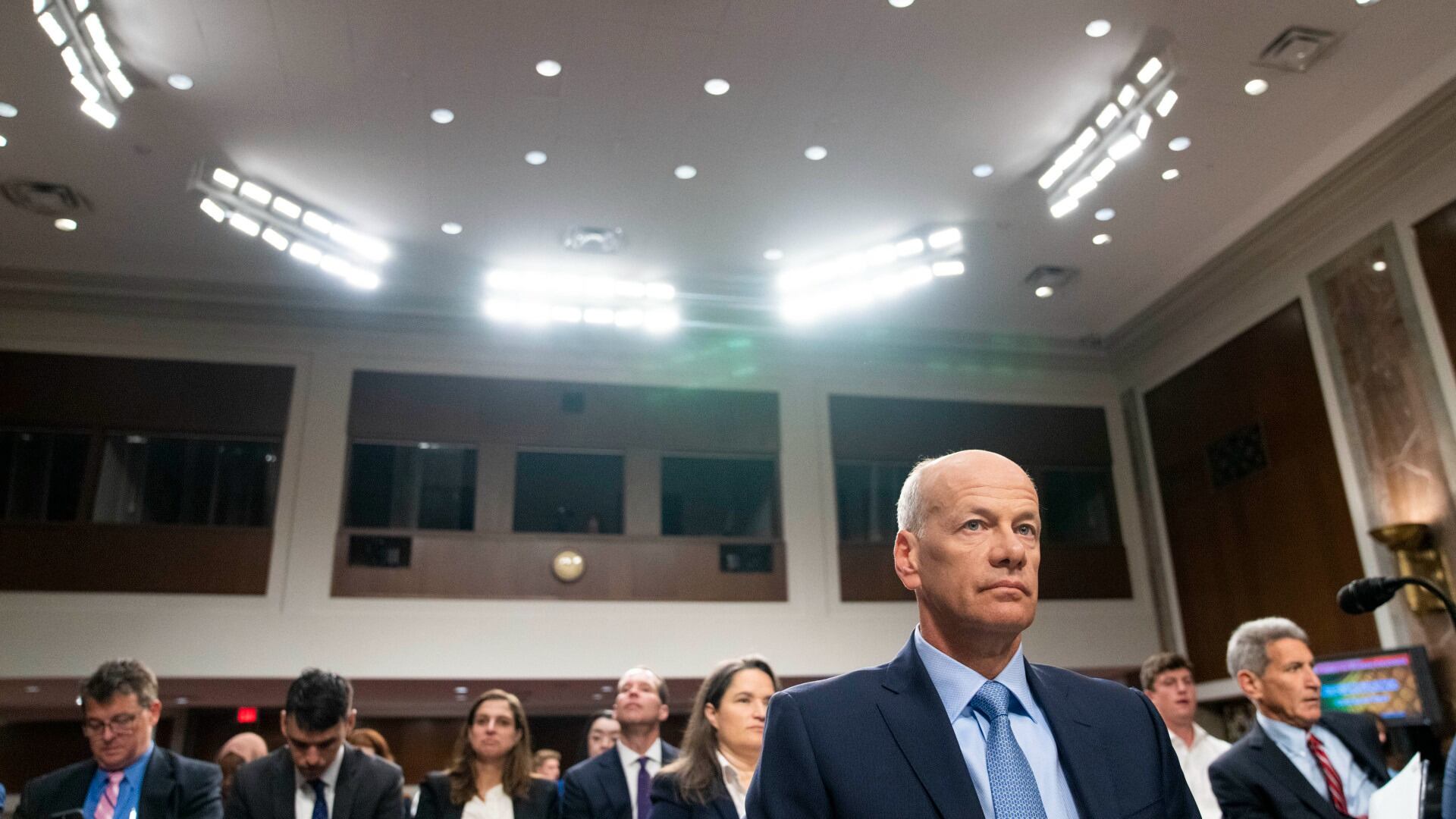
Top executives at Silicon Valley Bank and Signature Bank largely avoided taking responsibility for their banks’ dramatic failures at a Senate hearing Tuesday.
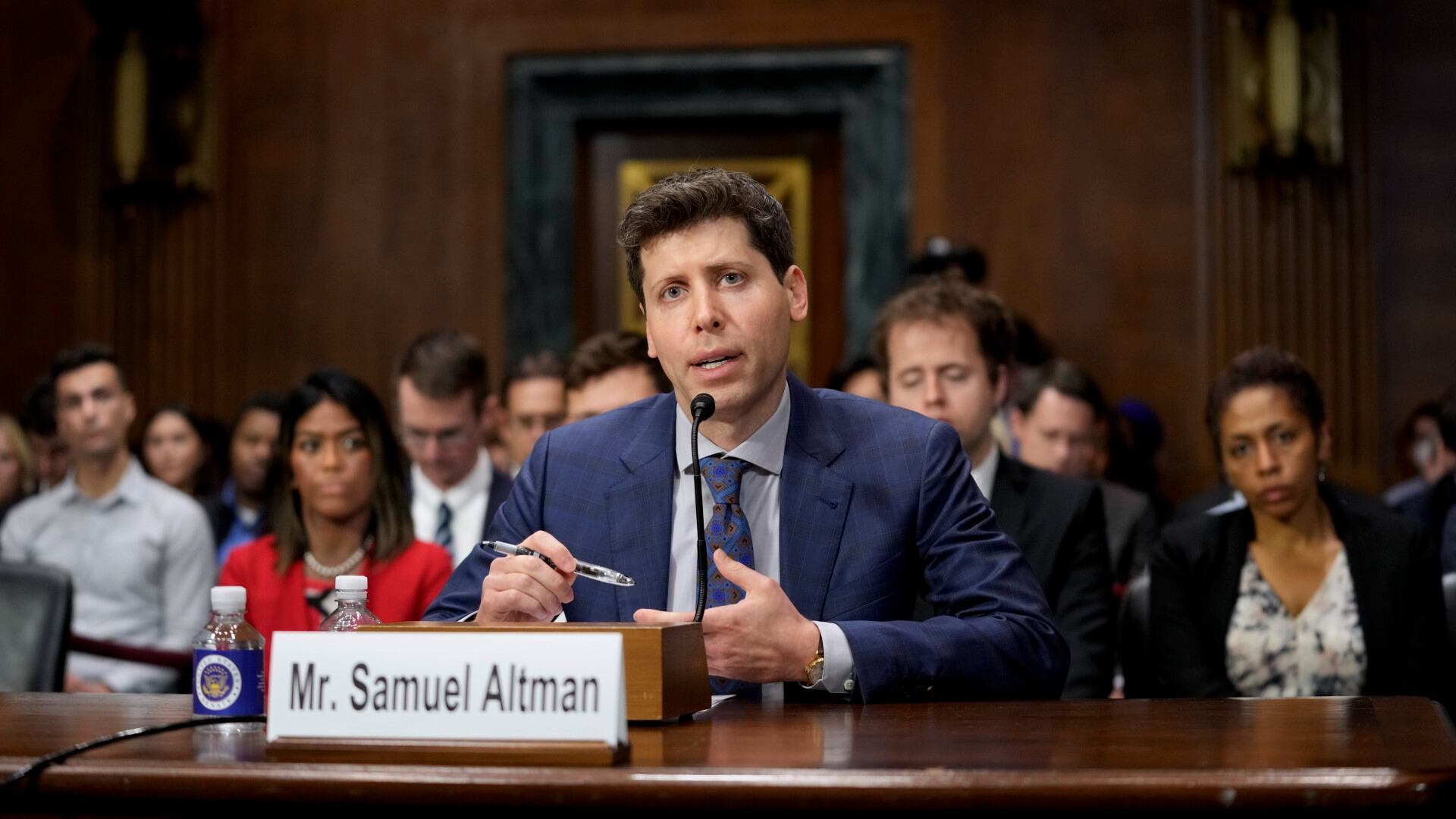
The head of the artificial intelligence company that makes ChatGPT will testify before Congress as lawmakers call for new rules to guide the rapid development of AI technology.
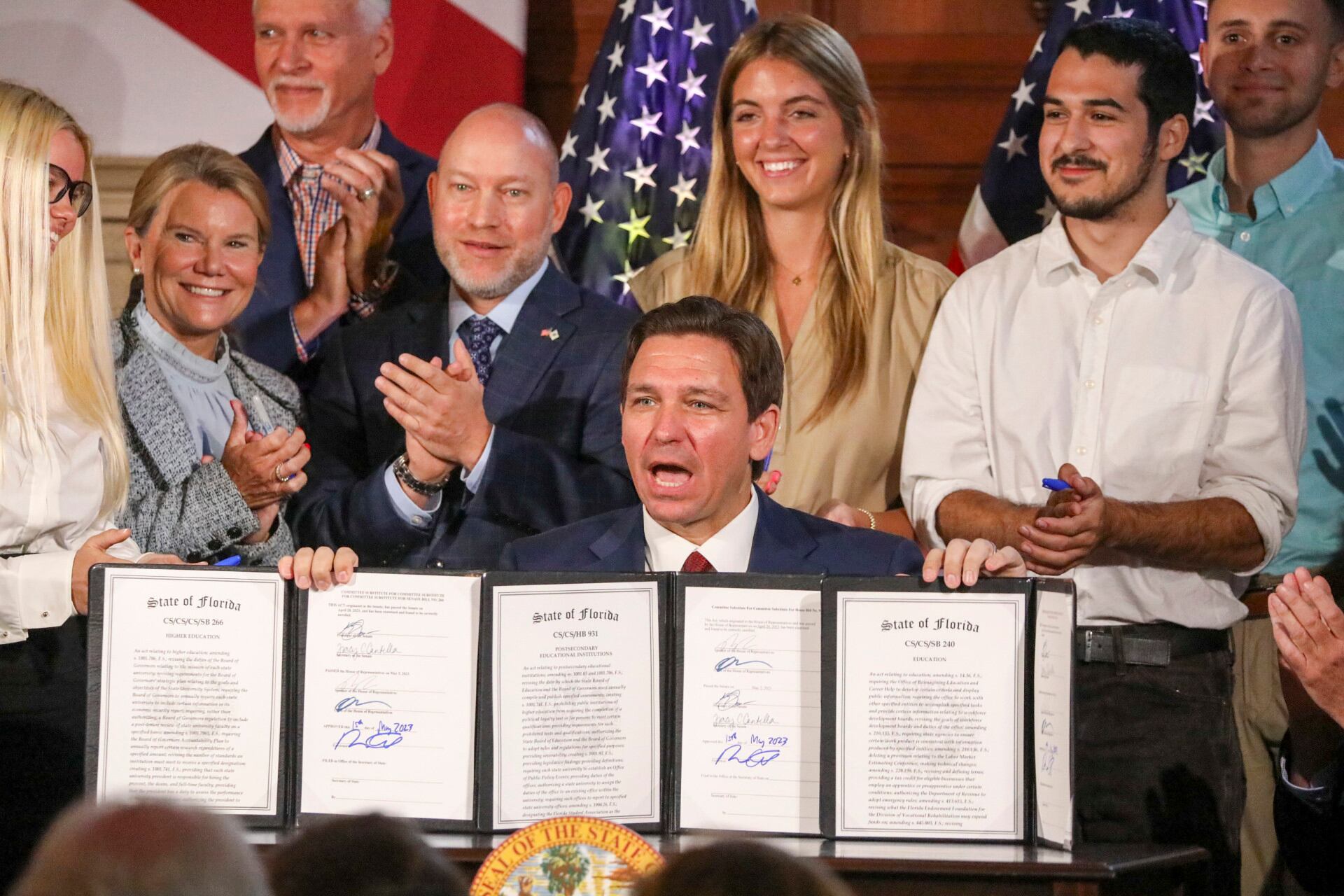
Florida Gov. Ron DeSantis on Monday signed a bill that blocks public colleges from using federal or state funding on diversity programs, addressing a concern of conservatives ahead of the Republican governor's expected presidential candidacy.
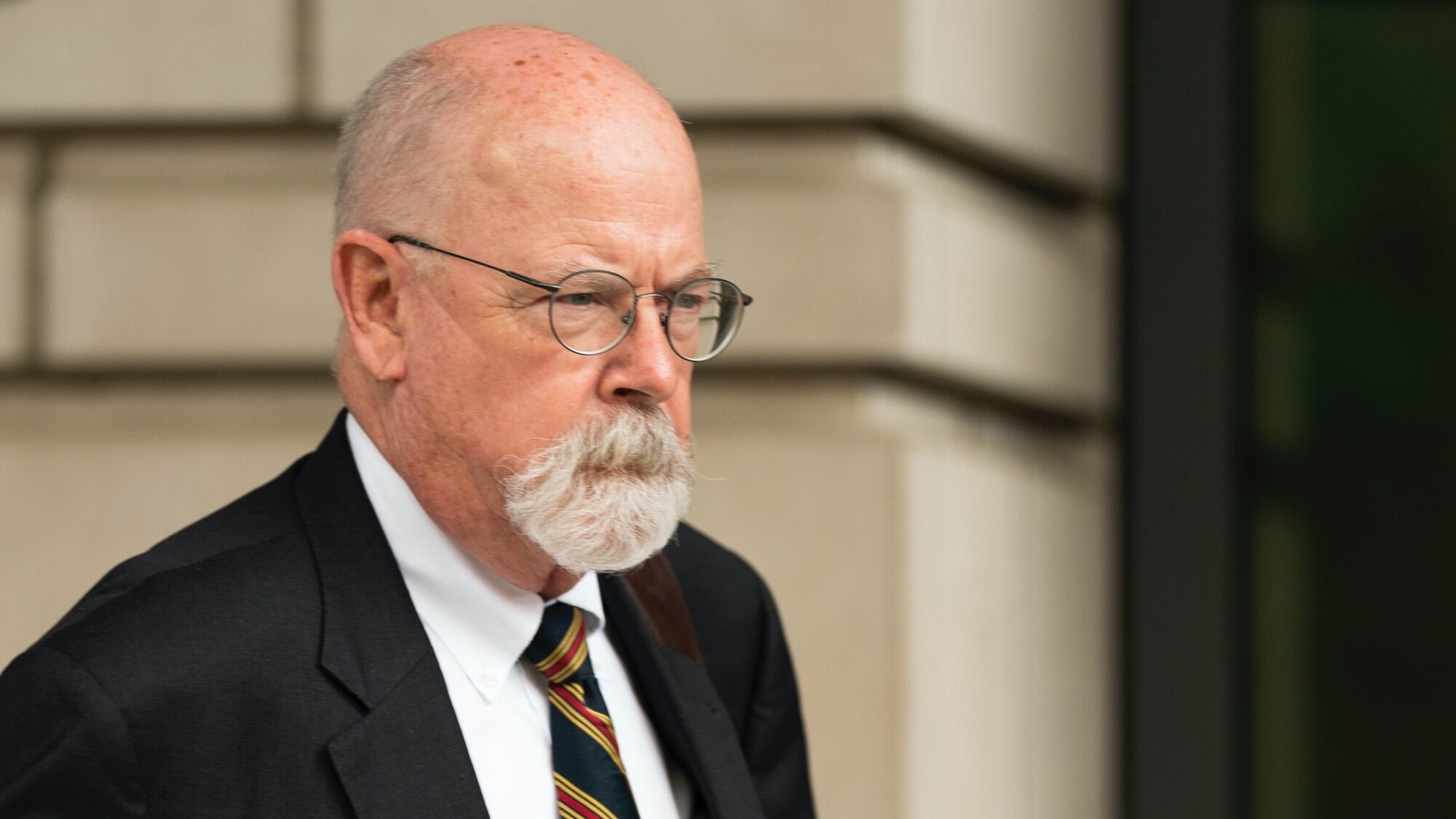
A special prosecutor found that the FBI rushed into its investigation of ties between Russia and Donald Trump's 2016 campaign and relied too much on raw and unconfirmed intelligence as he concluded a four-year probe that fell far short of the former president's prediction that the “crime of the century" would be uncovered.
North Carolina Gov. Roy Cooper vetoed a bill passed by state lawmakers that would ban most abortions after 12 weeks.
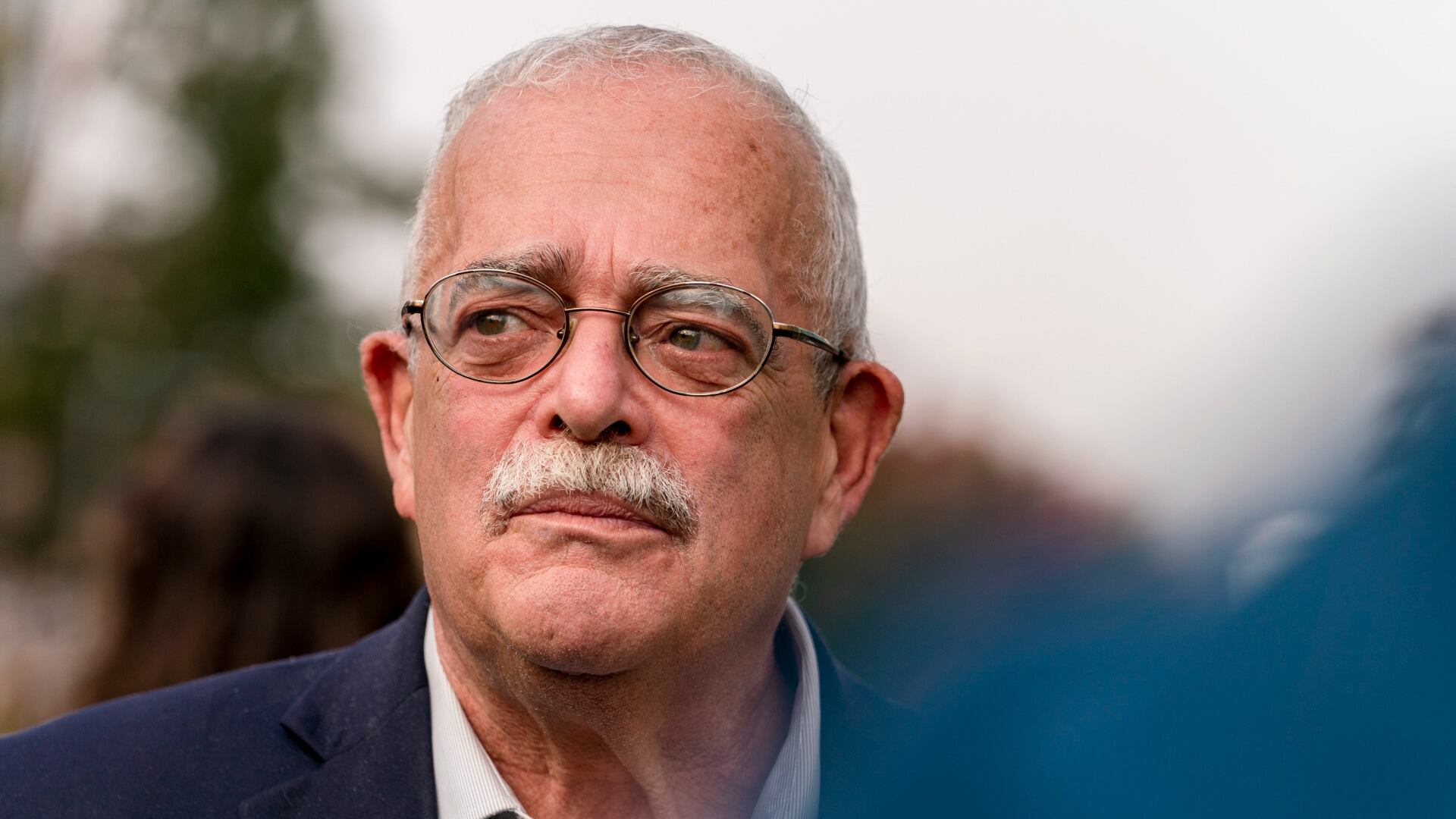
U.S. Rep. Gerry Connolly of Virginia says a man with a baseball bat walked into his Fairfax office, asked for him, and then assaulted two members of his staff.
Thanks to recent advances in artificial intelligence, tools that can create lifelike photos, video and audio are now cheap and readily available.
In front of an exuberant crowd, North Carolina’s Democratic governor vetoed legislation Saturday that would have banned nearly all abortions in his state after 12 weeks of pregnancy.
Turkey’s presidential elections appeared to be heading toward a second-round runoff on Monday, with President Recep Tayyip Erdogan, who has ruled his country with a firm grip for 20 years, leading over his chief challenger, but falling short of the votes needed for an outright win.