The U.S. Department of Agriculture is proposing a new rule to narrow what products qualify for a "Product of USA” or “Made in the USA” label. Now only meat, poultry and egg products from animals "born, raised, slaughtered, and processed in the United States" will make the grade.
Right now, companies can put that label on meat from animals that were raised in a foreign country but slaughtered in the U.S., or meat that was butchered in a different country but repackaged here.
The agency said the change delivers on President Joe Biden's executive order to promote American products and producers, and another order from the administration calling for government action to increase competition in the meat and poultry supply chain.
“American consumers expect that when they buy a meat product at the grocery store, the claims they see on the label mean what they say,” said Agriculture Secretary Tom Vilsack in a press release. “These proposed changes are intended to provide consumers with accurate information to make informed purchasing decisions."
However, the label will continue to be voluntary, and producers still won't need approval by the USDA's Food Safety and Inspection Service (FSIS). Companies just need to keep supporting documentation on file for an inspector to verify at their discretion.
Skift airline reporter Meghna Maharishi breaks down how the government shutdown is hitting air traffic control—and what it means for travelers and flight safety
Aya Kantorovich, Co-CEO of August Digital, breaks down Bitcoin’s surge, crypto ETFs, institutional investment trends, and the future of safer crypto access.
Most members of the Federal Reserve’s interest-rate setting committee supported further reductions to its key interest rate this year, minutes from last month’s meeting showed.
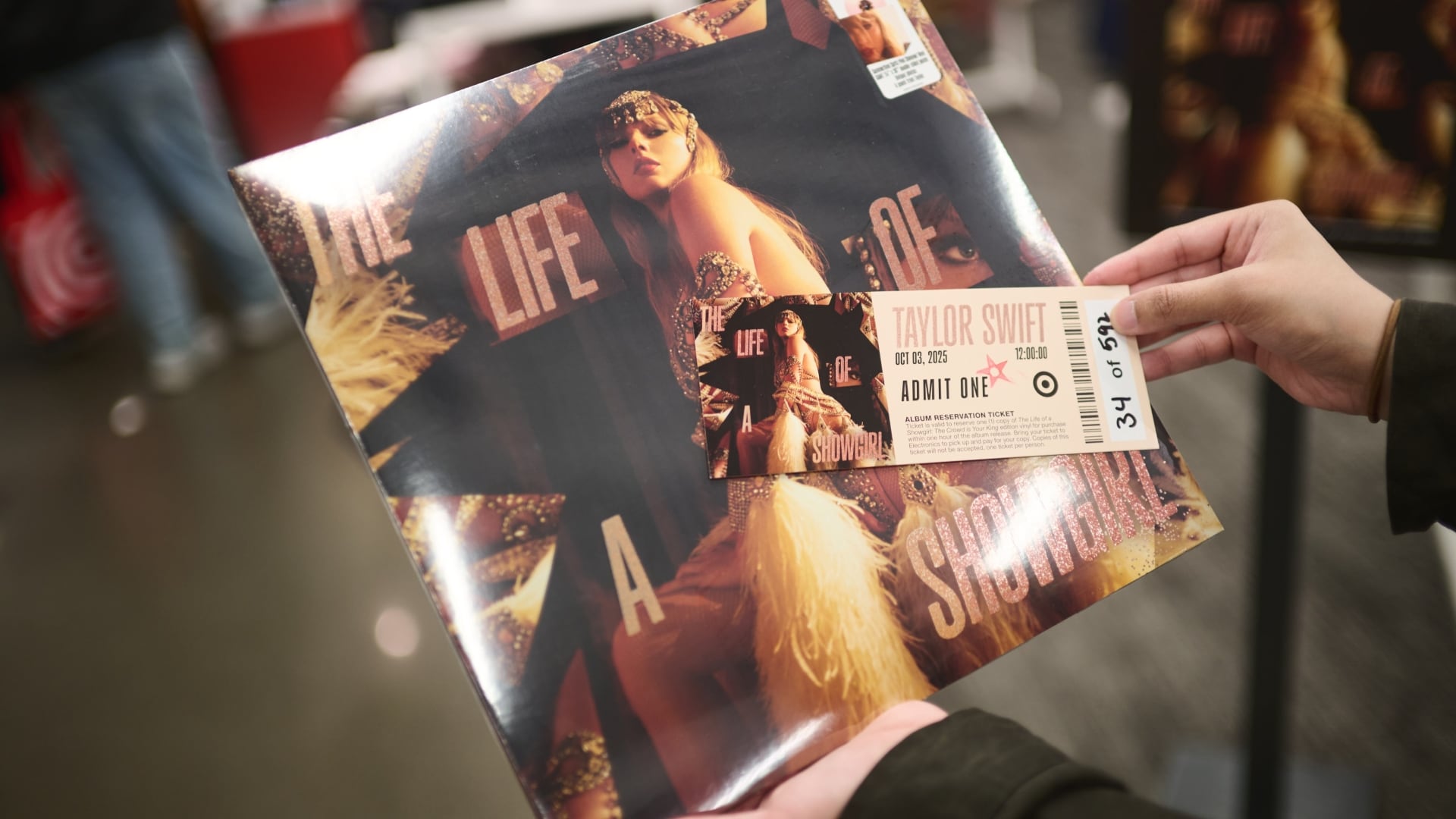
Sinead O’Sullivan breaks down Taylor Swift’s genius marketing for The Life of a Showgirl, which just set the record for most albums sold in a single week.
Markets are emerging from a turbulent Q3. Horizon’s Mike Dickson shares insights on interest rates, small caps, and where investors should look in Q4 and beyond