Americans spent more last month on clothing, electronics and dining out as the economy opened up and there were fewer pandemic-related restrictions.
U.S. retail sales rose a seasonal adjusted 0.6% in June from the month before, the U.S. Commerce Department said Friday. The increase was a surprise to Wall Street analysts, who had expected sales to fall slightly last month.
Retail sales growth has slowed since March, when stimulus checks sent to most Americans helped boost spending. And as Americans get vaccinated, they have spent less on goods and more on hotels, haircuts and other services, which are not included in Friday's report.
The increase last month could be due to higher prices, said Paul Ashworth, chief U.S. economist for consulting firm Capital Economics.
Americans are paying more for food, gas and other goods, with prices jumping last month by the most in 13 years.
Sales at bars and restaurants rose 2.3%, according to Friday's report. Clothing store sales rose by 2.6%, and sales at electronic shops were up 3.3%.
YouTube will offer creators a way to rejoin the streaming platform if they were banned for violating COVID-19 and election misinformation policies that are no longer in effect.
Lukas Alpert of MarketWatch explores how networks, brands, and ad buyers absorb the shockwaves when late‑night show hosts are suddenly cut — and brought back.
A new poll finds U.S. adults are more likely than they were a year ago to think immigrants in the country legally benefit the economy. That comes as President Donald Trump's administration imposes new restrictions targeting legal pathways into the country. The Associated Press-NORC Center for Public Affairs Research survey finds Americans are more likely than they were in March 2024 to say it’s a “major benefit” that people who come to the U.S. legally contribute to the economy and help American companies get the expertise of skilled workers. At the same time, perceptions of illegal immigration haven’t shifted meaningfully. Americans still see fewer benefits from people who come to the U.S. illegally.
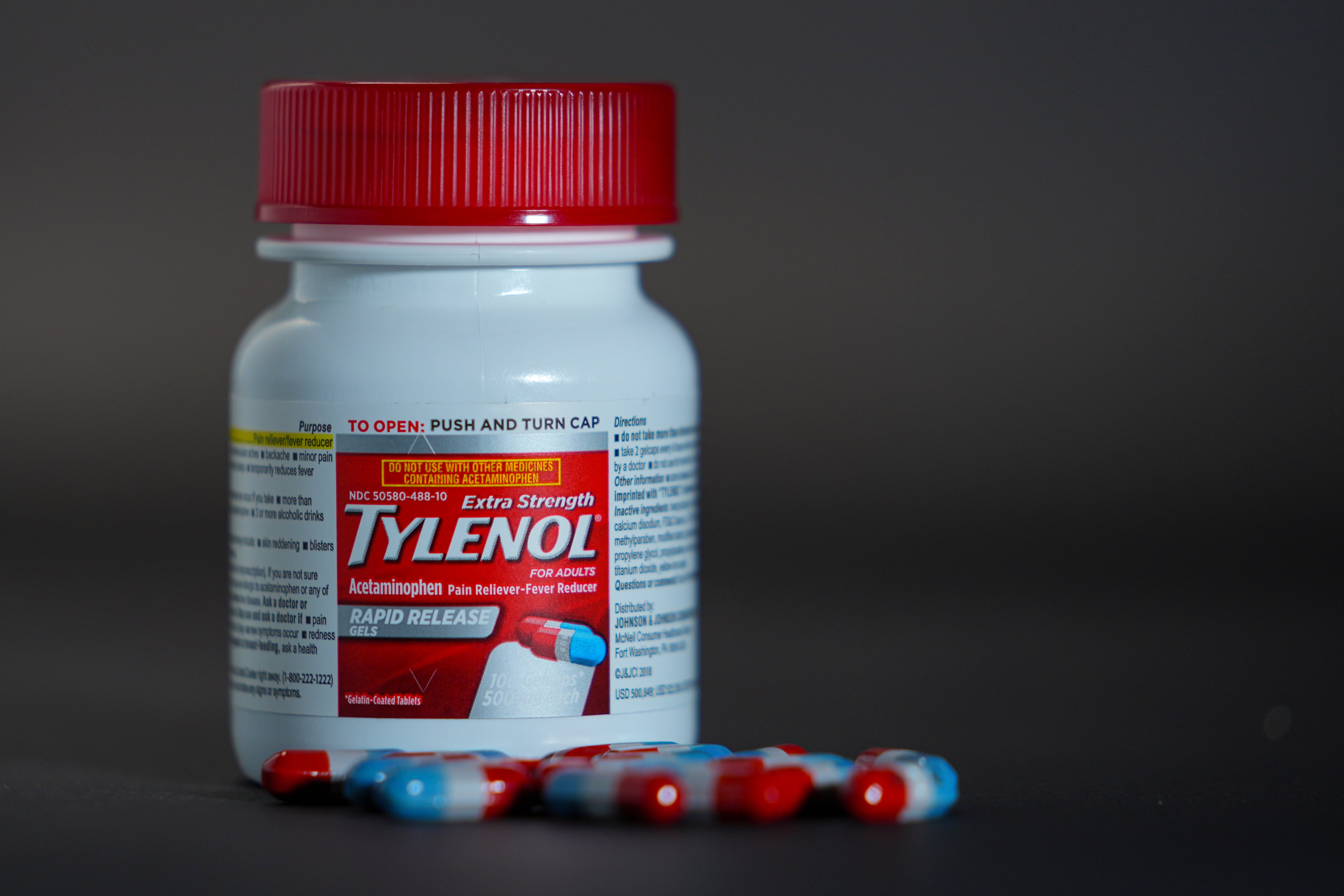
Shares of Tylenol maker Kenvue are bouncing back sharply before the opening bell a day after President Donald Trump promoted unproven and in some cases discredited ties between Tylenol, vaccines and autism. Trump told pregnant women not to use the painkiller around a dozen times during the White House news conference Monday. The drugmaker tumbled 7.5%. Shares have regained most of those losses early Tuesday in premarket trading.