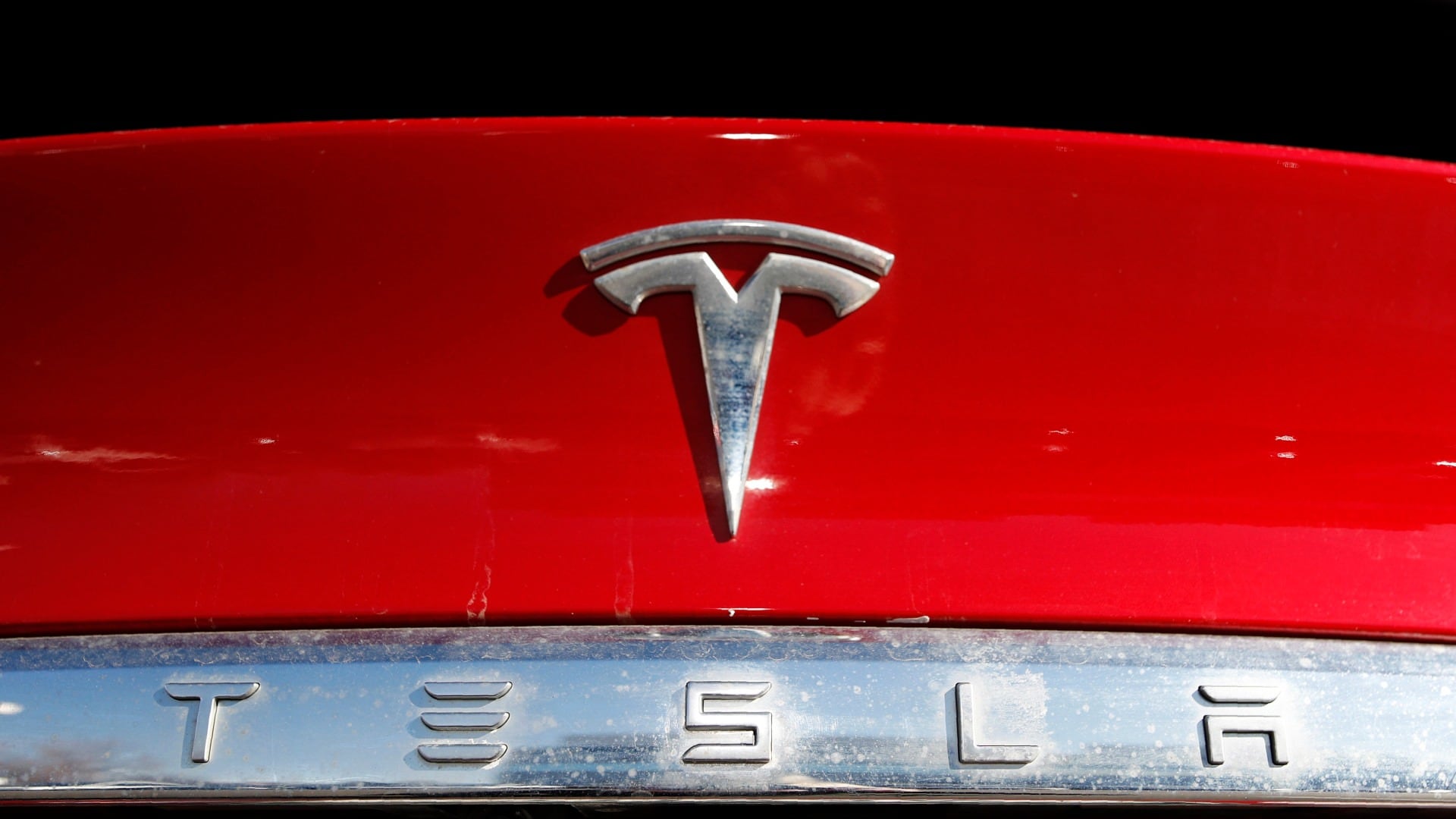
DETROIT (AP) — Tesla is allowing some drivers to use its Autopilot driver-assist system for extended periods without making them put their hands on the steering wheel, a development that has drawn concern from U.S. safety regulators.
The National Highway Traffic Safety Administration has ordered Tesla to tell the agency how many vehicles have received a software update making that possible and it's seeking more information on what the electric vehicle maker's plans are for wider distribution.
“NHTSA is concerned that this feature was introduced to consumer vehicles, and now that the existence of this feature is known to the public, more drivers may attempt to activate it,” John Donaldson, the agency's acting chief counsel, wrote in a July 26 letter to Tesla that was posted on the agency's website. “The resulting relaxation of controls designed to ensure that the driver remain engaged in the dynamic driving task could lead to greater driver inattention and failure of the driver to properly supervise Autopilot.”
A message was left early Wednesday seeking comment from Tesla. “If you haven't tried Tesla Autopilot, you don't know how awesome it is,” Musk wrote Wednesday on X, formerly Twitter.
The government has been investigating Autopilot for crashing into emergency vehicles parked on freeways, as well as hitting motorcycles and crossing tractor-trailers. It opened a formal probe in 2021 and since 2016 has sent investigators to 35 Tesla crashes that may involve partially automated driving systems. At least 17 people have died.
Tesla says Autopilot and a more sophisticated “Full Self-Driving” system cannot drive themselves and that drivers must be ready to intervene at all times. Autopilot generally can keep a car in its lane and a distance away from objects in front of it.
The special order tells Tesla to describe differences in the software update that reduces or eliminates instances where Autopilot tells drivers to apply pressure on the steering wheel, “including the amount of time that Autopilot is allowed to operate without prompting torque, and any warnings or chimes that are presented to the driver.”
The letter to Tesla Senior Legal Director Dinna Eskin orders the Austin, Texas, company to say why it installed the software update and how it justifies which consumers got it.
It also seeks reports of crashes and near misses involving vehicles with the software update. “Your response should include any plans to enable the subject software in consumer vehicles within the next calendar year,” Donaldson wrote in the letter.
A Tesla officer has to respond to the letter under oath by Aug. 25 or the agency will refer the matter to the Justice Department, which can seek a maximum penalty of more than $131 million.
Tesla’s system of monitoring drivers has been criticized by safety advocates and the National Transportation Safety Board for letting drivers check out when Autopilot is operating.
After investigating three crashes involving Autopilot, the NTSB recommended in 2017 that Tesla and five other automakers limit where the partially automated systems can be used to limited-access divided highways, and to bolster their systems that monitor drivers.
All of the automakers but Tesla responded. In 2021 NTSB Chairwoman Jennifer Homendy wrote a letter to Tesla CEO Elon Musk calling on him to act on the recommendations. The NTSB said Musk never responded.
The NTSB investigates crashes but has no regulatory authority. It can only make recommendations to automakers or other federal agencies such as NHTSA.
Most other automakers use an infrared camera to make sure a driver is paying attention. Some Teslas lately have been equipped with cameras that watch drivers.
Jake Fisher, who heads auto testing for Consumer Reports, said Tesla may have activated the cameras to monitor drivers, and that may be the reason for relaxing the steering wheel notifications.
But during its last test of Autopilot in 2022, the cameras didn't do anything, and older Teslas aren't equipped with the cameras, Fisher said. However, the cameras did monitor drivers when using “Full Self-Driving,” Fisher said.
Cameras, he said, are better at ensuring that drivers pay attention than steering wheel monitors.
Tesla owners refer to alerts about hands on the steering wheel as “nags.”
When Autopilot was first introduced in 2015, it warned drivers to pay attention if it didn't feel torque on the steering wheel for about three minutes, Fisher said. Later that was reduced to 30 seconds, but it changes between software updates, he said. “It always seems to be jumping around,” he said.
Consumer Reports also has found that it's easy to bypass Tesla's steering wheel monitoring system.
Earlier this month NHTSA sent investigators to a crash in Virginia in which a Tesla apparently on Autopilot ran underneath a tractor-trailer, killing the driver.