NEW YORK (AP) — Deaths of pregnant women in the U.S. fell in 2022, dropping significantly from a six-decade high during the pandemic, new data suggests.
More than 1,200 U.S. women died in 2021 during pregnancy or shortly after childbirth, according to a final tally released Thursday by the Centers for Disease Control and Prevention. In 2022, there were 733 maternal deaths, according to preliminary agency data, though the final number is likely to be higher.
Officials say the 2022 maternal death rate is on track to get close to pre-pandemic levels. But that's not great: The rate before COVID-19 was the highest it had been in decades.
“From the worst to the near worst? I wouldn’t exactly call that an accomplishment,” said Omari Maynard, a New Yorker whose partner died after childbirth in 2019.
The CDC counts women who die while pregnant, during childbirth and up to 42 days after birth. Excessive bleeding, blood vessel blockages and infections are leading causes.
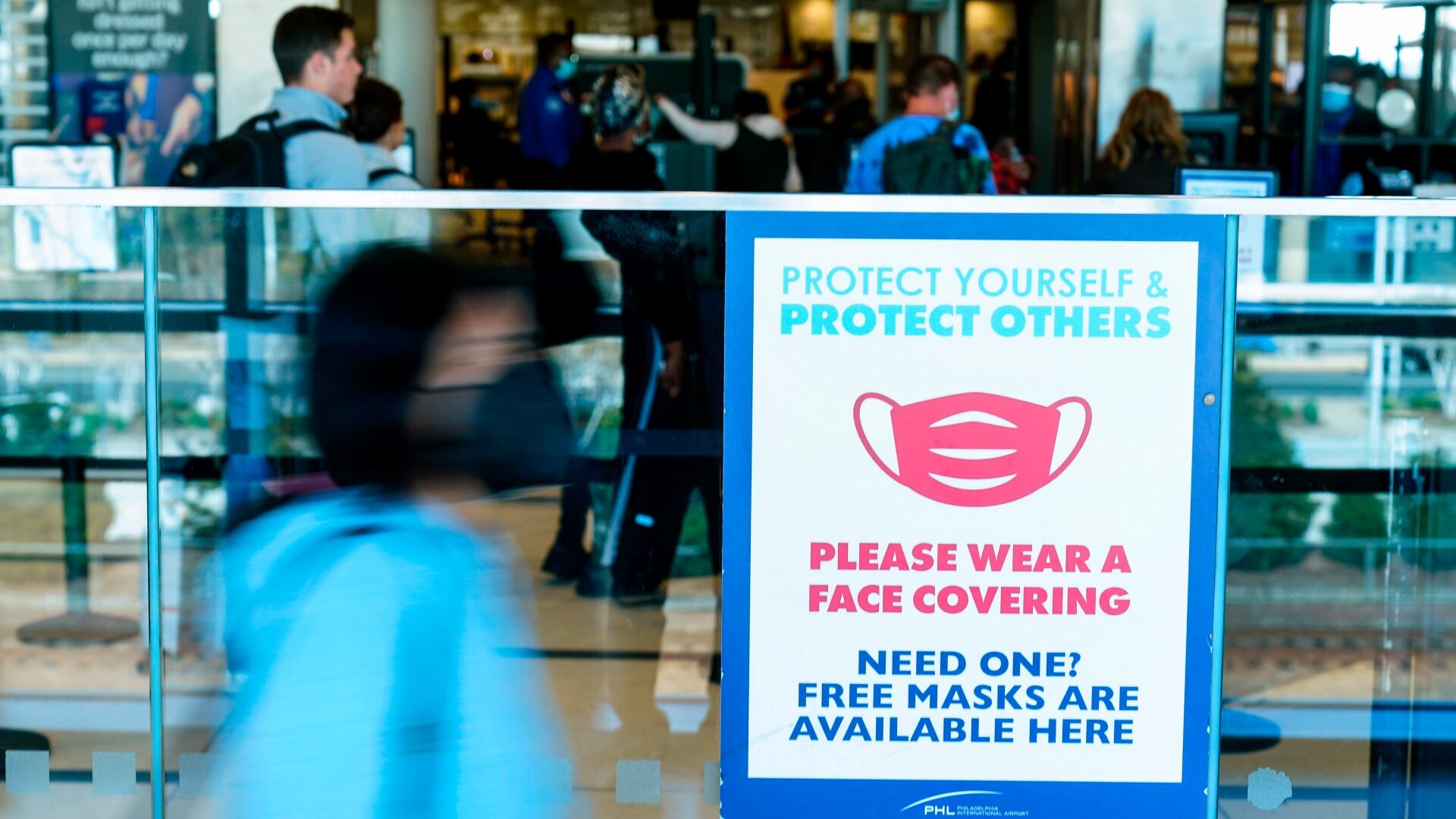
COVID-19 can be particularly dangerous to pregnant women, and experts believe it was the main reason for the 2021 spike. Burned out physicians may have added to the risk by ignoring pregnant women's worries, some advocates said.
In 2021, there were about 33 maternal deaths for every 100,000 live births. The last time the government recorded a rate that high was 1964.
What happened “isn’t that hard to explain,” said Eugene Declercq, a long-time maternal mortality researcher at Boston University. “The surge was COVID-related.”
Previous government analyses concluded that one quarter of maternal deaths in 2020 and 2021 were COVID-related — meaning that the entire increase in maternal deaths was due to coronavirus infections or the pandemic's wider impact on health care. Pregnant women infected with the coronavirus were nearly 8 times as likely to die as their uninfected peers, according to a recent study published by BMJ Global Health.
The bodies of pregnant women are already under strain, their heart forced to pump harder. Other health problems can make their condition more fragile. And then on top of that, “COVID is going to make all that much worse,” said Dr. Elizabeth Cherot, chief medical and health officer for the March of Dimes.
It didn’t help that vaccination rates among pregnant women were disappointingly low in 2021 — particularly among Black women. Part of that was related to limited vaccine availability, and that the CDC did not fully recommend shots for pregnant women until August 2021.
“Initially there was a lot of mistrust of the vaccine in Black communities,” said Samantha Griffin, who owns a doula service that mainly serves families of color in the Washington, D.C., area.
But there's to more to it than that, she and others added. The 2021 maternal mortality rate for Black women was nearly three times higher than it was for white women. And the maternal death rate for Hispanic American women that year rose 54% compared with 2020, also surpassing the death rate for white moms.
More than a year into the pandemic, a lot of doctors and nurses were feeling burned out and they were getting less in-person time with patients.
Providers at the time "were needing to make snap decisions and maybe not listening to their patients as much,” Griffin said. “Women were saying that they thought something was wrong and they weren't being heard."
Maynard, who is 41 and lives in Brooklyn, said he and his partner experienced that in 2019.
Shamony Gibson, a healthy 30-year-old, was set to have their second child. The pregnancy was smooth until her contractions stopped progressing and she underwent a cesarean section.
The operation was more involved than expected but their son Khari was born in September. A few days later, Shamony began complaining of chest pains and shortness of breath, Maynard said. Doctors told her she just needed to relax and let her body rest from the pregnancy, he said.
More than a week after giving birth, her health worsened and she begged to go to the hospital. Then her heart stopped, and loved ones called for help. The initial focus for paramedics and firefighters was whether Gibson was taking illicit drugs, Maynard said, adding that she didn't.
She was hospitalized and died the next day of a blood clot in the lungs. Her son was 13 days old.
“She wasn’t being heard at all,” said Maynard, an artist who now does speaking engagements as a maternal health advocate.