A U.S. military fighter jet shot down an unknown object flying off the coast of Alaska on Friday on orders from President Joe Biden, White House officials said.
The object was flying at about 40,000 feet and posed a “reasonable threat” to the safety of civilian flights, said John Kirby, White House National Security Council spokesman. He described the object as roughly the size of a small car and said it was shot down near the U.S.-Canada border.
It was the second time in a week U.S. officials had downed some type of flying object over the U.S. On Saturday fighter jets fired a missile into a suspected Chinese spy balloon off the coast of South Carolina.
There were few answers about the object, and the White House drew distinctions between the two episodes. Kirby said it wasn't yet known who owned it, and he did not say it was a balloon. Officials also couldn't say if there was any surveillance equipment on it. Kirby didn't know yet where it came from or what its purpose was.
Still, it posed enough of a concern that U.S. officials felt it best to knock it out of the sky.
“We’re going to remain vigilant about our airspace," Kirby said. "The president takes his obligations to protect our national security interests as paramount."
Kirby said fighter pilots visually examining the object ascertained it was not manned. The president was briefed on the presence of the object Thursday evening after two fighter jets surveilled it.
The object fell into frigid waters and officials expected they could recover debris faster than from last week's massive balloon.
The development came almost a week after the U.S. shot down a suspected Chinese spy balloon off the Carolina coast after it traversed sensitive military sites across North America. China insisted the flyover was an accident involving a civilian craft and threatened repercussions.
Biden issued the order but had wanted the balloon downed even earlier. He was advised that the best time for the operation would be when it was over water. Military officials determined that bringing it down over land from an altitude of 60,000 feet would pose an undue risk to people on the ground.
China responded that it reserved the right to “take further actions” and criticized the U.S. for “an obvious overreaction and a serious violation of international practice.”
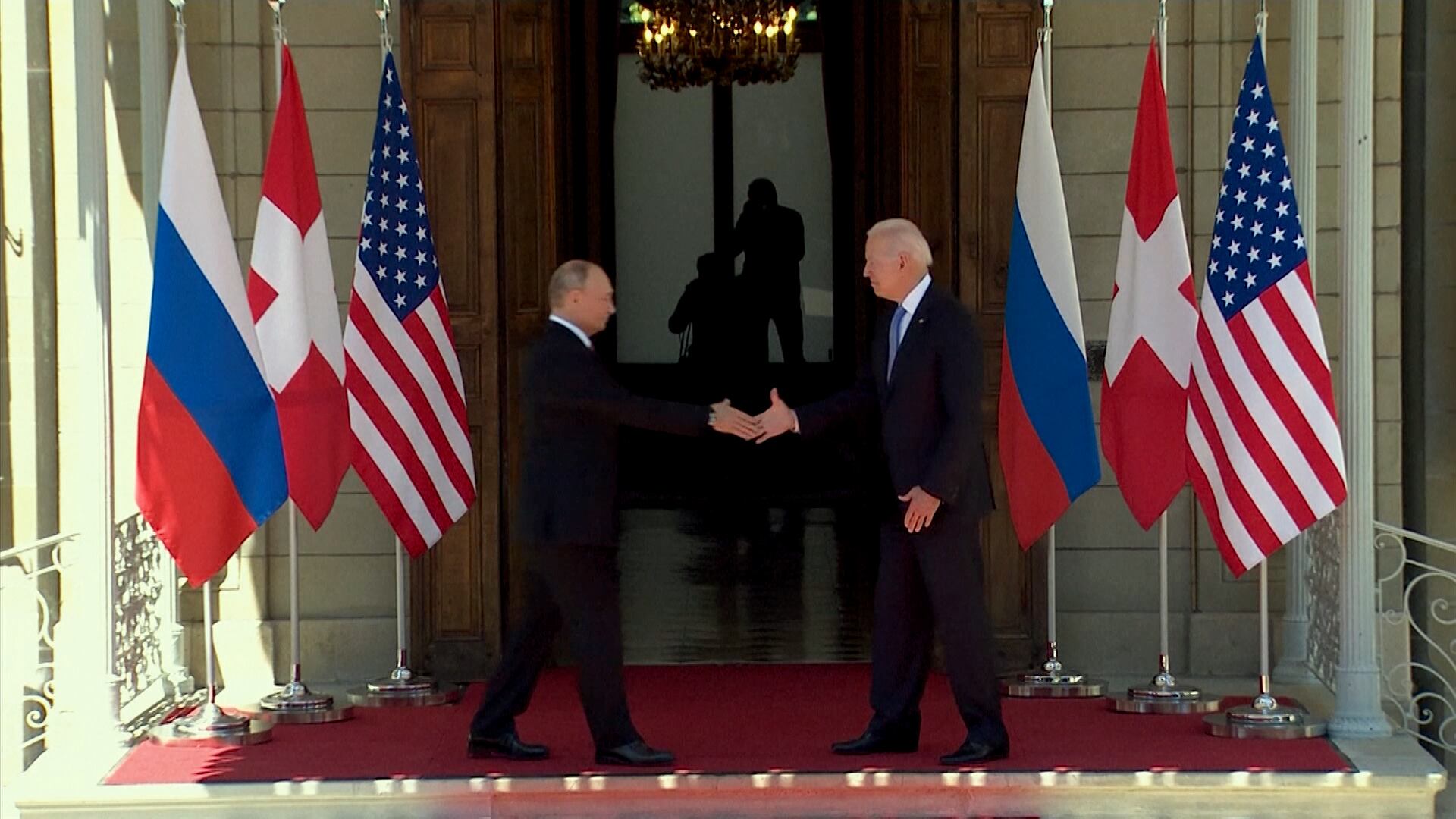
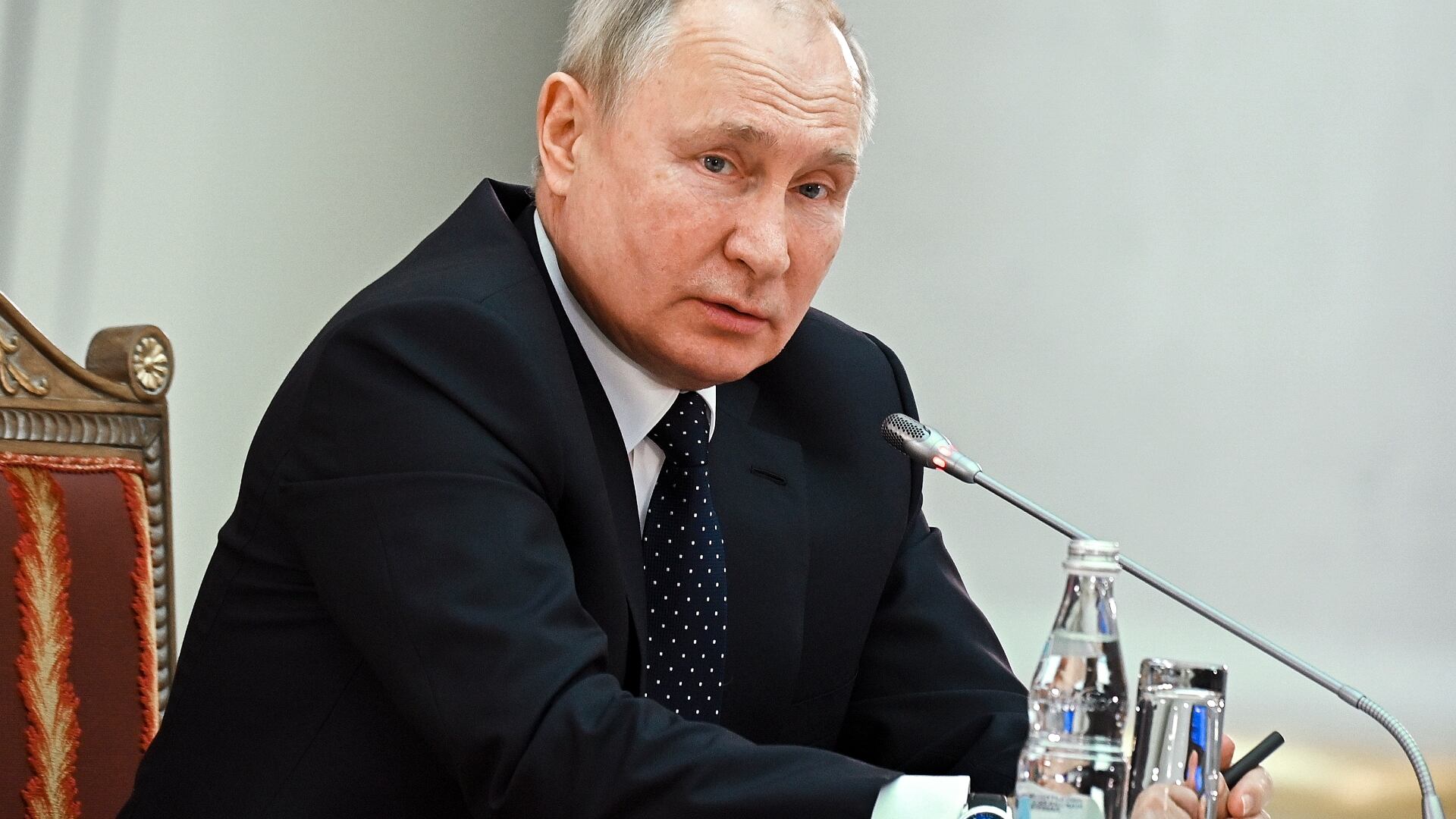
Matt Hayden, vice president of govtech solutions at Exiger and a former assistant secretary of cyber at Department of Homeland Security, joined Cheddar to discuss the surprise phone call initiated by Russian President Vladimir Putin to President Joe Biden, ahead of January security talks about the rising tensions over Ukraine. "We're hoping to hear that we're able to talk about the aggression and the leadup of the Ukrainian militarization," Hayden said. "But we're also looking to hear is how the Kremlin leveraged their talking points to try to test their negotiation stance with the United States leading into this January 10th meeting."
The No Surprises Act begins implementation on January 1, 2022. The legislation is meant to curb the practice of unexpected billing for care from providers the patient was unaware were out-of-network from their insurance. Patricia Kelmar, director of health care campaigns for U.S. PIRG joined Cheddar to describe the hundreds, sometimes thousands, of dollars charged to unsuspecting patients and how things will change under the new law. "If we are picking an in-network doctor and an in-network hospital, we should not see those added costs from anesthesiologists, radiologists, scrub-in surgeons," she said. "The other area it protects you is in air ambulances — not ground ambulances, unfortunately — but the helicopters or the airplanes you might need to transport you in an emergency situation."
President Joe Biden and Russian President Vladmir Putin are expected to have another conversation surrounding escalating tensions between Russia and Ukraine. Ariel Cohen, senior fellow at the Atlantic Council, joined Cheddar's Ken Buffa to discuss the ongoing tensions and why Putin's request for a conversation with Biden comes now. "This is very serious. This is the worst security crisis we had since the collapse of the Soviet Union," Cohen told Cheddar.
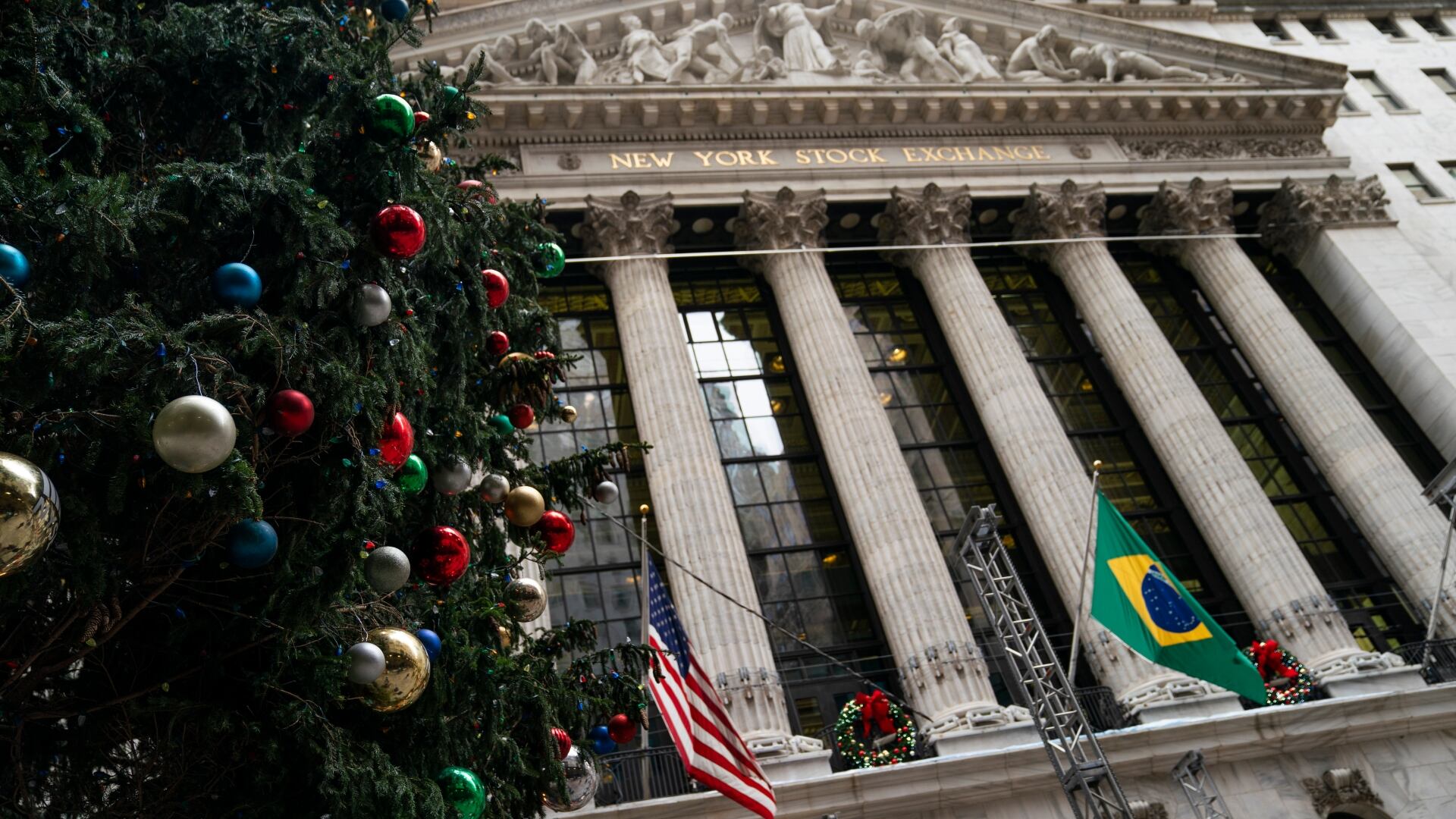
Stocks closed mixed on Wednesday, but two indexes - the Dow and the S&P 500 - ended the session with a new record. Akshata Bailkeri, Equity Analyst at Bruderman Asset Management, joins Cheddar News' Closing Bell, where she says there is a consensus for robust consumer spreading in 2022, especially as the Omicron variant is proving to be milder than other COVID-19 strains.
John Quelch, Dean of Miami Herbert Business School, joins Cheddar News' Closing Bell, where he says the retail giant is acting in accordance to President Biden's new law banning goods from China's Xinjiang region. Quelch also elaborates on the importance of China in Walmart's overall strategy.