A U.S. military fighter jet shot down an unknown object flying off the coast of Alaska on Friday on orders from President Joe Biden, White House officials said.
The object was flying at about 40,000 feet and posed a “reasonable threat” to the safety of civilian flights, said John Kirby, White House National Security Council spokesman. He described the object as roughly the size of a small car and said it was shot down near the U.S.-Canada border.
It was the second time in a week U.S. officials had downed some type of flying object over the U.S. On Saturday fighter jets fired a missile into a suspected Chinese spy balloon off the coast of South Carolina.
There were few answers about the object, and the White House drew distinctions between the two episodes. Kirby said it wasn't yet known who owned it, and he did not say it was a balloon. Officials also couldn't say if there was any surveillance equipment on it. Kirby didn't know yet where it came from or what its purpose was.
Still, it posed enough of a concern that U.S. officials felt it best to knock it out of the sky.
“We’re going to remain vigilant about our airspace," Kirby said. "The president takes his obligations to protect our national security interests as paramount."
Kirby said fighter pilots visually examining the object ascertained it was not manned. The president was briefed on the presence of the object Thursday evening after two fighter jets surveilled it.
The object fell into frigid waters and officials expected they could recover debris faster than from last week's massive balloon.
The development came almost a week after the U.S. shot down a suspected Chinese spy balloon off the Carolina coast after it traversed sensitive military sites across North America. China insisted the flyover was an accident involving a civilian craft and threatened repercussions.
Biden issued the order but had wanted the balloon downed even earlier. He was advised that the best time for the operation would be when it was over water. Military officials determined that bringing it down over land from an altitude of 60,000 feet would pose an undue risk to people on the ground.
China responded that it reserved the right to “take further actions” and criticized the U.S. for “an obvious overreaction and a serious violation of international practice.”
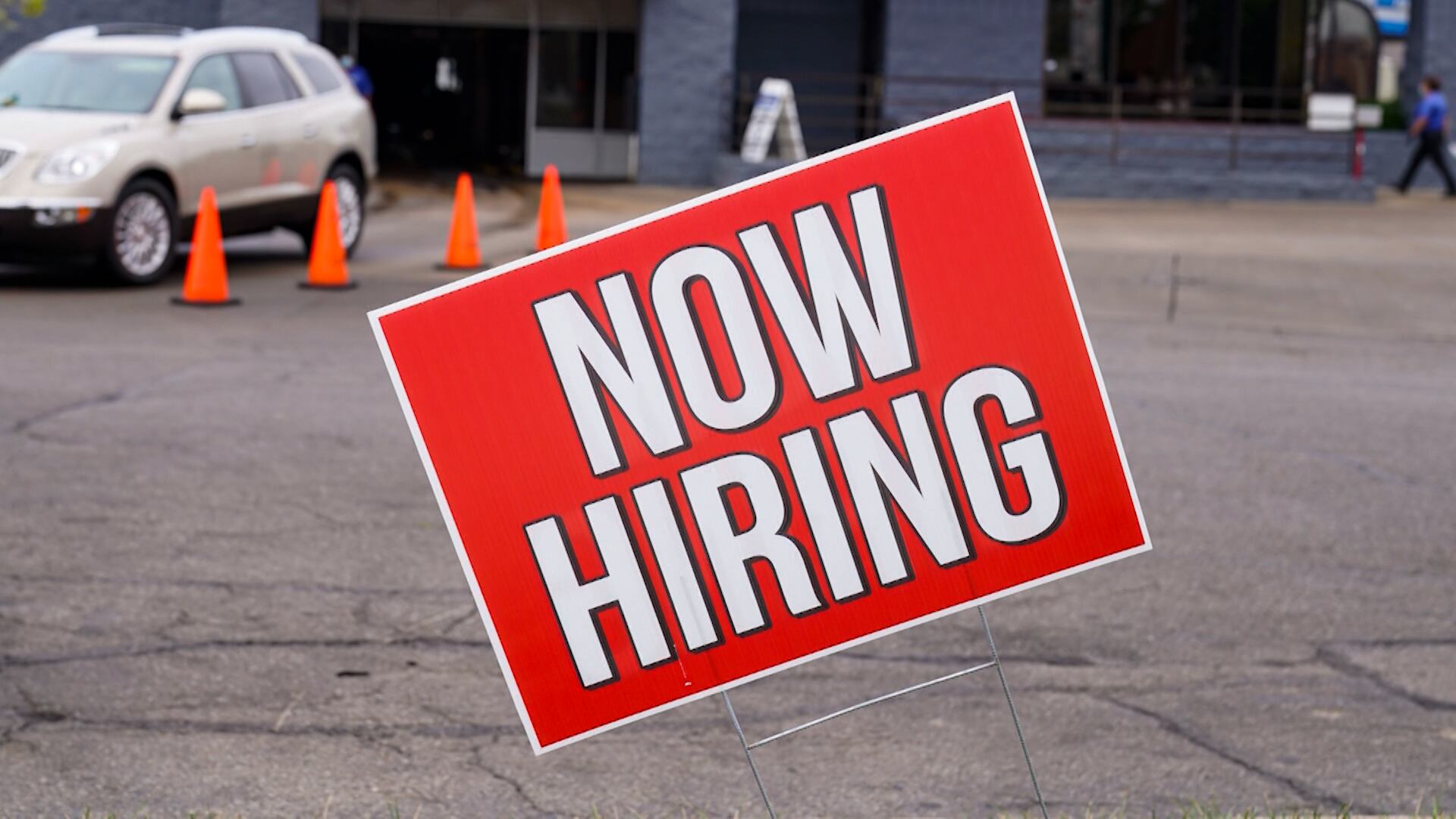
Following the surprising big beat on estimates for the January jobs report, William M. Rodgers III, vice president and director of the Institute for Economic Equity at the Federal Reserve Bank of St. Louis, joined Cheddar News to break down the data. “We ended 2021 with a strong crescendo to a recovery that had taken hold, and we started 2022 in good fashion." He also discussed the dueling pressures of wage growth and inflation.
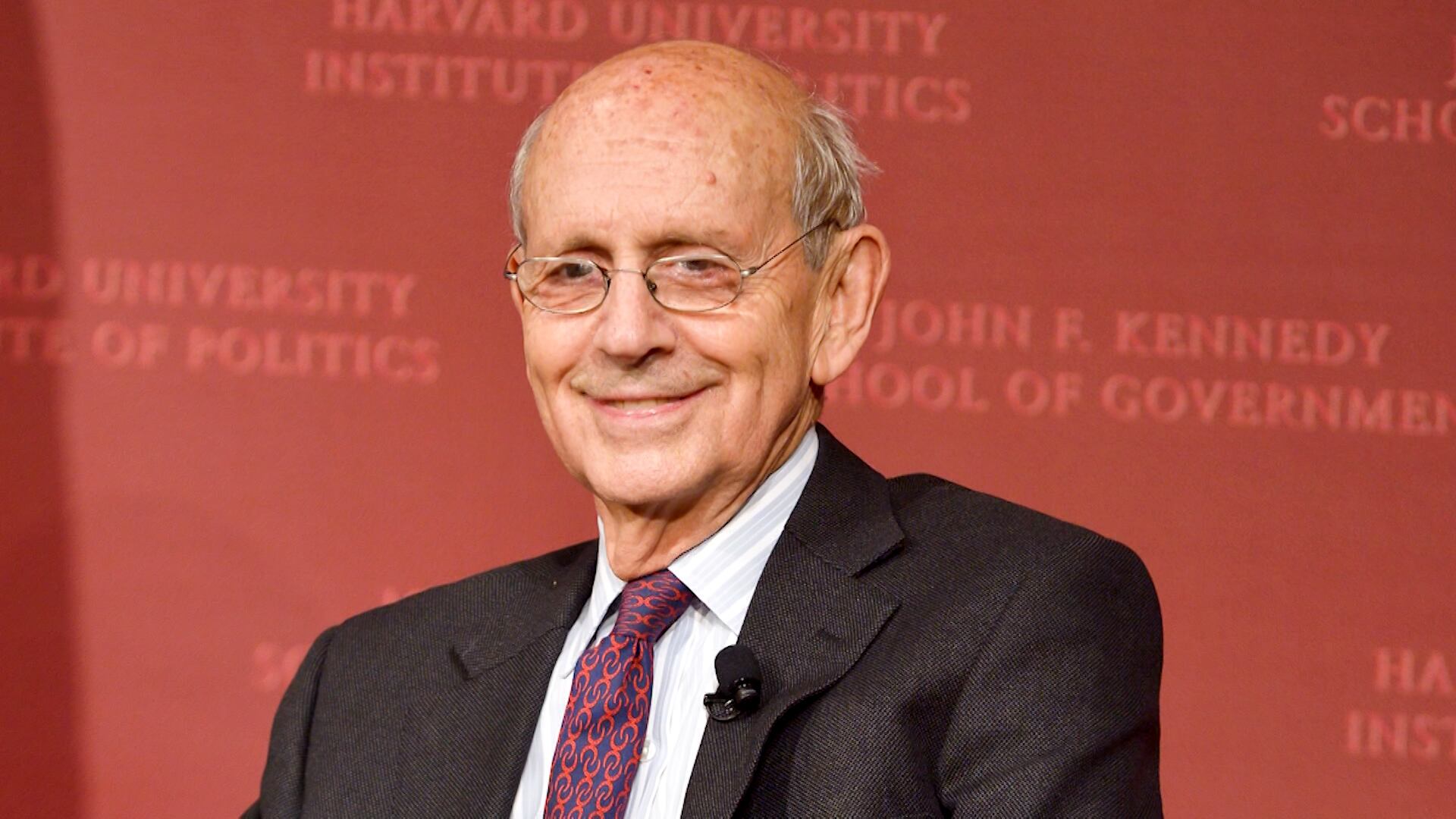
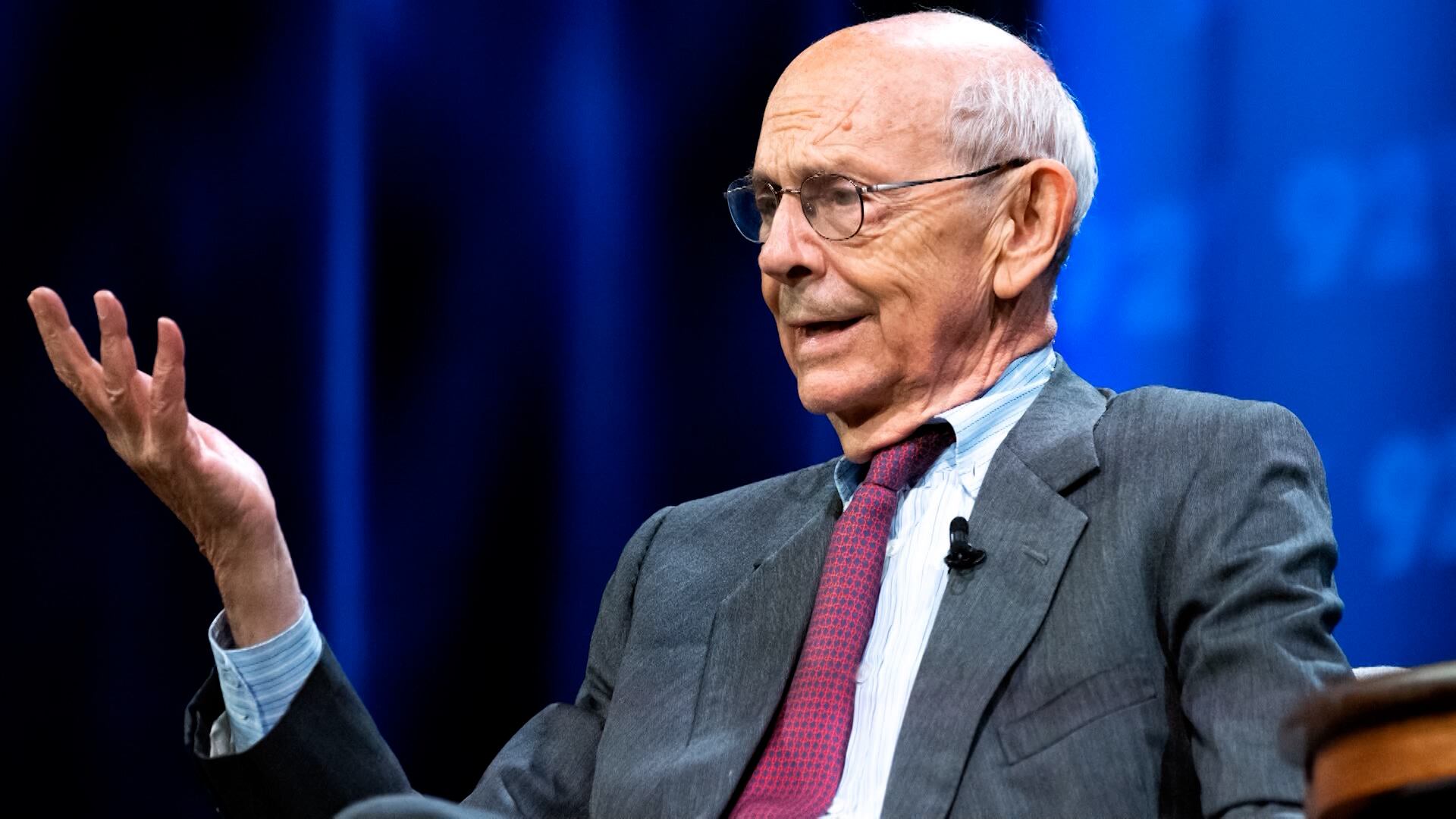
Jessica Mason Pieklo, senior vice president and executive editor of the Rewired News Group and co-host of the podcast. "Boom! Lawyered," joins Cheddar Politics to discuss Justice Stephen Breyer's retirement, legacy and potential replacement on the Supreme Court.
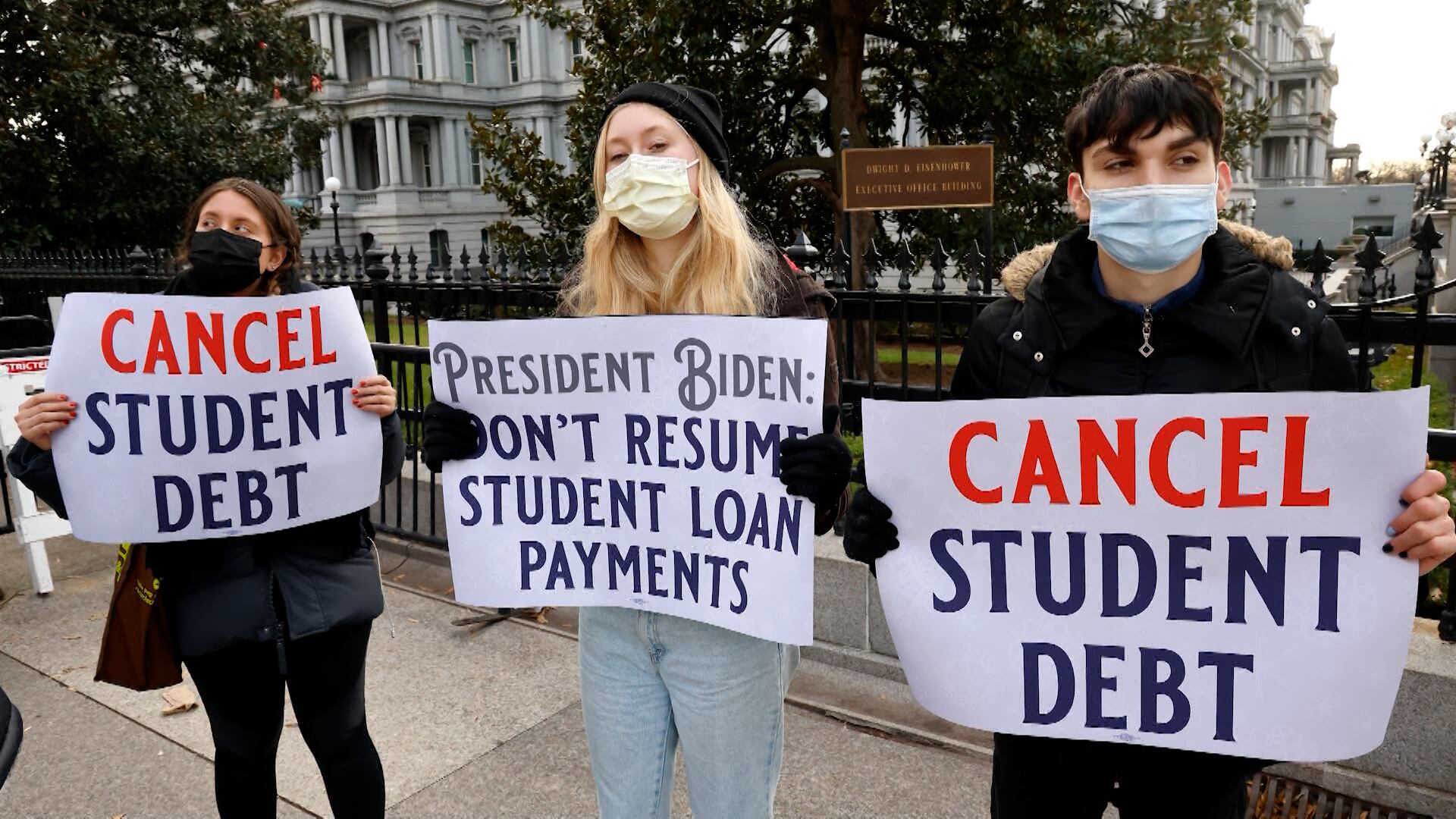
The Biden administration delivered a temporary win for student loan borrowers this year by extending the moratorium on federal payments for a few more months. That moratorium is coming to an end on May 1st and borrowers will again have their monthly loan payment plopped in their lap.
Stephanie Vanderslice, a creative writing professor paying off debt through the Parent Plus program, and Mike Pierce, executive director of the Student Borrower Protection Center, join Cheddar Politics to discuss.
2022 was already going to be a big year for the Supreme Court. We have decisions on major issues like abortion and gun rights on the way. Then, Justice Stephen Breyer announced his retirement and that set up a major confirmation fight for later this year. Amy Howe, co-founder of SCOTUSblog, joins Cheddar Politics to discuss.
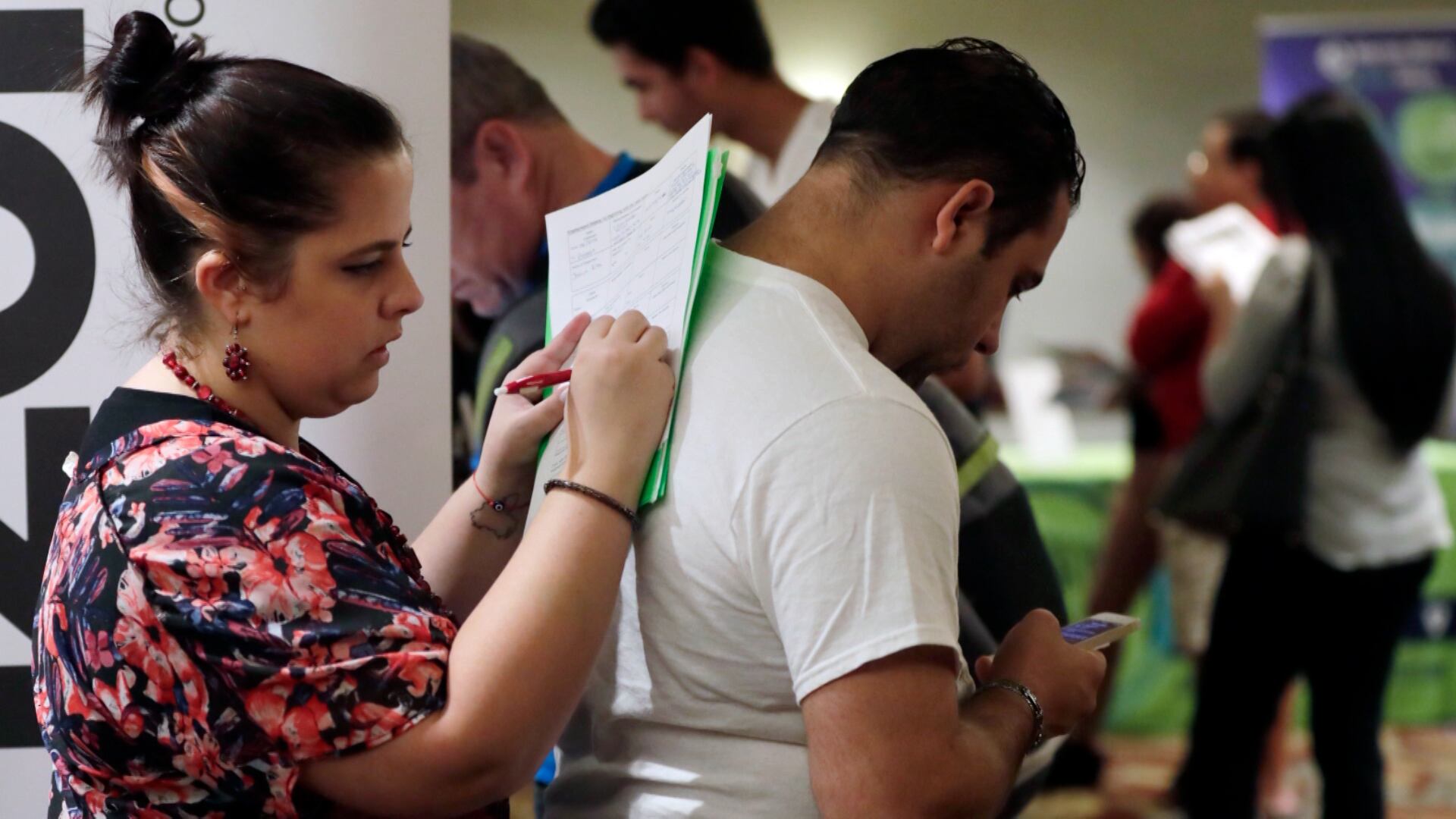
The Labor Department released a better-than-expected report of 467,000 jobs added in January. Heather Boushey, Council of Economic Advisers Member for President Biden, joined Cheddar to tout the administration's handling of the economy amid the pandemic and the upward revisions for the previous month. "It also shows that, because of the revisions, the economy was stronger over the past couple of months," she said. "I don't think that this can be said enough, but economic forecasting during an historic pandemic is extremely difficult." Boushey also addressed issues involving wage growth versus the rapid rise of inflation.
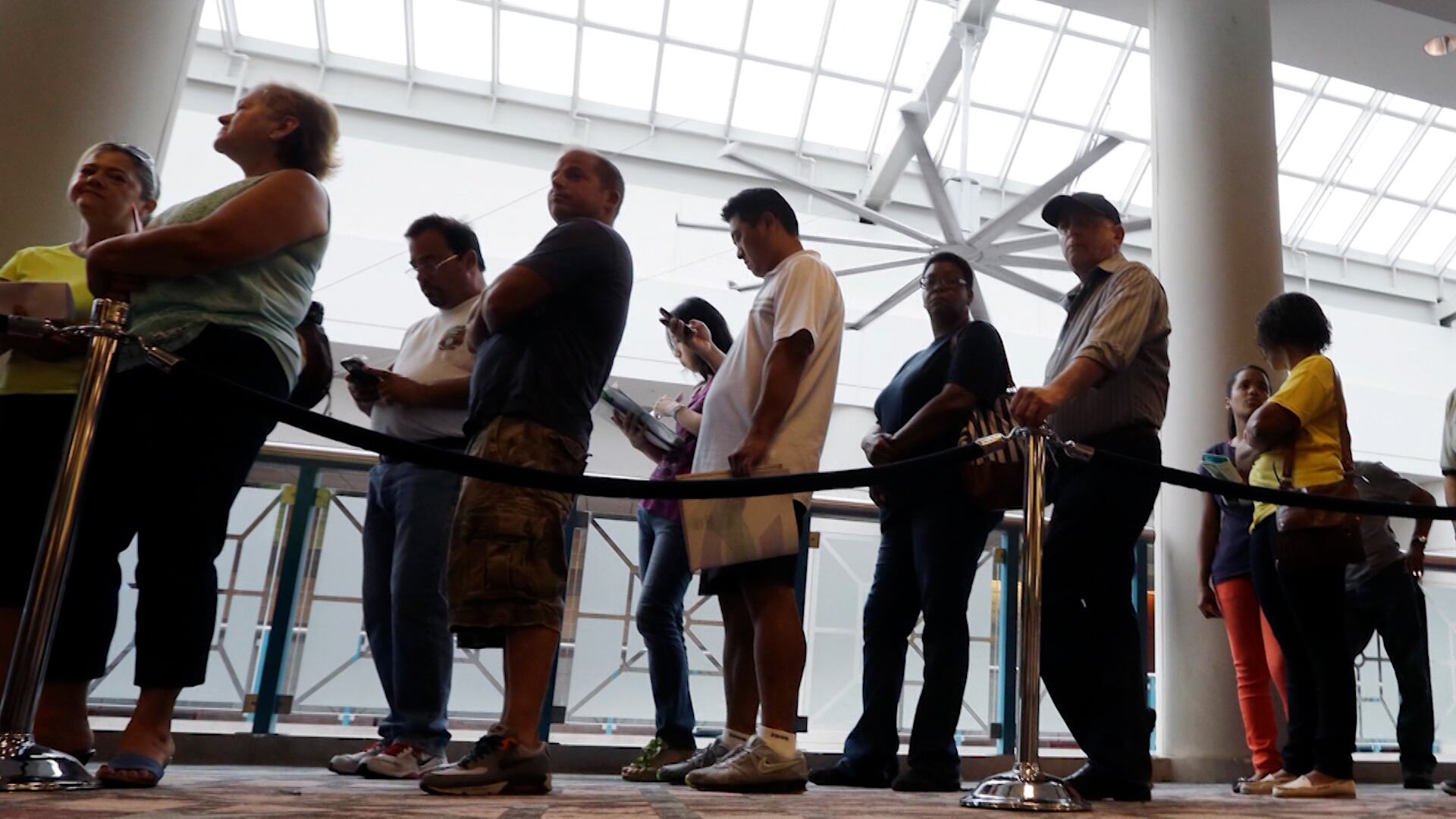
The Labor Department's January jobs report showed 467,000 jobs were added, compared to the 150,000 that were projected, a sign that employment is continuign to return to pre-pandemic levels. Lindsey Piegza, chief economist at investment bank Stifel, joined Cheddar to break down the report, noting the big gains but adding a note of caution. "Remember, even with this morning's stellar report, we're still millions below that level that we had reached prior to the onset of COVID-19," she said." Yes, we are recapturing jobs. We still have further ground that needs to be made before we can talk about reaching that previous peak." Piegza also discussed the role of the Federal Reserve going forward as the employment figures turn more positive.
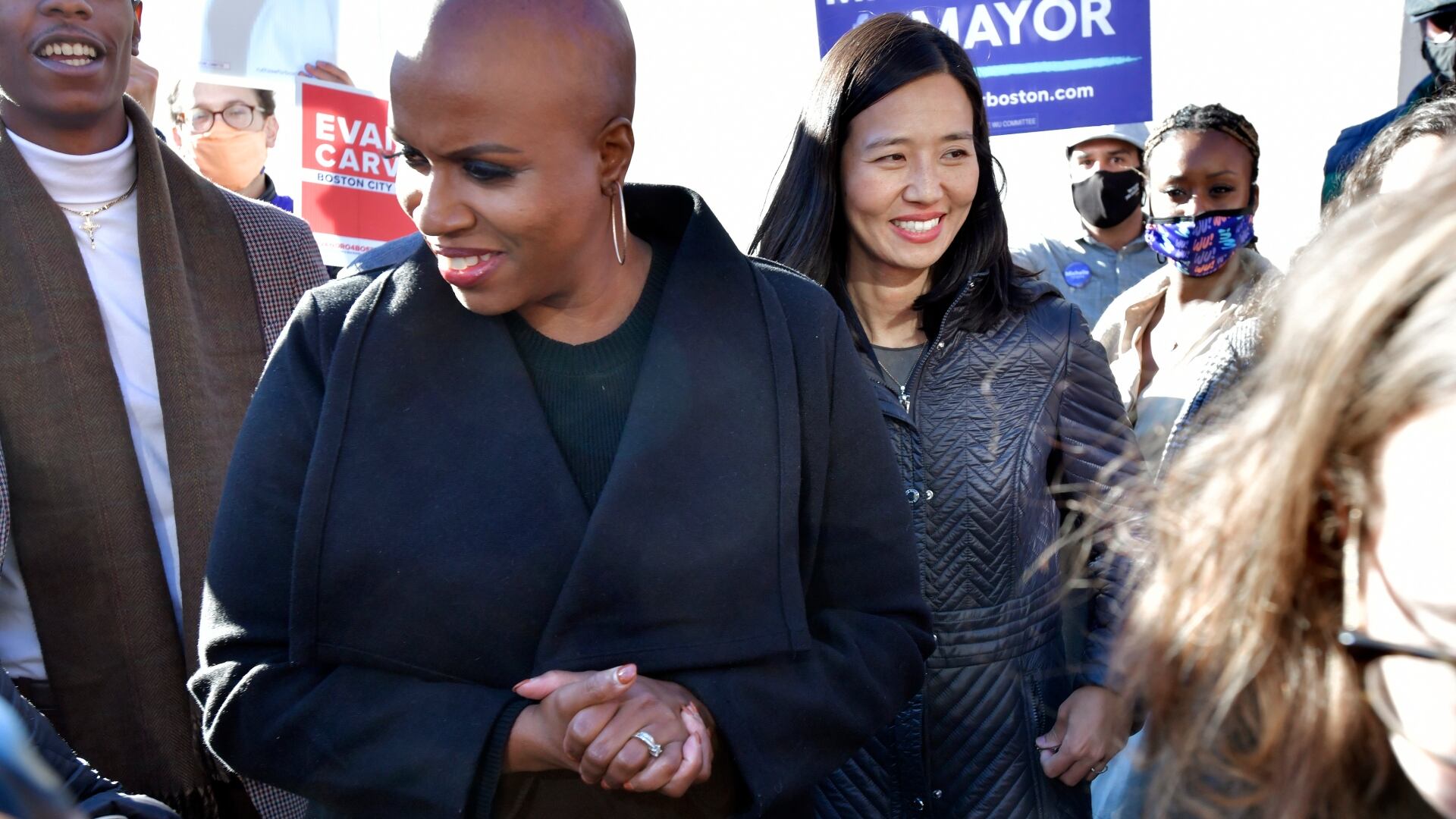
As President Biden's poll numbers fall with Black voters, Rep. Ayanna Pressley (D-Mass. 7th District) joined Cheddar to discuss what she feels could help the embattled administration: deliver on policies. Pressley pointed to stalled legislation such as new voting rights laws and Build Back Betters and canceling student loan debt, which would go a long way to improving his standing with Black constituents. "President Biden has the authority and the power to alleviate this burden, which would also help in closing the racial wealth gap, and he can do it by executive action with the stroke of a pen," she said. "And it doesn't require one vote from Congress. So, the Biden administration just needs to deliver to Black America in a tangible and impactful way."