The African American community is dealing with two crises: the disproportionate impact of the coronavirus pandemic, and systemic racism that has been, once again, laid bare in the aftermath of the George Floyd killing.
But exacerbating both of those crises is a third, more insidious problem, according to Marc Morial, president and CEO of the National Urban League: persistent income inequality that means "when people even get back to work, that paycheck doesn't go far enough to help them make ends meet."
Morial spoke to Cheddar on Monday and called for the Senate to immediately take up the HEROES Act, the stimulus bill passed by the House last month that would extend enhanced unemployment benefits for those who lost their jobs amid the pandemic. Those enhanced benefits are currently scheduled to lapse on July 1.
"It's a fantasy to believe that without continued fiscal intervention by the Congress, and continued monetary intervention by the Fed, that we can get back on our feet economically," he said.
Even if the Senate were to move on the HEROES Act (and it's a big if — the GOP-controlled upper chamber has not been in a rush to take up the bill, with some members calling it "dead on arrival"), lawmakers still need to take action to address the underlying issues that made income inequality a problem long before the coronavirus reached our shores, Morial said.
He called on Congress to raise the federal minimum wage from $7.25 to a "living wage" of $15, and expand the child tax credit. Those two actions would go a long way toward helping to get us out of the "40-year ditch" we've dug ourselves, he said.
"It's going to take a commitment by the public and private sectors to move us beyond it."
Walmart, which became the nation’s largest retailer by making low prices a priority, has found itself in a place it’s rarely been: Warning customers that prices will rise for goods ranging from bananas to car seats.
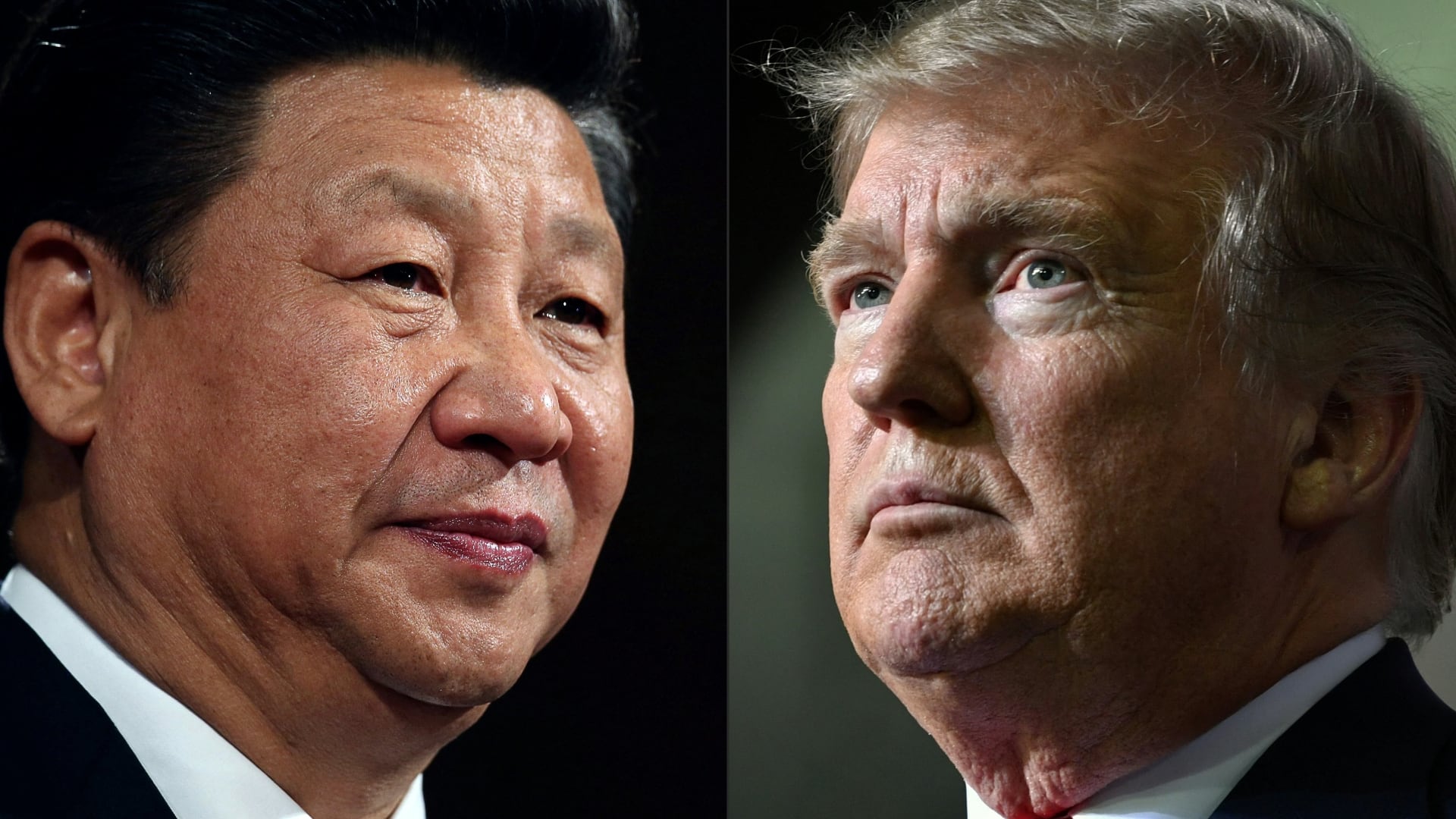
Chris Beauchamp, Chief Market Analyst at IG International, joins J.D. Durkin to give analysis on the recent trade truce between the U.S. and China. Watch!
Shan Aggarwal, VP of Corporate and Business Development at Coinbase, discusses the company's acquisitio of Deribit as it heads into the S&P 500. Watch!
American businesses that rely on Chinese goods are reacting with muted relief after the U.S. and China agreed to pause their exorbitant tariffs on each other’s products for 90 days. Many companies delayed or canceled orders after President Donald Trump last month put a 145% tariff on items made in China. Importers still face relatively high tariffs, however, as well as uncertainty over what will happen in the coming weeks and months. The temporary truce was announced as retailers and their suppliers are looking to finalize their plans and orders for the holiday shopping season. They’re concerned a mad scramble to get goods onto ships will lead to bottlenecks and increased shipping costs.
Shopping expert Trae Bodge discusses how talks between the U.S. and China is good news for now, but uncertainty remains for back-to-school and the holidays.
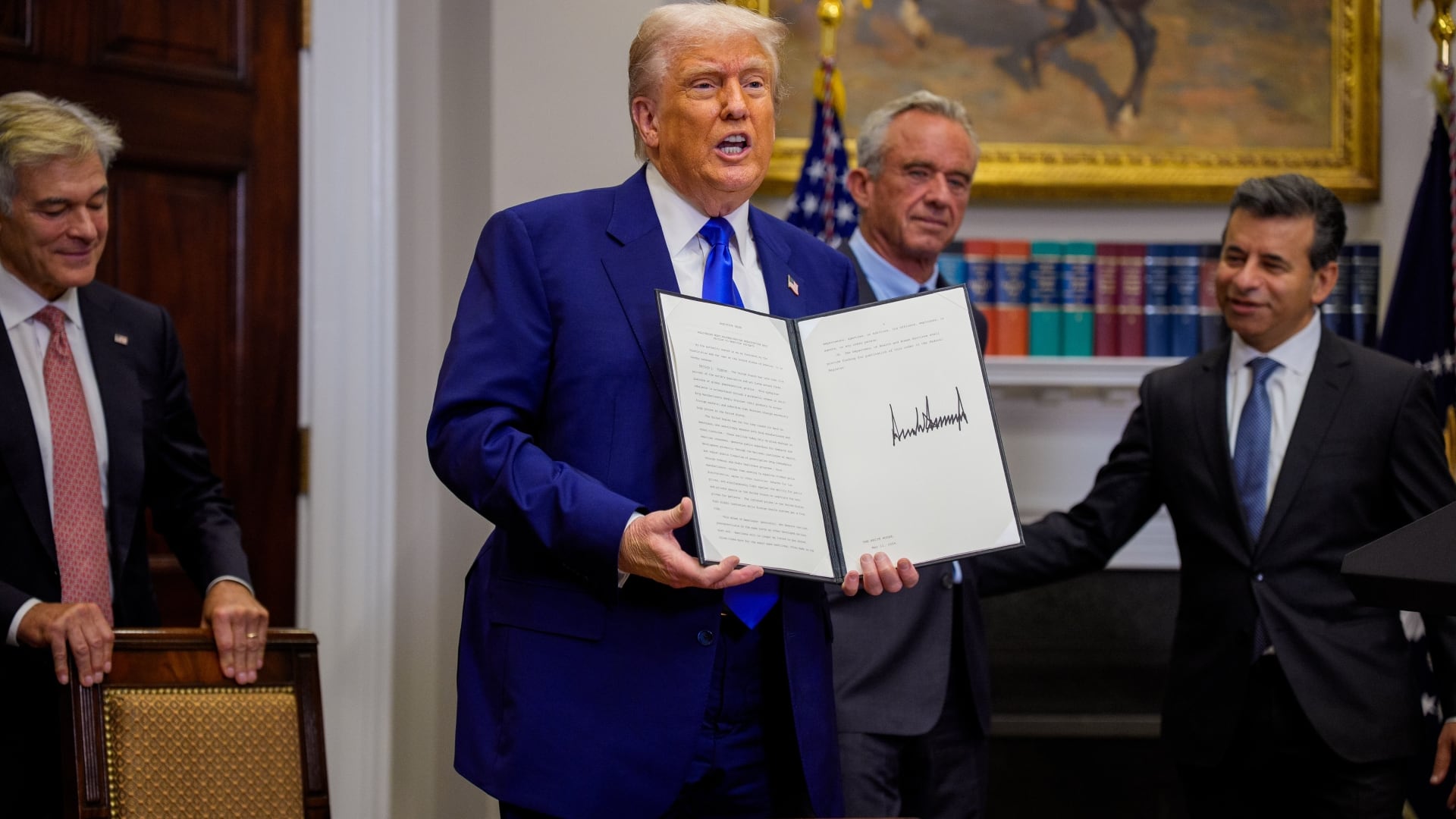
Jake Traylor, White House reporter at Politico, joins Cheddar to discuss how Trump is aiming to lower drug prices and how it differs from Biden's approach.