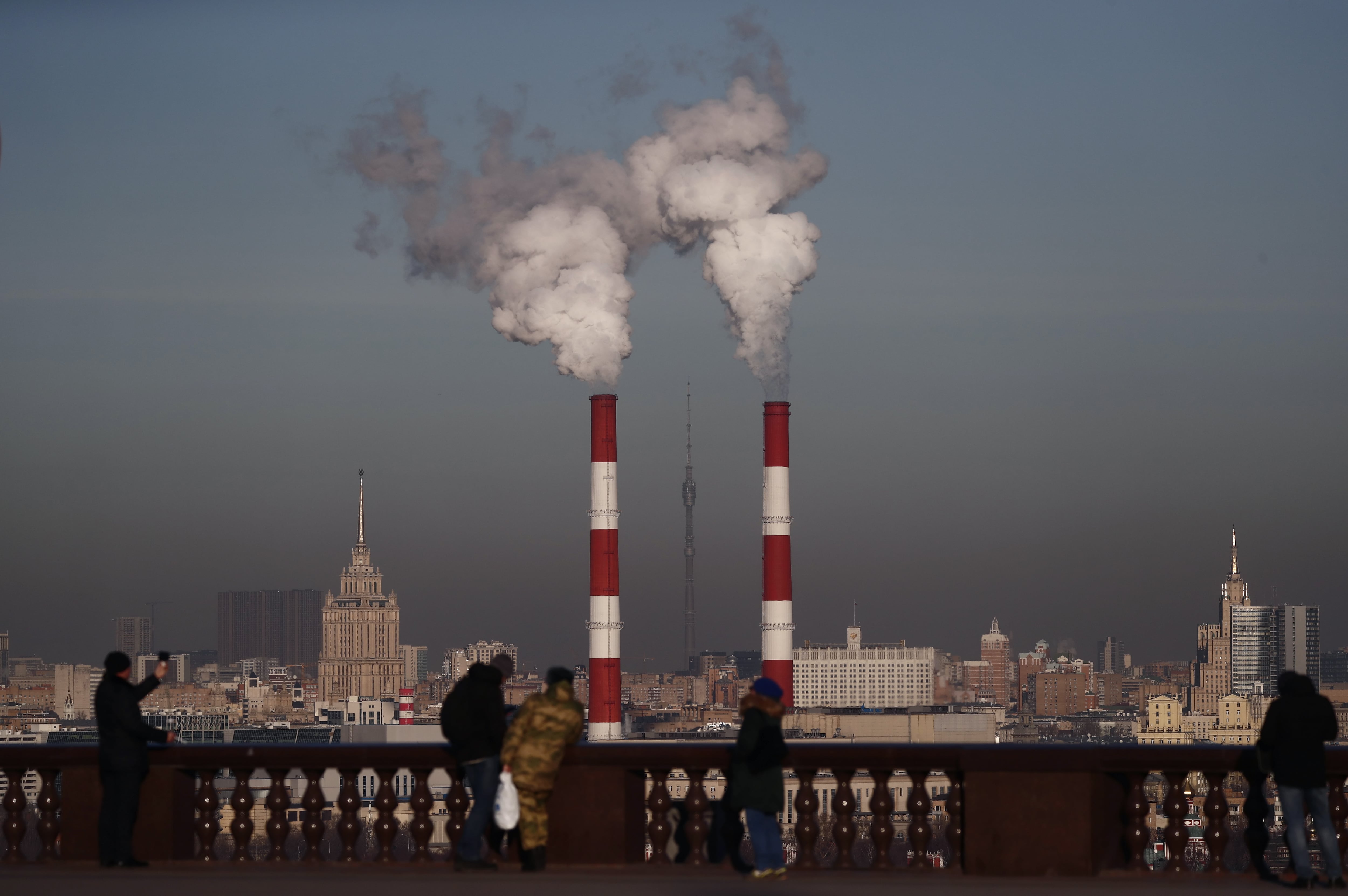
The 2010s amounted to "a decade lost" for slowing climate change, as nations around the world failed to substantially rein-in the heat-trapping emissions generated by power plants, factories, cars and trucks, and other sources that burn fossil fuels, a United Nations report said Tuesday.
The Earth's average temperature is now on track to soar by close to 4 degrees Celsius – or 7.2 degrees Fahrenheit – by the end of the century compared to pre-industrial levels. Scientists have broadly concluded that the planet needs to keep warming to within 2 degrees Celsius, or 3.6 degrees Fahrenheit, to avoid the most catastrophic impacts of climate change.
Rapid rates of warming, meanwhile, are already essentially locked-in: Even ambitious new efforts to slash carbon emissions, as represented in nations' commitments under the 2015 Paris climate accord, will still produce 2.9 to 3.4 degrees of warming.
The report, from the UN's World Meteorological Organization, renewed calls for yet more urgent action to drastically reduce emissions around the world.
"There is no sign of a slowdown, let alone a decline, in greenhouse gases concentration in the atmosphere despite all the commitments under the Paris Agreement on Climate Change," WMO Secretary-General Petteri Taalas said in a statement. "We need to translate the commitments into action and increase the level of ambition for the sake of the future welfare of mankind."
Despite rapid growth in renewable energy sources such as wind and solar, sharp declines in coal-fired power generation in developed nations, and recent high-profile investments in electric vehicles and EV charging infrastructure, global emissions are next expected to peak by the end of the next decade.
"The effects of climate policies have been too small to offset the impact of key drivers of emissions such as economic growth and population growth," the report said, characterizing the finding as a "rather bleak fact."
Already, the amount of carbon dioxide in the atmosphere is comparable to 3-5 million years ago, when temperatures were roughly 2-3 degrees warmer and sea levels were 30-60 feet higher, the WMO said.
"In this critical period, the world must deliver concrete, stepped-up action on emissions," Inger Andersen, executive director of the UN Environment Programme said in a statement. "We face a stark choice: set in motion the radical transformations we need now, or face the consequences of a planet radically altered by climate change."
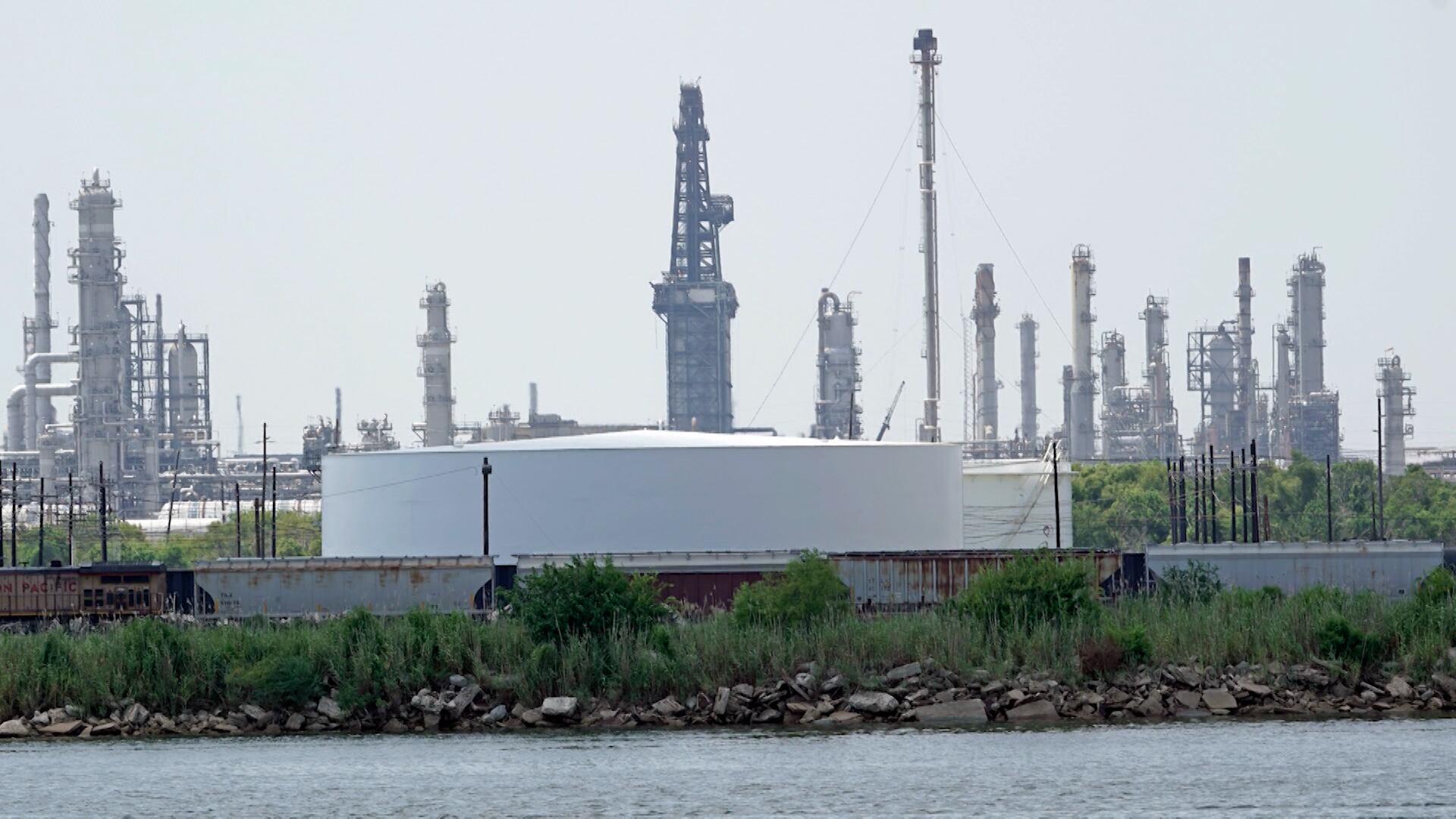
President Biden announced a ban on Russian oil and natural gas imports to the U.S. in response to its invasion of Ukraine, a move he warned could lead to an even greater surge in gas prices. The ban is prompting a conversation about the current oil production levels in the U.S. and whether or not the industry can ramp up production to soften the blow to American families at the gas pump. Clark Williams-Derry, Energy Finance Analyst with the Institute for Energy Economics and Financial Analysis, breaks down the state of the U.S. oil industry and how the ban might impact production levels here at home.
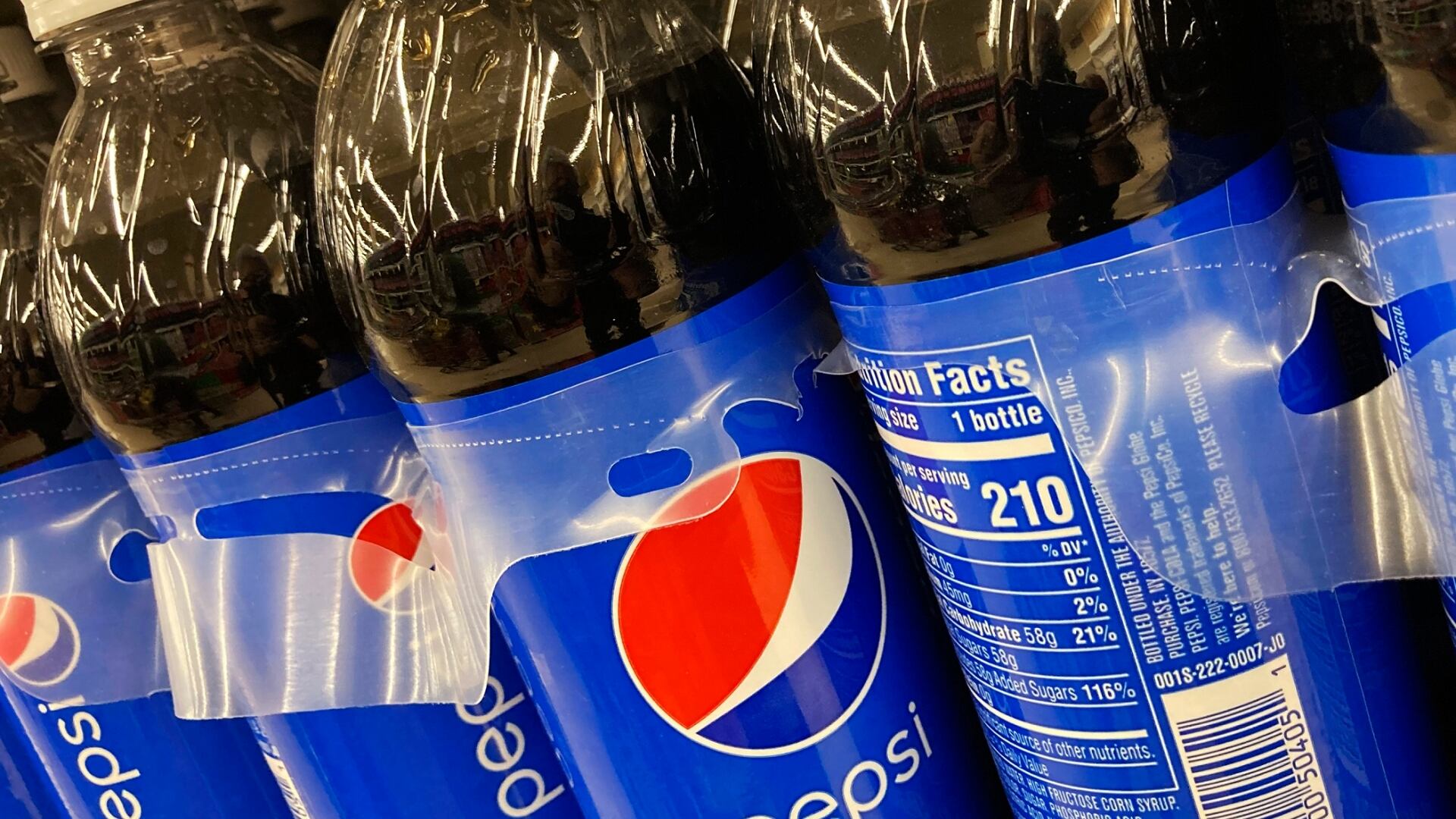
PepsiCo, Coca-Cola, McDonald’s, and Starbucks are the latest American food brands to have halted business operations in Russia after having faced scrutiny and criticism for originally failing to do so amid the country's invasion of Ukraine.
As Russia intensifies its war on Ukraine, President Biden announced a ban on oil imported from the aggressor nation. Critics of Russia have said this would be the best way to force Putin to pull back, but curbs on Russian oil exports are expected to send already skyrocketing oil and gas prices even higher, further impacting consumers, businesses, financial markets, and the global economy. Leslie Beyer, CEO of the Energy Workforce and Technology Council, joined Cheddar News' Closing Bell to discuss. "It's certainly going to increase pricing, but it is the right thing to do," she said. "The industry itself has already pulled out of the significant portion of its operations in Russia."
Sports Betting in the U.S. is booming. According to industry experts, we could see another boom this year as more states move towards statewide legalization of sports wagering. While this comes as huge news for fans, there are some very real concerns as to whether or not sports betting potentially poses a threat to public health. Senior Clinician at the Caron Treatment Centers, Eric Webber, joined Cheddar to discuss more.
The Biden administration has made gender policy a core part of how it governs. The president established the first Gender Policy Council. It's on the same level as the National Security Council, Domestic Policy Council and National Economic Council, putting the interests of women and other underserved groups at the table for the most important policy discussions.
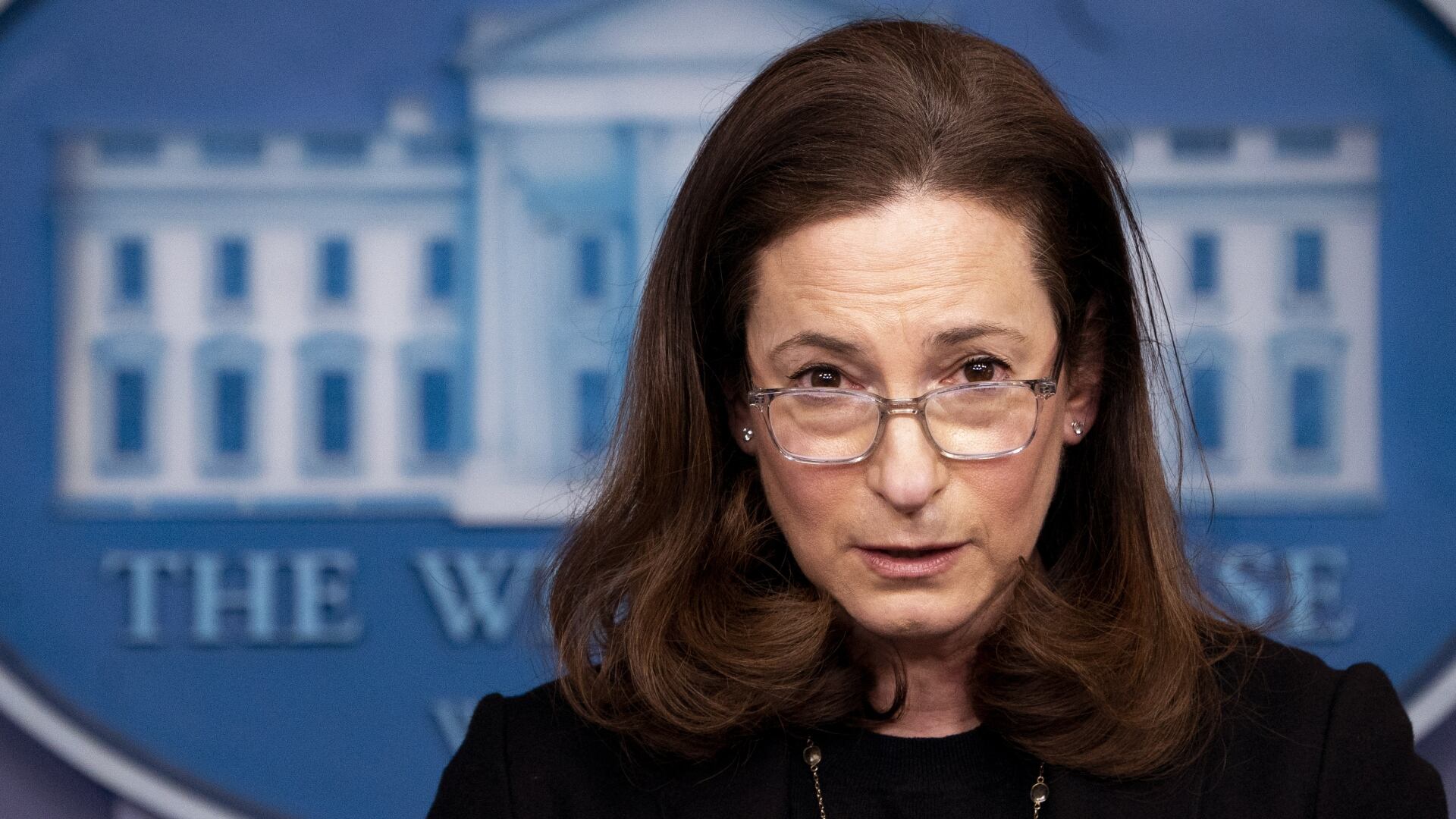
Cheddar News sat down with Jennifer Klein, executive director and co-chair of the White House Gender Policy Council, to discuss the council's work and its significance during Women's History Month.
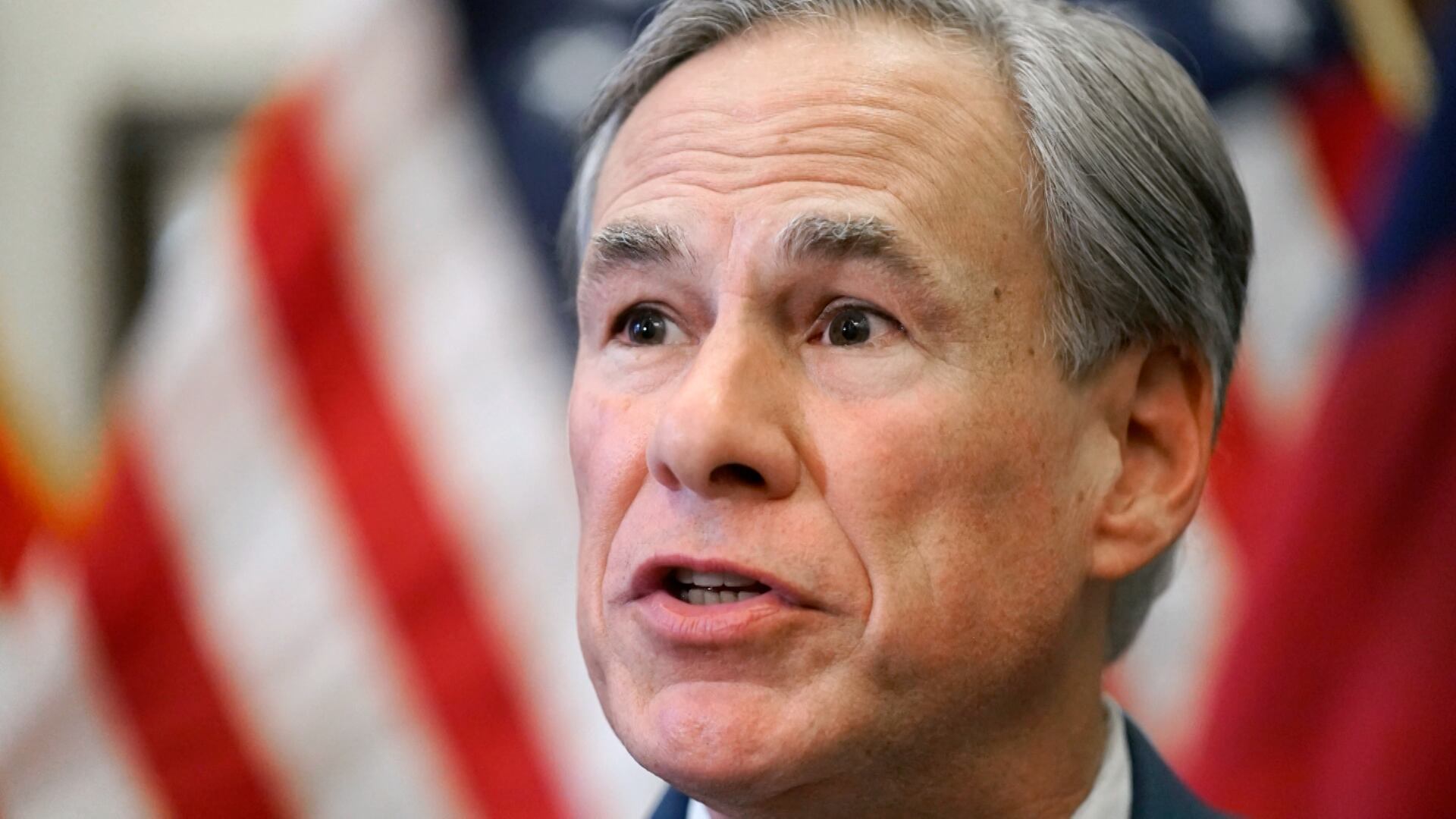
State Representative Jessica González, Vice Chair of the Texas House LGBTQ Caucus, joins Cheddar News to discuss the latest Texas anti-transgender directive.
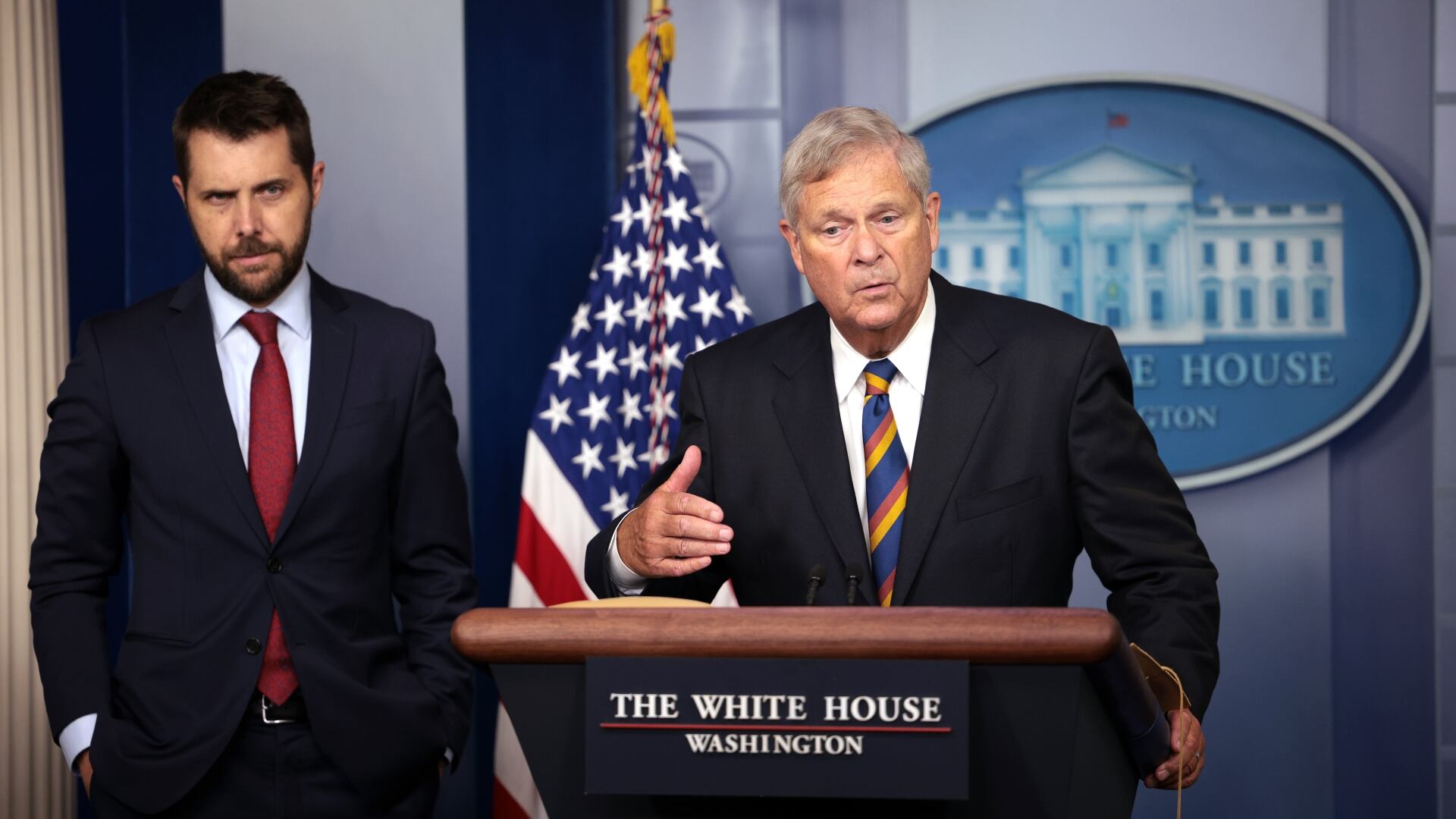
The United States Secretary of Agriculture, Tom Vilsack joins None of the Above to discuss the newly emerging conflict in Europe, what it means for agriculture in the states, dairy and meat consumption, and how the department is planning to promote climate-smart agriculture.
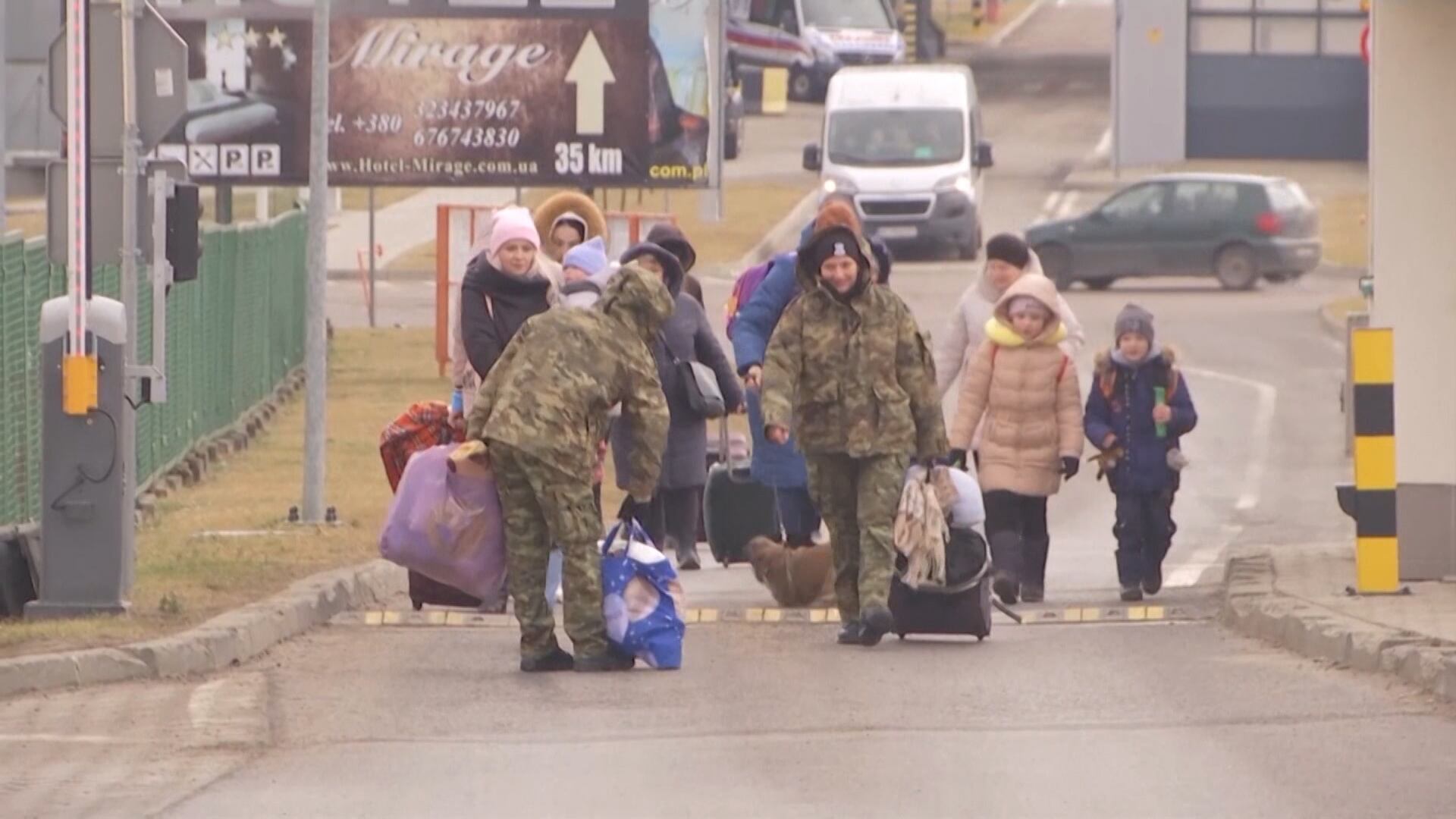
Tens of thousands of people have fled Ukraine in attempts to escape the Russian Invasion. According to the U.N. neighboring countries like Poland, Hungary, and even Romania have seen half a million refugees. While the hospitality is being welcomed by many, it also highlights the mistreatment of migrants and refugees from the Middle East and Africa. Professor of Philosophy and Director of Politics at Northeastern University Serena Parekh, joined Cheddar, to discuss more.
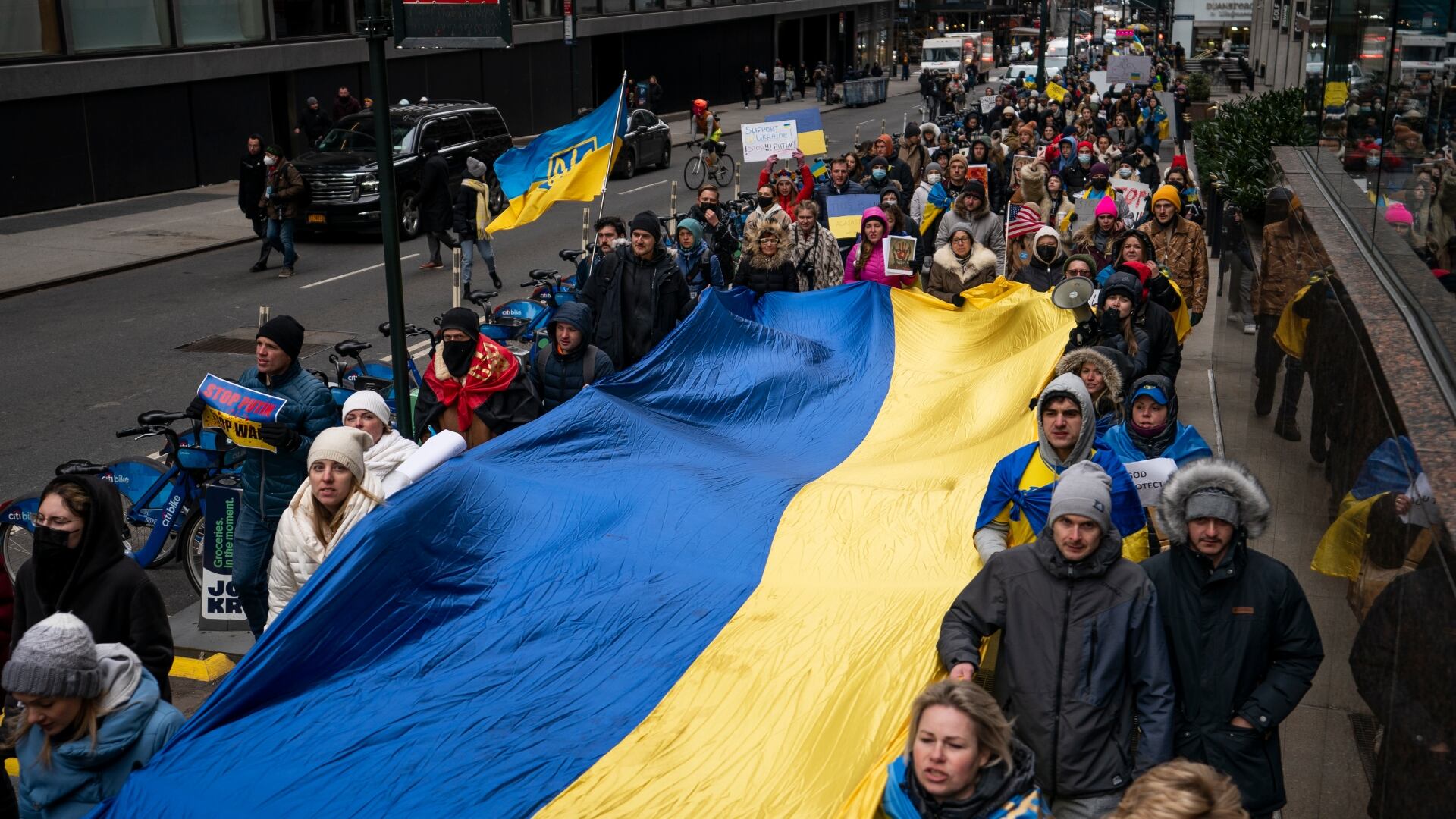
As Russia unleashed war in the country of Ukraine, global leaders have started inflicting punishment on Vladimir Putin's regime via commercial and financial penalties. According to President Joe Biden Putin's aggression is "a flagrant violation of international law and it demands a firm response from the international community".However, the main question is will these sanctions actually work. Partner at Jenner & Block LLP, Rachel Alpert, joined Cheddar to discuss more.