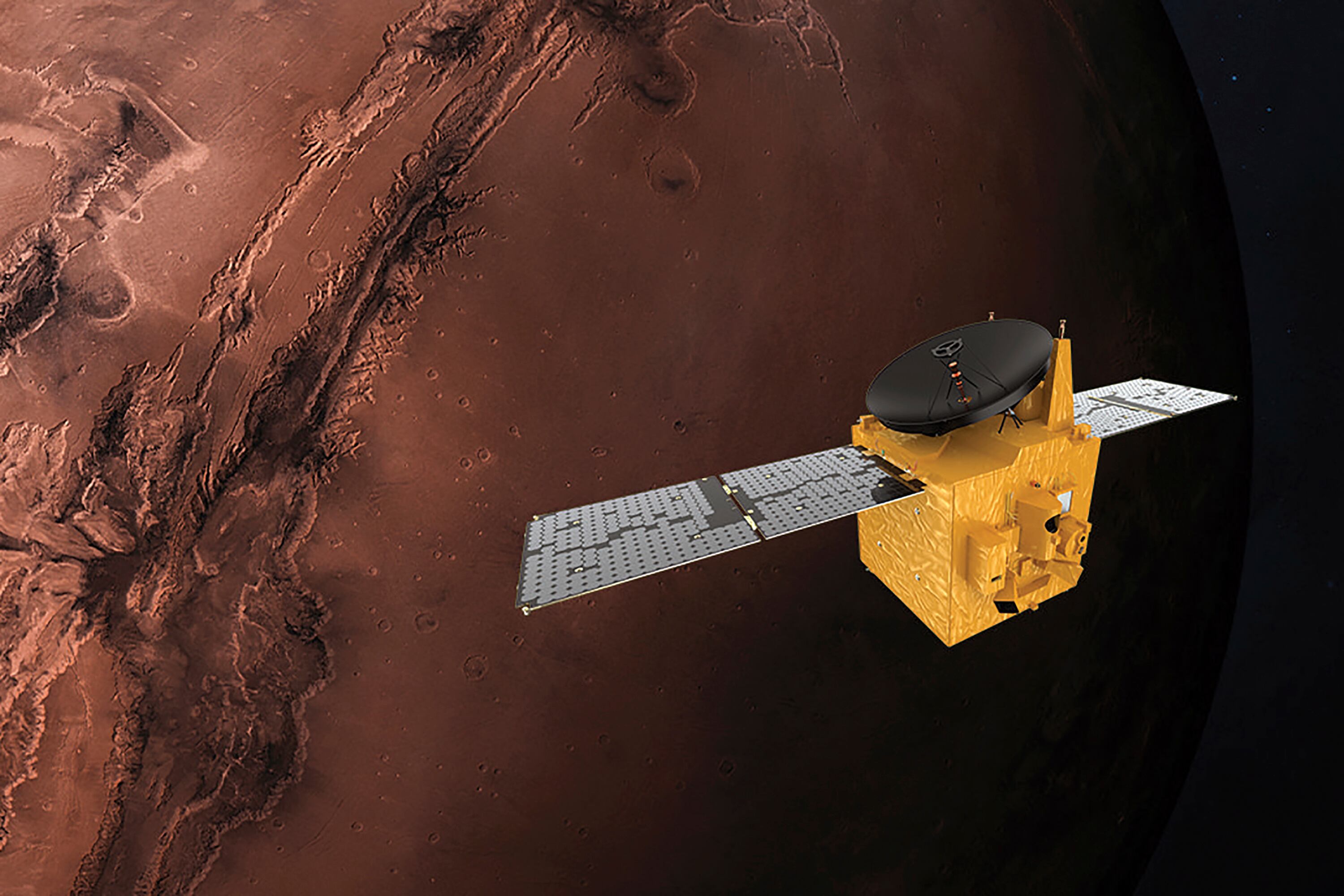
This June 1, 2020, rendering provided by Mohammed Bin Rashid Space Centre shows the Hope probe. The U.S., China and the United Arab Emirates are sending spacecraft to Mars in quick succession beginning this week. (MBRSC via AP)
By Mari Yamaguchi
The liftoff of the United Arab Emirates' Mars orbiter was postponed until Friday due to bad weather at the Japanese launch site.
The orbiter named Amal, or Hope, is the Arab world's first interplanetary mission. The launch was scheduled for Wednesday from the Tanegashima Space Center in southern Japan, but the UAE mission team announced the rescheduled date on Twitter.
Mitsubishi Heavy Industries' H-IIA rocket will carry UAE's craft into space. Mitsubishi launch official Keiji Suzuki had said on Monday a postponement was possible as intermittent lightning and rain were forecast over the next few days.
Heavy rain has fallen for more than a week in large areas of Japan, triggering mudslides and floods and killing more than 70 people, most of them on the southern main island of Kyushu.
Hope is set to reach Mars in February 2021, the year the UAE celebrates 50 years since its formation. A successful Hope mission would be a major step for the oil-dependent economy seeking a future in space.
Hope carries three instruments to study the upper atmosphere and monitor climate change and is scheduled to circle the red planet for at least two years.
Emirates Mars Mission Project Director Omran Sharaf, who joined Monday’s briefing from Dubai, said the mission will provide a complete view of the Martian atmosphere during different seasons for the first time.
Two other Mars missions are planned in the coming days by the U.S. and China. Japan has its own Martian moon mission planned in 2024.
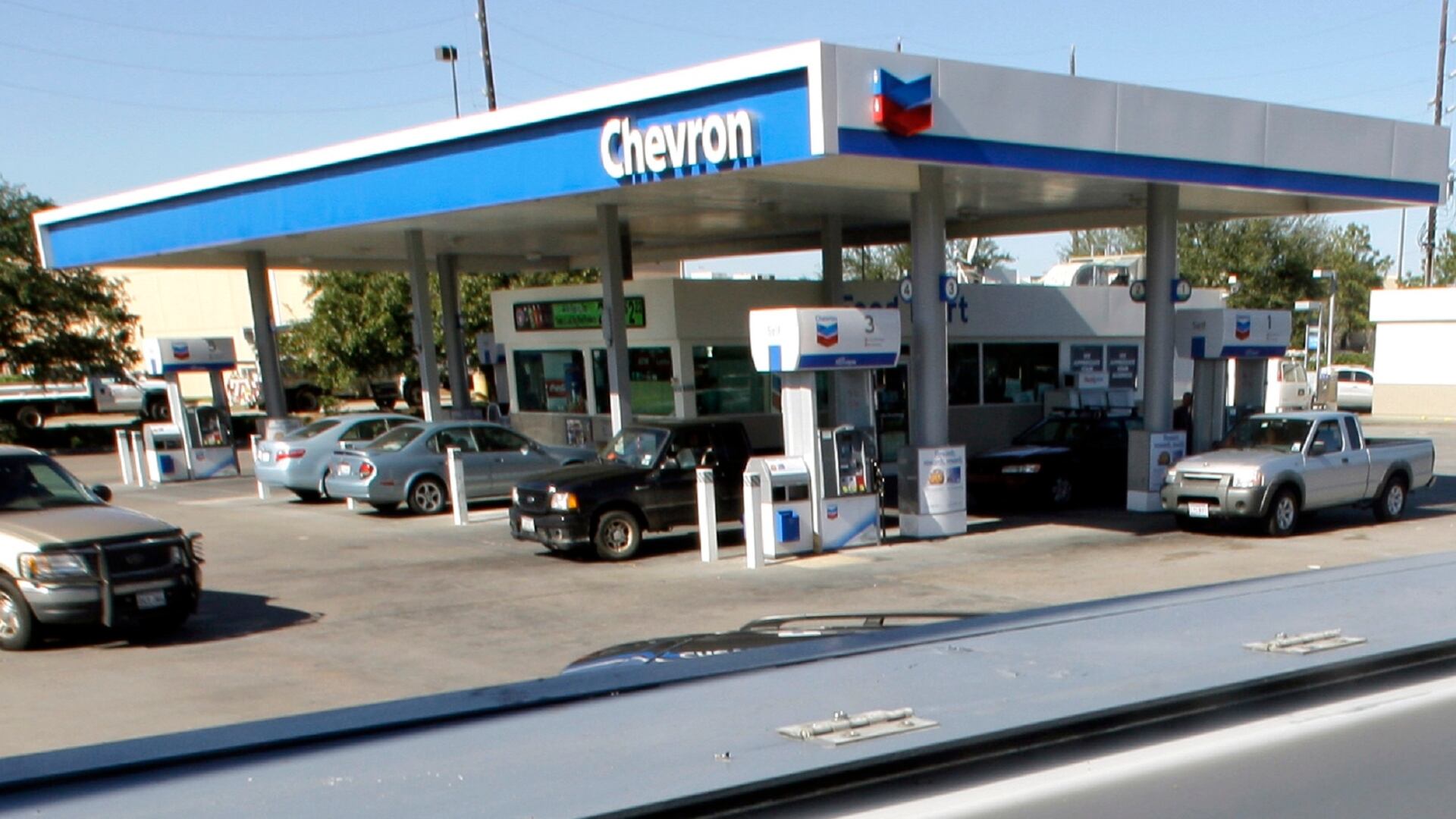
Energy company Chevron has set a goal to reduce its operational carbon footprint to net zero by 2050. However, the company has not committed to reducing emissions on its gas and oil products.
Google's users will now have extensive greener options. The updated services across platforms will allow users to look for eco-friendly routes in Google Maps, book flights with low carbon emissions, and reduce energy usage at home with Nest thermostats.
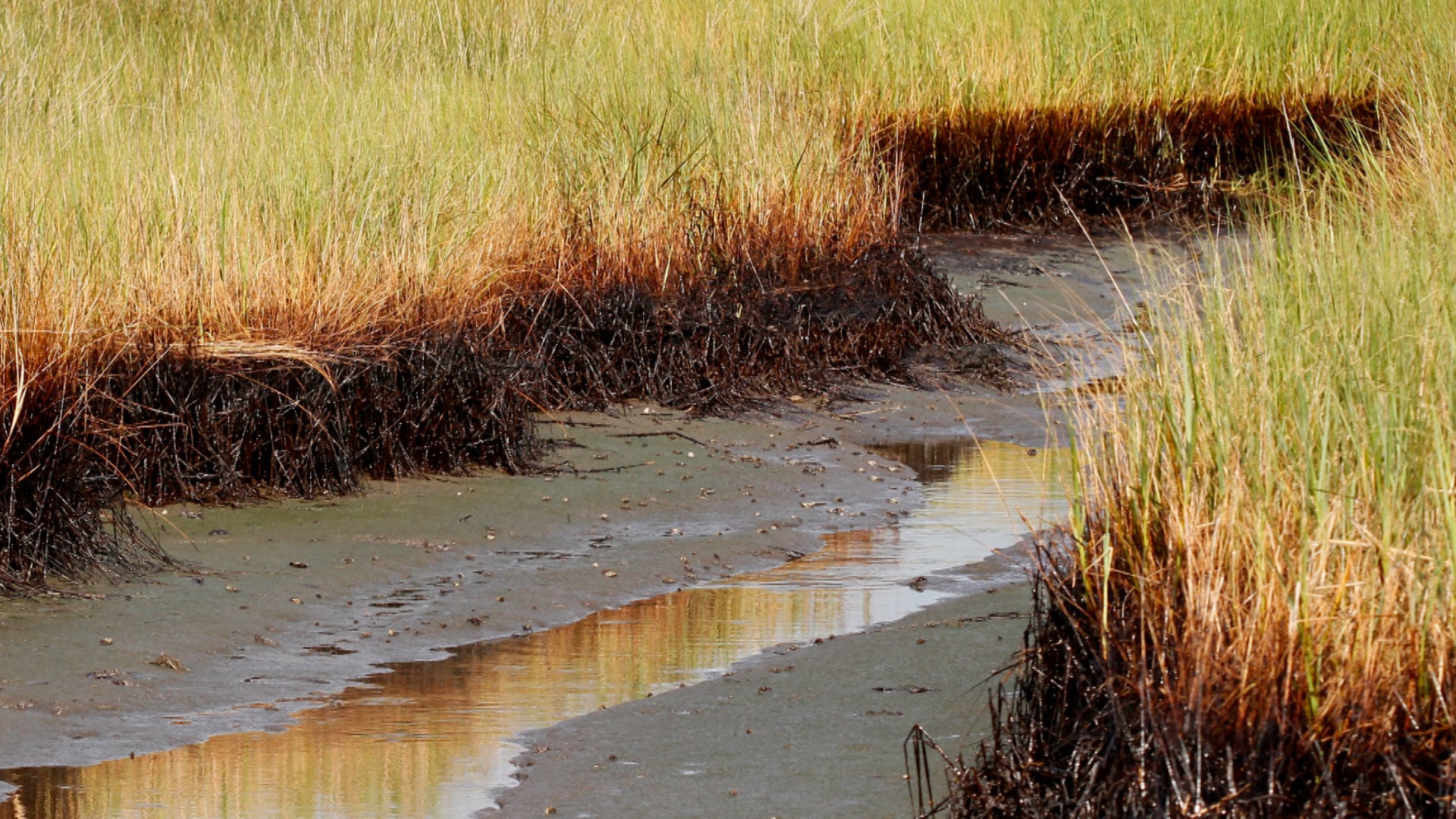
The recent California oil spill has wreaked havoc on the shores of Huntington Beach as wildlife habitats and potentially some people have been exposed to the 140,000+ gallons of oil in the ocean. Cheddar News was joined by Dr. Deborah Bronsan, President of Deborah Bronson & Associates to learn more about the environmental dangers and how the area can recover from this tragedy.
Blue Bear Capital, a venture and growth equity firm focusing on AI-powered solutions for the world’s energy, infrastructure, and climate challenges, recently announced it has raised $150 million dollars in new funding. Ernst Sack, Partner at Blue Bear Capital, joins Cheddar Climate the vision his company has when it comes to combating climate change.
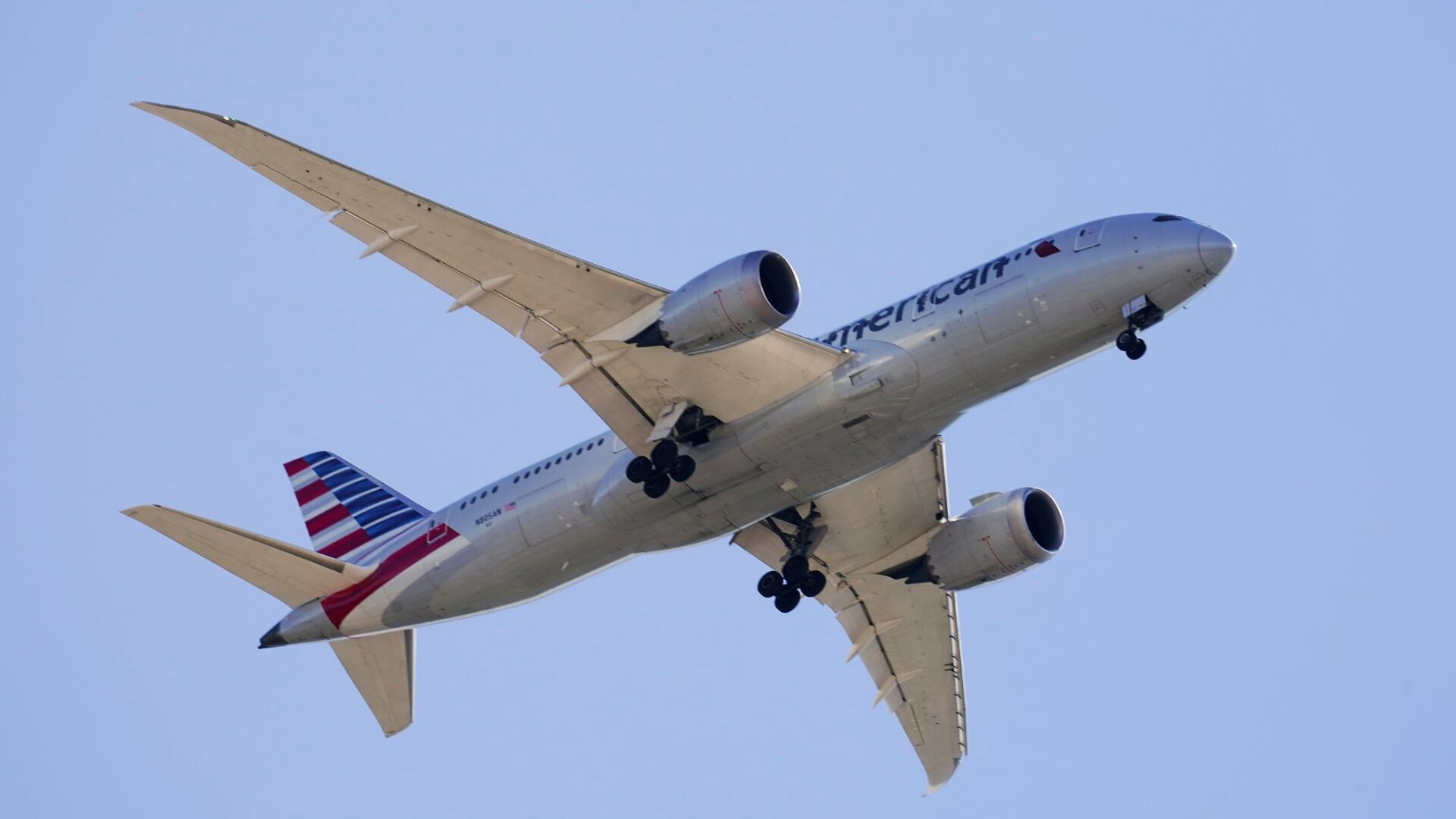
Several major carriers have followed in the steps of United Airlines and will now require its staff to be vaccinated against COVID-19. Those airlines include American, Jet Blue, and Alaskan.