U.S. Adds Jobs in June, But Trade War Could Slow Growth
*By Michael Teich*
Wall Street applauded a better-than-expected June jobs report, sending the Dow Industrials Index nearly 100 points higher Friday.
Despite those numbers, though, the U.S. economy is still grappling with growing trade tensions with China and Europe. The Trump administration's tariffs officially went into effect early Friday morning as the U.S. followed through on its threat to impose taxes on $34 billion of Chinese imports. China promptly responded with a similarly seized tariffs on U.S. goods, including pork, soybeans, and electric vehicles.
If trade wars accelerate, "the downside risks outweigh the upside risks," said Mark Hamrick, Senior Economic Analyst, Bankrate.com.
"The trade disputes are having impacts that are real in the economy right now."
The U.S. added 213,000 jobs in June, topping the forecast of 195,000. It was the 93rd consecutive month of job growth. The unemployment rate, however, rose to 4 percent as more people returned to the job market searching for work.
For the full segment, [click here.](https://cheddar.com/videos/u-s-job-growth-beats-expectations)
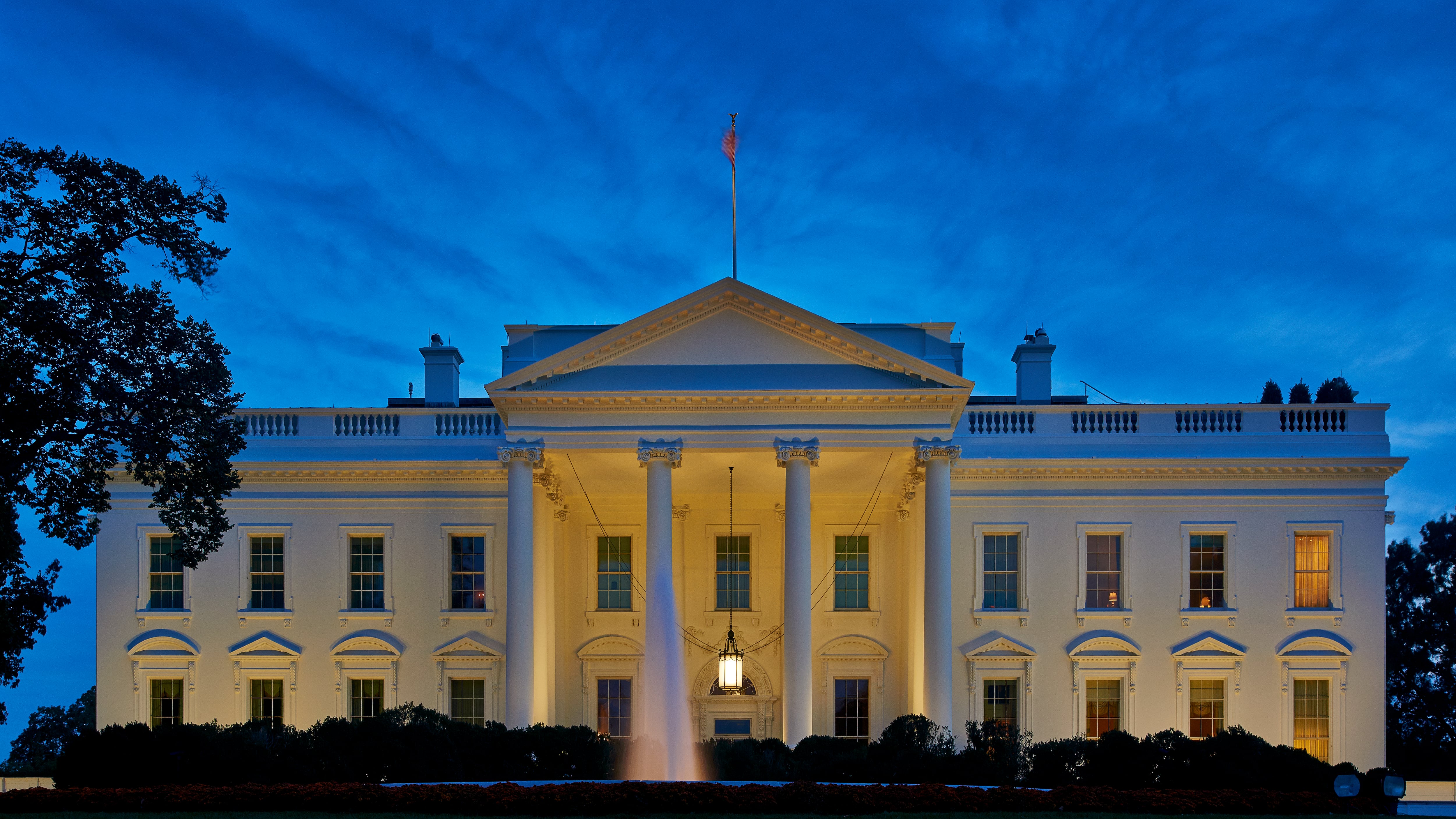
No fingerprints or DNA turned up on the baggie of cocaine found in a lobby at the White House last week despite a sophisticated FBI crime lab analysis, and surveillance footage of the area didn’t identify a suspect, according to a summary of the Secret Service investigation obtained by The Associated Press. There are no leads on who brought the drugs into the building.
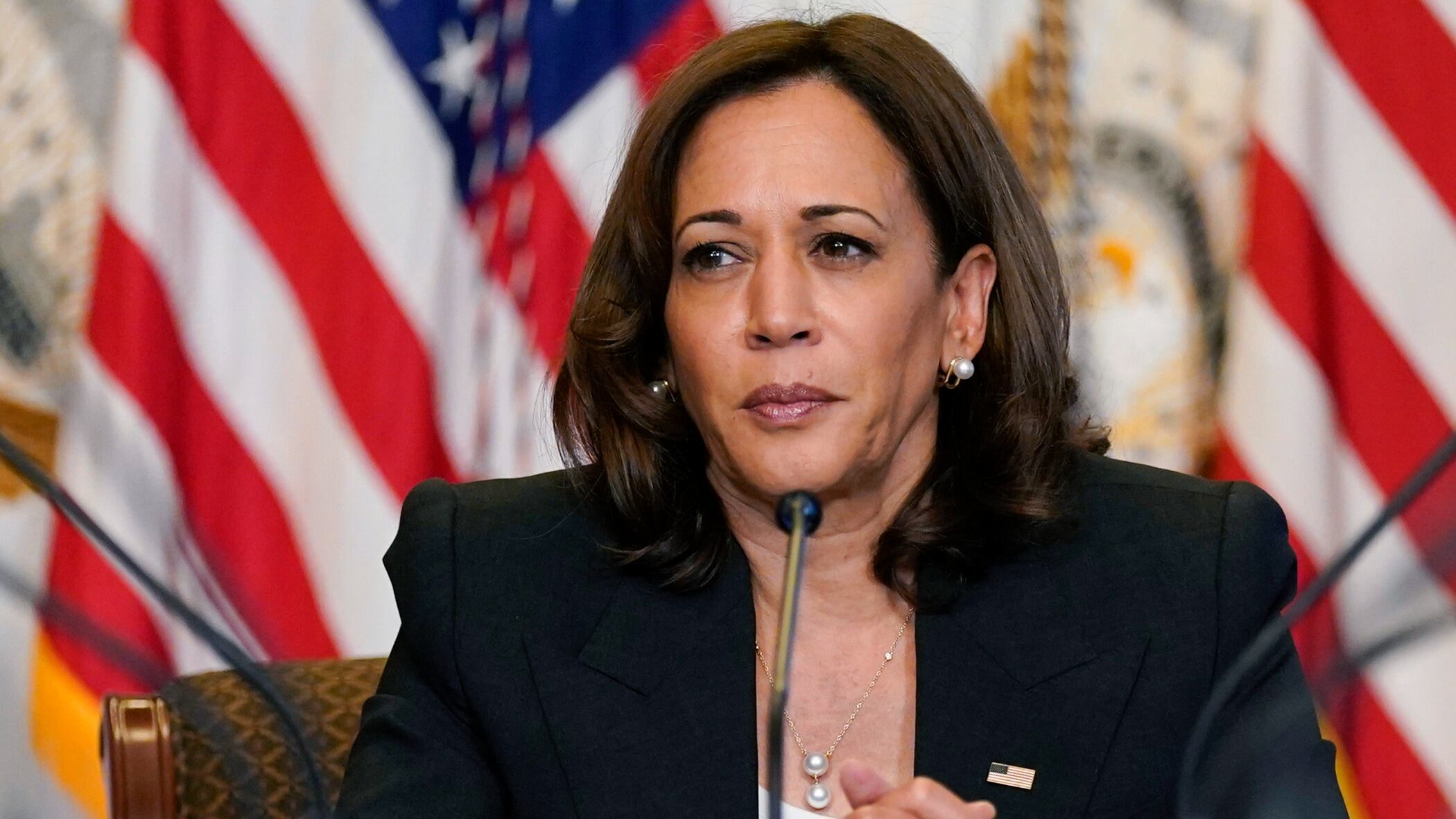
Kamala Harris, who made history as the first woman or person of color to serve as vice president, has made history again by matching the record for most tiebreaking votes in the Senate.
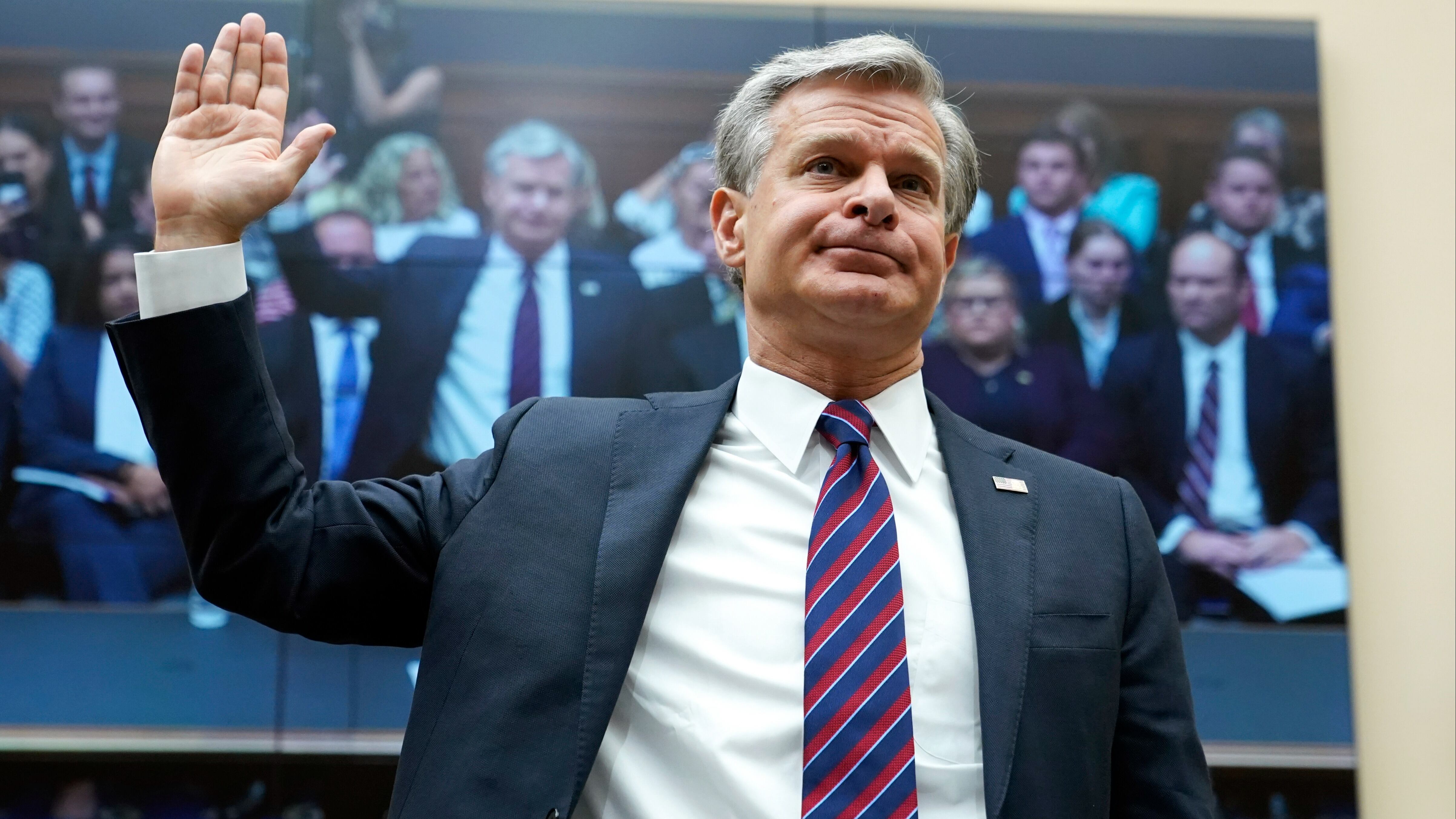
Republicans on the House Judiciary Committee accused the agency of targeting conservatives, suppressing evidence that Covid-19 came from a lab leak and abusing its surveillance powers.
The Biden administration calls it a “student loan safety net.” Opponents call it a backdoor attempt to make college free. And it could be the next battleground in the legal fight over student loan relief.
Nearly 30,000 people in Mississippi were dropped from the state's Medicaid program after an eligibility review that the government ended during the pandemic.
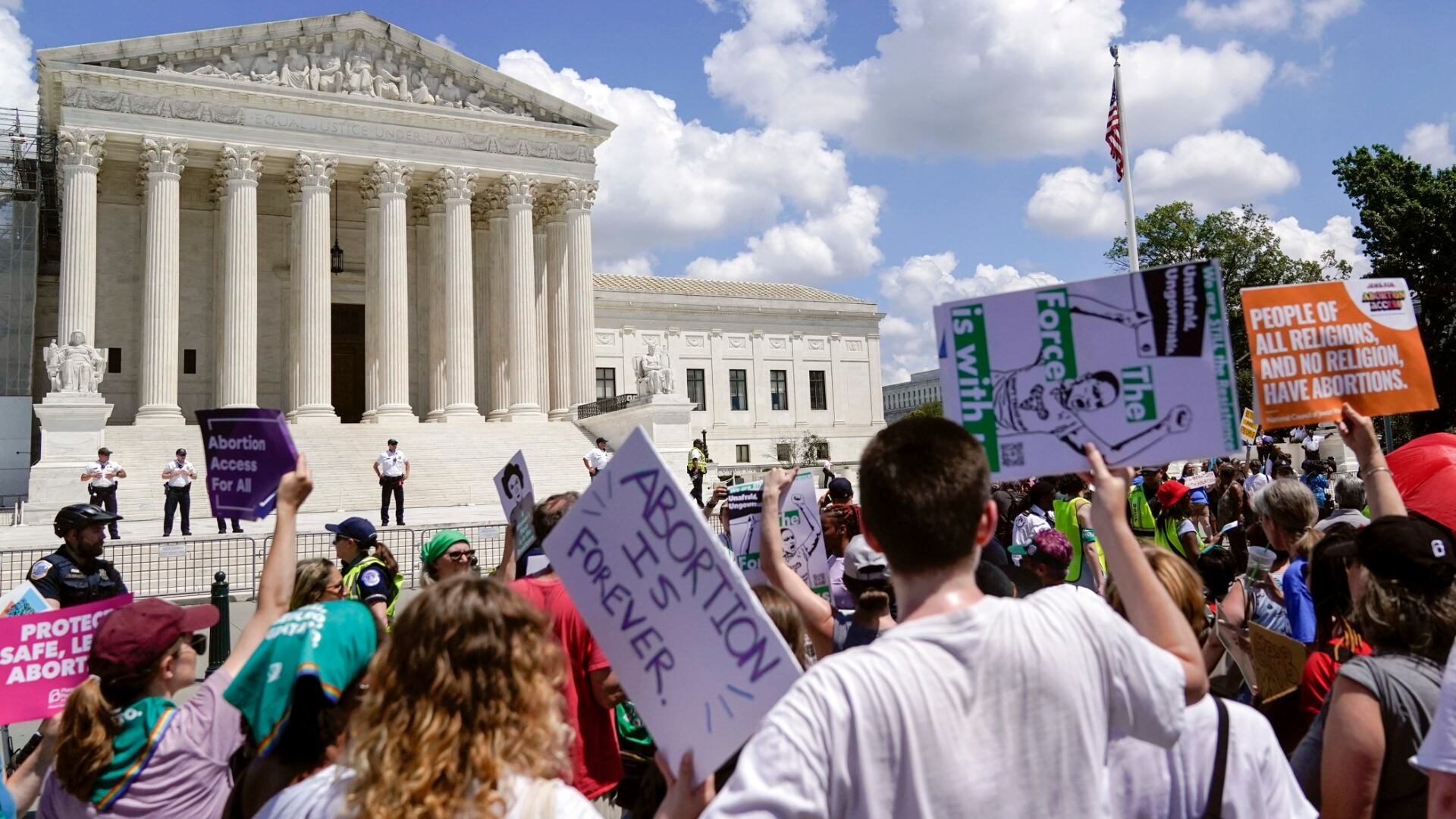
Members of a deeply conservative Amish community in Minnesota don't need to install septic systems to dispose of their “gray water,” the state Court of Appeals ruled Monday in a long-running religious freedom case that went all the way up to the U.S. Supreme Court.