U.S. Adds Jobs in June, But Trade War Could Slow Growth
*By Michael Teich*
Wall Street applauded a better-than-expected June jobs report, sending the Dow Industrials Index nearly 100 points higher Friday.
Despite those numbers, though, the U.S. economy is still grappling with growing trade tensions with China and Europe. The Trump administration's tariffs officially went into effect early Friday morning as the U.S. followed through on its threat to impose taxes on $34 billion of Chinese imports. China promptly responded with a similarly seized tariffs on U.S. goods, including pork, soybeans, and electric vehicles.
If trade wars accelerate, "the downside risks outweigh the upside risks," said Mark Hamrick, Senior Economic Analyst, Bankrate.com.
"The trade disputes are having impacts that are real in the economy right now."
The U.S. added 213,000 jobs in June, topping the forecast of 195,000. It was the 93rd consecutive month of job growth. The unemployment rate, however, rose to 4 percent as more people returned to the job market searching for work.
For the full segment, [click here.](https://cheddar.com/videos/u-s-job-growth-beats-expectations)
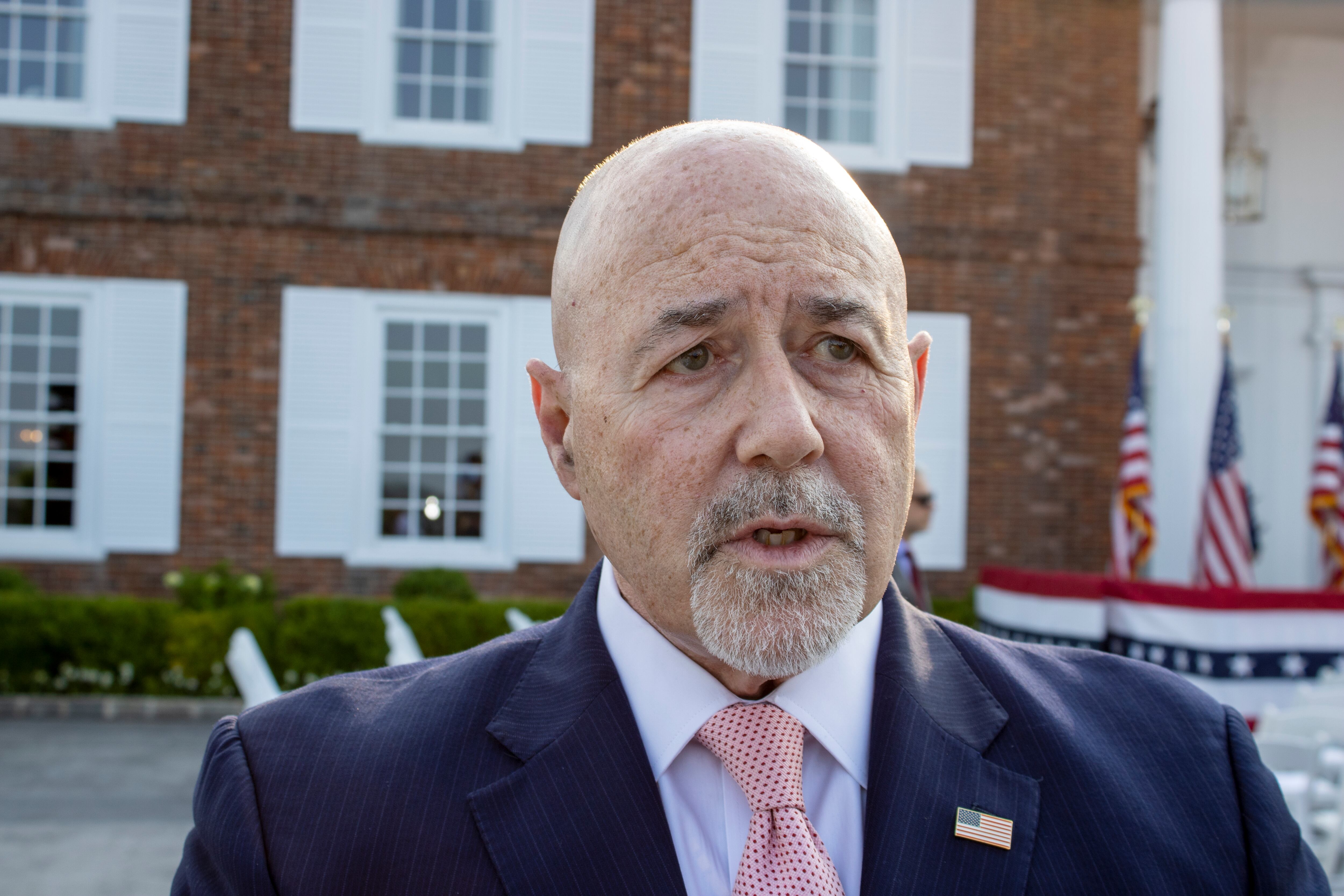
The lawyer for former NYPD commissioner Bernard Kerik turned over thousands of pages and documents to a special counsel as part of an investigation into Kerik's alleged involvement to overturn the results of the 2020 election.
Israel’s parliament on Monday approved the first major law in Prime Minister Benjamin Netanyahu’s contentious plan to overhaul the country’s justice system, triggering a new burst of mass protests and drawing accusations that he was pushing the country toward authoritarian rule.
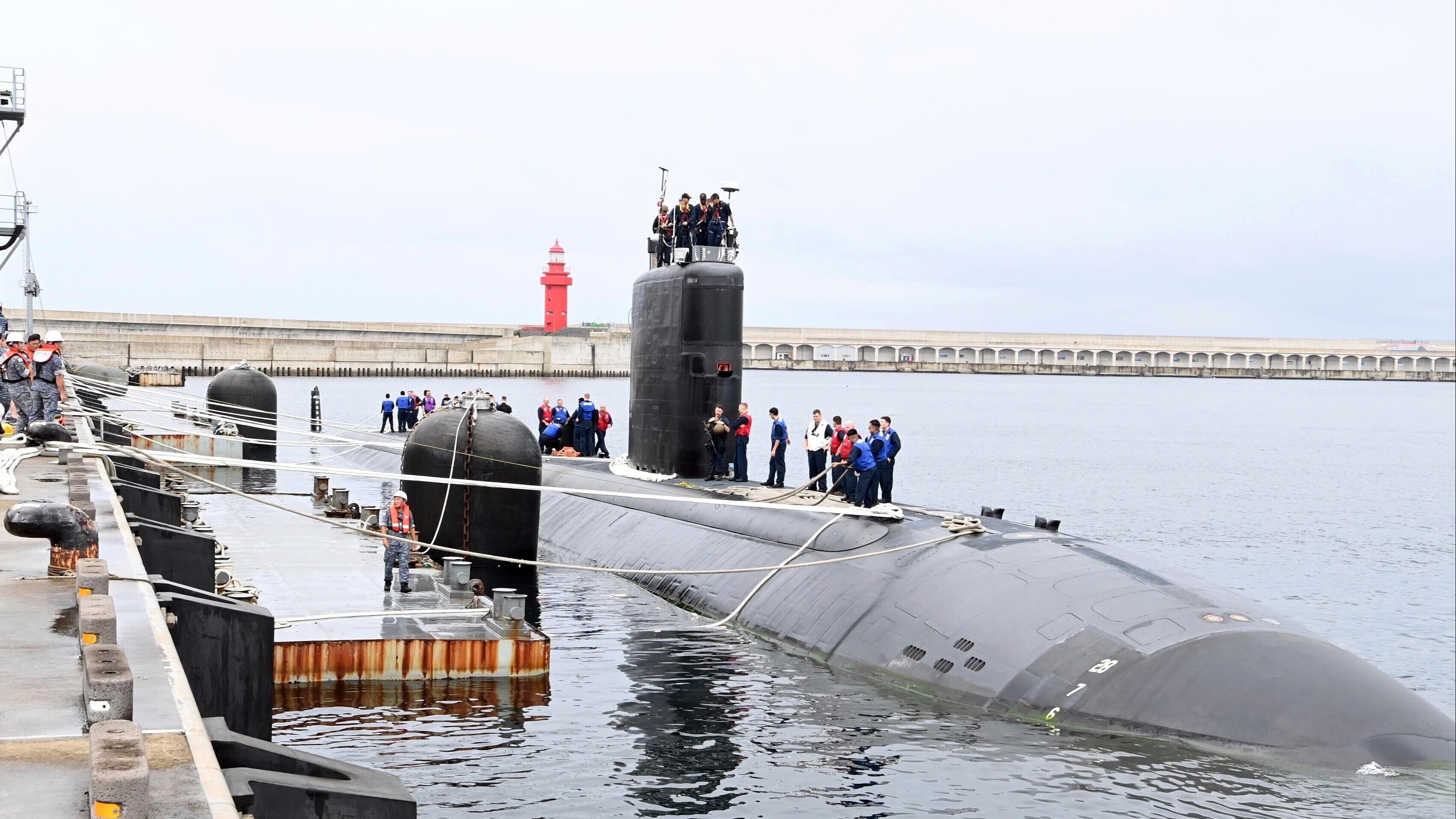
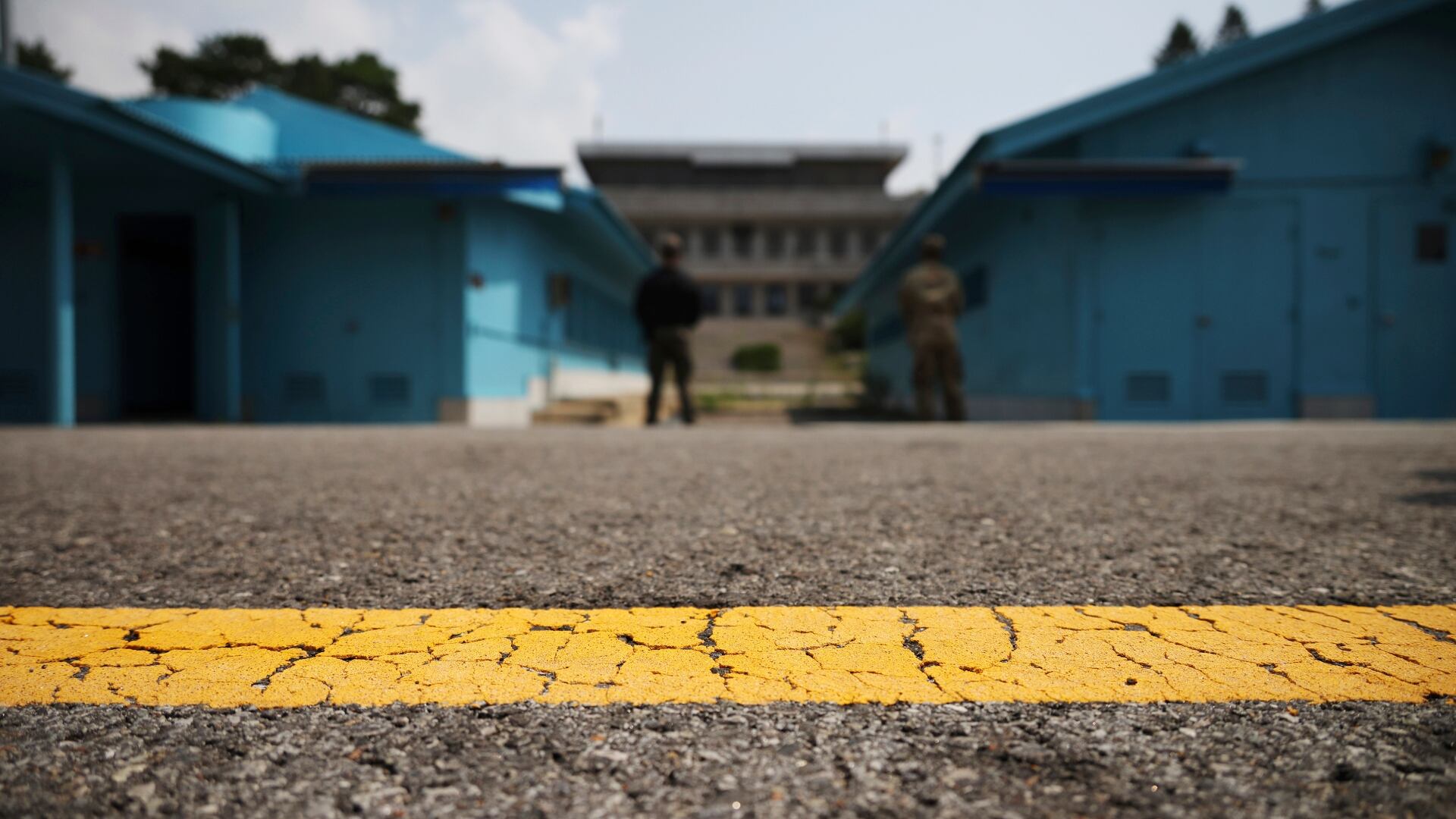
North Korea fired two short-range ballistic missiles into its eastern sea, South Korea’s military said Tuesday, adding to a recent streak in weapons testing that is apparently in protest of the U.S. sending major naval assets to South Korea in a show of force.
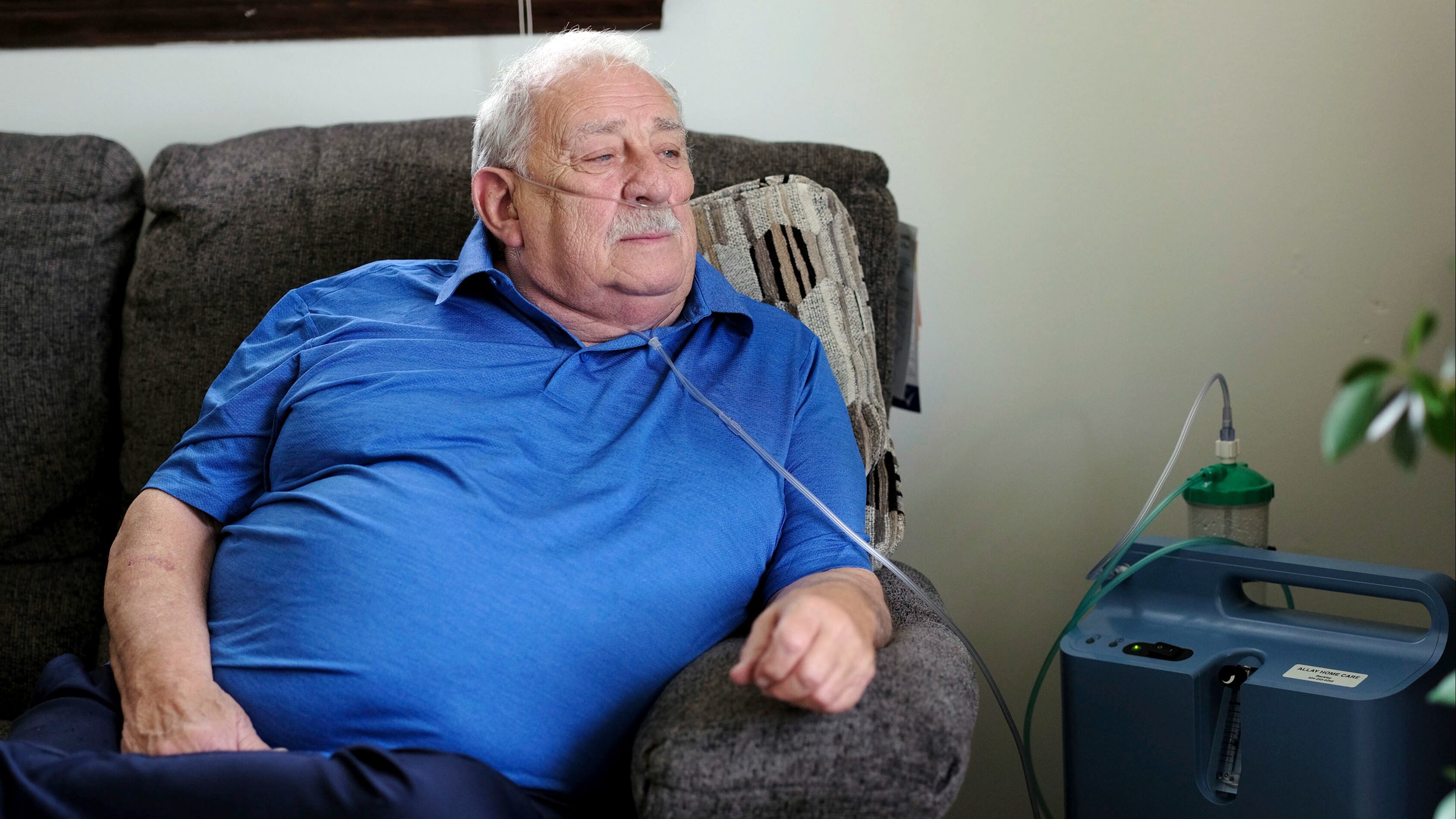
Now the federal Mine Safety and Health Administration has proposed a rule that would cut the current limit for silica exposure by half — a major victory for safety advocates. But there is skepticism and concern about the government following through after years of broken promises and delays.
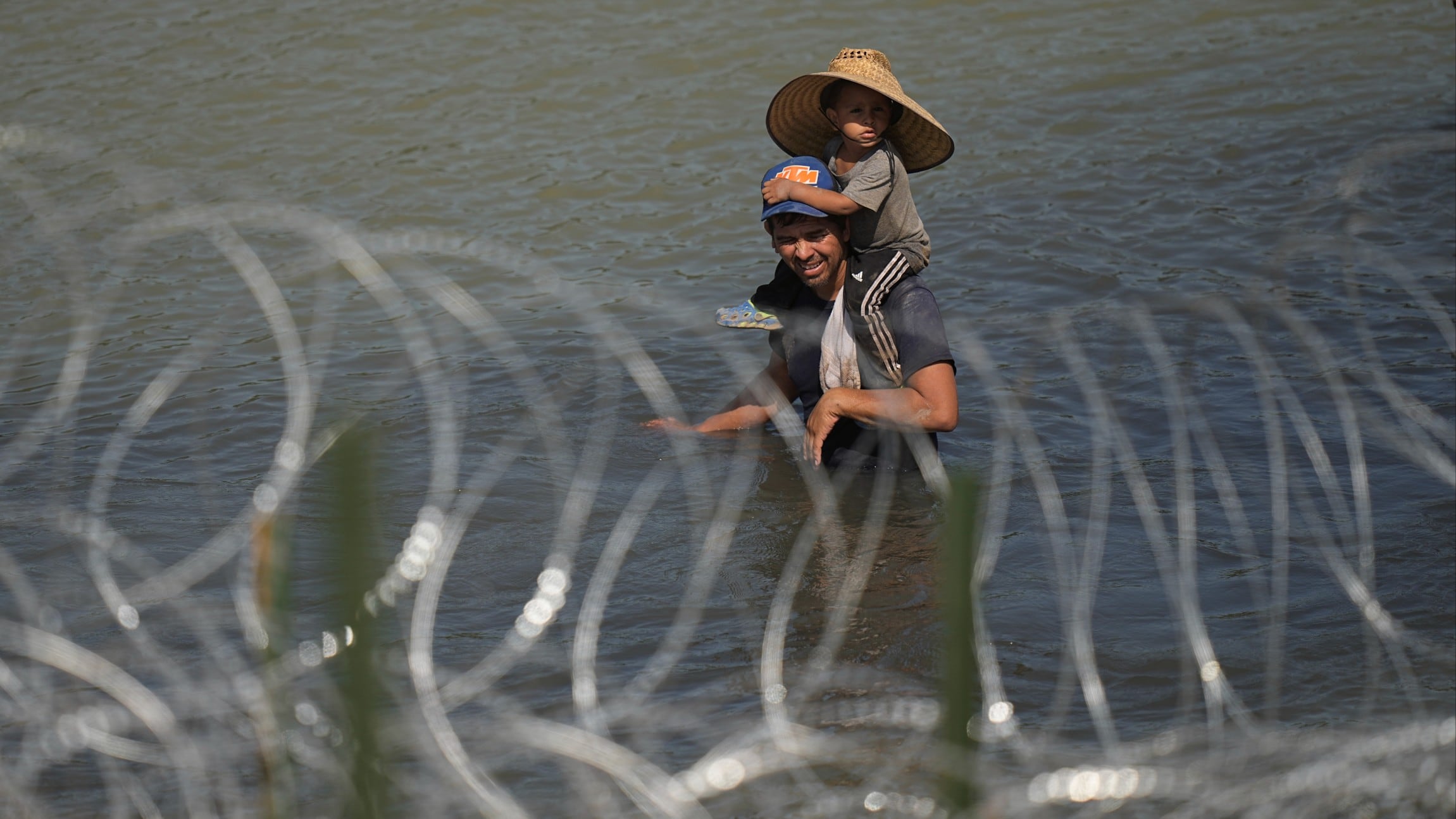
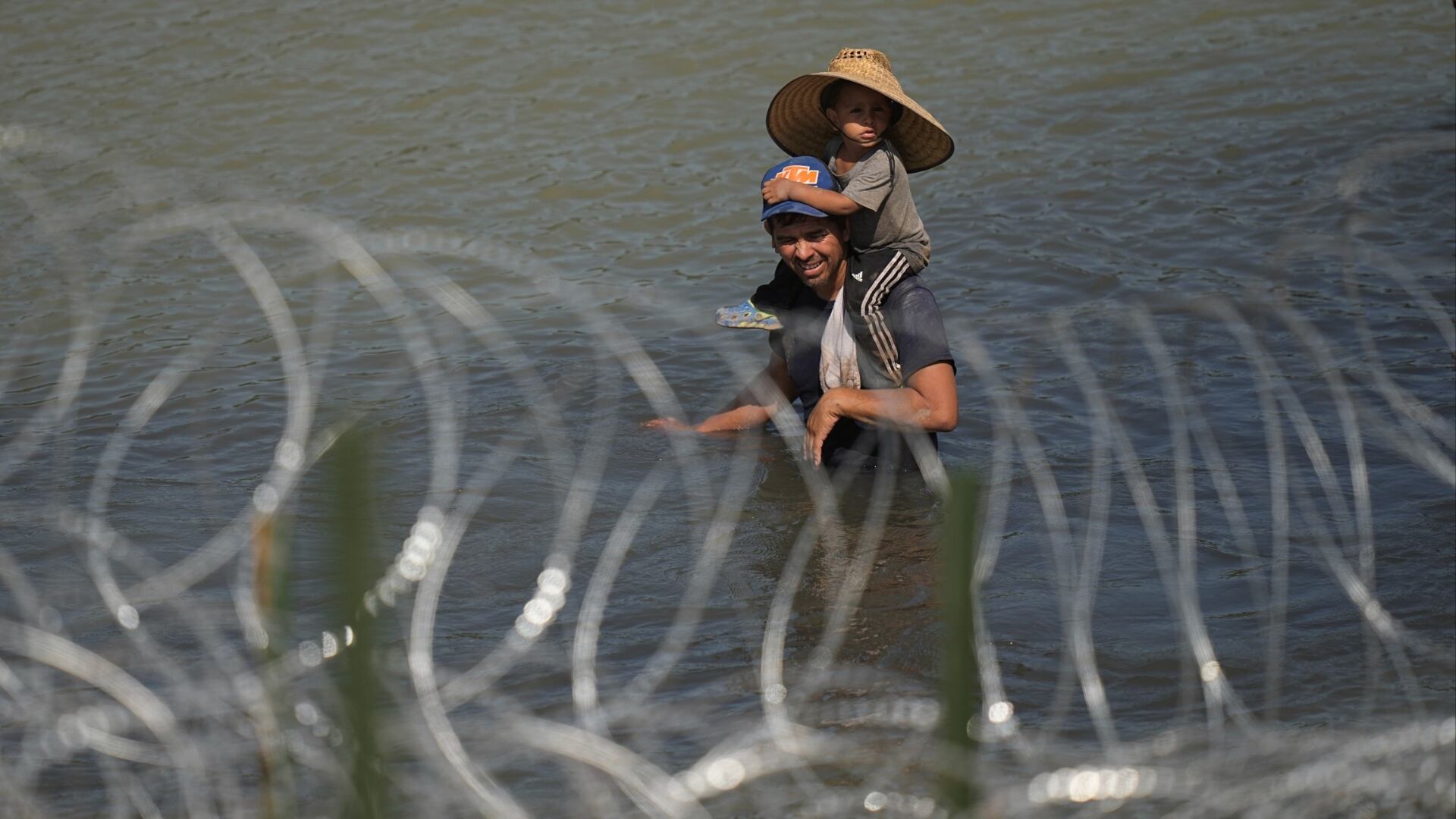
A state trooper's account of officers denying migrants water in 100-degree Fahrenheit (37.7 Celsius) temperatures and razor wire leaving asylum-seekers bloodied has prompted renewed criticism.