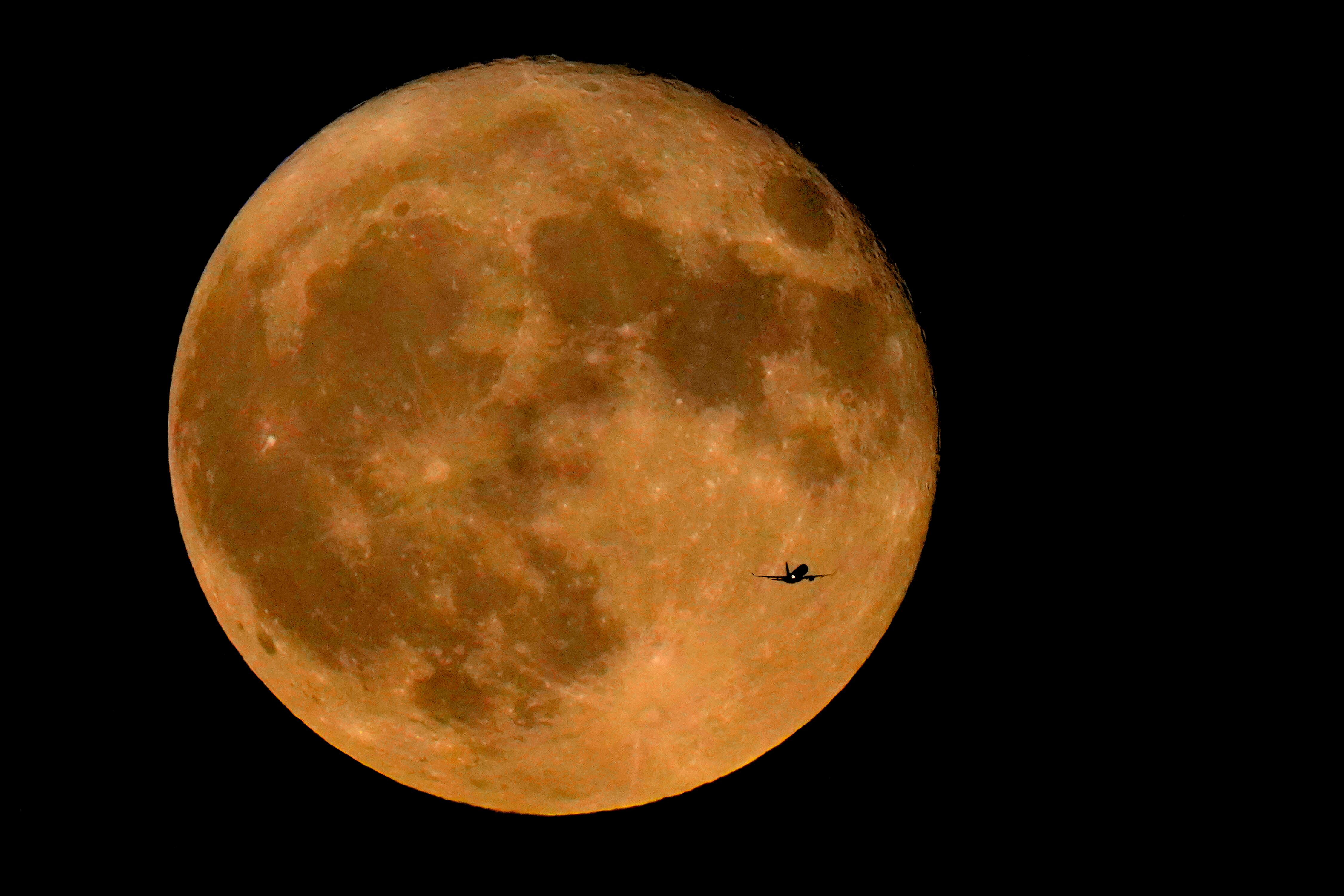
A commercial airliner flies Northwest across Lake Michigan in front of the "Full Buck" supermoon, the first of four supermoons in 2023, July 3, 2023, in Chicago. The cosmos is offering up a double feature in August: a pair of supermoons. Catch the first show Tuesday night, Aug. 2, as the full moon rises in the southeast. (AP Photo/Charles Rex Arbogast, File)
The cosmos is offering up a double feature in August: a pair of supermoons culminating in a rare blue moon.
Catch the first show Tuesday evening as the full moon rises in the southeast, appearing slightly brighter and bigger than normal. That’s because it will be closer than usual, just 222,159 miles (357,530 kilometers) away, thus the supermoon label.
The moon will be even closer the night of Aug. 30 — a scant 222,043 miles (357,344 kilometers) distant. Because it’s the second full moon in the same month, it will be what's called a blue moon.
“Warm summer nights are the ideal time to watch the full moon rise in the eastern sky within minutes of sunset. And it happens twice in August,” said retired NASA astrophysicist Fred Espenak, dubbed Mr. Eclipse for his eclipse-chasing expertise.
The last time two full supermoons graced the sky in the same month was in 2018. It won’t happen again until 2037, according to Italian astronomer Gianluca Masi, founder of the Virtual Telescope Project.
Masi will provide a live webcast of Tuesday evening’s supermoon, as it rises over the Coliseum in Rome.
“My plans are to capture the beauty of this ... hopefully bringing the emotion of the show to our viewers,” Masi said in an email.
“The supermoon offers us a great opportunity to look up and discover the sky,” he added.
This year’s first supermoon was in July. The fourth and last will be in September. The two in August will be closer than either of those.
Provided clear skies, binoculars or backyard telescopes can enhance the experience, Espenak said, revealing such features as lunar maria — the dark plains formed by ancient volcanic lava flows — and rays emanating from lunar craters.
According to the Old Farmer’s Almanac, the August full moon is traditionally known as the sturgeon moon. That’s because of the abundance of that fish in the Great Lakes in August, hundreds of years ago.
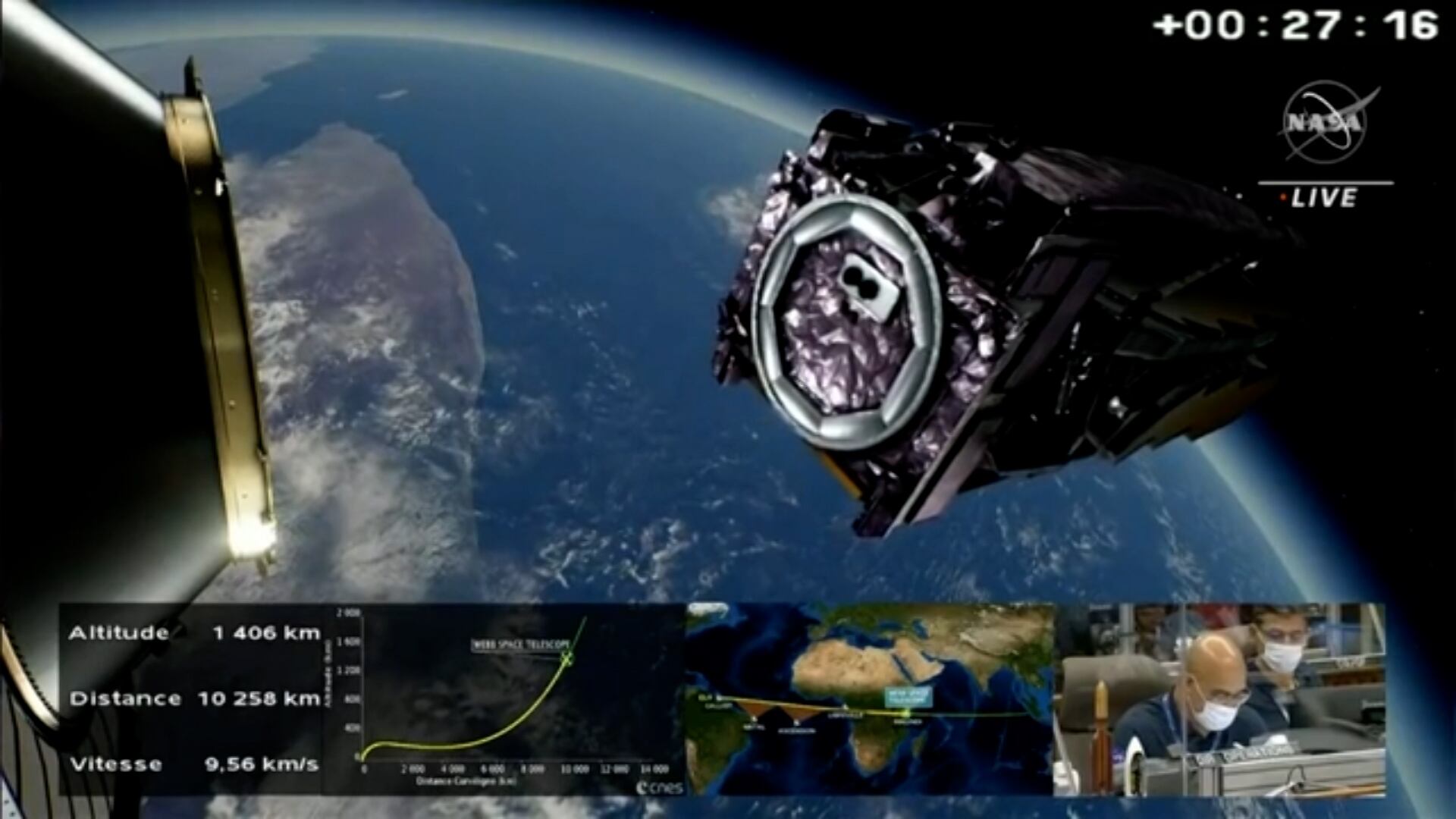
2021 was an exciting year for space innovations, but 2022 could hold even more in store. Cheddar took a deep dive into the space mission on tap for the year ahead.
The United States purchased over 600,000 doses of a monoclonal antibody treatment from Glaxosmithkline and Vir Biotechnology, bringing the total worldwide doses purchased to 1.7 million. This comes as the country attempts to ramp up treatment options as cases of the omicron variant continue to surge. Dr. Asha Shah, Director of Infectious Diseases at Stamford Health joined Cheddar's Opening Bell to discuss.
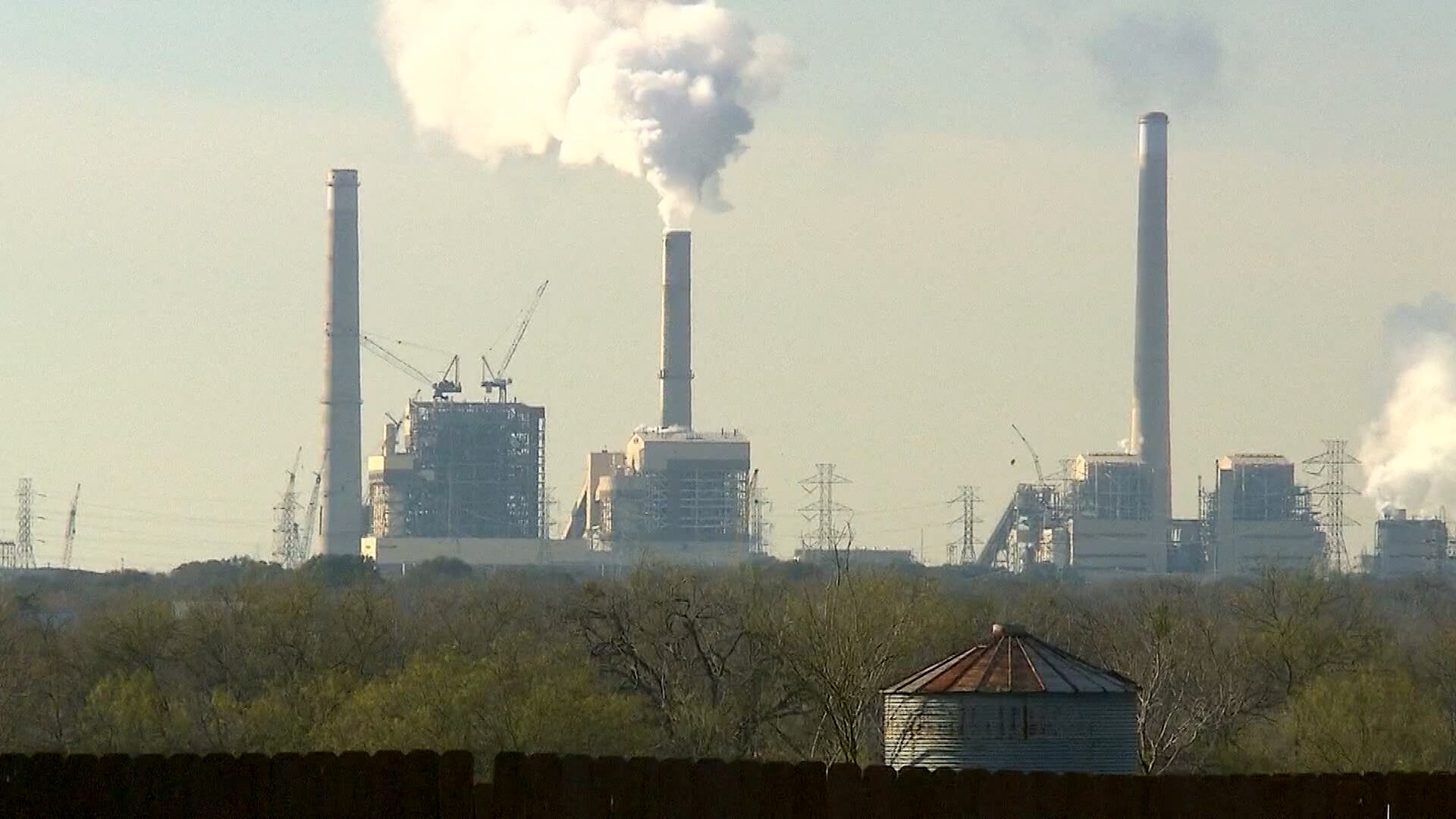
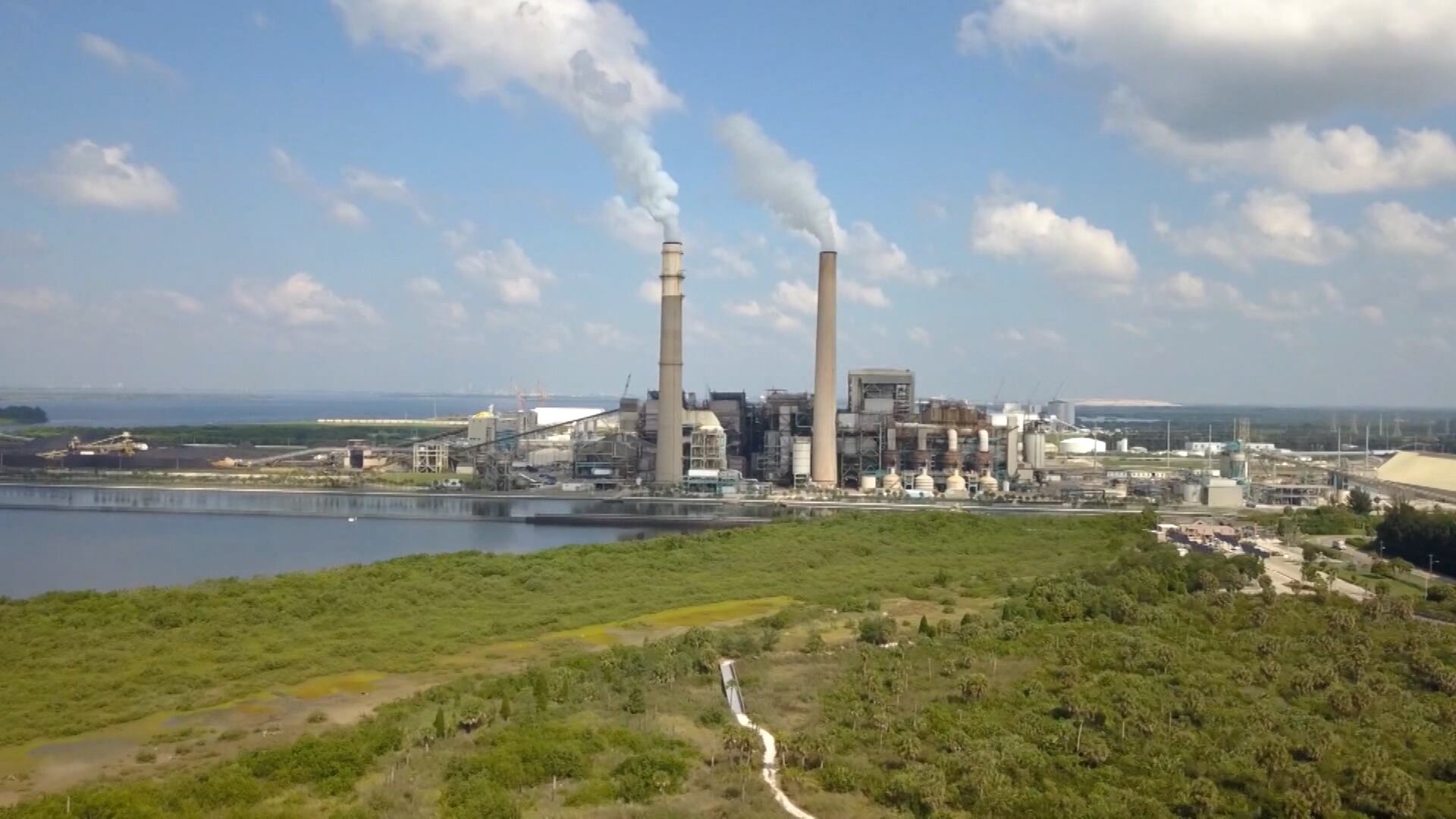
As the pandemic slammed the brakes on the nation's economy in 2020, America's greenhouse gas emissions reached their lowest levels in at least three decades. However, as the world, and the economy re-opened, 2021 told a much different story as emissions surged. Biden's flagship 'Build Back Better' act involves billions in spending on electric cars and renewables, in an effort to cut U.S. emissions, experts are still skeptical that the nation will meet the current 2030 target. Andrew Dessler, professor of atmospheric sciences at Texas A&M University, joins Cheddar News.
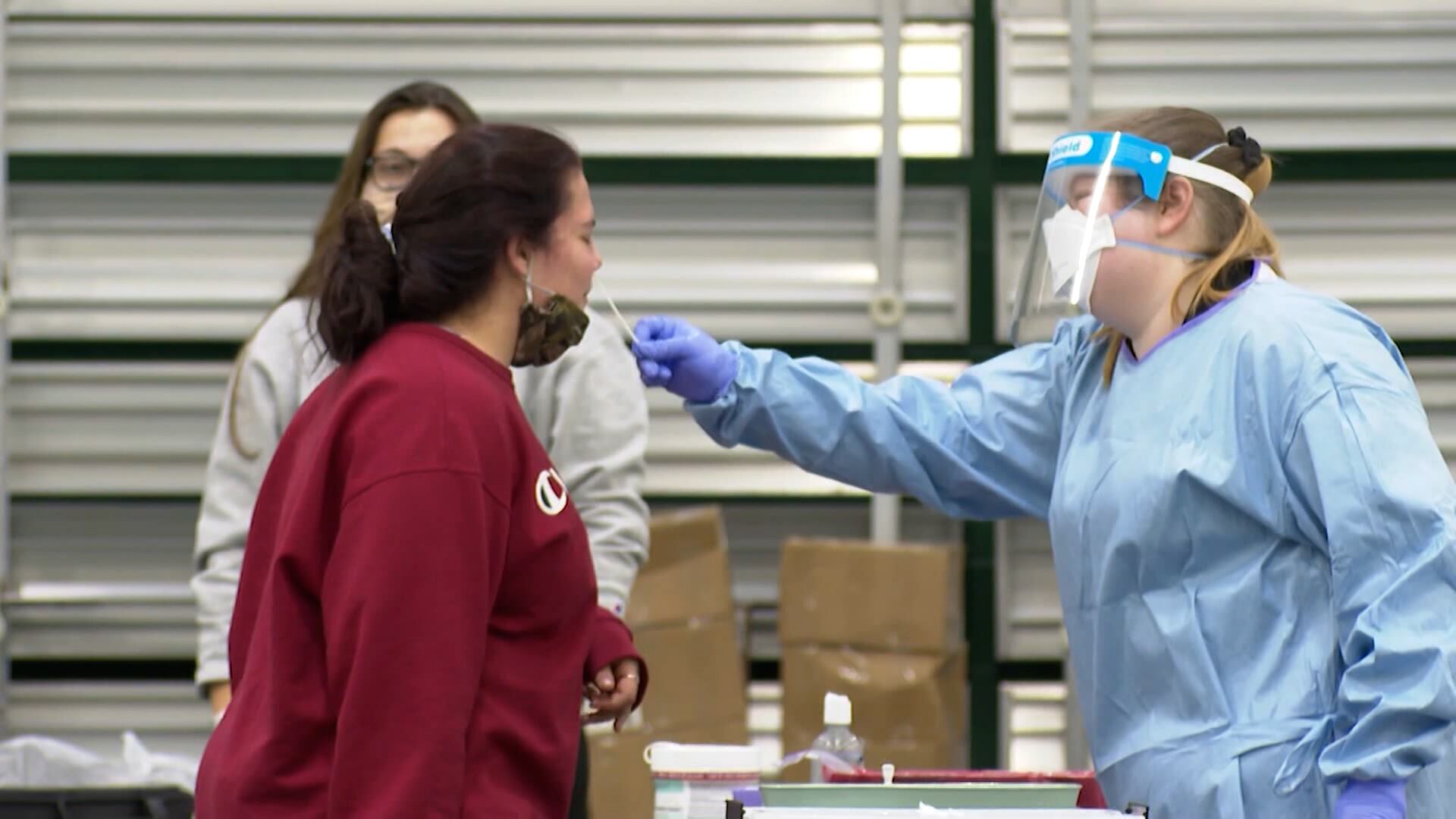
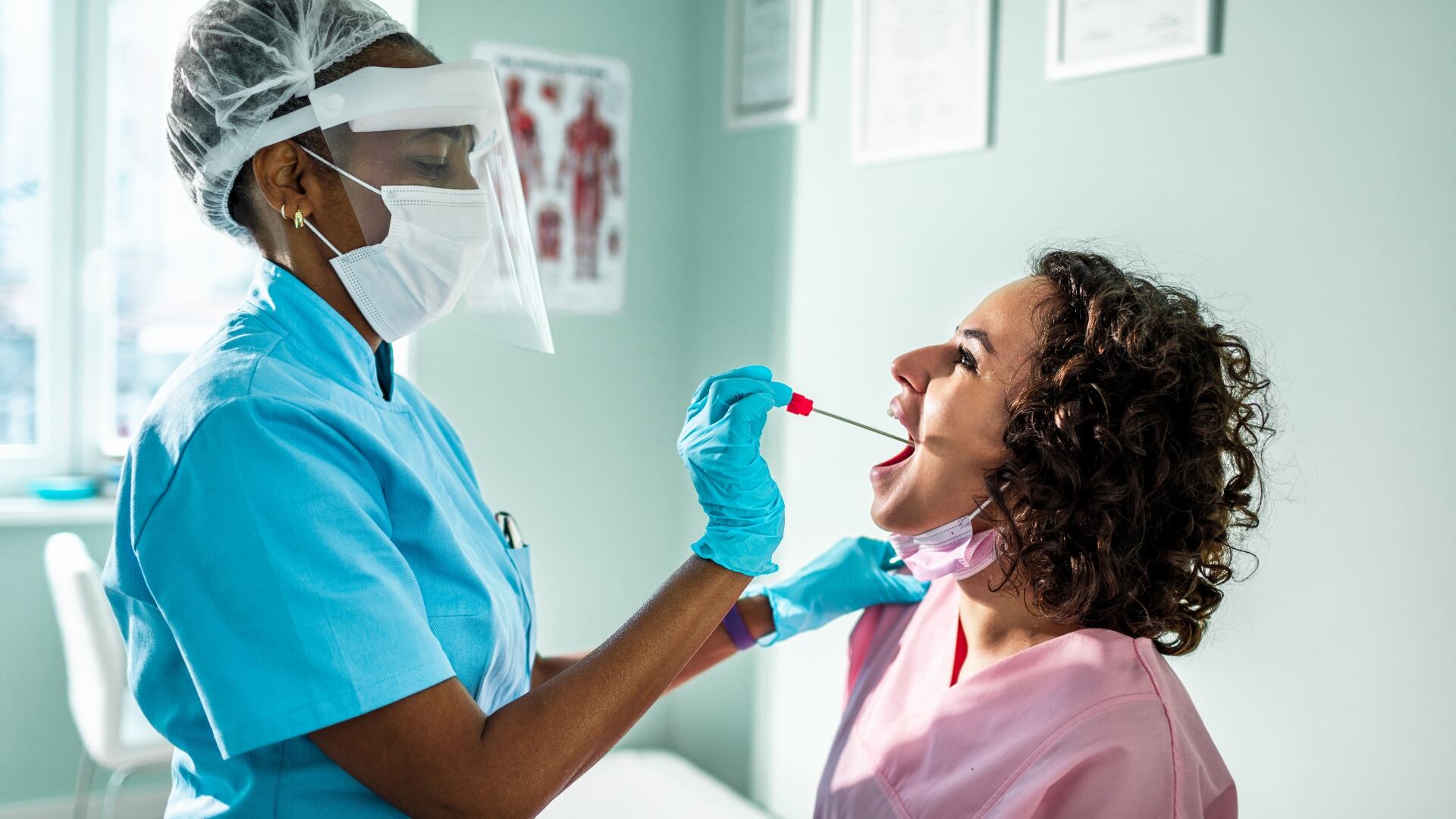
Amid the omicron surge, a new debate has emerged about whether or not throat swabs are more effective than nasal swabs for COVID testing. Dr. William Schaffner, MD, professor of infectious diseases, Vanderbilt Medical Center, sat down with Cheddar's News Wrap to weigh in on the dispute. "Should there be a change? You've got to do the studies, show that in the field [a throat swab] works as well or better than the nasal specimen," he said. "Let's not do it off our hips, as we say."
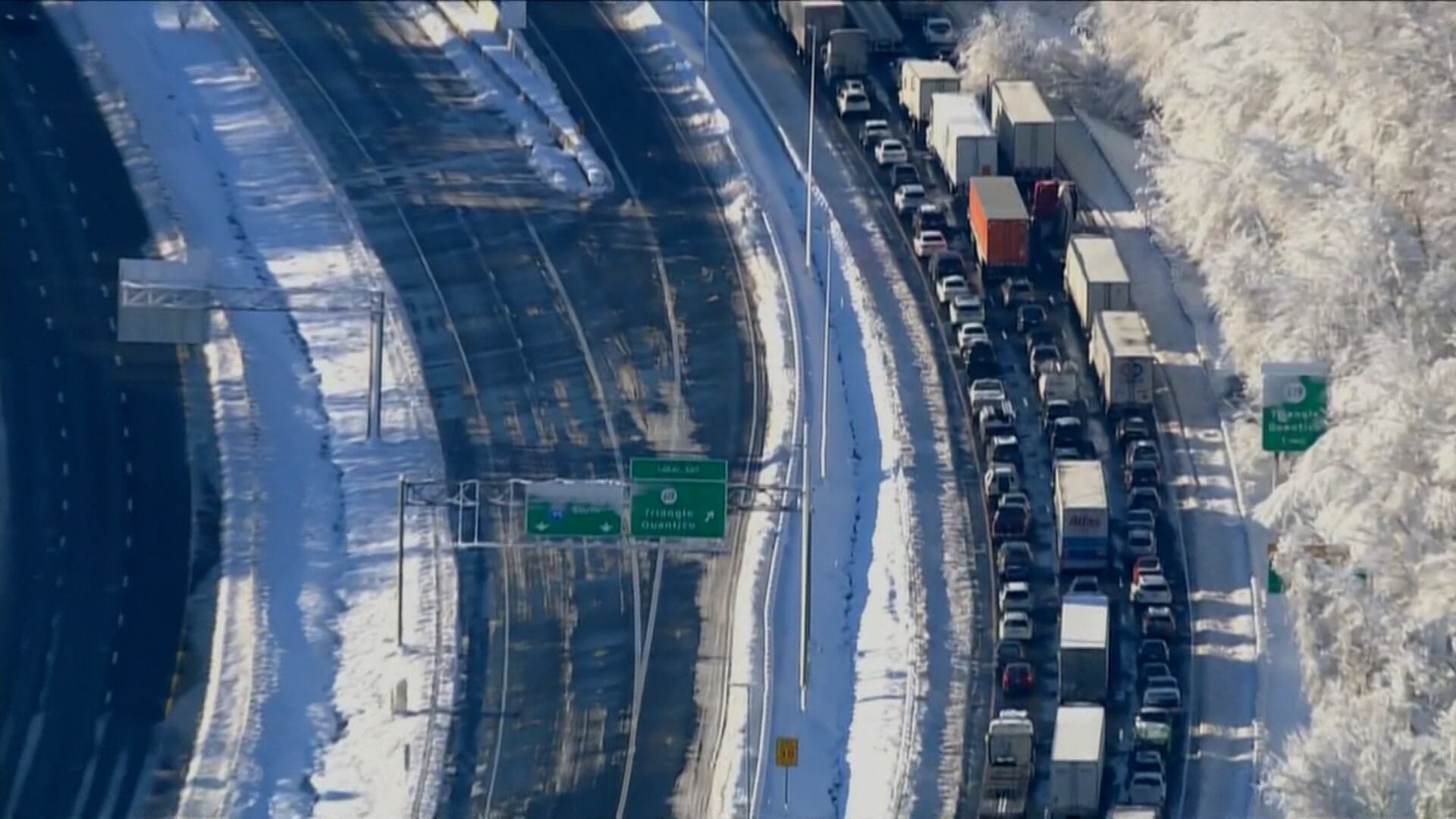
Virginia Governor Ralph Northam is declaring a state of emergency after Monday's winter storm left hundreds of drivers stranded on the interstate for more than 24 hours.
The snow also knocked out power for many residents, with more than 100,000 outages remaining days later.
Michael Wehner, a climate scientist at Lawrence Berkeley national laboratory, discusses recent weather disasters.
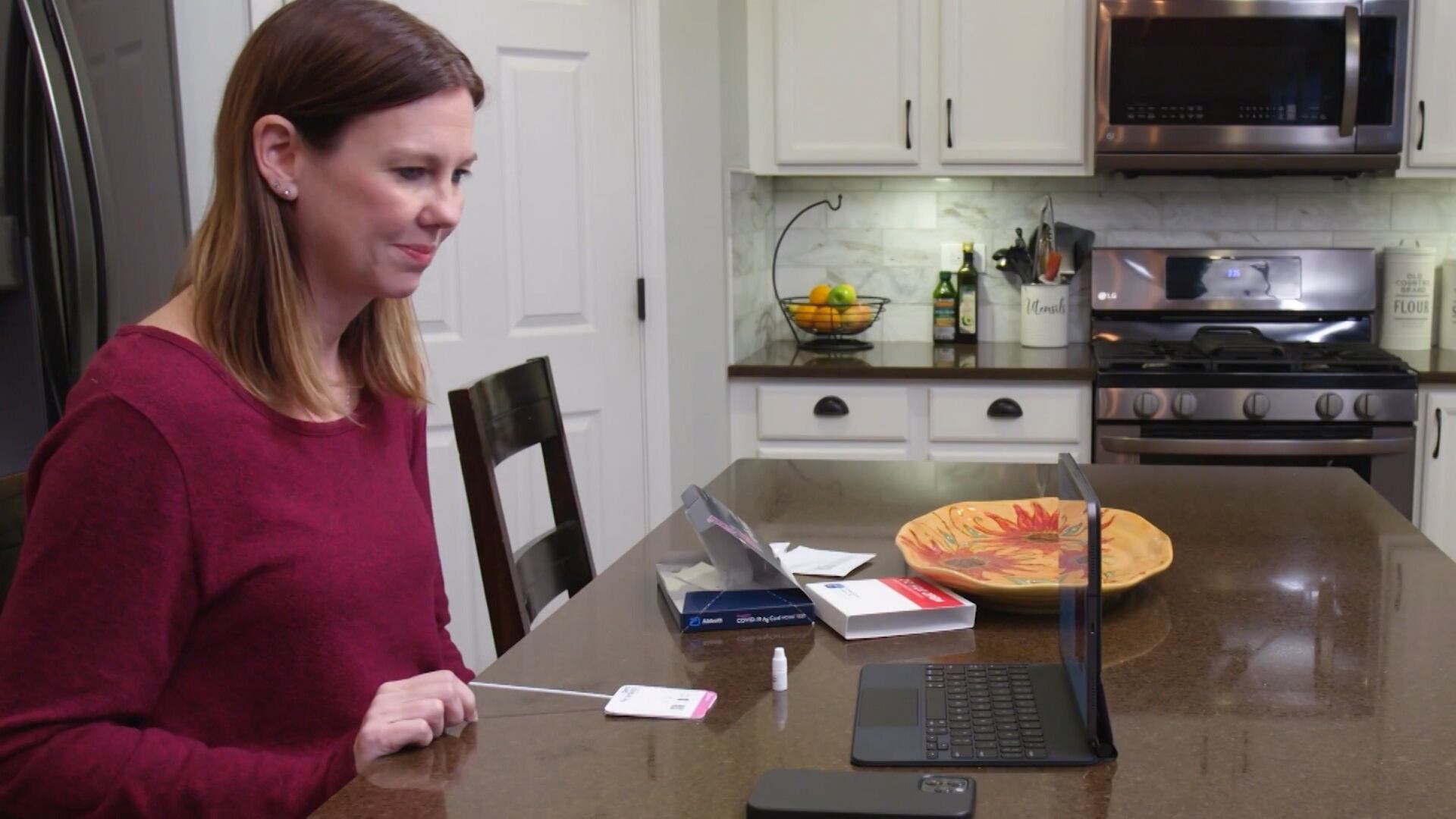
As the need for COVID-19 testing increases, so does the price of the tests themselves. An agreement with The White House and several major companies to sell the tests at a lower cost has now expired, sending prices up as retailers struggle to keep kits on shelves. Dr. Thomas McGinn, executive VP of physician enterprise at Common Spirit Health, joins Cheddar News to discuss.
A new report shows 2021 saw a surge in U.S. greenhouse gas emissions, indicating that the country remains far off track from meeting President Biden's climate change targets. Biden previously pledged to cut the nation's emissions in half by 2030, and now experts warn that immediate action must be taken in order to get the nation back on track. Zeke Hausfather, director of climate and energy at The Breakthrough Institute on U.S. Emissions and Global Temperatures, joins Cheddar News to discuss.
Electric vehicles are quickly becoming an accessible way for consumers to slash emissions as legacy automakers begin to electrify their fleets and world leaders including President Joe Biden push for broad EV adoption. But consumers have concerns about EV range, the availability of charging stations, and more. What if it were both helpful to consumers — and feasible from a climate change standpoint — to keep hybrid models that run on gas on the market? Gill Pratt, CEO of the Toyota Research Institute & Toyota Motor Corporation's Chief Scientist joins Cheddar Climate to discuss his team's research about 'carbon return on investment,' how Toyota is electrifying its fleet, and more.
According to a recent analysis compiled by The Washington Post, more than four in 10 Americans lived in areas hit by climate-related disasters in 2021. Jonathan Porter, Chief Meteorologist at AccuWeather, joined Cheddar Climate to discuss what this means and what can be done to prevent severe weather events from becoming even worse.
It's a painfully cold week across a large portion of the U.S. with more than 185 million Americans experiencing below-freezing temperatures on Monday and 10 million of them dealing with dangerous sub-zero temps.