The Twitter icon is displayed on a mobile phone in Philadelphia on April 26, 2017. Twitter said in a statement Friday, April 15, 2022, that its board of directors has unanimously adopted a “poison pill” defense in response to Tesla CEO Elon Musk’s proposal to buy the company and take it private. (AP Photo/Matt Rourke, File)
By Matt O'Brien
Twitter said Friday that its board of directors has unanimously adopted a “poison pill” defense in response to Tesla CEO Elon Musk’s proposal to buy the company and take it private.
Twitter said the move, formally called a “limited duration shareholder rights plan," aims to enable its investors to “realize the full value of their investment” by reducing the likelihood that any one person can gain control of the company without either paying shareholders a premium or giving the board more time. Poison pills are often used to defend against hostile takeovers.
Twitter’s plan would take effect if Musk’s roughly 9% stake grows to 15% or more. Even then, Musk could still take over the company with a proxy fight by voting out the current directors. Twitter said the plan doesn’t prevent the board from engaging with parties or accepting an acquisition proposal if it’s in the company’s “best interests.”
Twitter had revealed in a securities filing Thursday that Musk offered to buy the company outright for more than $43 billion, saying the social media platform “needs to be transformed as a private company” in order to build trust with its users.
“I believe free speech is a societal imperative for a functioning democracy,” Musk said in the filing. “I now realize the company will neither thrive nor serve this societal imperative in its current form.”
Later on Thursday, during an onstage interview at the TED 2022 conference, he went even broader: “Having a public platform that is maximally trusted and broadly inclusive is extremely important to the future of civilization.”
Former Medtronic CEO and author of 'True North' Bill George explains the steps Boeing leadership must take to regain client and consumer trust after 737 Max 9 production was stopped.
Amazon blamed "regulatory hurdles" for calling off its proposed acquisition of robot vacuum maker iRobot. Not even a Roomba could clean up the deal's antitrust scrutiny.
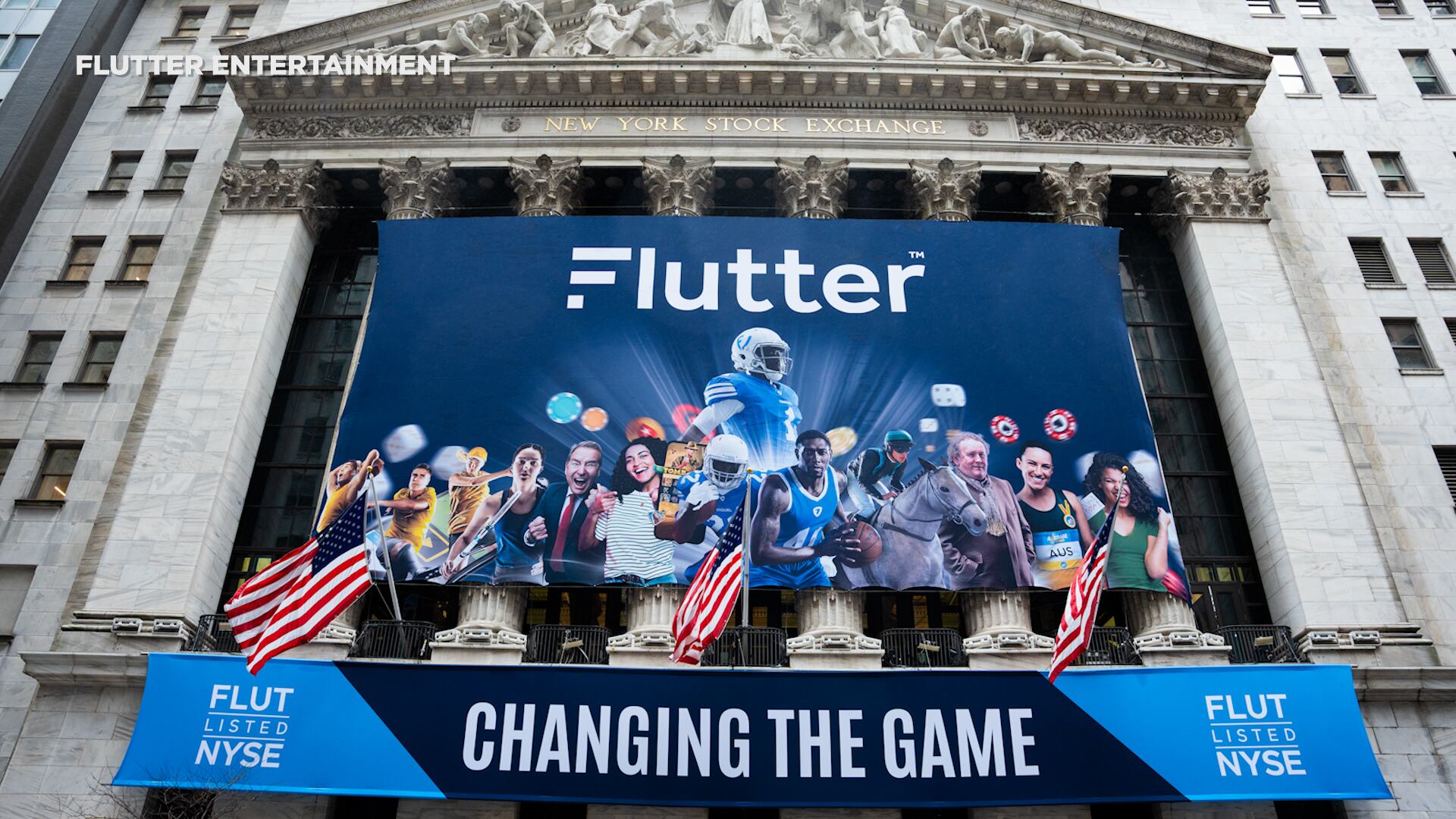
To celebrate Flutter Entertainment's debut on the NYSE, FanDuel CEO Amy Howe shares her thoughts on the company's plans for growth, the future of online sportsbetting, and Super Bowl Sunday.
Investopedia's Caleb Silver shares thoughts on the upcoming Fed meeting, why individual investors are still slightly skeptical, and what he's looking for from mega cap tech earnings.
Season's greetings! Tax season, that is. January 29 is the first day you can file your tax return. We walk you through each step — plus a checklist you can download.
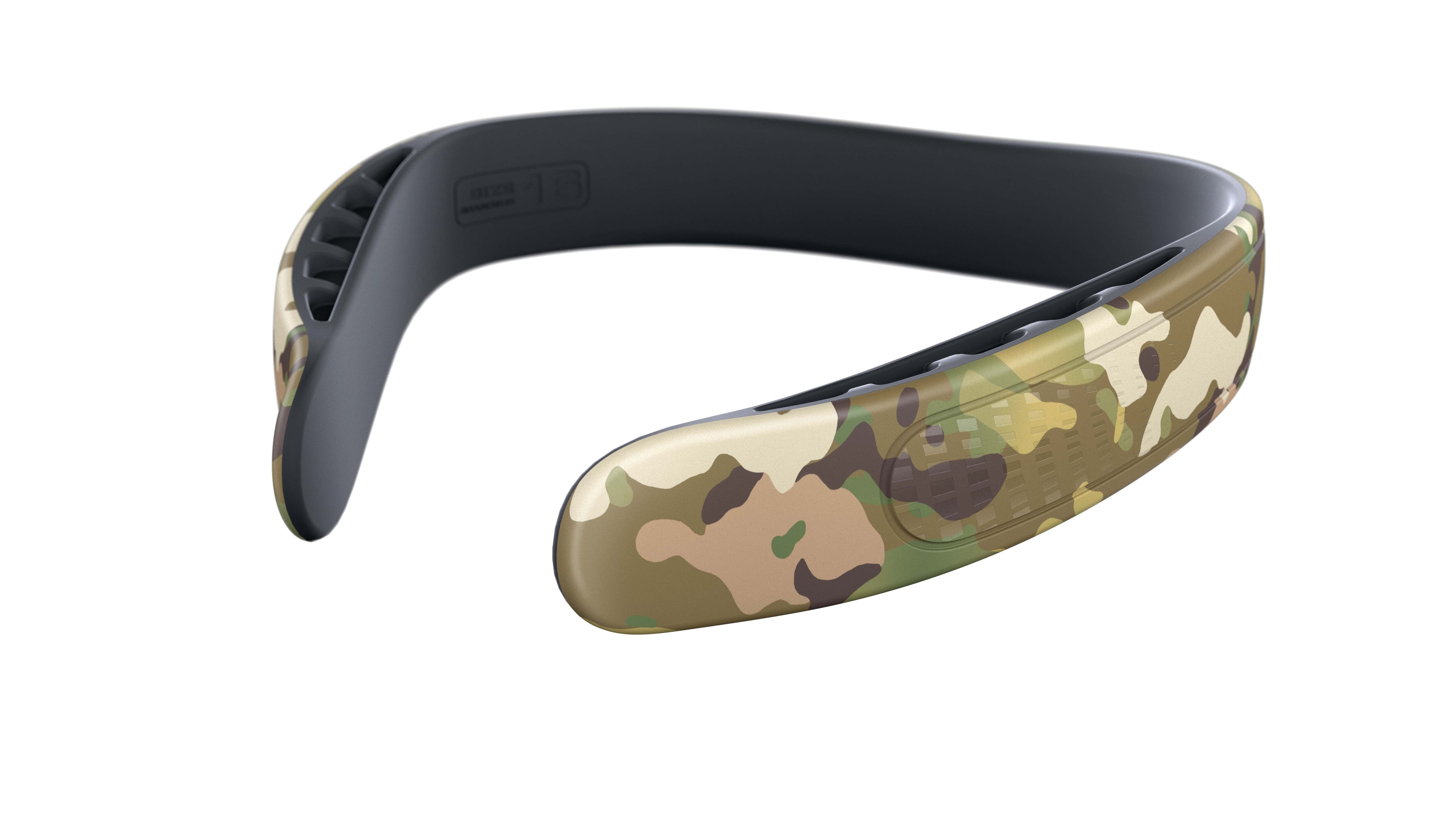
The Q-Collar helps protect athletes from impact-related concussions. Now, the U.S. Army is evaluating if the device could help reduce traumatic brain injury cased by blast weapons.
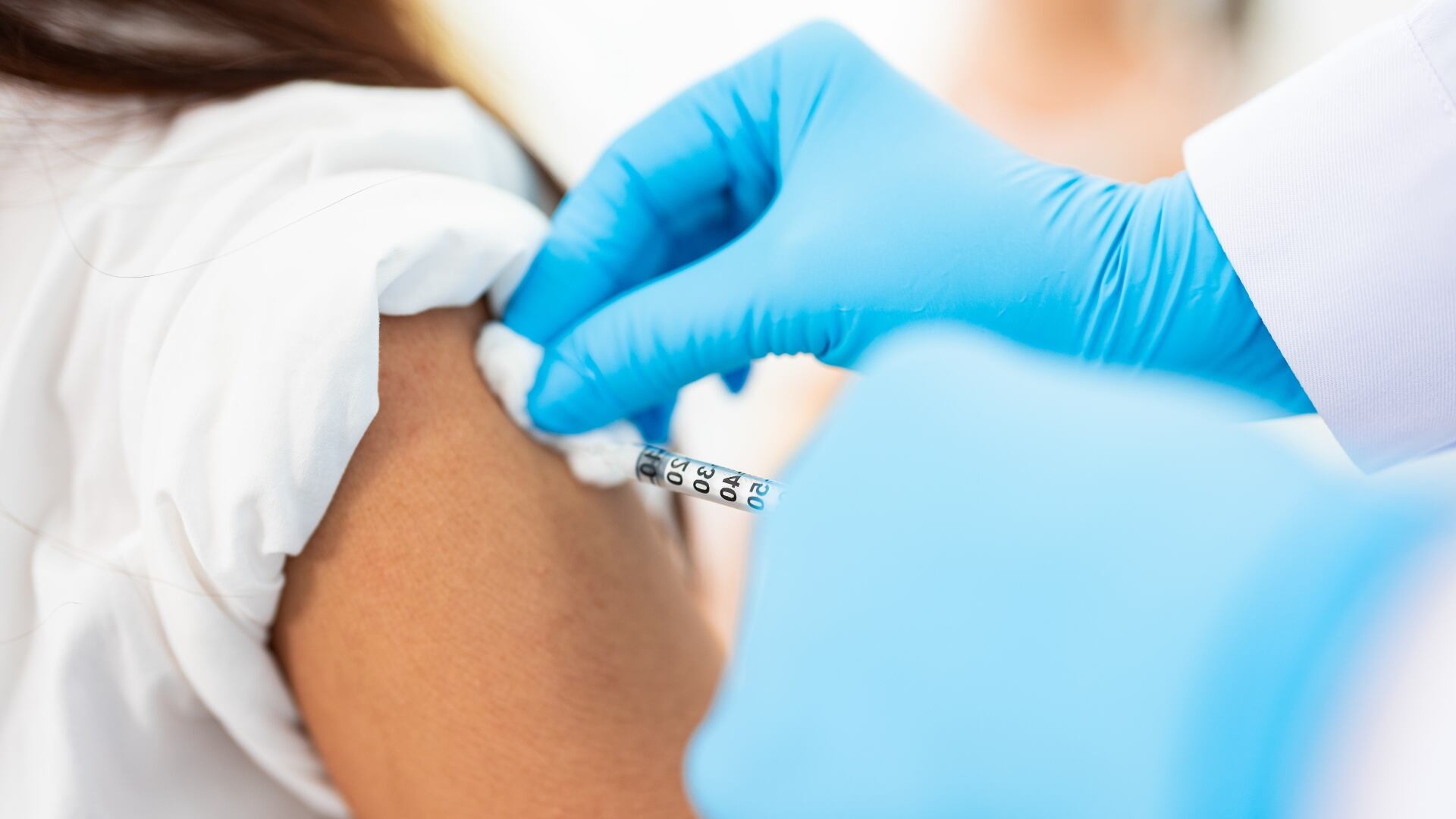
Co-founder and executive chairman of the board at Vaxxinity Lou Reese shares how the company is working to bring vaccines for chronic illnesses like heart disease and Parkinson’s to market with an eye for accessibility.
Mario Veneroso, Kingsview Asset Management Partner, weighs in on the latest economic data and whether the market is pricing in too many rate cuts for the coming year.