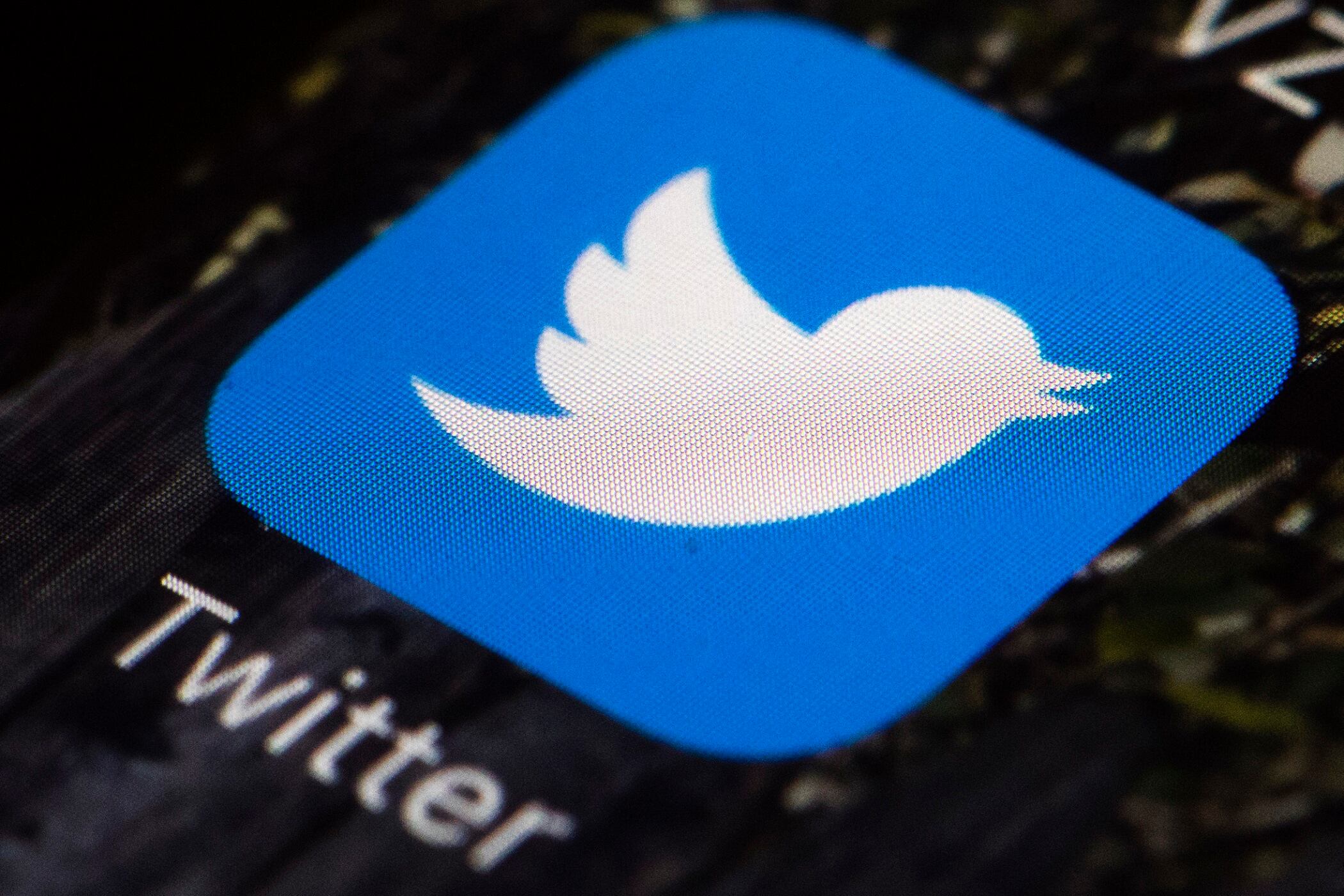
The Twitter icon is displayed on a mobile phone in Philadelphia on April 26, 2017. Twitter said in a statement Friday, April 15, 2022, that its board of directors has unanimously adopted a “poison pill” defense in response to Tesla CEO Elon Musk’s proposal to buy the company and take it private. (AP Photo/Matt Rourke, File)
By Matt O'Brien
Twitter said Friday that its board of directors has unanimously adopted a “poison pill” defense in response to Tesla CEO Elon Musk’s proposal to buy the company and take it private.
Twitter said the move, formally called a “limited duration shareholder rights plan," aims to enable its investors to “realize the full value of their investment” by reducing the likelihood that any one person can gain control of the company without either paying shareholders a premium or giving the board more time. Poison pills are often used to defend against hostile takeovers.
Twitter’s plan would take effect if Musk’s roughly 9% stake grows to 15% or more. Even then, Musk could still take over the company with a proxy fight by voting out the current directors. Twitter said the plan doesn’t prevent the board from engaging with parties or accepting an acquisition proposal if it’s in the company’s “best interests.”
Twitter had revealed in a securities filing Thursday that Musk offered to buy the company outright for more than $43 billion, saying the social media platform “needs to be transformed as a private company” in order to build trust with its users.
“I believe free speech is a societal imperative for a functioning democracy,” Musk said in the filing. “I now realize the company will neither thrive nor serve this societal imperative in its current form.”
Later on Thursday, during an onstage interview at the TED 2022 conference, he went even broader: “Having a public platform that is maximally trusted and broadly inclusive is extremely important to the future of civilization.”
Alexander Reed, CFA and CIO for Envisage Wealth, breaks down why he thinks rates could stay higher for longer and why real estate, utilities, and regional banks are sectors to avoid.
Big brands that have relied on TikTok videos to reach younger consumers do not appear to be panicking as they wait to see what happens. But they have started planning.
It's been 15 years since the last fatal crash of a U.S. airliner, but you wouldn't know that from a torrent of flight problems that made news in the last three months.
Abortion opponents want the high court to ratify a ruling from a conservative federal appeals court that would limit access to a medication called mifepristone, which was used in nearly two-thirds of abortions last year.
Annie Chechitelli, chief product officer at Turnitin, breaks down how students and teachers alike can learn from artificial intelligence – while still maintaining academic integrity.
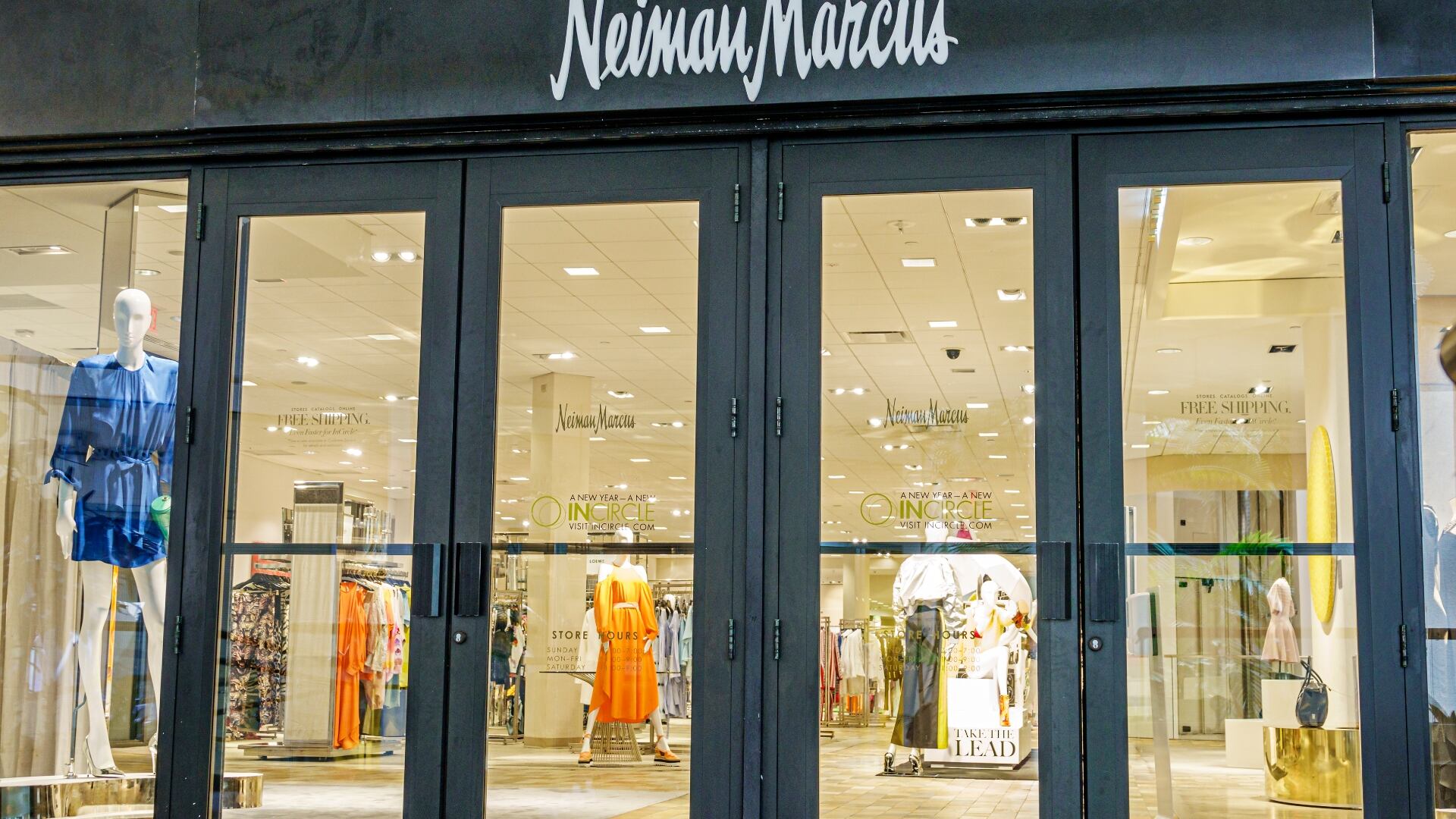
Neiman Marcus Group CEO Geoffroy van Raemdonck talks luxury shopping and TikTok, why the company prefers to be private for now, and the benefits of flexible work arrangements.
Rebecca Walser, founder and CEO of Walser Wealth Management, discusses how geopolitical conditions, the bifurcated economy, and other volatility could weigh on markets.