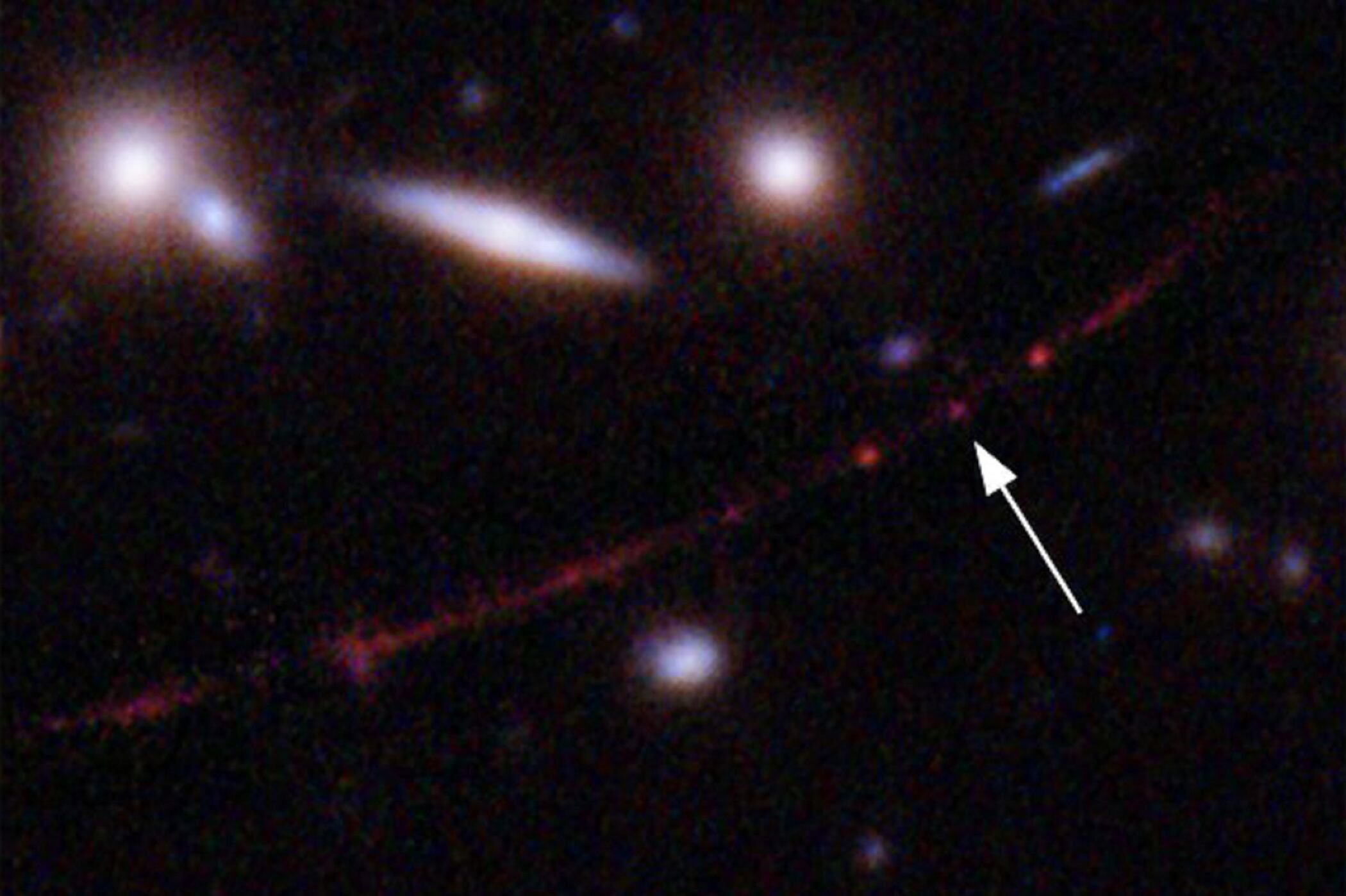
Astronomers have discovered the farthest star yet, a super-hot, super-bright giant that formed nearly 13 billion years ago at the dawn of the cosmos.
By Marcia Dunn
Astronomers have discovered the farthest star yet, a super-hot, super-bright giant that formed nearly 13 billion years ago at the dawn of the cosmos.
But this luminous blue star is long gone, so massive that it almost certainly exploded into bits just a few million years after emerging. Its swift demise makes it all the more incredible that an international team spotted it with observations by the Hubble Space Telescope. It takes eons for light emitted from distant stars to reach us.
“We’re seeing the star as it was about 12.8 billion years ago, which puts it about 900 million years after the Big Bang,” said astronomer Brian Welch, a doctoral student at Johns Hopkins University and lead author of the study appearing in Wednesday’s journal Nature.
“We definitely just got lucky.”
He nicknamed it Earendel, an Old English name which means morning star or rising light — “a fitting name for a star that we have observed in a time often referred to as `Cosmic Dawn.′ ”
The previous record-holder, Icarus, also a blue supergiant star spotted by Hubble, formed 9.4 billion years ago. That’s more than 4 billion years after the Big Bang.
In both instances, astronomers used a technique known as gravitational lensing to magnify the minuscule starlight. Gravity from clusters of galaxies closer to us — in the foreground — serve as a lens to magnify smaller objects in the background. If not for that, Icarus and Earendel would not have been discernible given their vast distances.
While Hubble has spied galaxies as far away as 300 million to 400 million years of the universe-forming Big Bang, their individual stars are impossible to pick out.
“Usually they’re all smooshed together ... But here, nature has given us this one star — highly, highly magnified, magnified by factors of thousands — so that we can study it,” said NASA astrophysicist Jane Rigby, who took part in the study. “It’s such a gift really from the universe.”
Vinicius Placco of the National Science Foundation’s NOIRlab in Tucson, Arizona, described the findings as “amazing work.” He was not involved in the study.
Placco said based on the Hubble data, Earendel may well have been among the first generation of stars born after the Big Bang. Future observations by the newly launched James Webb Space Telescope should provide more details, he said, and “provide us with another piece of this cosmic puzzle that is the evolution of our universe.”
Current data indicate Earendel was more than 50 times the size of our sun and an estimated 1 million times brighter, outsizing Icarus. Earendel’s small, yet-to-mature home galaxy looked nothing like the pretty spiral galaxies photographed elsewhere by Hubble, according to Welch, but rather “kind of an awkward-looking, clumpy object.” Unlike Earendel, he said, this galaxy probably has survived, although in a different form after merging with other galaxies.
“It's like a little snapshot in amber of the past,” Rigby said.
Earendel may have been the prominent star in a two-star, or binary, system, or even a triple- or quadruple-star system, Welch said. There’s a slight chance it could be a black hole, although the observations gathered in 2016 and 2019 suggest otherwise, he noted.
Regardless of its company, the star lasted barely a few million years before exploding as a supernova that went unobserved as most do, Welch said. The most distant supernova seen by astronomers to date goes back 12 billion years.
The Webb telescope — 100 times more powerful than Hubble — should help clarify how massive and hot the star really is, and reveal more about its parent galaxy.
By studying stars, Rigby said: “We are literally understanding where we came from because we’re made up of some of that stardust.”
___
The Associated Press Health and Science Department receives support from the Howard Hughes Medical Institute’s Department of Science Education. The AP is solely responsible for all content.
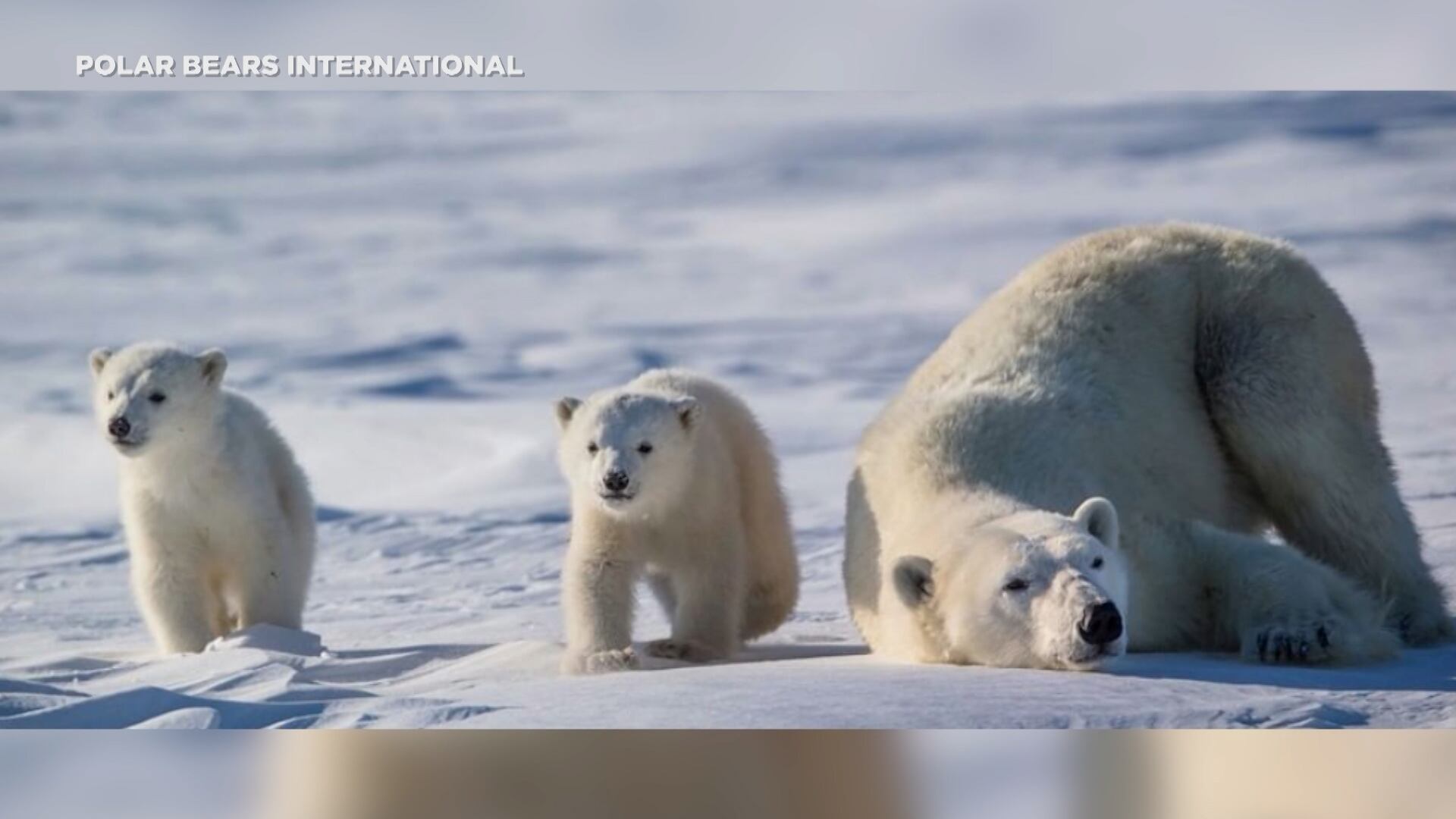
Alysa McCall, director of conservation outreach and staff scientist at Polar Bears International, joined Cheddar to discuss the ongoing fight to protect polar bears from extinction while world leaders gathered to discuss the climate crisis. McCall explained her organization's mission "to ensure the long term survival of polar bears by helping ensure their arctic sea ice habitat remains intact." McCall said she hopes actionable steps are taken after the UN climate summit to mitigate the crisis and not just more promises.
Moderna reported a massive miss on revenue in its Q3 earnings, taking in $5 billion versus the expected $6.21 billion despite sales of the COVID-19 vaccine. The pharmaceutical giant's stock dropped sharply on the news.
Carlo and Baker discuss the fallout from Tuesday's election and the flashing warning sign for Dems ahead of the midterms. Also, a big 2A case at the Supreme Court, Aaron Rodgers has Covid and is in big trouble, and a first for the MCU.
Carlo and Baker discuss the election results across the country, including a Republican comeback in Virginia -- and possibly NJ -- plus the CDC gives the go-ahead for child vaccinations, Atlanta wins the World Series and more.
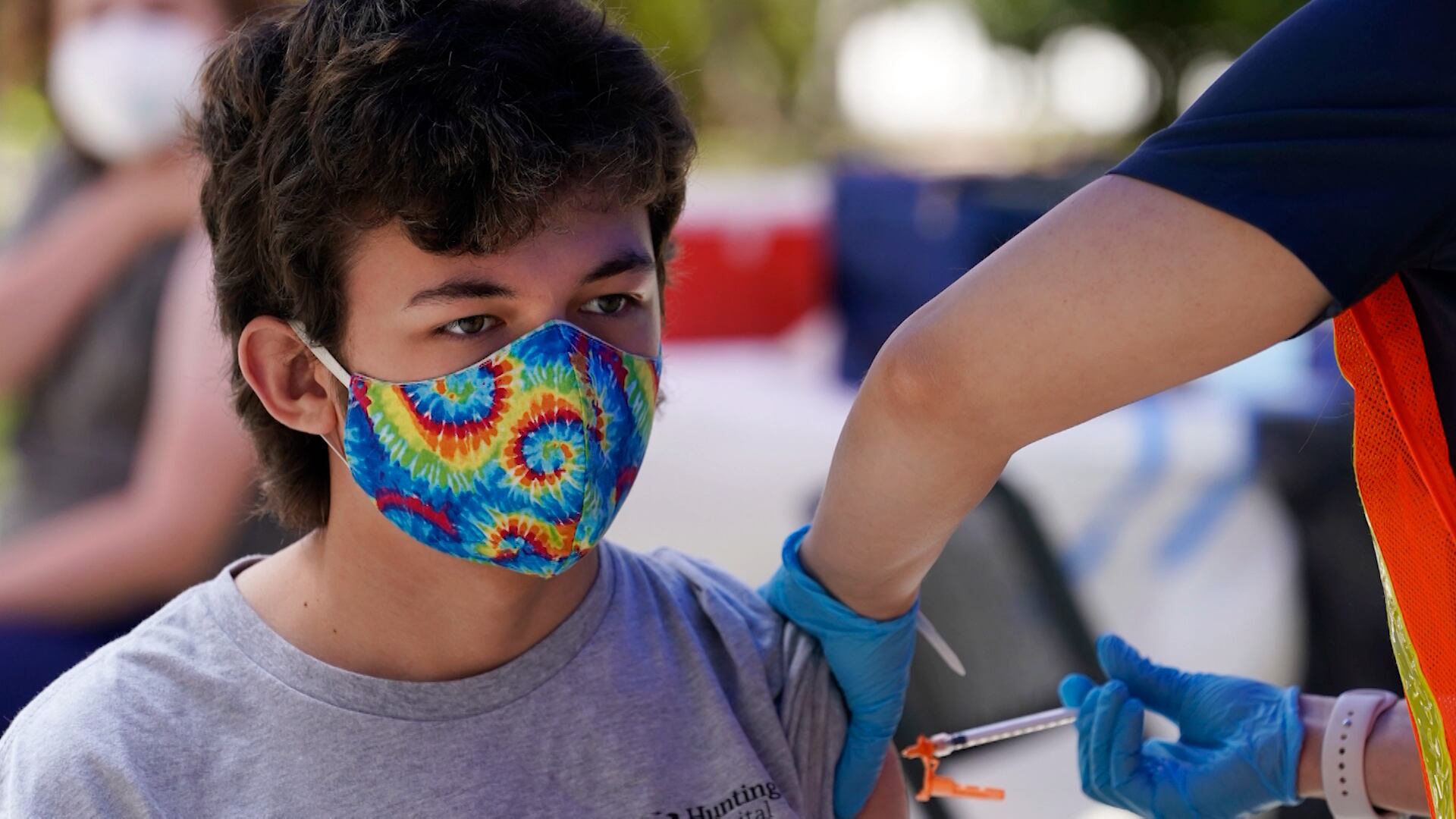
Dr. Julie Morita, executive vice president of Robert Wood Johnson Foundation, joined Cheddar to discuss the CDC advisory panel recommending the Pfizer vaccine for children ages 5-11. "We've seen many millions of children getting sick, many hospitalized, many dying because of COVID," Morita said. "And so now we have a new tool that we can use to keep our children safe." She also noted that hesitancy among parents about vaccinating their children will likely fade in time as the childhood vaccine program gets underway.
Matthew Oxenford, Analyst at the Economist Intelligence Unit, joins a special edition of Cheddar Climate, where he discusses the responsibilities big businesses across multiple sectors have when it comes to combating the effects of climate change around the world.
President Joe Biden introduced the Global Methane Pledge on the second day of the United Nations climate summit. The U.S. and the European Union will lead the way when it comes to methane emissions reductions, and close to 100 nations have also signed on. It's seen as the fastest way to slow down global warming and keep nations on track toward meeting the goal of keeping warming just 1.5 degrees Celsius above late 1800s atmospheric levels. Dr. Sweta Chakraborty, U.S. President of climate-focused startup 'We Don't Have Time' joins Cheddar Climate to discuss the importance of the Biden administration's methane regulations -- and the importance of U.S. leadership when it comes to climate issues.
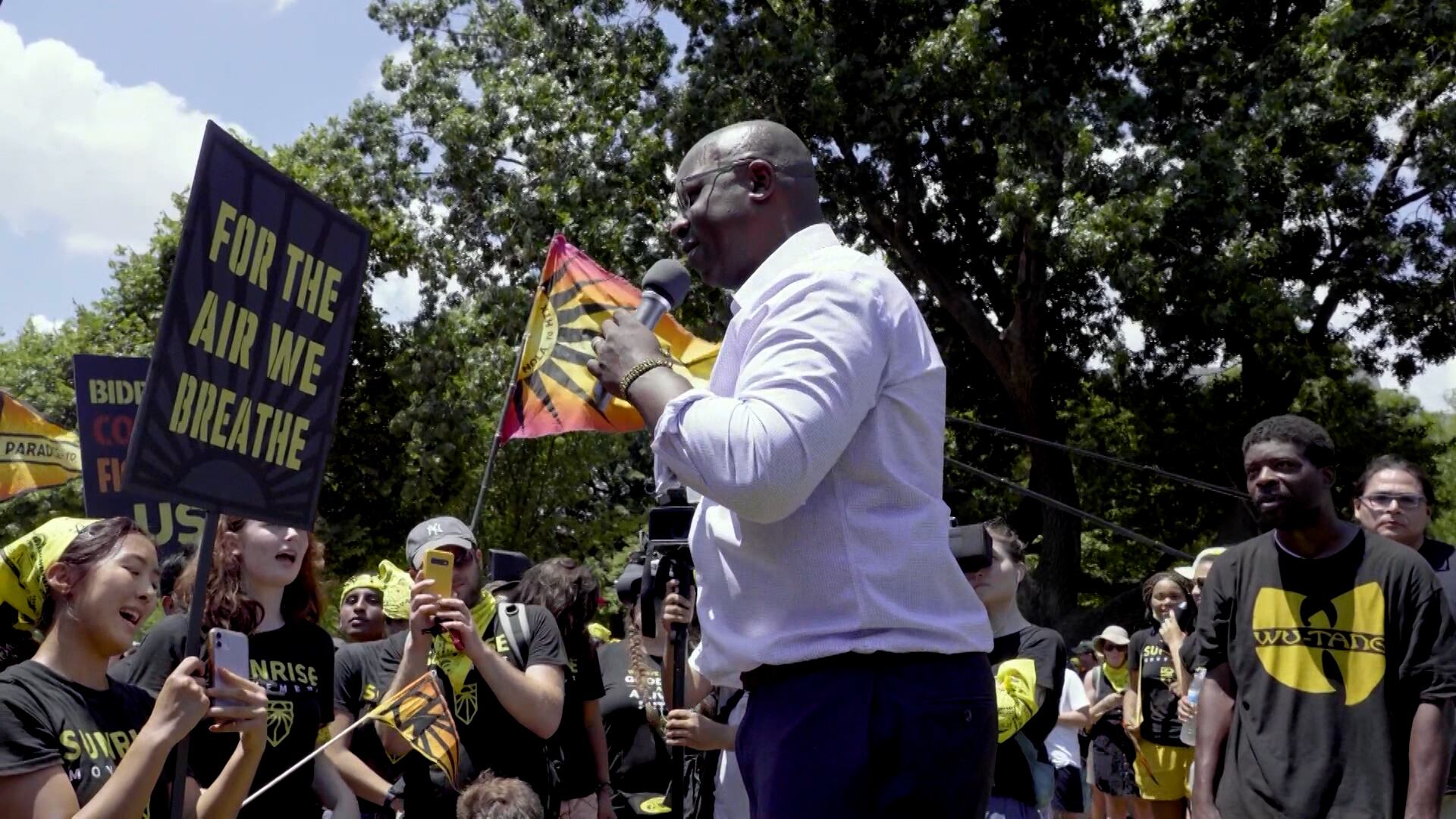
John Paul Mejia, the national spokesperson for the Sunrise Movement, joined Cheddar to talk about what the youth activist group wants to see from President Joe Biden as he attends the COP26 climate summit. Mejia admonished the president for having little to deliver on his own climate agenda domestically while at the conference. "We need the president to follow through with his promises because, frankly, it's a matter of life or death not only for communities here in the United States but also those looking to us around the world," he said.
With COP26 kicking off, roughly 120 world leaders and delegates are in Glasgow, Scotland to hold climate talks this week. As experts continue to warn about the dangers of climate change, ESG investing is more important than ever.
Georges Archibald, Head of Apex Americas at Apex Group joined Cheddar's Opening Bell to discuss.
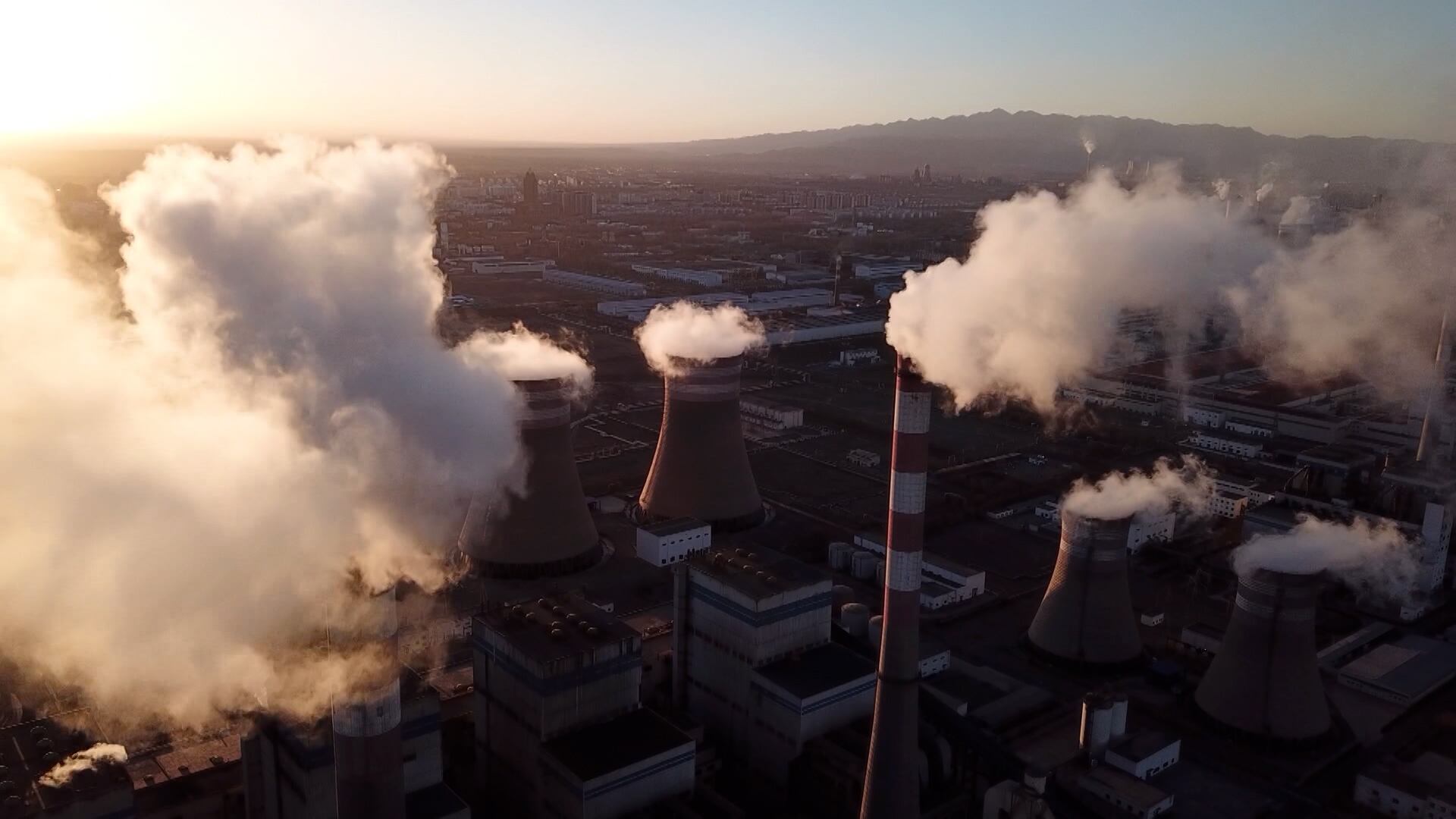
Roughly 20,000 heads of state, diplomats, and activists will gather in person starting Oct. 31 to address the threat of climate change. The summit, known as COP26, is seen as a crucial step in getting the crisis under control as scientists warn global warming is only getting worse. Carroll Muffett, President and CEO of the Center for International Environmental Law, joined Cheddar to explain the goals of COP26 and why it's so crucial for the world leaders to step up and make new, aggressive climate commitments.