The Trump administration last week rescinded a Obama-era rule that asked HUD recipients to measure and consider fixes to racial segregation in their communities.
President Donald Trump then followed up the decision with a tweet that critics say was an explicit appeal to white, suburban voters.
"His tweet was aimed at a strategy of appealing to racial resentment and really people's worst ideas about how our communities should be structured," David Sanchez, director of research and development for the National Community Stabilization Trust, told Cheddar. "Attitudes like that are a big reason why we have such severe segregation by race, class, and opportunity in this country, and unfortunately the president is trying to use those fears to benefit himself politically."
The loss of the rule itself has gotten less attention, in part due to its low profile as more of a regulatory tweak than an aggressive federal policy.
The Affirmatively Furthering Fair Housing Rule that Trump's HUD eliminated asked municipalities and housing authorities to account for racial bias in their communities by writing a report and issuing recommendations, but it did not force municipalities to address segregation directly.
"It was about gathering data," Sanchez said. "It was about getting people talking about segregation. But it wasn't about forcing communities to do anything."
In the long-term, though, he added that cutting the rule will only contribute to the ongoing economic divide between the suburbs and cities.
"It's going to continue to concentrate economic resources, social privilege in certain people who can afford to live in high-opportunity communities," Sanchez said. "In the same way the COVID crisis has supercharged inequality in this country, this is just another step in that direction."
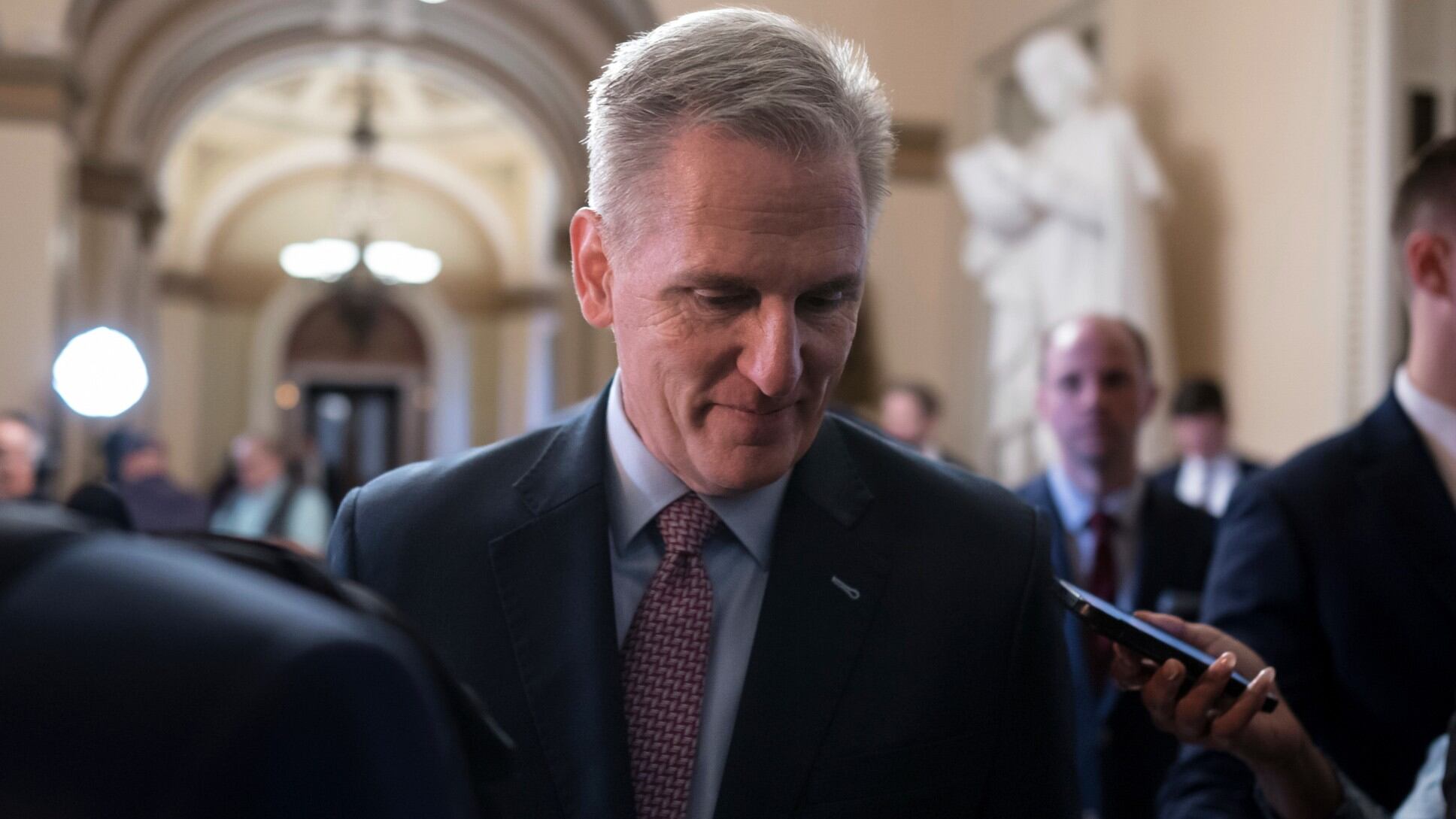
With House Speaker Kevin McCarthy's latest funding plan in ruins and lawmakers leaving town for the weekend, there's no endgame in sight as hard-right Republicans push dangerously closer to a disruptive federal shutdown.
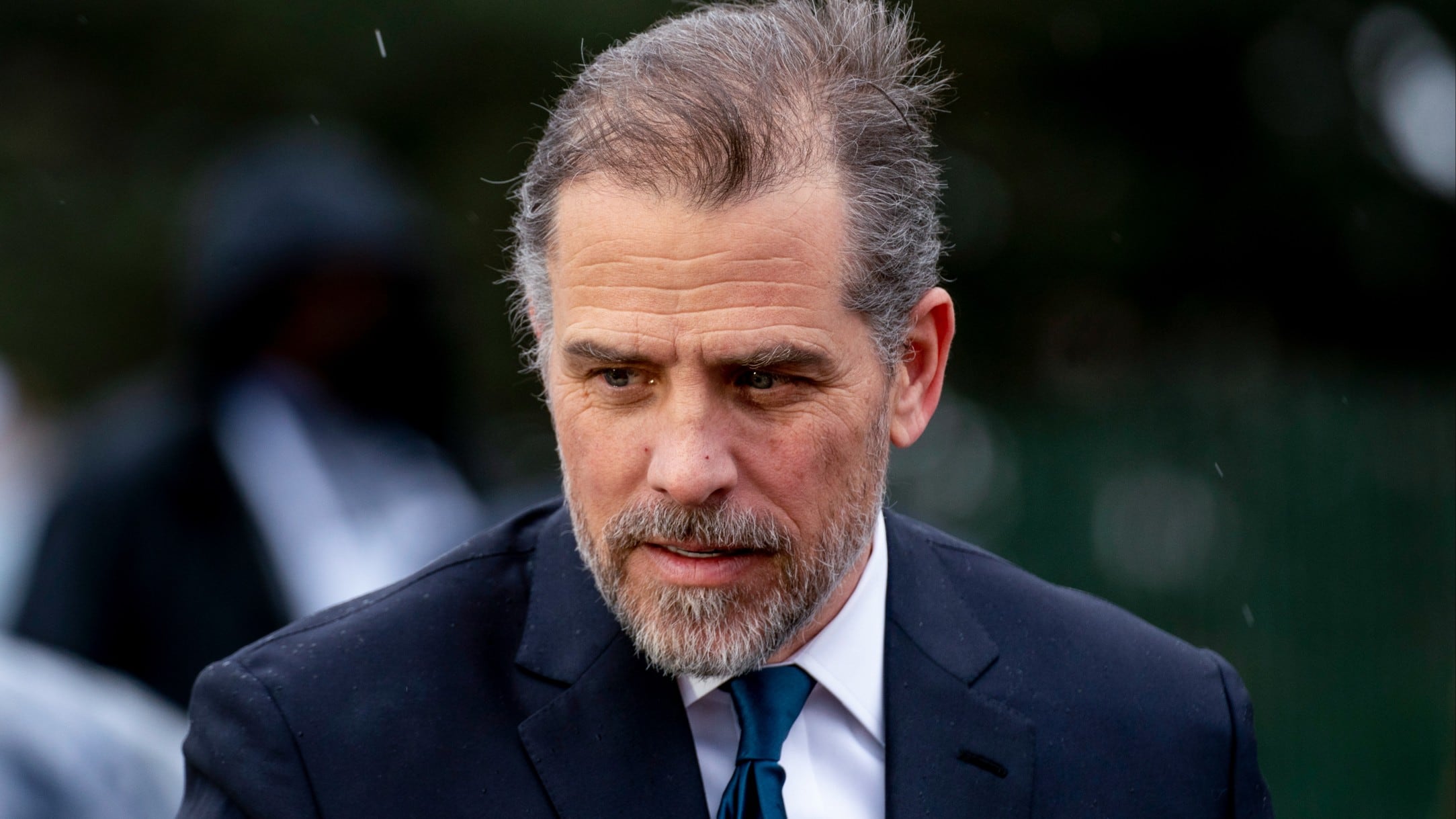
A judge rejected Hunter Biden's request to attend his next court hearing virtually.
Free Covid tests are making a return thanks to the federal government.
The Biden administration said it's allowing about 100,000 Venezuelan migrants already in the U.S. to work and live legally in the country.
The U.S. sent two prototype drone ships to Japan to start testing surveillance and possible attacks against China.
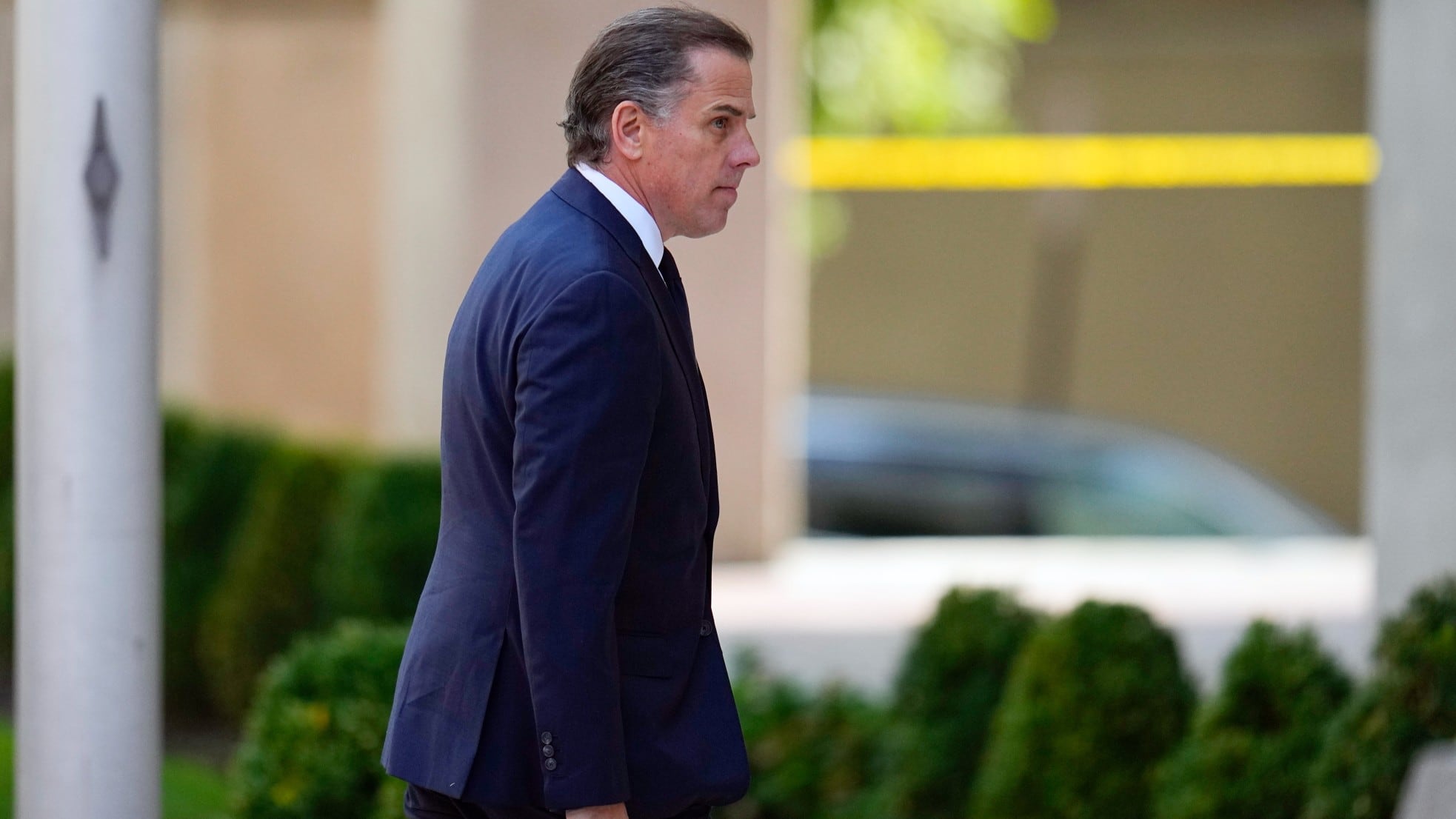
A judge rejected Hunter Biden's request to appear virtually at his next court hearing.
House Republicans clashed with Attorney General Merrick Garland on Wednesday, accusing him and the Justice Department of the “weaponization” of the department's work in favor of President Joe Biden 's son Hunter.
The Federal Reserve left its key interest rate unchanged Wednesday for the second time in its past three meetings, a sign that it’s moderating its fight against inflation as price pressures have eased. But Fed officials also signaled that they expect to raise rates once more this year.
The Biden administration announced Wednesday that it is providing $600 million in funding to produce new at-home COVID-19 tests and is restarting a website allowing Americans to again order up to four free tests per household — aiming to prevent possible shortages during a rise in coronavirus cases that has typically come during colder months.
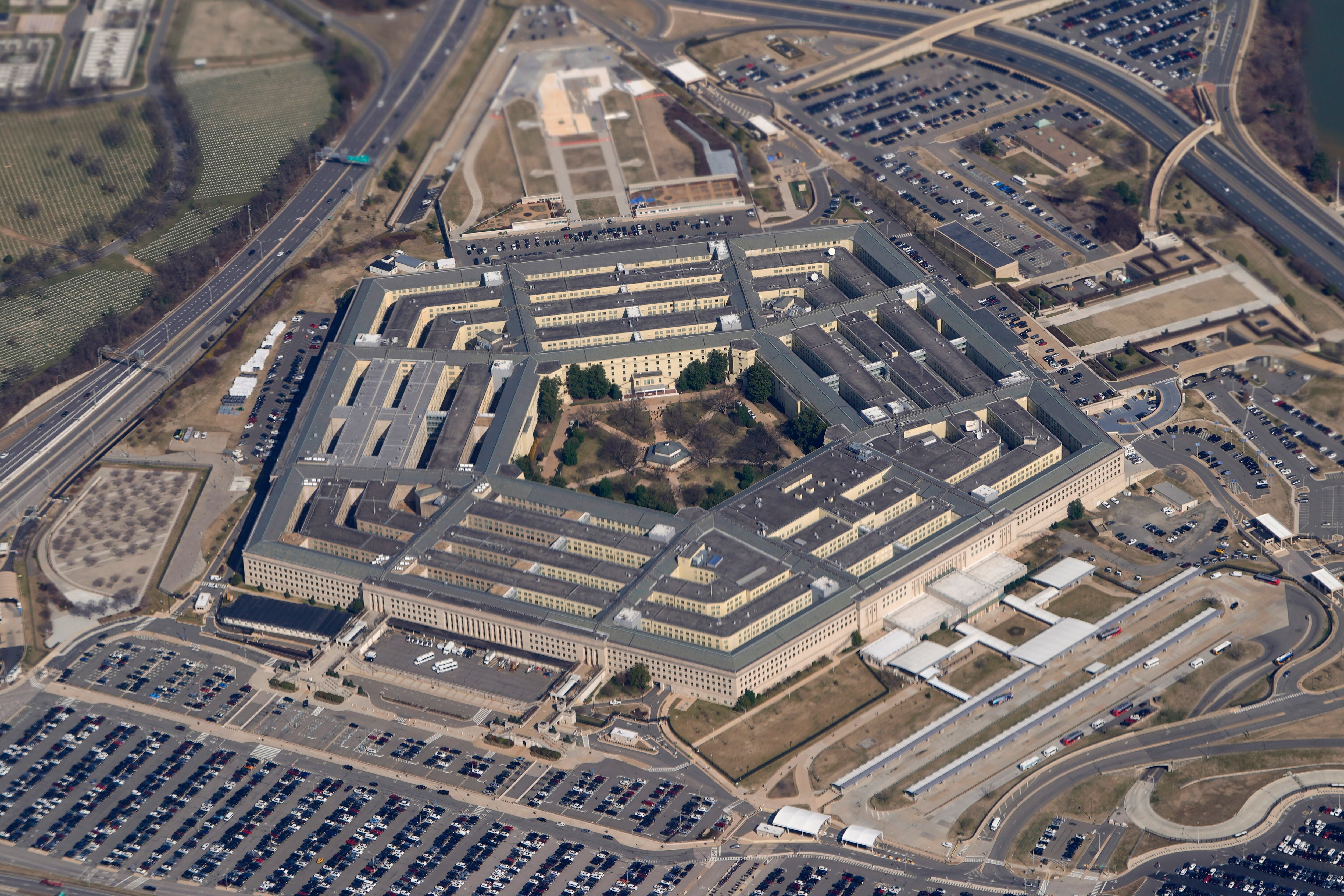
The Pentagon began a new effort Wednesday to contact former service members who may have been forced out of the military and deprived of years of benefits due to policies targeting their sexual orientation, starting with those who served under “Don't Ask, Don't Tell."