The Trump administration last week rescinded a Obama-era rule that asked HUD recipients to measure and consider fixes to racial segregation in their communities.
President Donald Trump then followed up the decision with a tweet that critics say was an explicit appeal to white, suburban voters.
"His tweet was aimed at a strategy of appealing to racial resentment and really people's worst ideas about how our communities should be structured," David Sanchez, director of research and development for the National Community Stabilization Trust, told Cheddar. "Attitudes like that are a big reason why we have such severe segregation by race, class, and opportunity in this country, and unfortunately the president is trying to use those fears to benefit himself politically."
The loss of the rule itself has gotten less attention, in part due to its low profile as more of a regulatory tweak than an aggressive federal policy.
The Affirmatively Furthering Fair Housing Rule that Trump's HUD eliminated asked municipalities and housing authorities to account for racial bias in their communities by writing a report and issuing recommendations, but it did not force municipalities to address segregation directly.
"It was about gathering data," Sanchez said. "It was about getting people talking about segregation. But it wasn't about forcing communities to do anything."
In the long-term, though, he added that cutting the rule will only contribute to the ongoing economic divide between the suburbs and cities.
"It's going to continue to concentrate economic resources, social privilege in certain people who can afford to live in high-opportunity communities," Sanchez said. "In the same way the COVID crisis has supercharged inequality in this country, this is just another step in that direction."
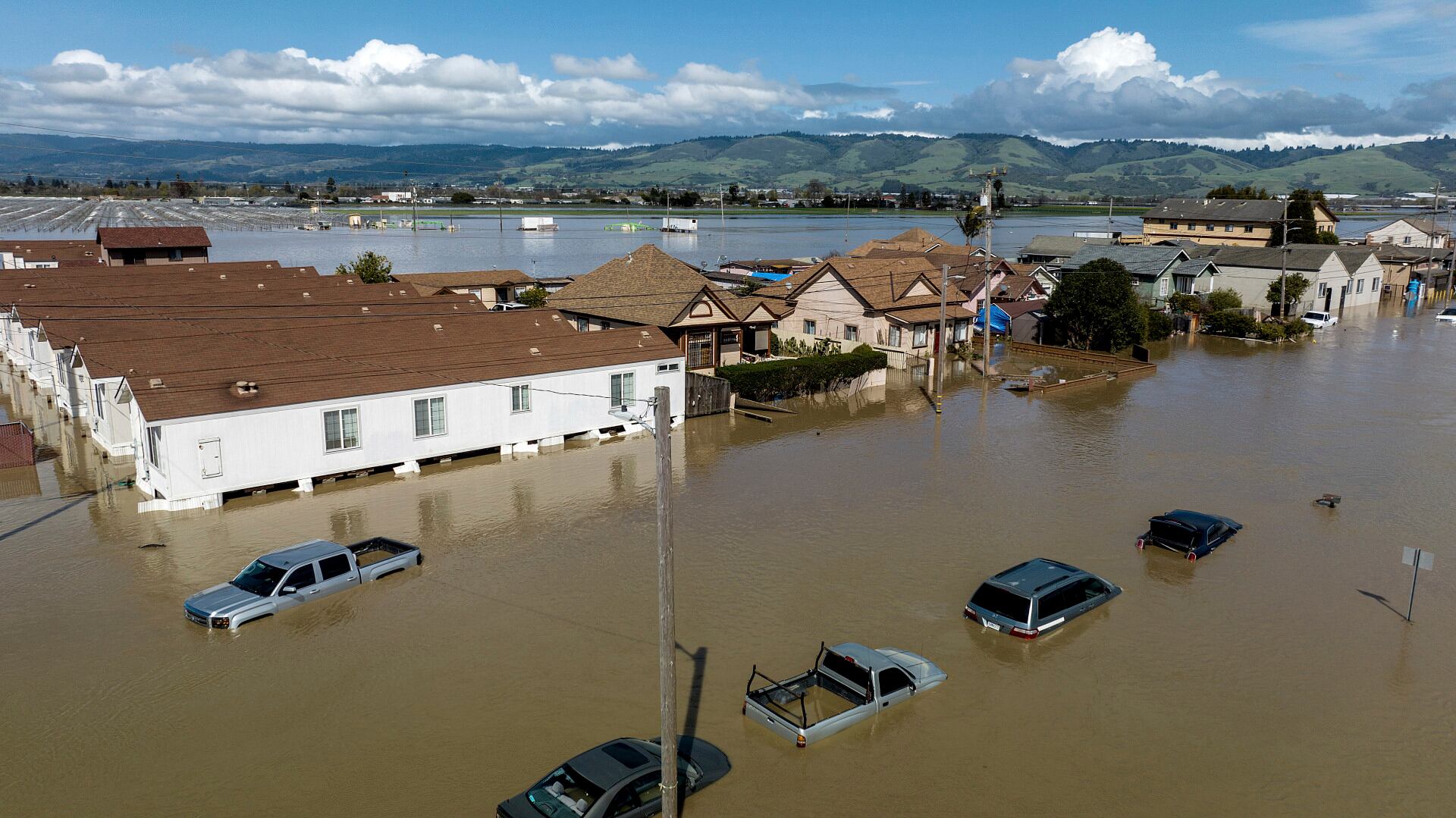
The National Oceanic and Atmospheric Administration has released its 2023 Spring outlook and the ongoing trend of unseasonable weather could be continuing.
Adam Bry, co-founder and CEO of drone manufacturer Skydio, joined Cheddar News to discuss the company's latest funding round and the Russia-US drone collision.
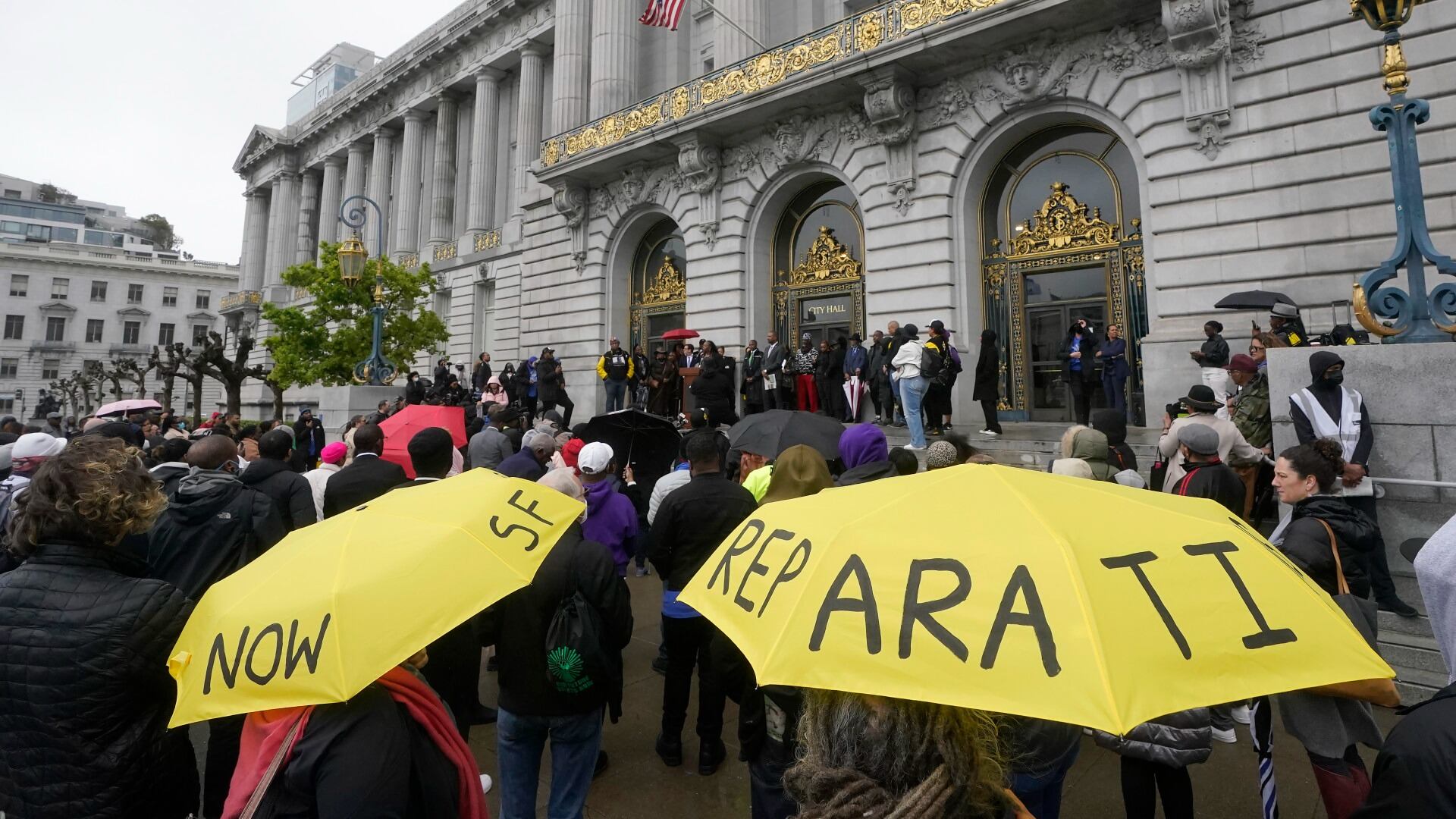
The San Francisco Board of Supervisors voiced support for the city's reparations committee's recommendation to pay eligible Black adult residents $5 million
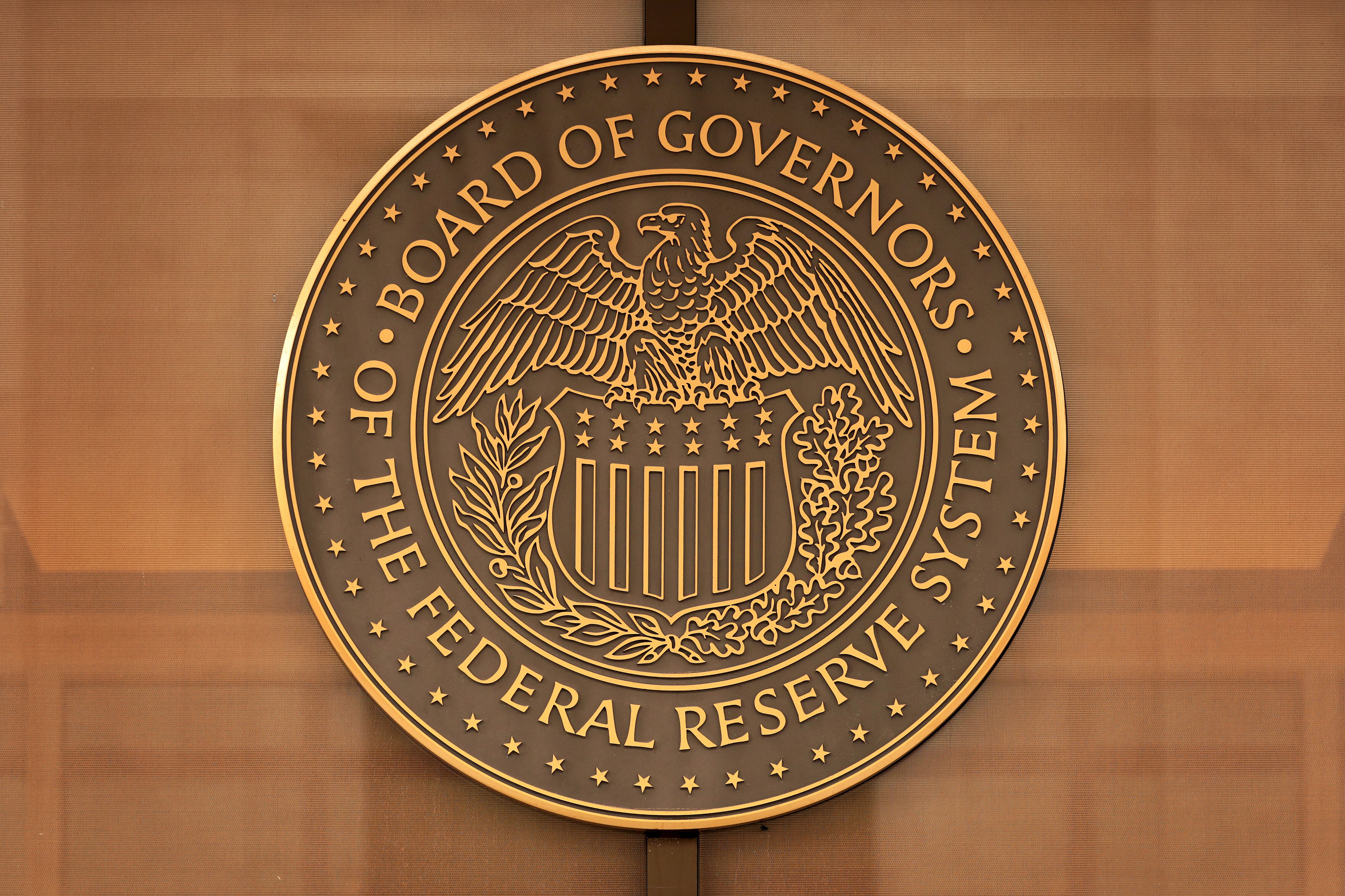
The Federal Reserve on Wednesday evening said its long-awaited digital payment system, the FedNow Service, will start operating in July. The service is designed to provide a national platform for financial institutions to settle payments in real-time and at lower cost. That could include large banks, payment processors, and the U.S. Treasury.
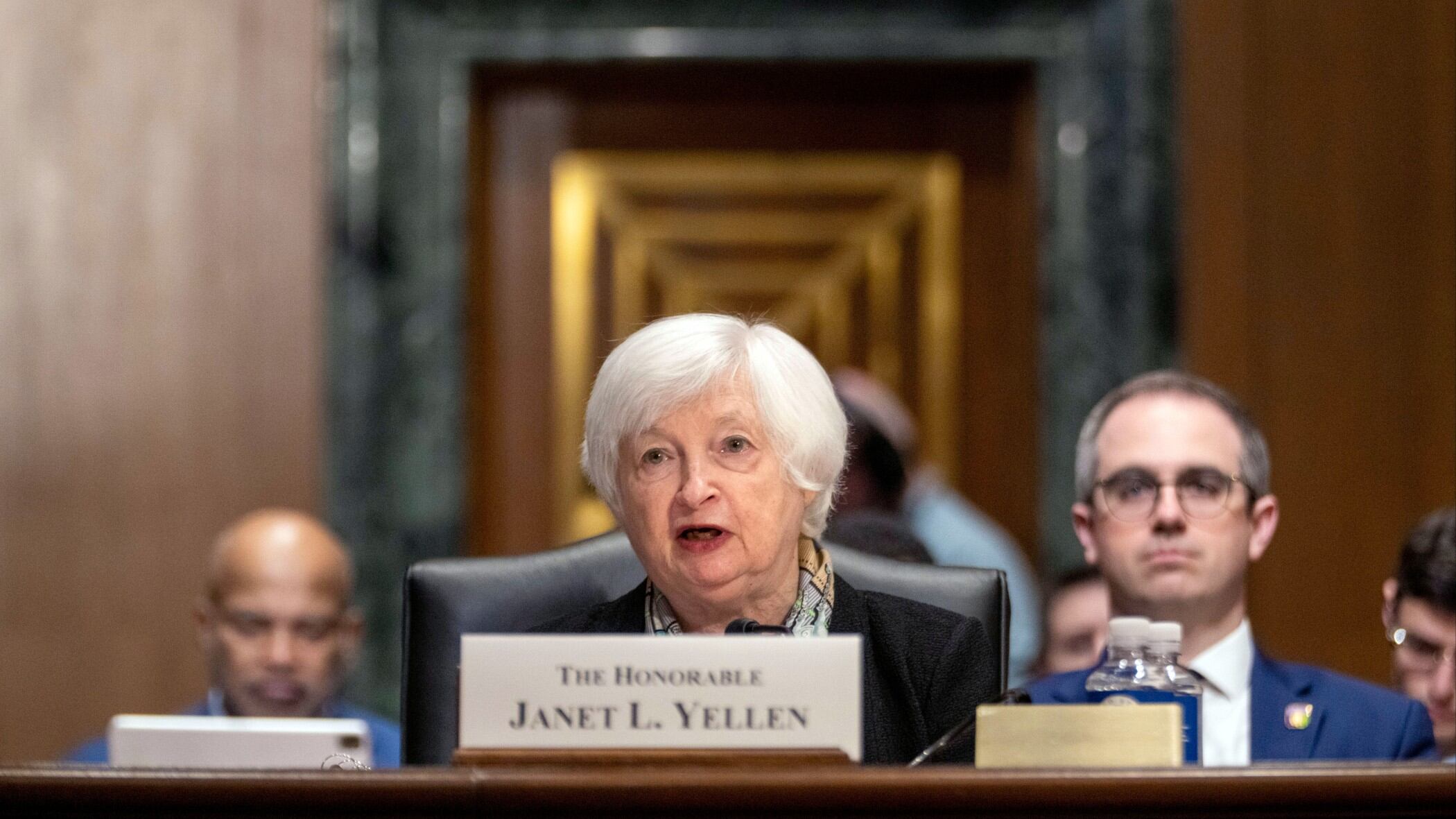
A week after the second-largest bank collapse in U.S. history, Treasury Secretary Janet Yellen is set to tell the Senate Finance Committee that the nation's banking system “remains sound” and Americans "can feel confident” about their deposits.
A federal judge in Texas raised questions Wednesday about a Christian group's effort to overturn the decades-old U.S. approval of a leading abortion drug, in a case that could threaten the country's most common method for ending pregnancies.
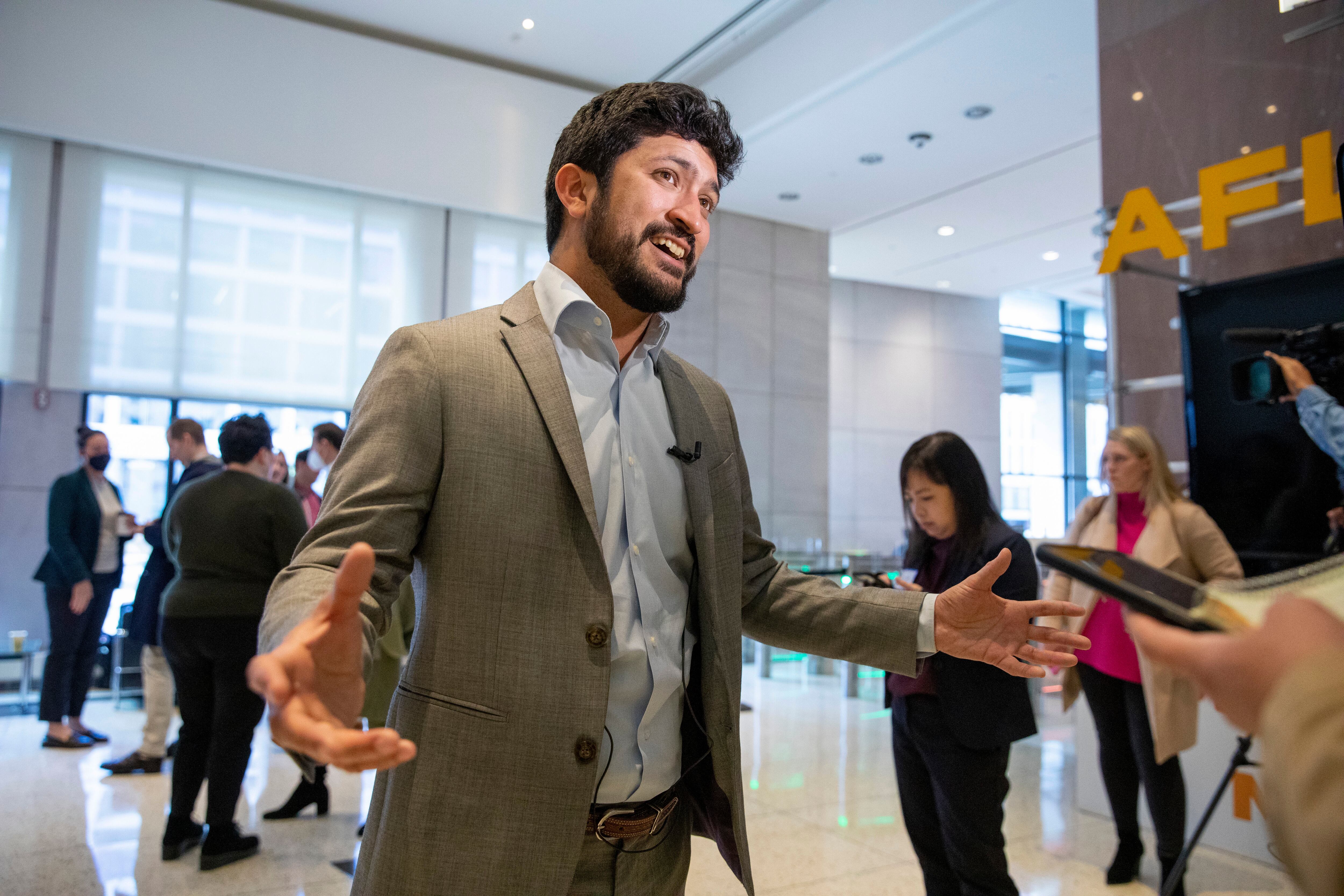
Texas Rep. Greg Casar spoke with Cheddar News to give his thoughts on abortion rights and union protection.
Texas officials have announced a takeover of Houston’s nearly 200,000-student school district.
A federal judge will hear arguments Wednesday in a high-stakes court case that could threaten access to medication abortion and blunt the authority of U.S. drug regulators.
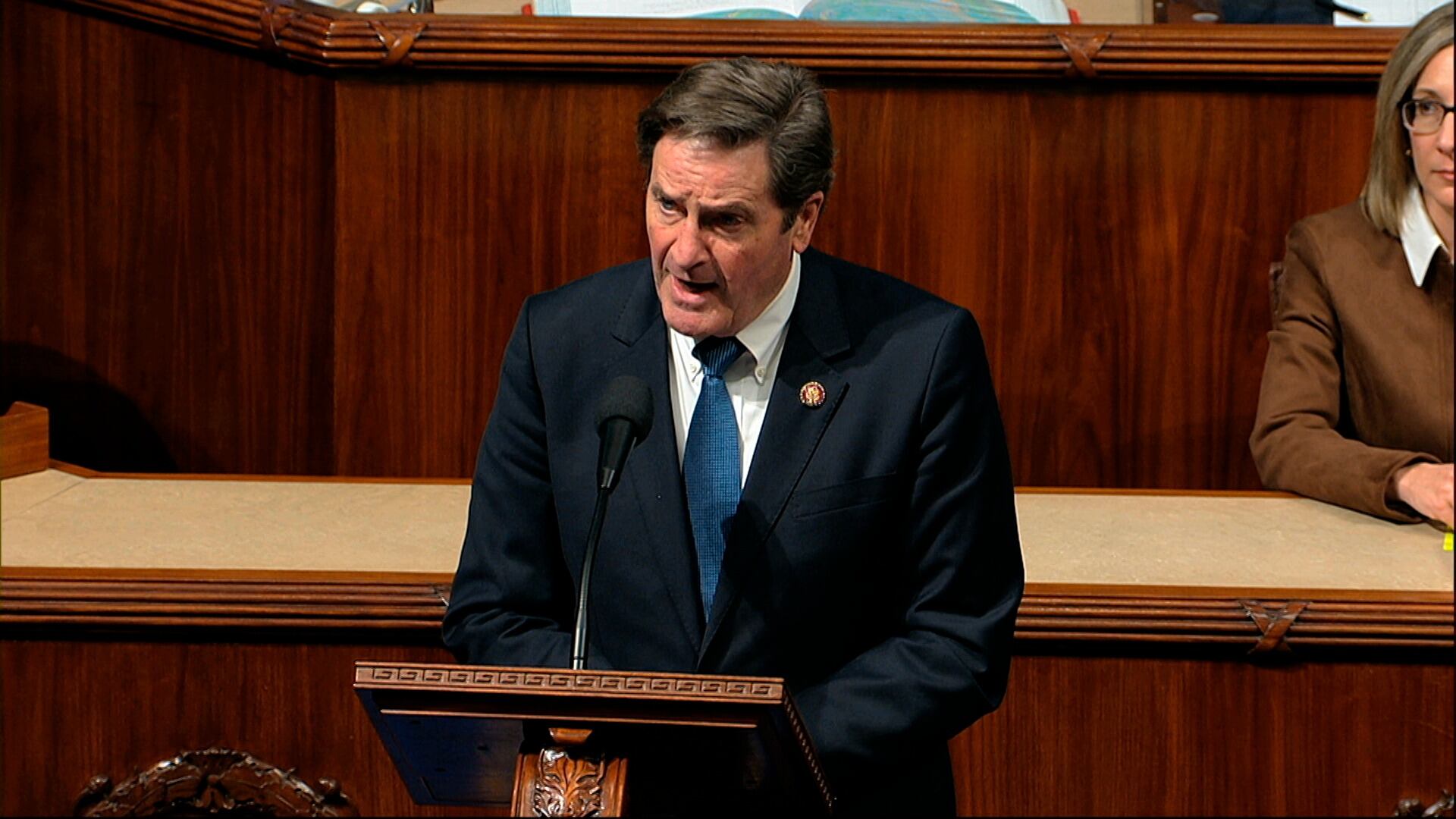
Federal Reserve Chairman Jerome Powell should be very cautious when deciding to raise interest rates or he risks another bank crisis, Rep. John Garamendi (D-Calif. 8th District) told Cheddar News.