The Trump administration last week rescinded a Obama-era rule that asked HUD recipients to measure and consider fixes to racial segregation in their communities.
President Donald Trump then followed up the decision with a tweet that critics say was an explicit appeal to white, suburban voters.
"His tweet was aimed at a strategy of appealing to racial resentment and really people's worst ideas about how our communities should be structured," David Sanchez, director of research and development for the National Community Stabilization Trust, told Cheddar. "Attitudes like that are a big reason why we have such severe segregation by race, class, and opportunity in this country, and unfortunately the president is trying to use those fears to benefit himself politically."
The loss of the rule itself has gotten less attention, in part due to its low profile as more of a regulatory tweak than an aggressive federal policy.
The Affirmatively Furthering Fair Housing Rule that Trump's HUD eliminated asked municipalities and housing authorities to account for racial bias in their communities by writing a report and issuing recommendations, but it did not force municipalities to address segregation directly.
"It was about gathering data," Sanchez said. "It was about getting people talking about segregation. But it wasn't about forcing communities to do anything."
In the long-term, though, he added that cutting the rule will only contribute to the ongoing economic divide between the suburbs and cities.
"It's going to continue to concentrate economic resources, social privilege in certain people who can afford to live in high-opportunity communities," Sanchez said. "In the same way the COVID crisis has supercharged inequality in this country, this is just another step in that direction."
Oil companies offered a combined $264 million for drilling rights in federal waters in the Gulf of Mexico on Wednesday in a sale mandated by last year’s climate bill compromise.
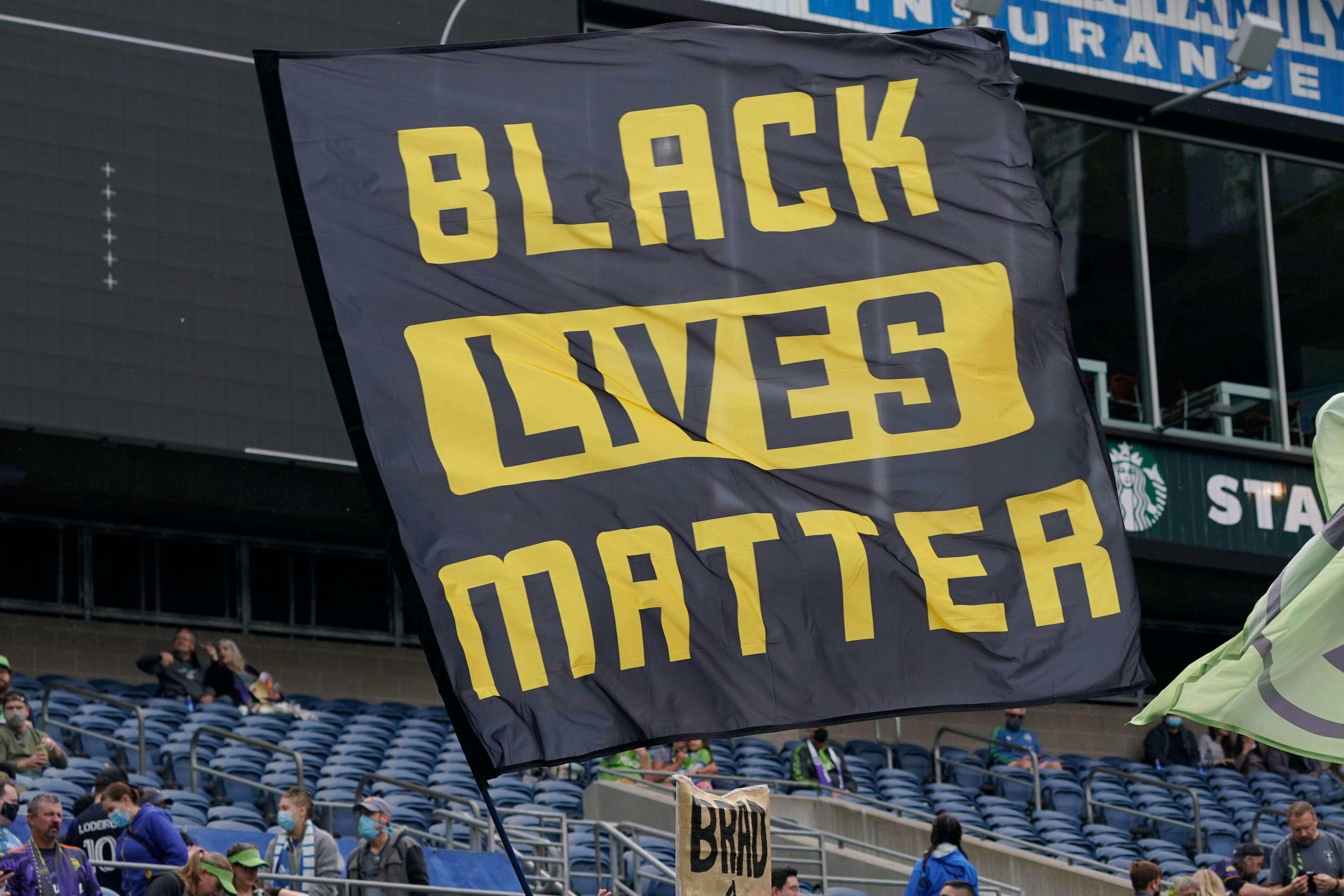
Adidas is withdrawing its challenge to a Black Lives Matter trademark application featuring three parallel stripes, two days after it contested the image with the U.S. Trademark Office.
The state of Arkansas sued TikTok and Facebook parent Meta on Tuesday, claiming the social media companies were misleading consumers about the safety of children on their platforms and protections of users' private data.
Russia’s top security agency arrested an American reporter for the Wall Street Journal on espionage charges, the first time a U.S. correspondent was put behind bars on spying accusations since the Cold War. The newspaper denied the allegations against Evan Gershkovich.
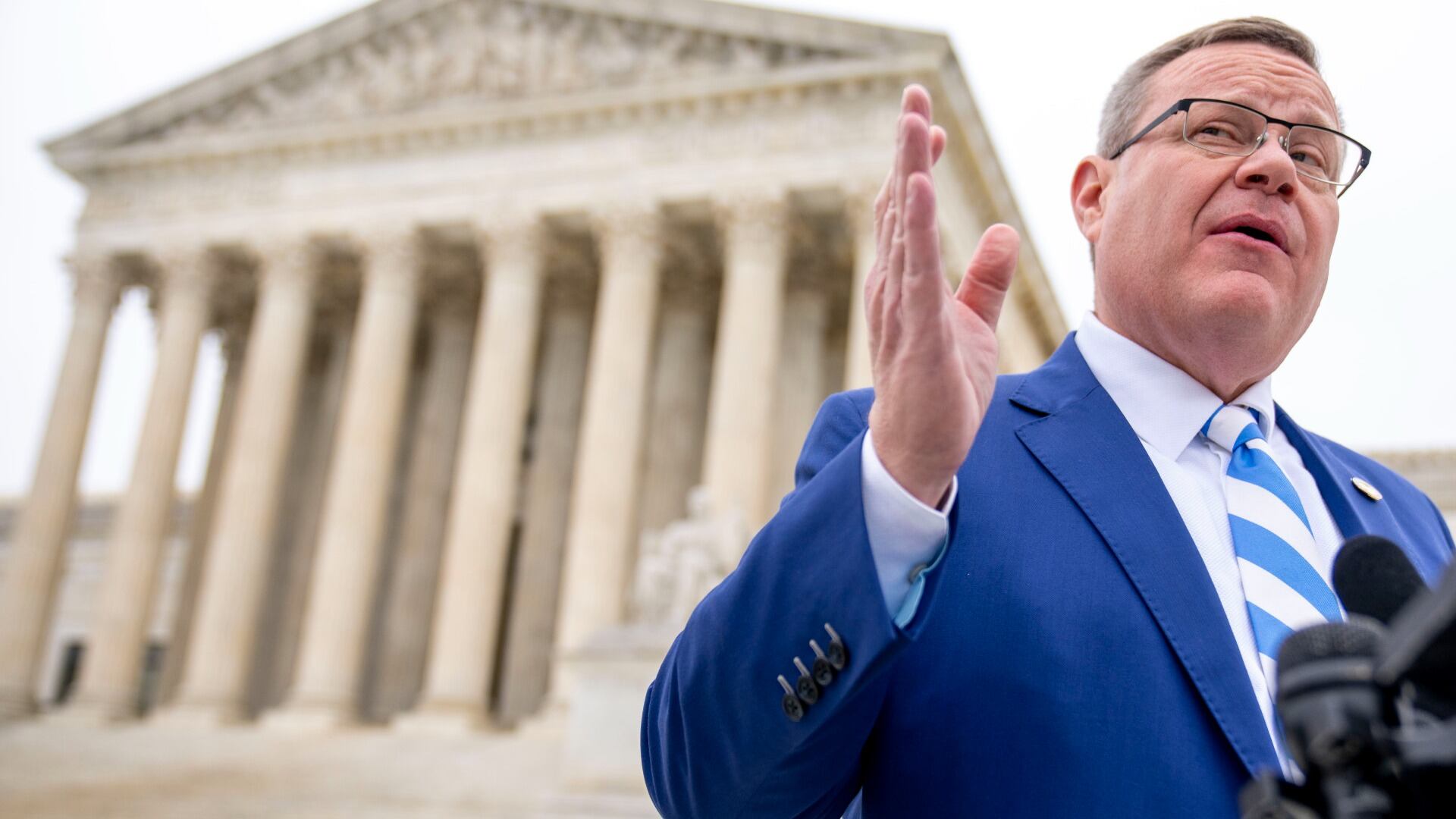
North Carolina residents can now buy a handgun without getting a permit from a local sheriff. The Republican-controlled state House on Wednesday overrode the Democratic governor’s veto.
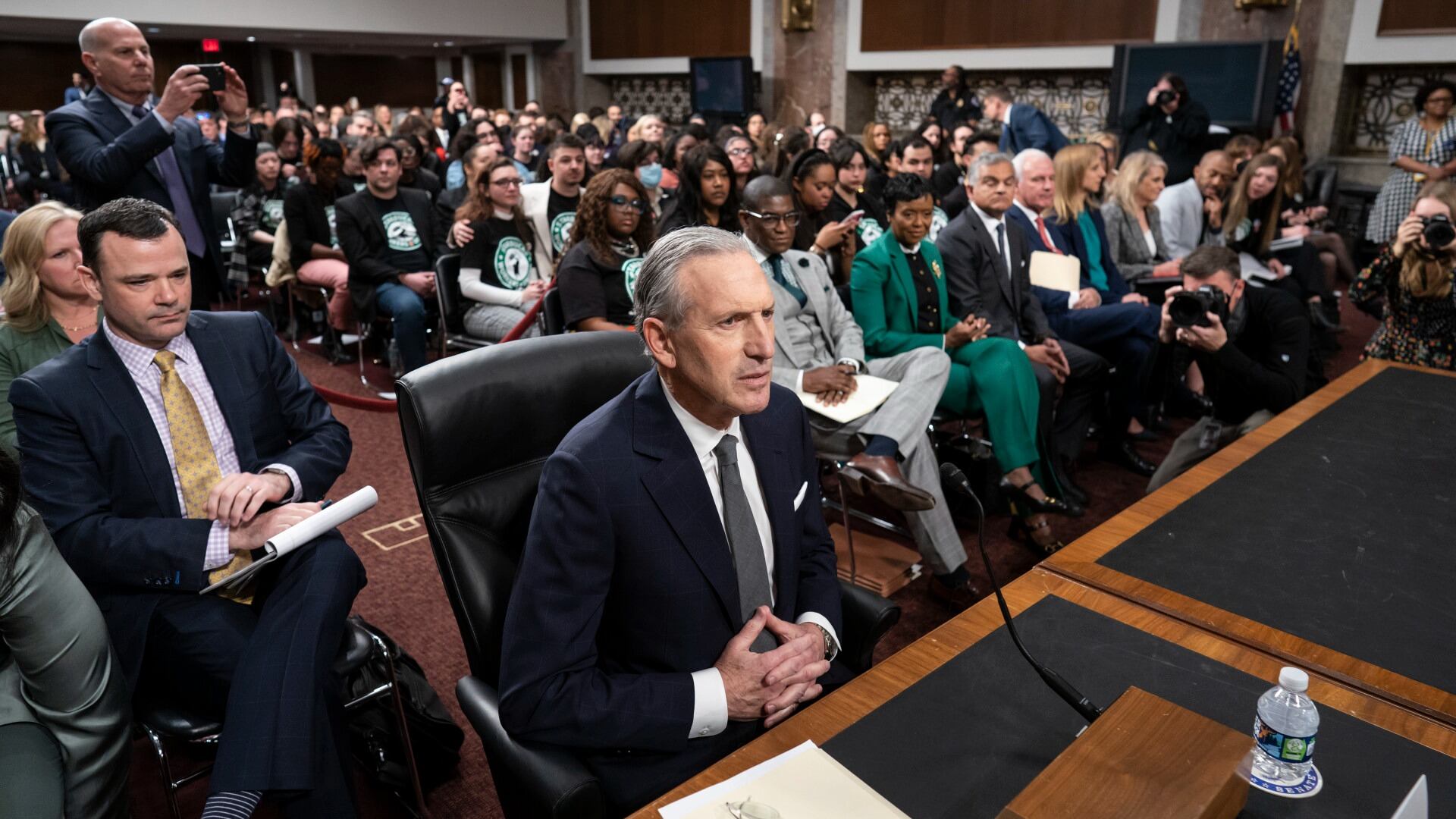
Longtime Starbucks CEO Howard Schultz is facing sharp questioning before the Senate Health, Education, Labor and Pensions Committee where he is defending the company’s actions during an ongoing unionizing campaign.
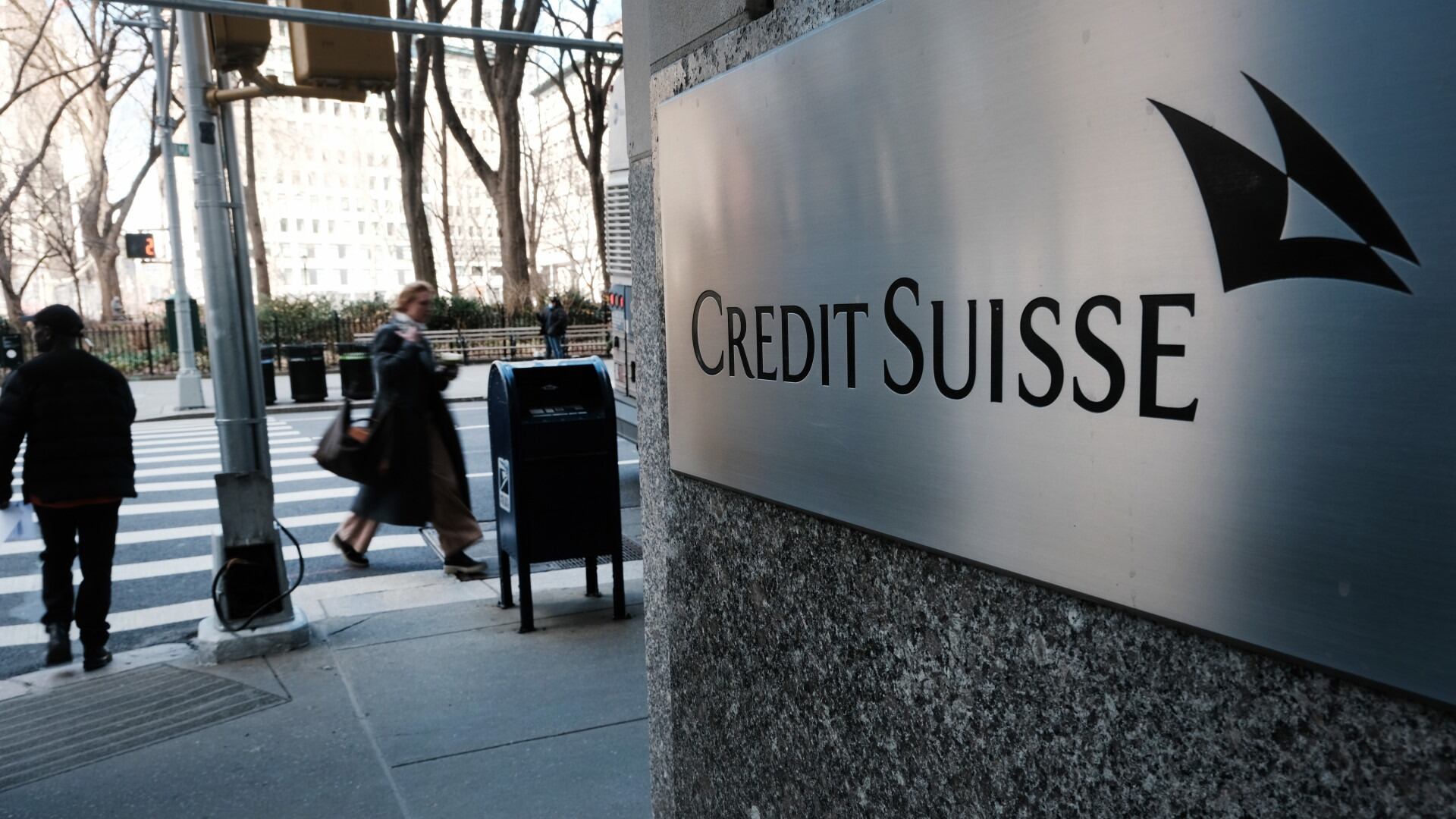
Credit Suisse violated a plea agreement with U.S. authorities by failing to report secret offshore accounts that wealthy Americans used to avoid paying taxes, U.S. lawmakers said Wednesday.
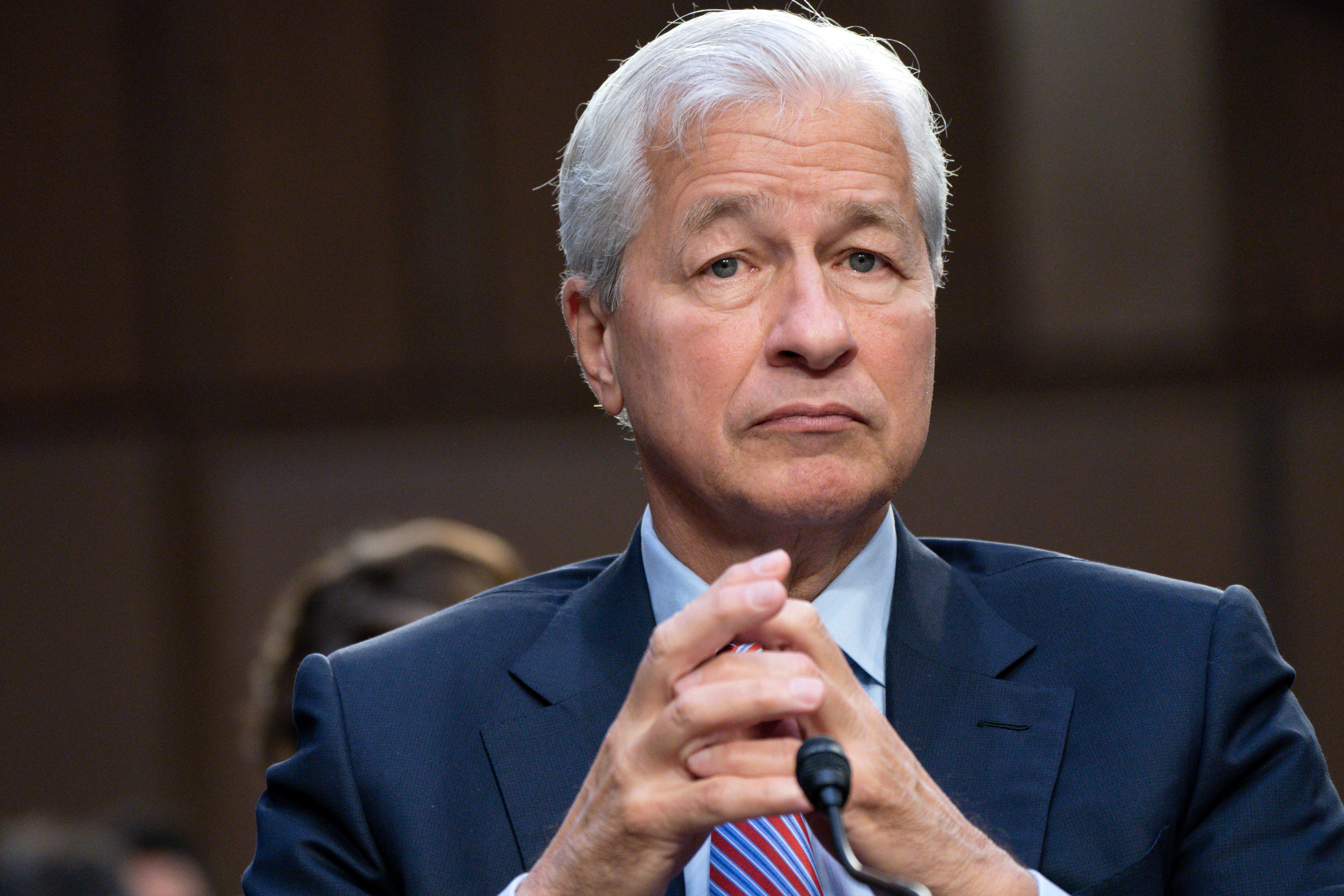
According to a Reuters report, JPMorgan CEO Jamie Dimon is being deposed over the bank's relationship with sex offender Jeffrey Epstein.
Capitol hill is trying to get to the bottom of the bank collapses that shocked the financial system last month, and today lawmakers grilled banking regulators about why they weren't able to stop the crisis. Cheddar News correspondent Lisa Bennatan broke down the proceedings.
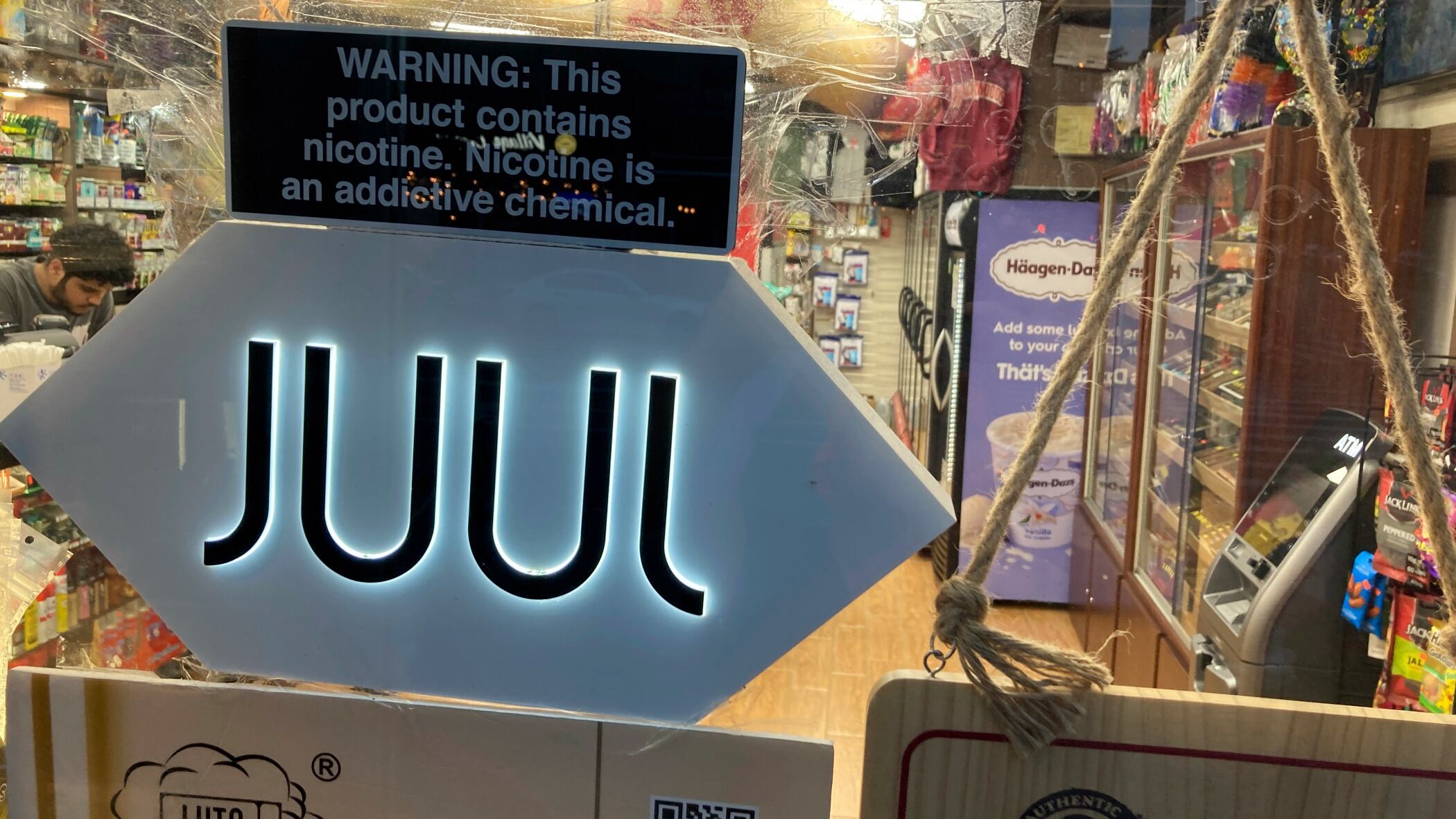
Juul will finally have its day in court for its role in the teen vaping epidemic. The Minnesota attorney general is preparing for opening arguments in the state's lawsuit against the vape maker. Here to break down the complicated backstory for this legal case is Senior Reporter Chloe Aiello.