The Trump administration last week rescinded a Obama-era rule that asked HUD recipients to measure and consider fixes to racial segregation in their communities.
President Donald Trump then followed up the decision with a tweet that critics say was an explicit appeal to white, suburban voters.
"His tweet was aimed at a strategy of appealing to racial resentment and really people's worst ideas about how our communities should be structured," David Sanchez, director of research and development for the National Community Stabilization Trust, told Cheddar. "Attitudes like that are a big reason why we have such severe segregation by race, class, and opportunity in this country, and unfortunately the president is trying to use those fears to benefit himself politically."
The loss of the rule itself has gotten less attention, in part due to its low profile as more of a regulatory tweak than an aggressive federal policy.
The Affirmatively Furthering Fair Housing Rule that Trump's HUD eliminated asked municipalities and housing authorities to account for racial bias in their communities by writing a report and issuing recommendations, but it did not force municipalities to address segregation directly.
"It was about gathering data," Sanchez said. "It was about getting people talking about segregation. But it wasn't about forcing communities to do anything."
In the long-term, though, he added that cutting the rule will only contribute to the ongoing economic divide between the suburbs and cities.
"It's going to continue to concentrate economic resources, social privilege in certain people who can afford to live in high-opportunity communities," Sanchez said. "In the same way the COVID crisis has supercharged inequality in this country, this is just another step in that direction."
Dr. Caitlin Bernard is facing disciplinary action after she spoke publicly about providing an abortion to a 10-year-old rape victim.
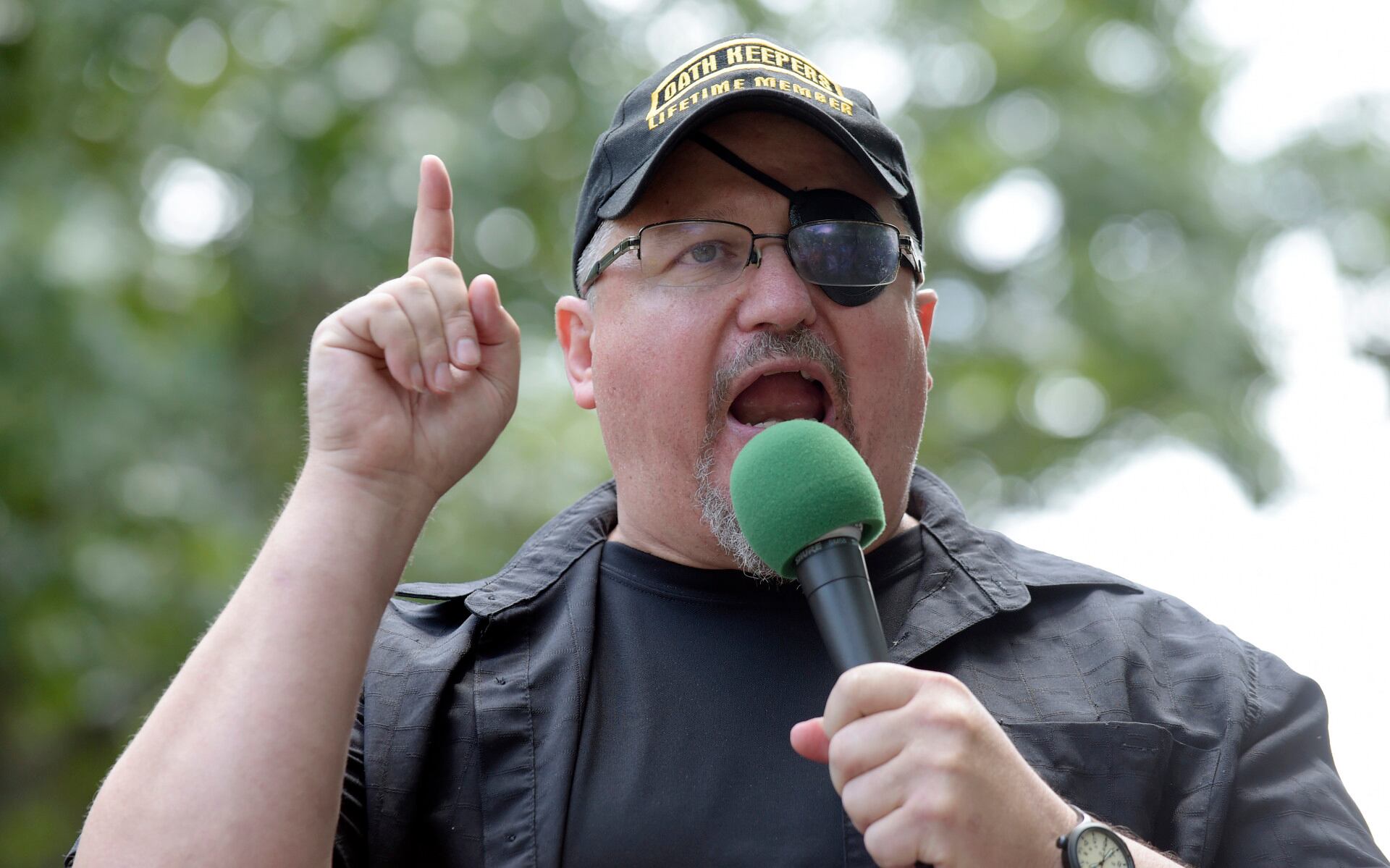
Oath Keepers extremist group founder Stewart Rhodes was sentenced on Thursday to 18 years in prison for orchestrating a weekslong plot that culminated in his followers attacking the U.S. Capitol in a bid to keep President Joe Biden out of the White House after winning the 2020 election.
Lawmakers in several states are embracing legislation to let children work in more hazardous occupations, longer hours on school nights and in expanded roles including serving alcohol in bars and restaurants as young as 14.
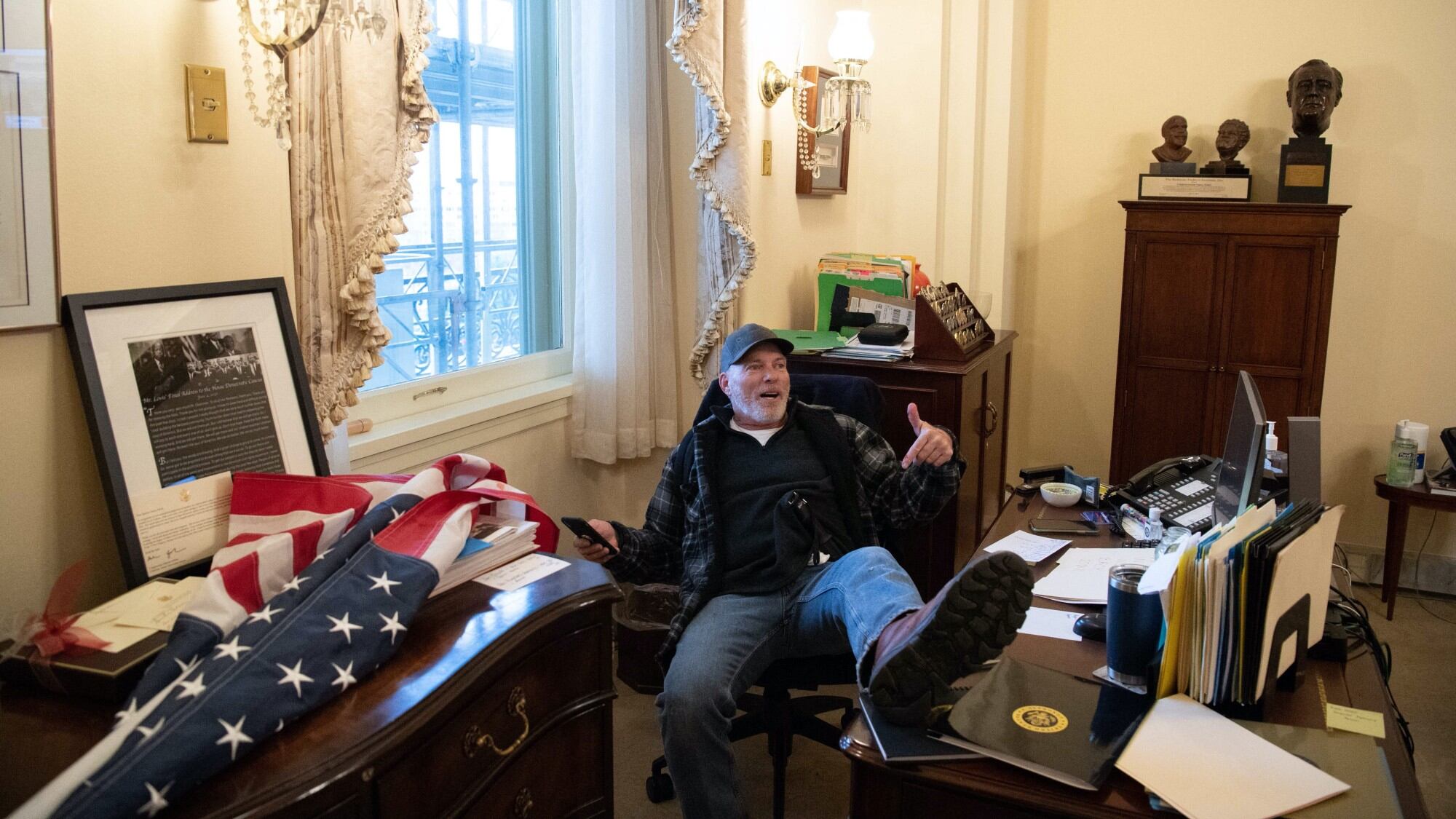
An Arkansas man who propped his feet on a desk in then-House Speaker Nancy Pelosi’s office in a widely circulated photo from the U.S. Capitol riot was sentenced Wednesday to more than four years in prison.
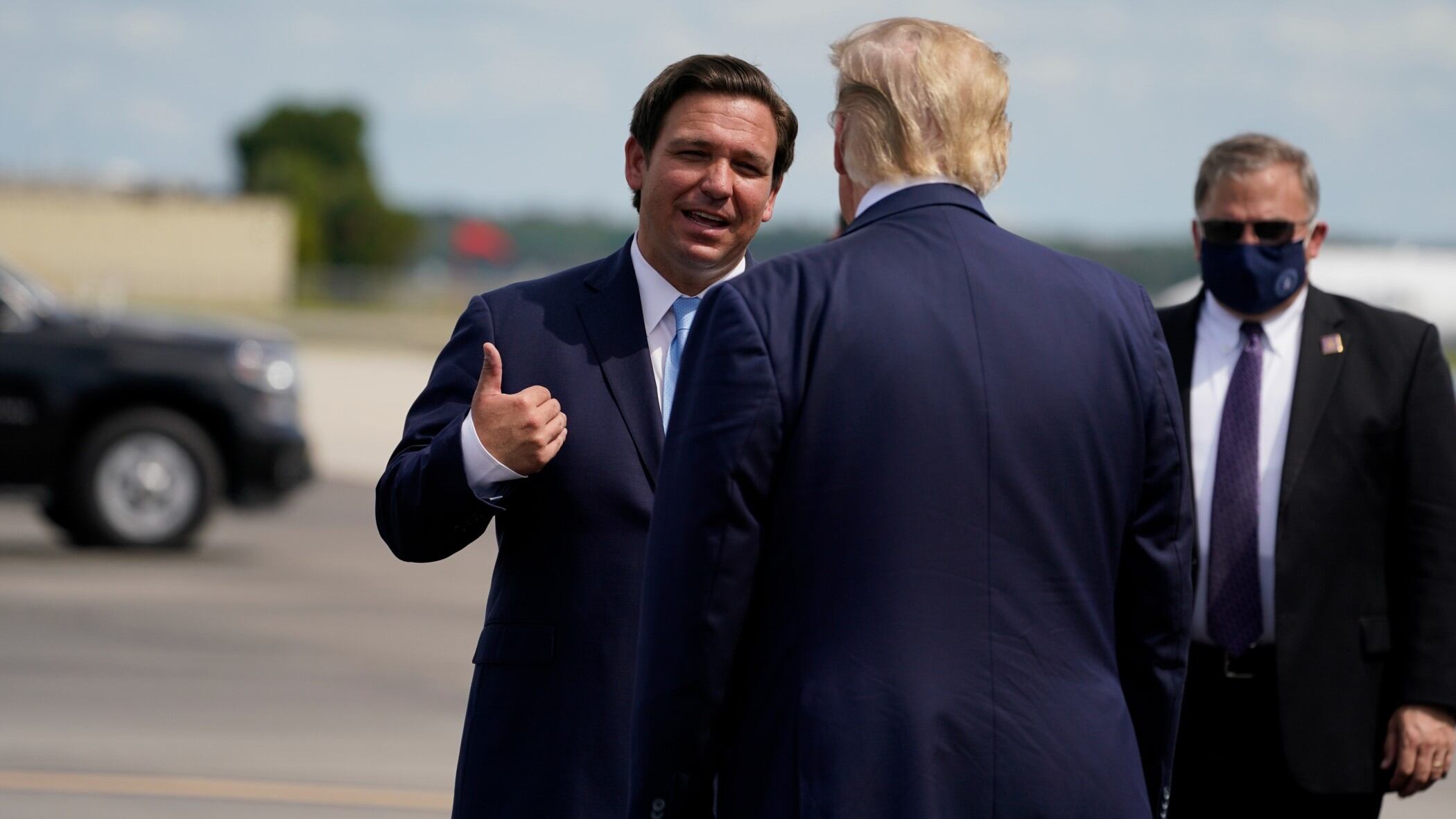
The rollout of his campaign Wednesday made clear that, at least for the time being, DeSantis intends to leave the dirty work of attacking Trump to his allies.
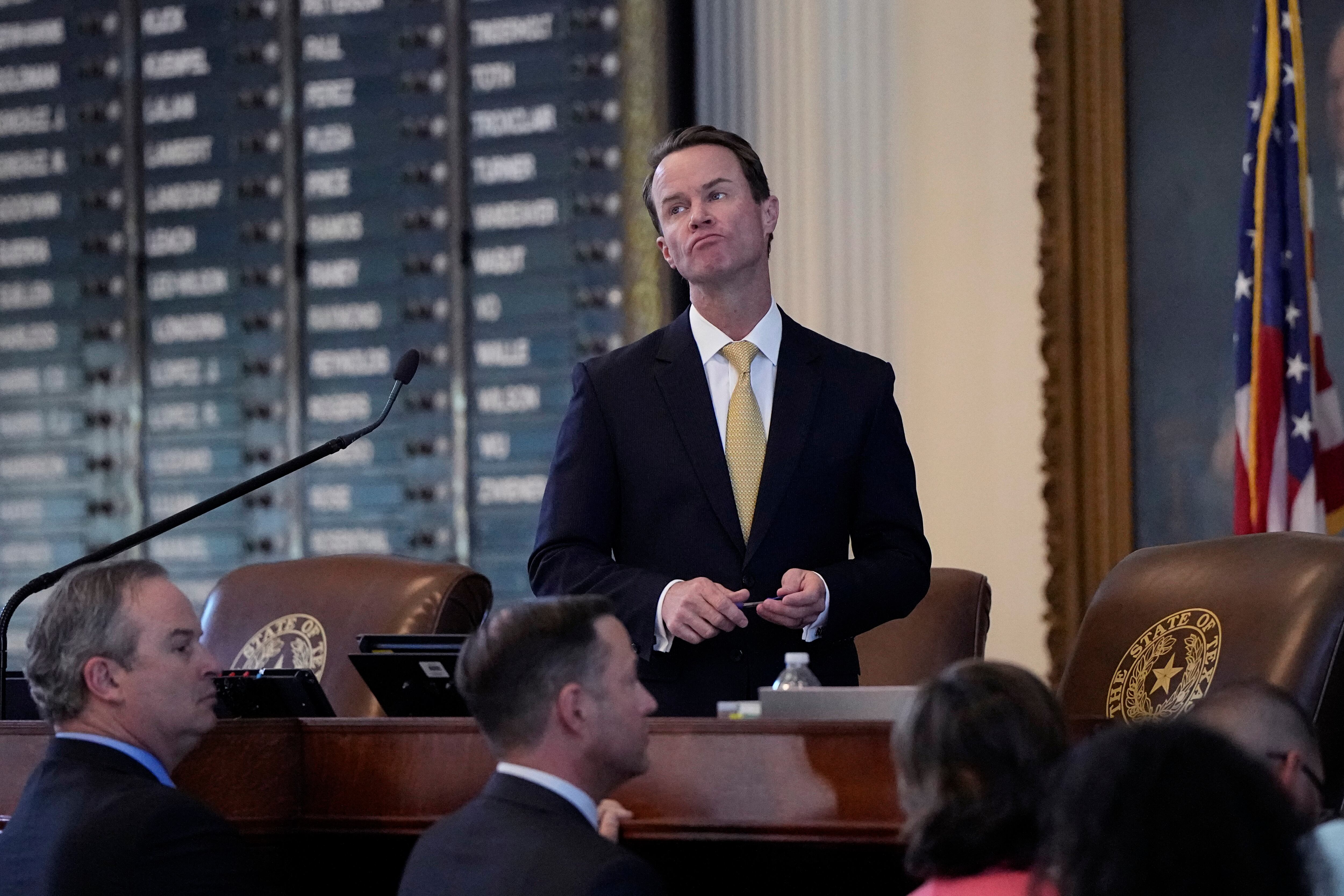
Texas Attorney General Ken Paxton has accused House Speaker Dade Phelan of being intoxicated during a legislative session and called for his resignation.
State attorneys general from around the country are teaming up to stop a company that's accused of making billions of robocalls.
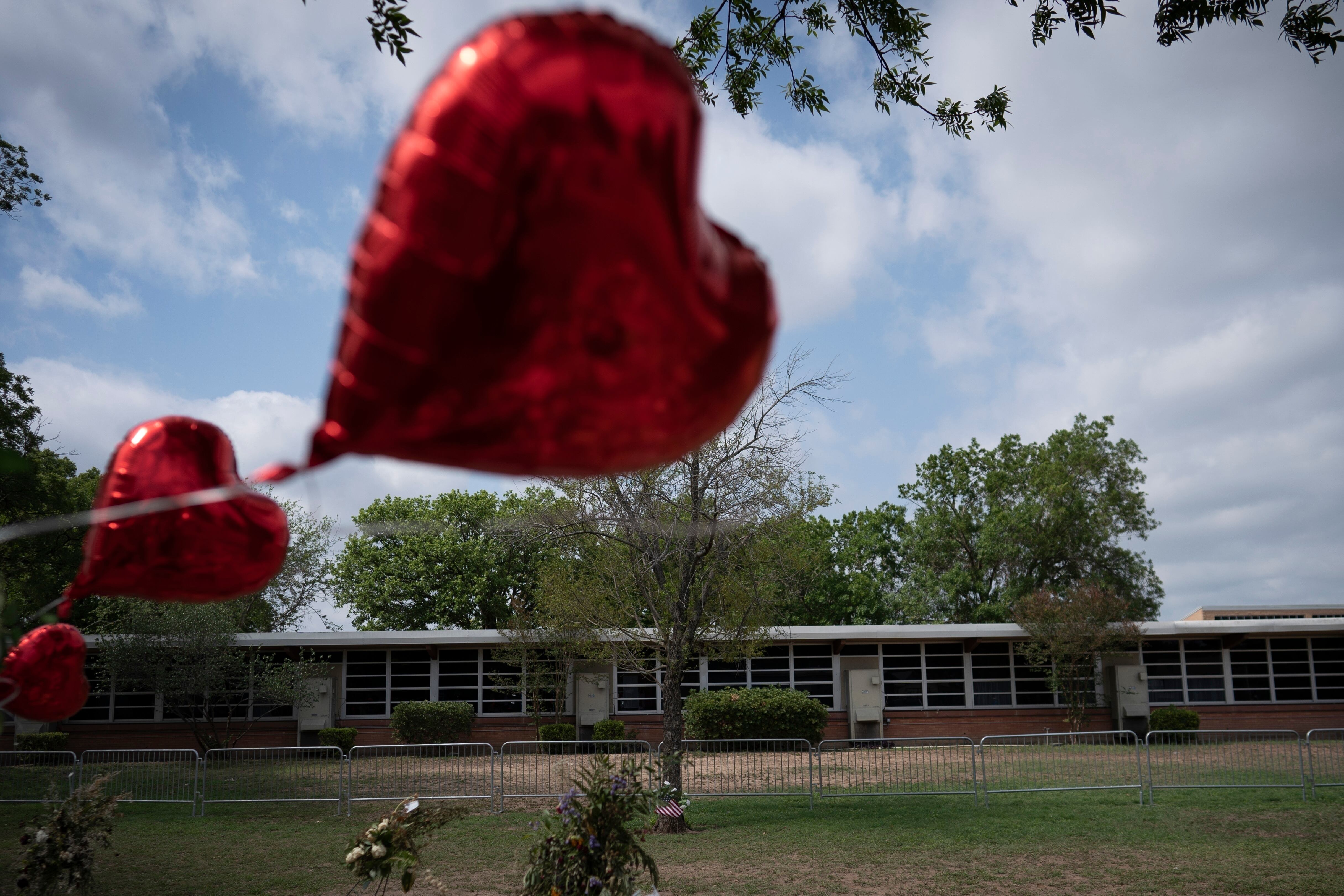
Families are marking the one-year anniversary of the school shooting in Uvalde, Texas that left 19 children and two teachers.
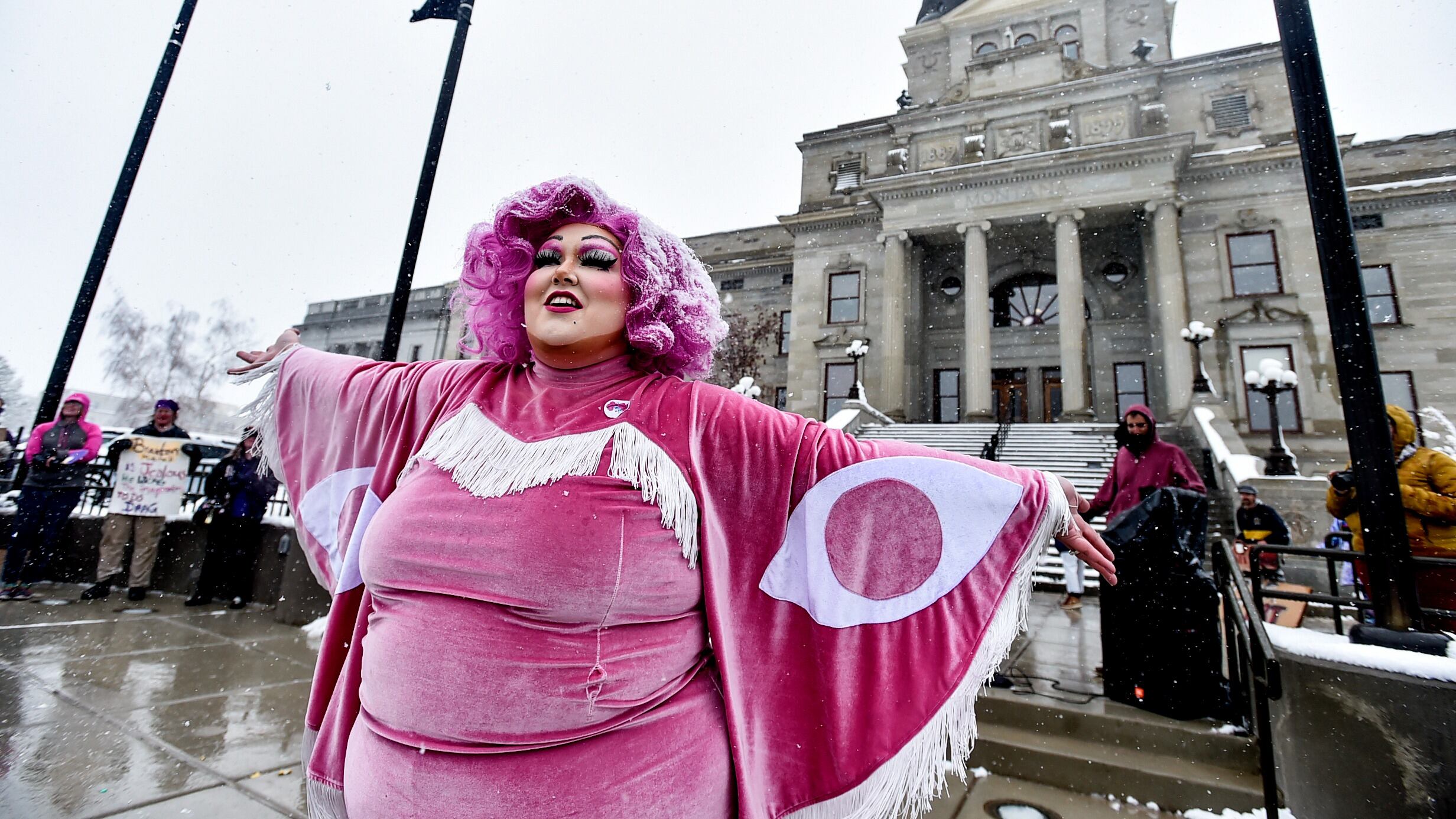
Montana has become the first state to specifically ban people dressed in drag from reading books to children at public schools and libraries, part of a host of legislation aimed at the rights the LGBTQ+ community in Montana and other states.
Politicians in Washington may be offering assurance that the government will figure out a way to avert default, but around the country, economic anxiety is rising and some people already are adjusting their routines.