The U.S. trade war with China just got kicked up another notch.
The White House on Wednesday proposed a 25 percent tariff on $200 billion worth of Chinese goods, more than double the 10 percent tax rate originally planned.
U.S. trade representatives are trying to re-engage China in trade talks to de-escalate tensions between the two countries. Advisers reportedly told President Trump that China's authorities would be more likely to yield if higher tax rates were imposed.
Last month, the administration imposed a 25 percent tariff on $34 billion worth of Chinese goods, mostly machines and components. When Beijing immediately retaliated, Trump proposed additional taxes on $200 billion in importsーthis time affecting more consumer goods like furniture and computers.
Raising the proposed tax rate on those goods means extending the deadline for public comment on the plan from August 30 to September 5.
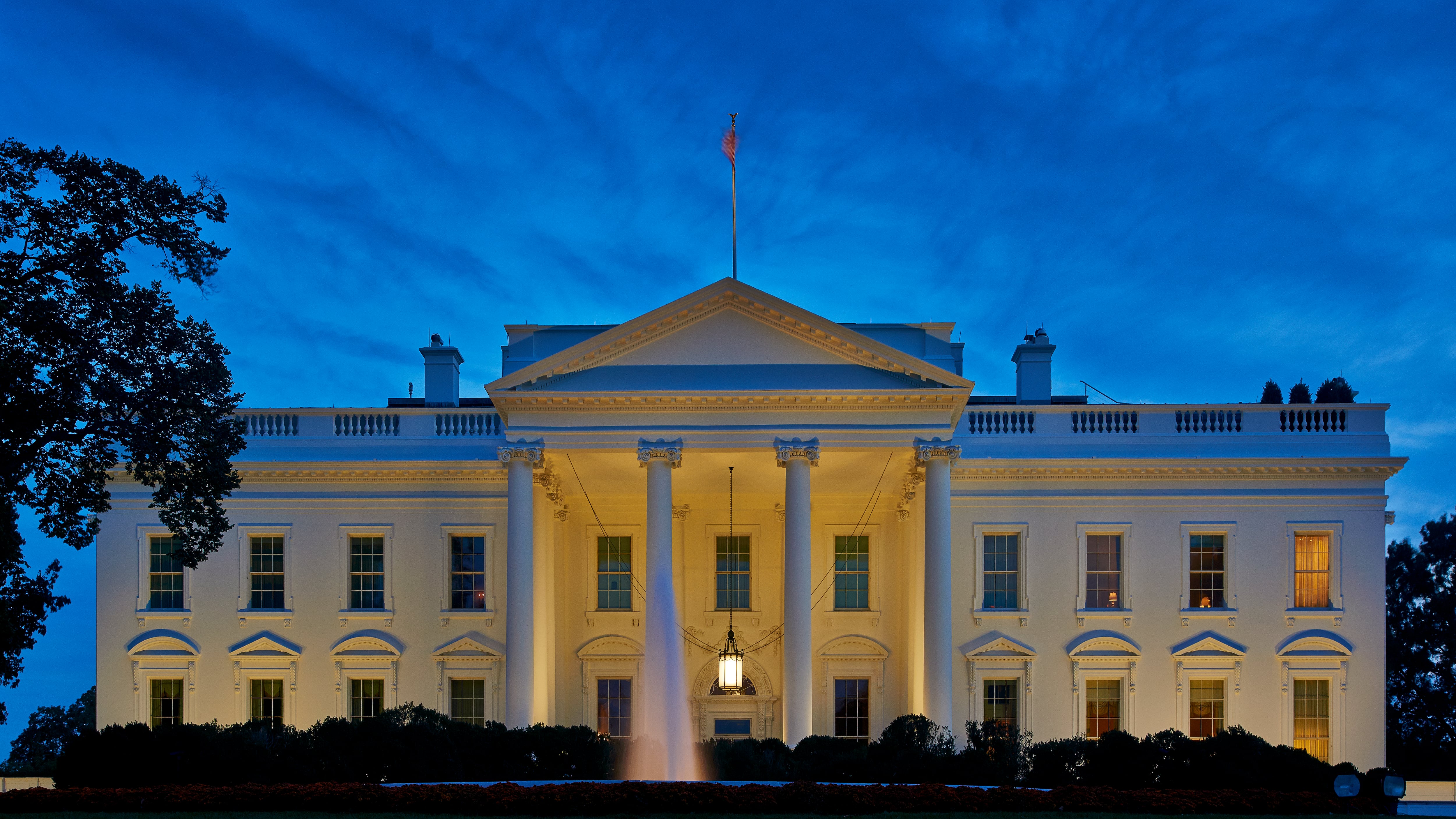
No fingerprints or DNA turned up on the baggie of cocaine found in a lobby at the White House last week despite a sophisticated FBI crime lab analysis, and surveillance footage of the area didn’t identify a suspect, according to a summary of the Secret Service investigation obtained by The Associated Press. There are no leads on who brought the drugs into the building.
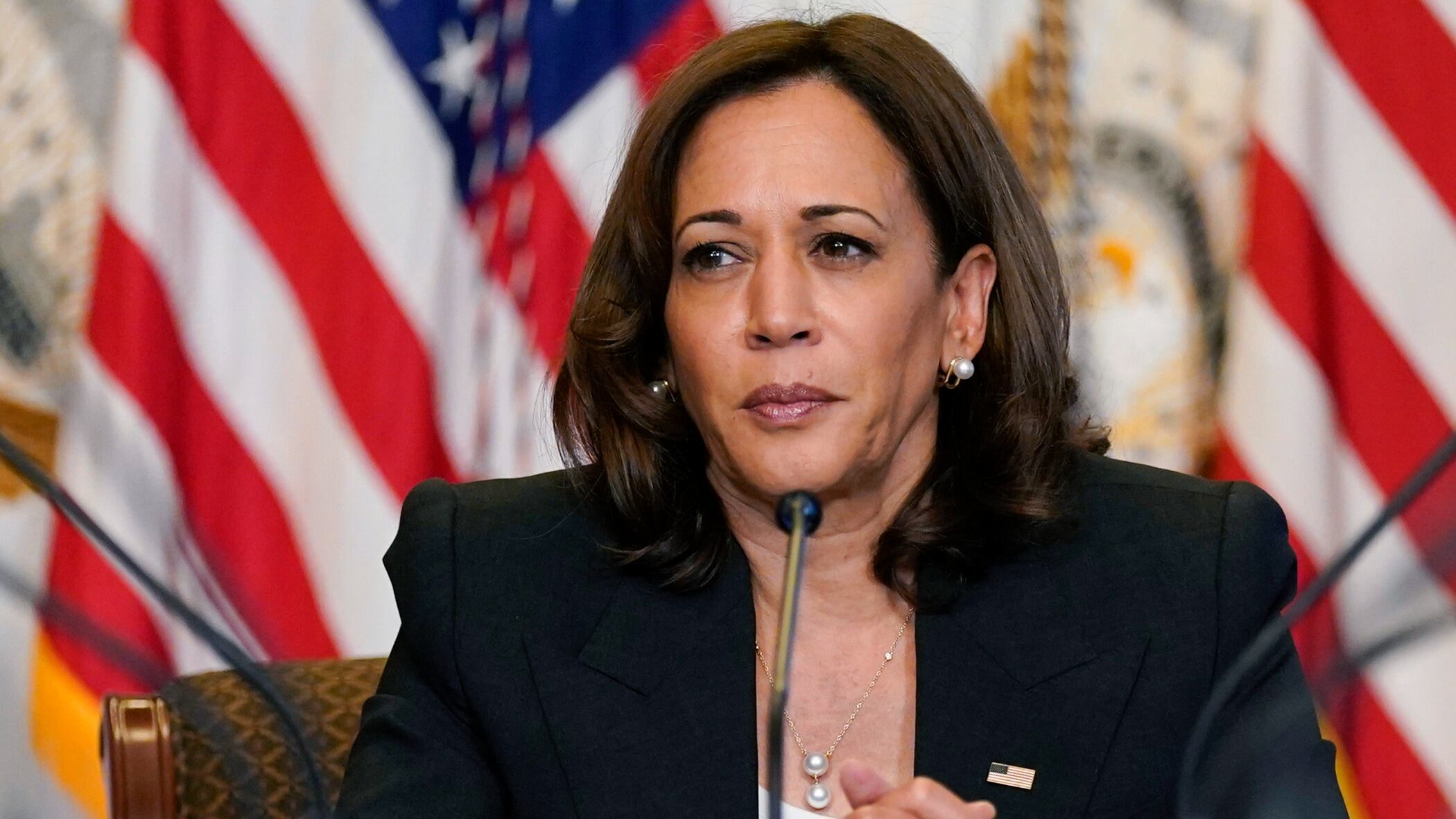
Kamala Harris, who made history as the first woman or person of color to serve as vice president, has made history again by matching the record for most tiebreaking votes in the Senate.
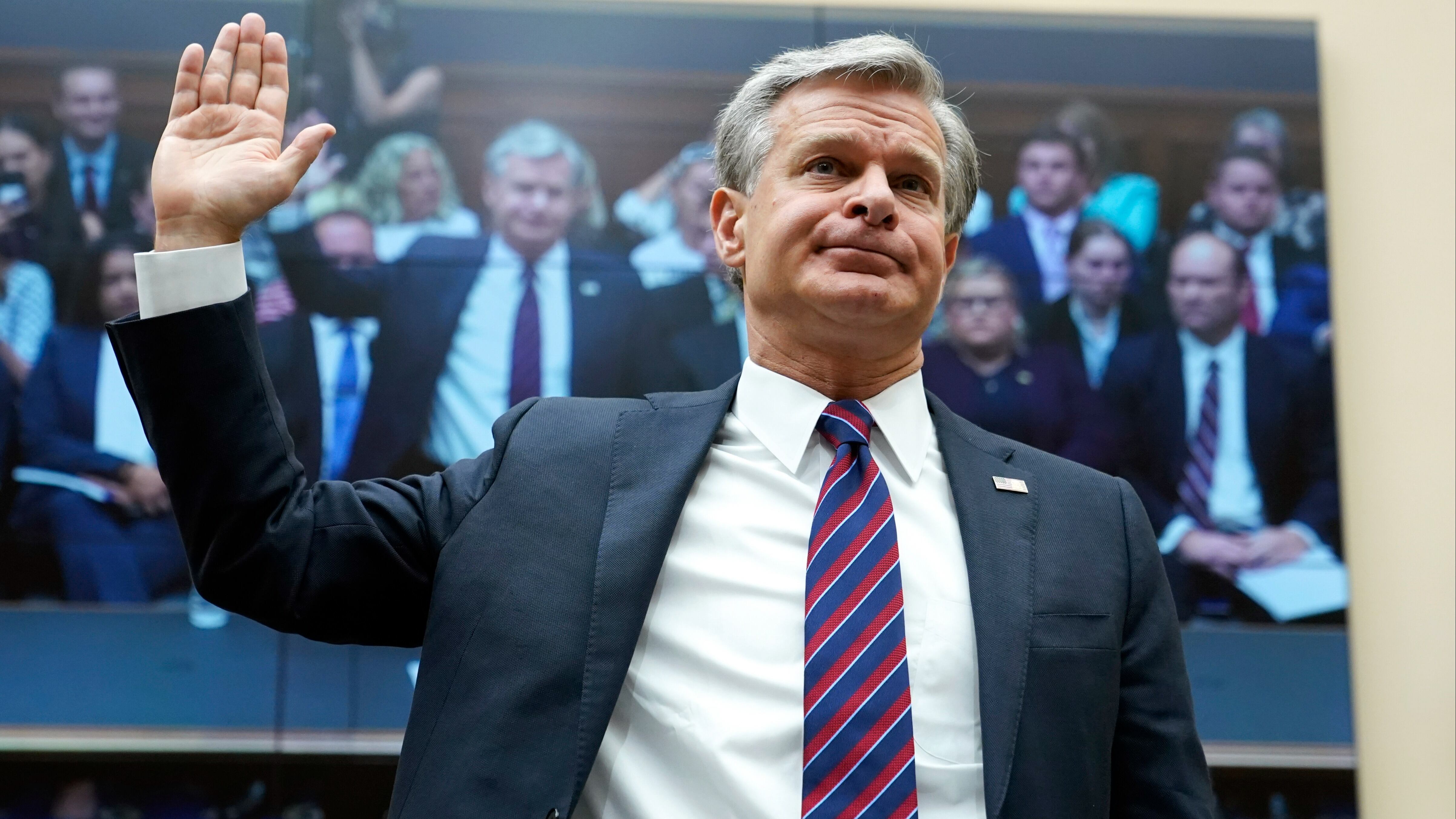
Republicans on the House Judiciary Committee accused the agency of targeting conservatives, suppressing evidence that Covid-19 came from a lab leak and abusing its surveillance powers.
The Biden administration calls it a “student loan safety net.” Opponents call it a backdoor attempt to make college free. And it could be the next battleground in the legal fight over student loan relief.
Nearly 30,000 people in Mississippi were dropped from the state's Medicaid program after an eligibility review that the government ended during the pandemic.
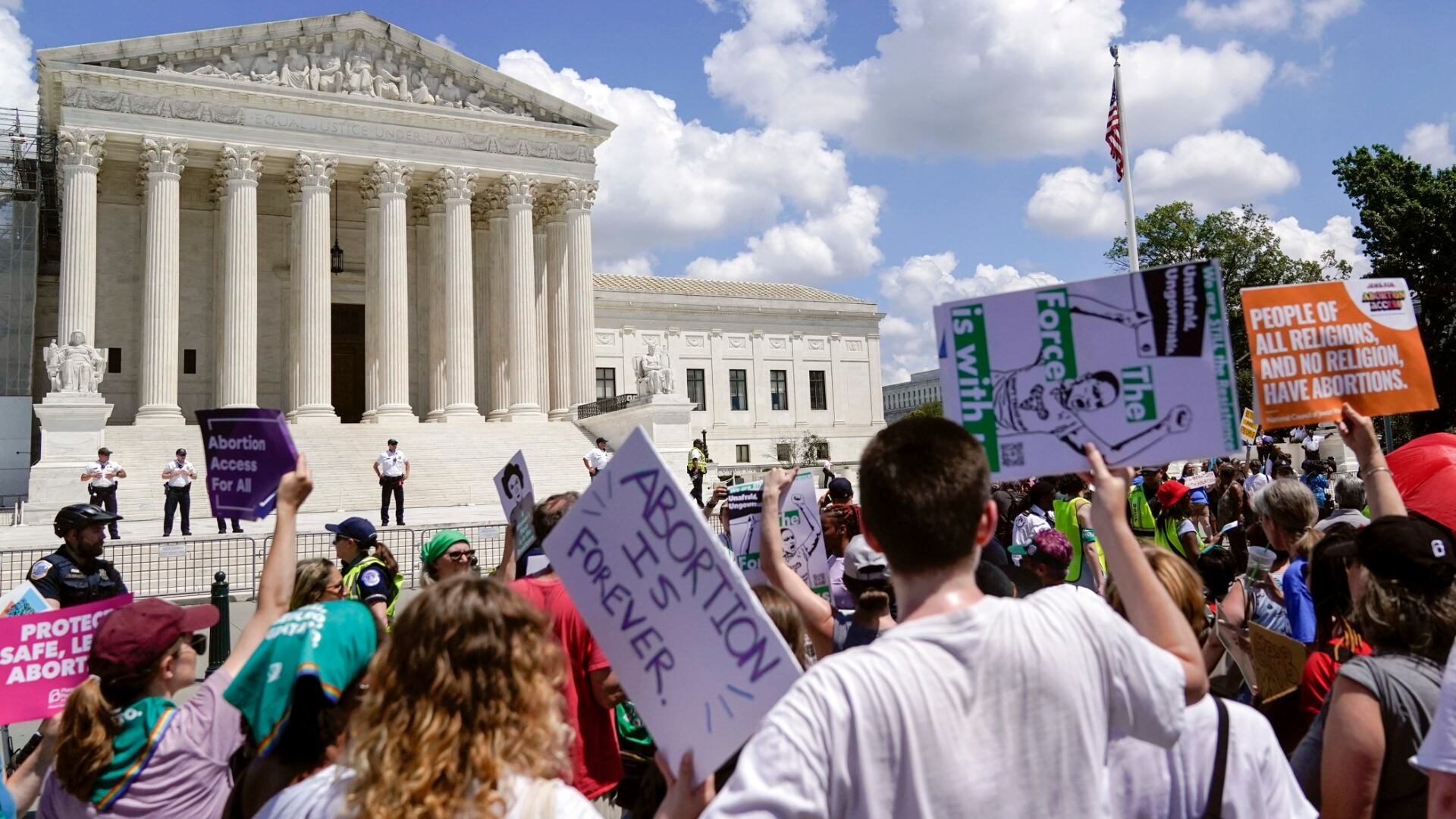
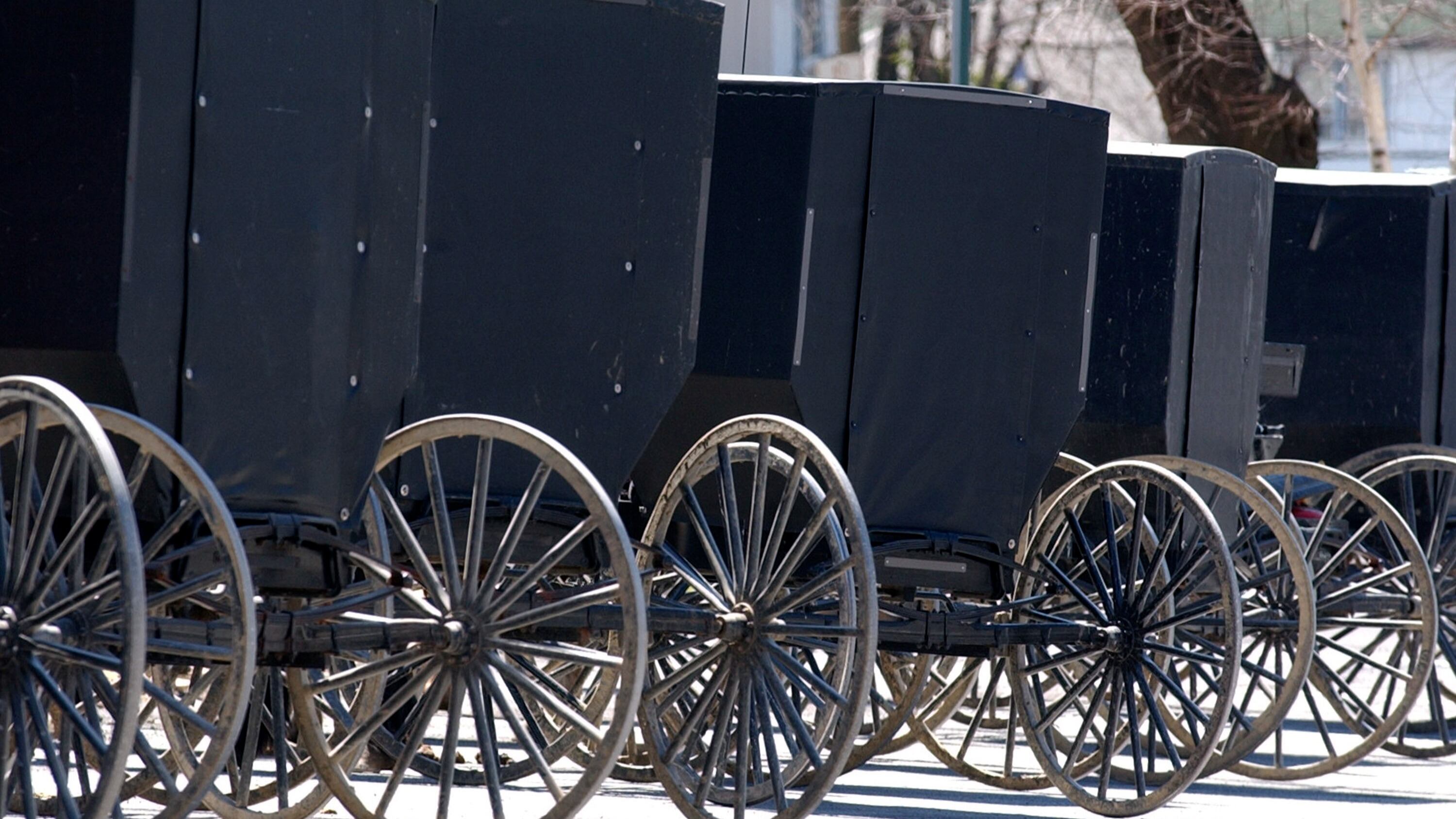
Members of a deeply conservative Amish community in Minnesota don't need to install septic systems to dispose of their “gray water,” the state Court of Appeals ruled Monday in a long-running religious freedom case that went all the way up to the U.S. Supreme Court.