The Trump administration is seeking to scrap a federal regulation aimed at curbing emissions of methane, a powerful greenhouse gas, the Environmental Protection Agency announced Thursday.
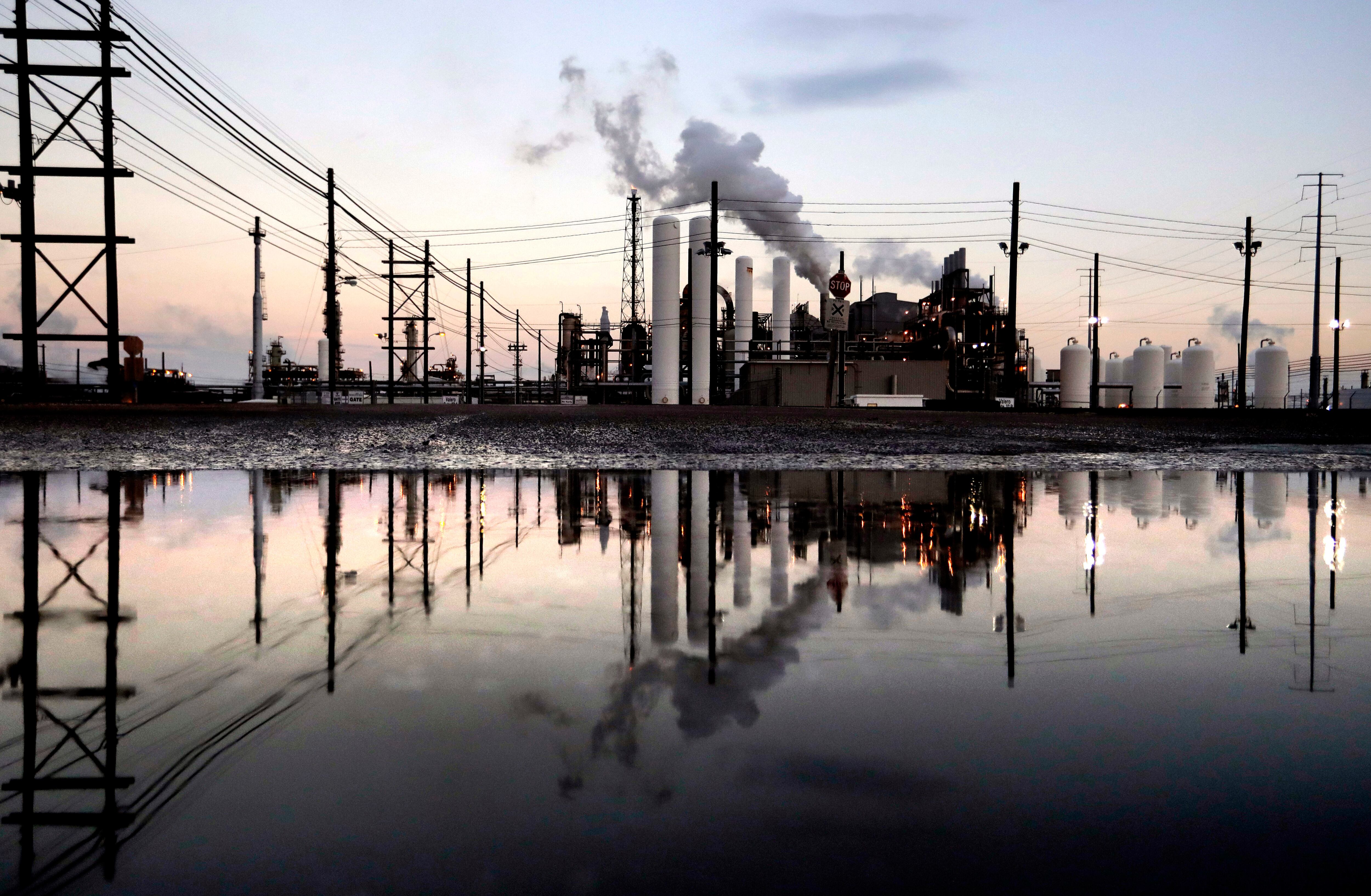
The new proposal, which is the latest effort to reverse regulations put in place under President Obama, would — if enacted — eliminate a federal law requiring oil and gas producers to inspect for, and repair, methane leaks from their wells, pipelines, and manufacturing facilities. The EPA said the reversal will remove regulatory overlap and save the industry millions of dollars in compliance expenses.
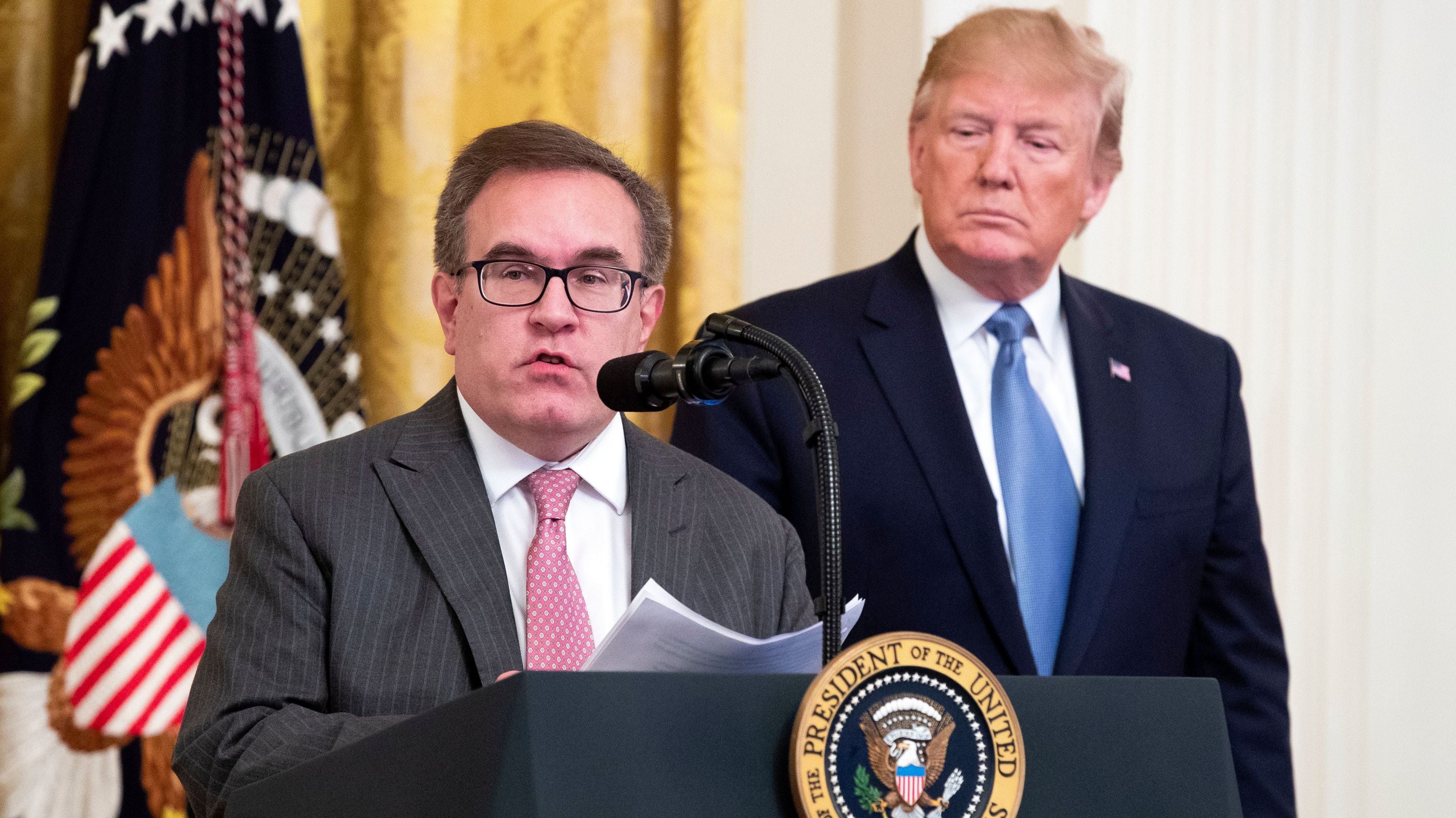
"The Trump Administration recognizes that methane is valuable, and the industry has an incentive to minimize leaks and maximize its use," EPA Administrator Andrew Wheeler said in a statement. "Our regulations should not stifle this innovation and progress."
The announcement has already received enormous pushback from both environmental activists and industry leaders. Critics have largely characterized the rollback as an unnecessary handout to the oil and gas industry, as well as a dangerous reversal that will accelerate global warming and fuel the threat of climate change.
"This is yet another instance of the Trump administration serving the worst of the fossil fuel industry instead of the public," Travis Nichols, a Greenpeace spokesperson, told Cheddar. "We need a president who will stand up to fossil fuel companies, not collaborate with the bottom-feeders to unravel what's left of U.S. climate policy."
Methane is one of the most potent air pollutants and is a major source of atmospheric greenhouse gases — along with carbon dioxide and nitrous oxide. Emissions of the gases reached a record high in 2018, according to an American Meteorological Society report released on Monday.
Greenpeace, the largest environmental activist group in the world, added that rising levels of methane are one of the "biggest threats to global attempts to limit climate change" and that the EPA's rollback will have "catastrophic consequences for generations."
Several major oil and gas producers are also urging the government to continue regulating manufacturing standards to prevent methane leaks. Shell Oil Company, the U.S. branch of Royal Dutch Shell, supported the increased methane regulations when they were implemented in 2016 and has since lobbied the Trump administration to commit to additional "cost-effective regulations." Despite the EPA's rollback, the company told Cheddar that Shell remains committed to its goal of maintaining methane emissions intensity below 0.2 percent by 2025.
"While the law may change in this instance, our environmental commitments will stand," said Gretchen Watkins, president of Shell Oil Company.
British Petroleum, which invests in the U.S. more than any other country worldwide, also publicly supported the compliance standards. Susan Dio, the president of BP America, said in a statement Thursday that it is "not only the right thing to do for the environment, there is also a clear business case" for regulating methane and aggressively limiting leaks.
"Simply, the more gas we keep in our pipes and equipment, the more we can provide to the market — and the faster we can all move toward a lower-carbon future," Dio said.
In a call with reporters following the EPA's announcement, Anne Idsal, the agency's assistant administrator for the Office of Air and Radiation, said the rollback would help small- and mid-sized companies.
The vice president of energy at the Environmental Defense Fund, Matt Watson, said the "proposal is irresponsible, dangerous and out of step with" the energy industry. "Without a strong federal framework in place, the case for natural gas evaporates," he added.
The Trump administration has already eased regulations on methane gas leaks from energy companies operating on federal and tribal lands. In September of last year, the Department of the Interior's Bureau of Land Management said the mandate was an "unnecessary burden" and overlapped with other government standards.
The EPA said that the full rollback will save the oil and natural gas industry an estimated $17 to $19 million a year. The savings, which is a fraction of the multi-billion dollar profits made annually in the industry, will be passed onto consumers, Idsal said, in a "number of different ways."
"The Trump EPA is eager to give the oil and gas industry a free pass to keep leaking enormous amounts of climate pollution into the air," said David Doniger, senior strategic director of climate and clean energy at the Natural Resources Defense Council. "We simply cannot protect our children and grandchildren from climate catastrophe if EPA lets this industry off scot-free.
The regulations to limit methane gas leaks were widely supported by the American people when they were implemented in 2016. A poll conducted by the American Lung Association at the time found that over 60 percent of respondents supported the measure.
"If EPA moves forward with this reckless and sinister proposal, we will see them in court," Doniger added.