How Gen Z is Leading the World Towards a Cashless Society
Gen Z may already be far more tech-savvy than millennials will ever be. Their latest disruption? Cash.
While plastic cards have been moving money around the world for awhile, Shiv Singh, Visa’s Senior Vice President of Innovation and Strategic Partnerships, tells Cheddar that Gen Z is more likely to spend their bucks digitally. He says they are also more likely to use messaging platforms, such as China’s WeChat, to make transactions.
“They expect all of their payments … to happen in a Facebook messaging type of environment,” Singh said. “The amount of payment volume on WeChat itself has grown dramatically in the last twelve months.”
Singh foresees that this trend will “explode” around the world. Facebook recently jumped on board and announced that it’s integrating advertisements in its Messenger app. The move aims to facilitate purchases and communication between consumers and companies.
Singh says that all of these efforts are only the beginning of a cashless society. The executive adds that the first step towards a cashless society is waving contactless cards, like Apple Pay. The company projects that contactless payments will grow dramatically in the U.S. over the next two years.
Singh points out that 40 percent of the POS terminals are ready for contactless payments in the U.S.. “Now,” he says, “it’s all about educating the consumers, and putting the right technology in their hands.”
YouTube will offer creators a way to rejoin the streaming platform if they were banned for violating COVID-19 and election misinformation policies that are no longer in effect.
Lukas Alpert of MarketWatch explores how networks, brands, and ad buyers absorb the shockwaves when late‑night show hosts are suddenly cut — and brought back.
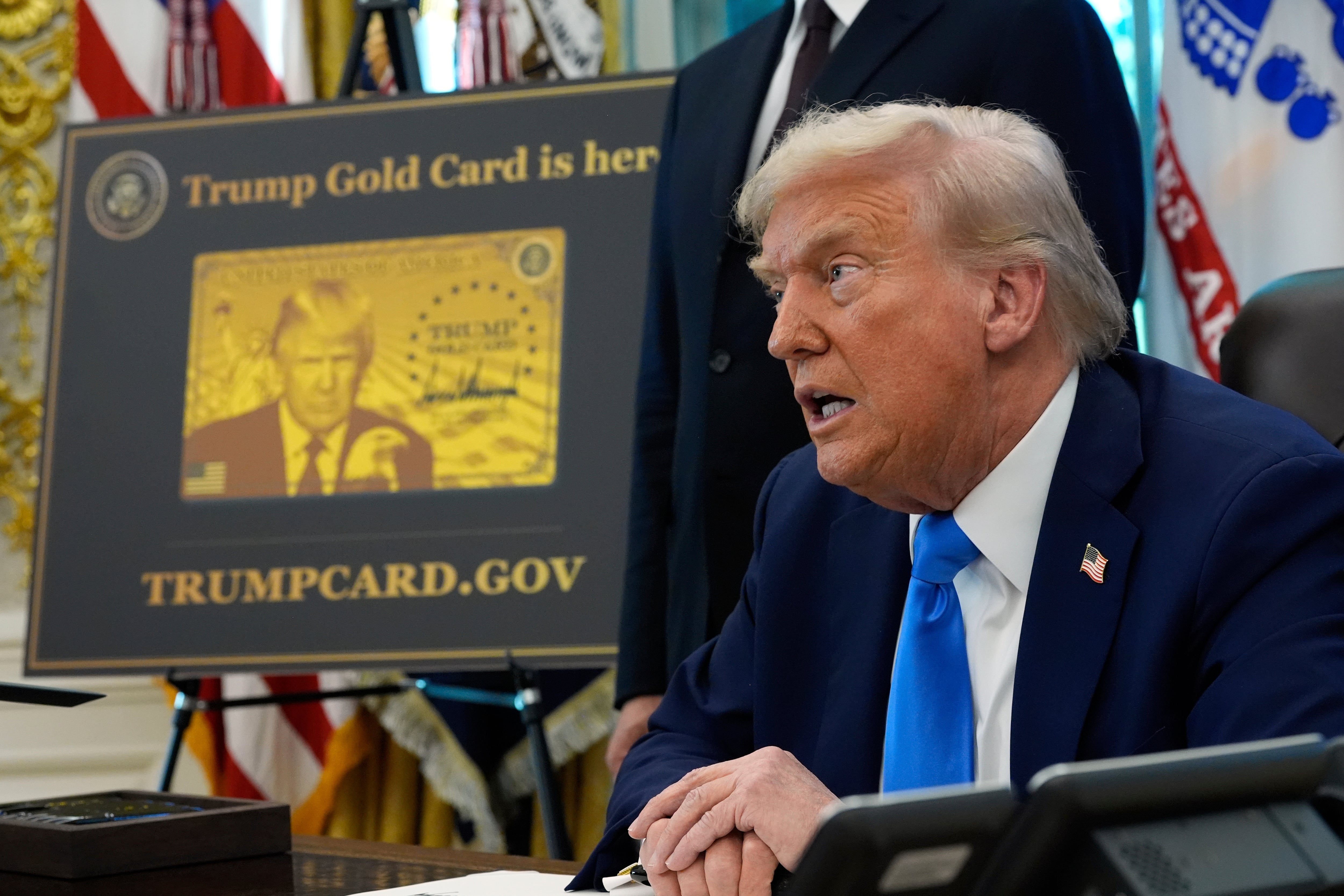
A new poll finds U.S. adults are more likely than they were a year ago to think immigrants in the country legally benefit the economy. That comes as President Donald Trump's administration imposes new restrictions targeting legal pathways into the country. The Associated Press-NORC Center for Public Affairs Research survey finds Americans are more likely than they were in March 2024 to say it’s a “major benefit” that people who come to the U.S. legally contribute to the economy and help American companies get the expertise of skilled workers. At the same time, perceptions of illegal immigration haven’t shifted meaningfully. Americans still see fewer benefits from people who come to the U.S. illegally.
Shares of Tylenol maker Kenvue are bouncing back sharply before the opening bell a day after President Donald Trump promoted unproven and in some cases discredited ties between Tylenol, vaccines and autism. Trump told pregnant women not to use the painkiller around a dozen times during the White House news conference Monday. The drugmaker tumbled 7.5%. Shares have regained most of those losses early Tuesday in premarket trading.