While the rollout of coronavirus vaccines has given hope to the beleaguered travel industry,
Axel Hefer, CEO of Trivago, an online search and price comparison site for hotels, anticipates at least another quarter, if not multiple years, before the sector fully recovers.
"We do think that the first quarter will stay very difficult for the travel industry," Hefer told Cheddar. "The situation is still very serious. It feels more under control, and the vaccine rollout is obviously contributing to that, but the number of infections and also the death toll is still very high in the U.S. and also in many European markets."
He added that next summer in the Northern Hemisphere could offer a reprieve — as those holed up during the pandemic go on their first vacations in over a year — but even when travel does begin to return to normal levels, it could look very different than before COVID-19.
Trends, such as travelers taking more domestic flights or visiting nearby international neighbors that had begun in 2020, are likely to continue next year, Hefer noted. It will also likely take time for travelers' expectations to adjust from new normals that emerged during the pandemic.
"The quarantine requirements that are currently implemented in many, many countries will not be forgotten, so it will take some time to normalize," he said.
For travel businesses, Hefer said preparing for a smaller market that could last years is key to survival.
"Even with a positive outlook for 2021, it will not be anywhere close to 2019, and that obviously has some implications on the size of your business and also on your operations," he said.
As for when travel will return to pre-pandemic levels, Hefer stressed that different parts of the industry will recover at different rates. Business travel, for instance, might never reach its former heights, as more work is done remotely, while local travel could bounce back as early as next year.
Whether a company survives this uneven transition depends largely on its strength going into the crisis and how they have operated during it, he added.
"Not every airline will make it through the crisis. Not every travel business will make it through the crisis."
The Biden administration has enacted a new labor rule that aims to prevent the misclassification of workers as independent contractors. The labor department rule going into effect Tuesday replaces a scrapped Trump-era standard that lowered the bar for classifying employees as contractors
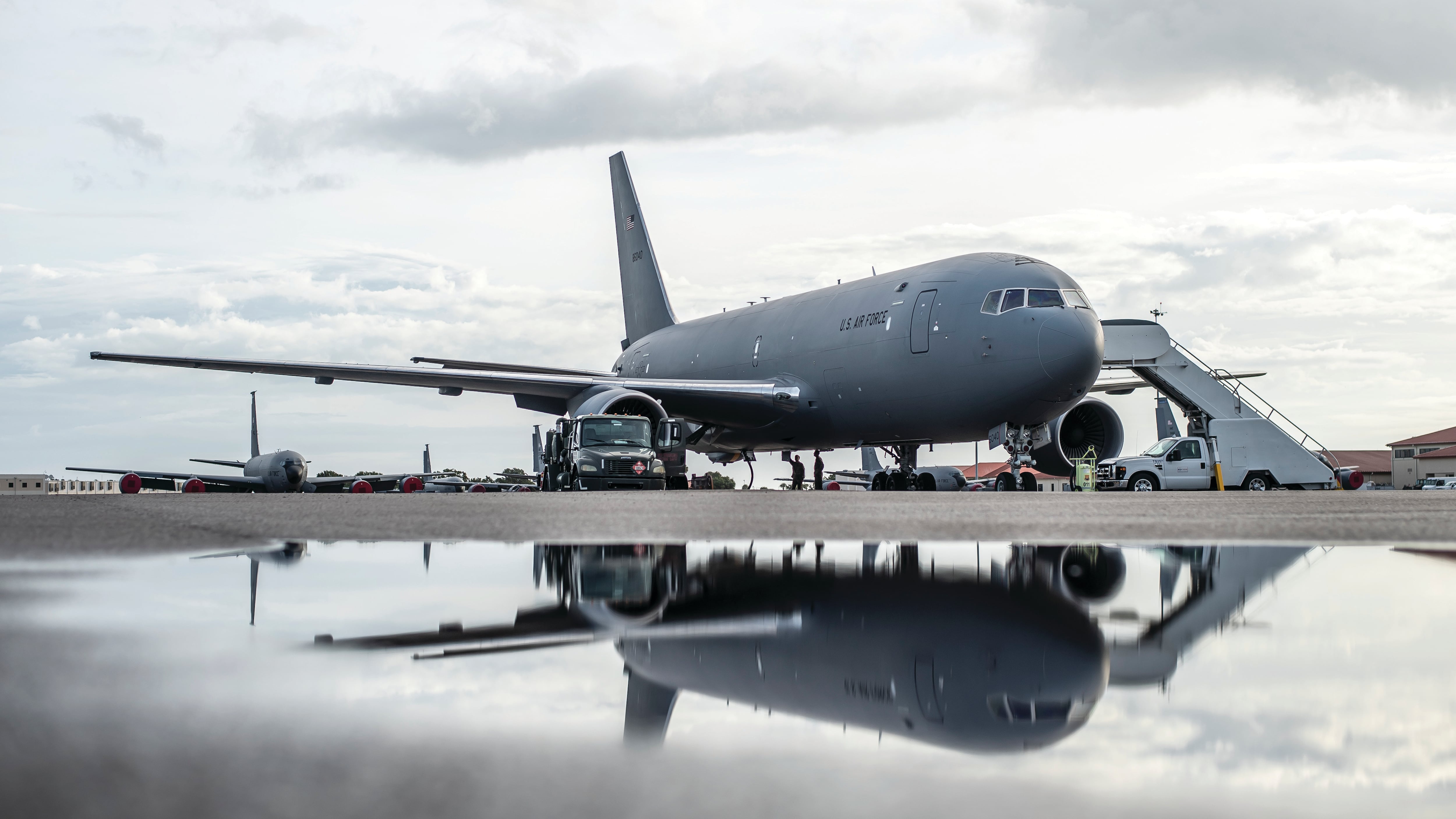
The KC-46 was to be the ideal candidate for a fixed-price development program. Instead, it has cost Boeing billions, and made industry wary of such deals.
Dave Long, CEO and Co-Founder of Orangetheory Fitness joins Cheddar to chat trends in the industry for 2024. He updates us on the company's plans to expand and what the state of the economy has meant for business.
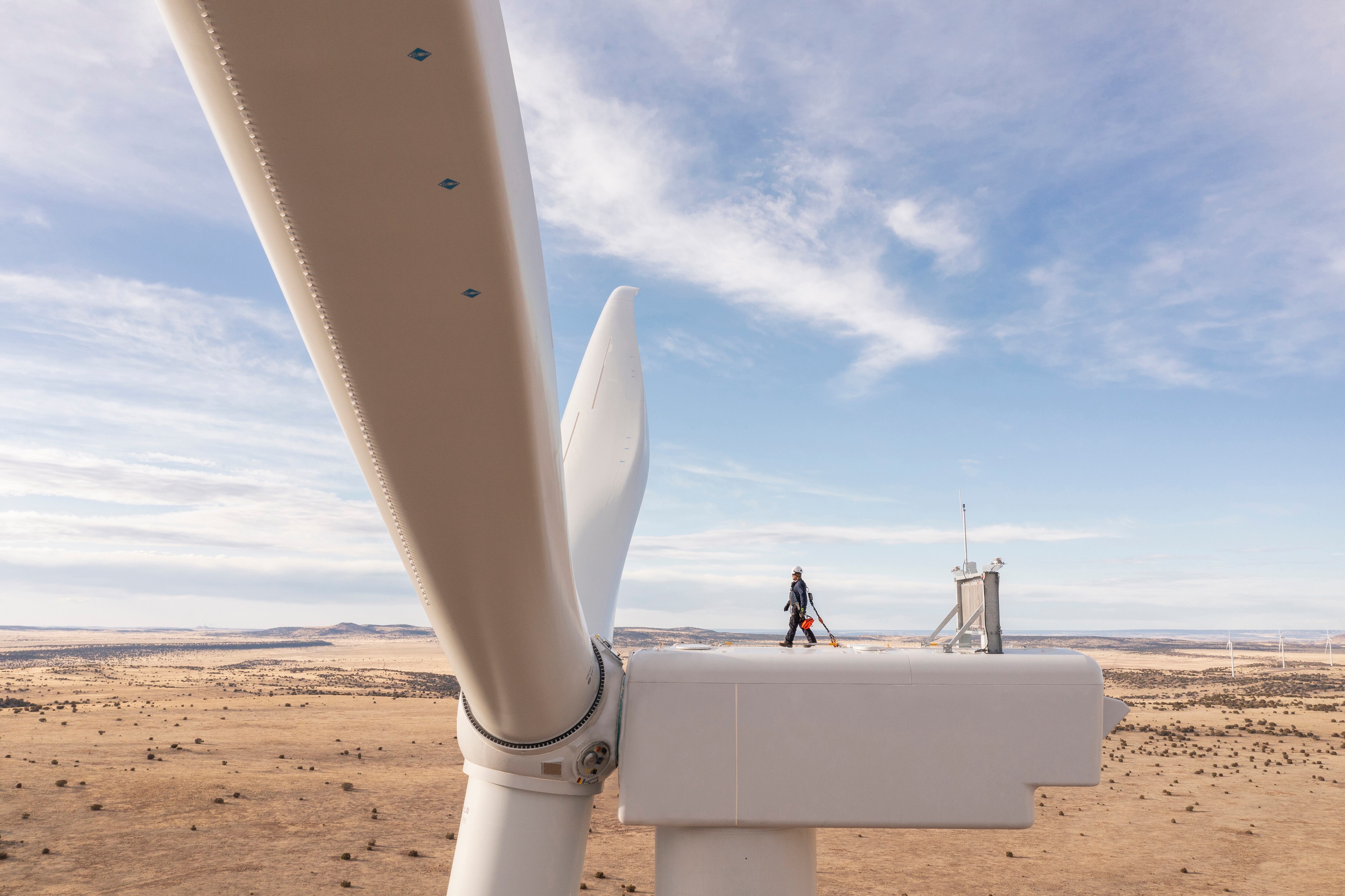
One of the world's largest renewable energy developers will be getting hundreds of wind turbines from General Electric spinoff GE Vernova as part of a record equipment order and long-term service deal.
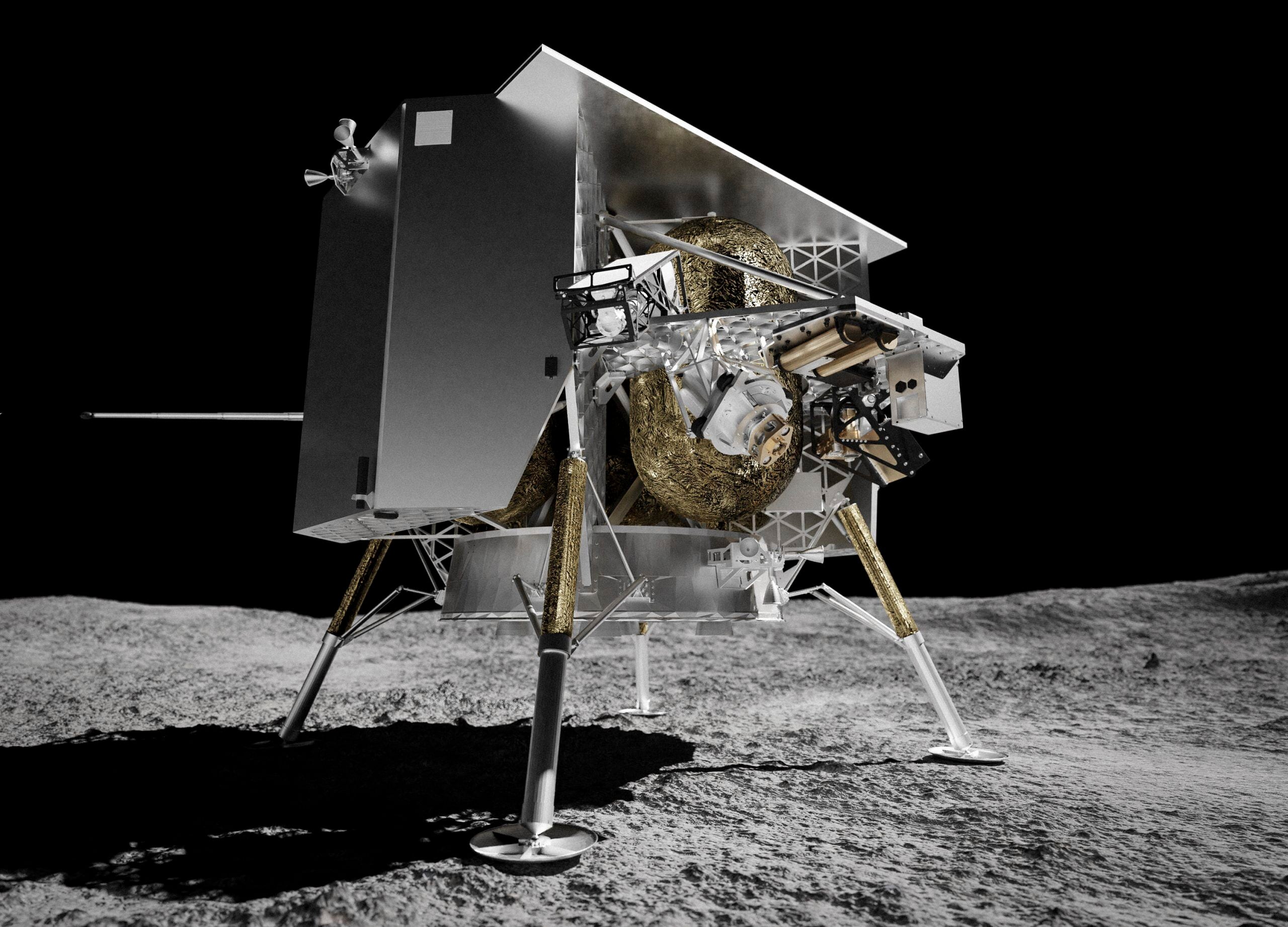
A moon landing attempt by a private US company appears doomed because of a fuel leak on the newly launched spacecraft. Astrobotic Technology managed to orient the lander toward the sun Monday so its solar panel could capture sunlight and charge its onboard battery.
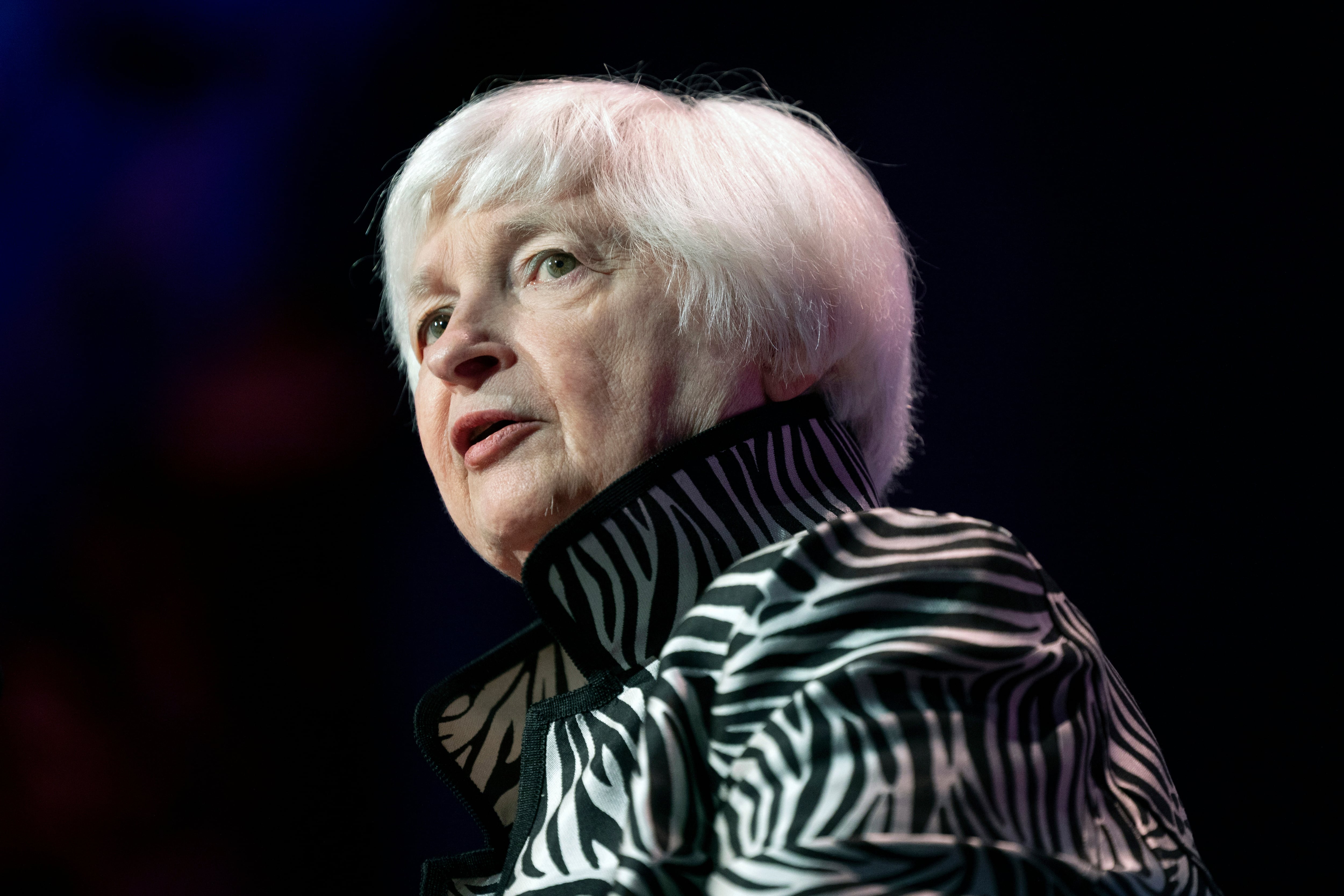
Treasury Secretary Janet Yellen has announced that 100,000 businesses have signed up for a new database that collects ownership information intended to help unmask shell company owners. Yellen says the database will send the message that “the United States is not a haven for dirty money.”
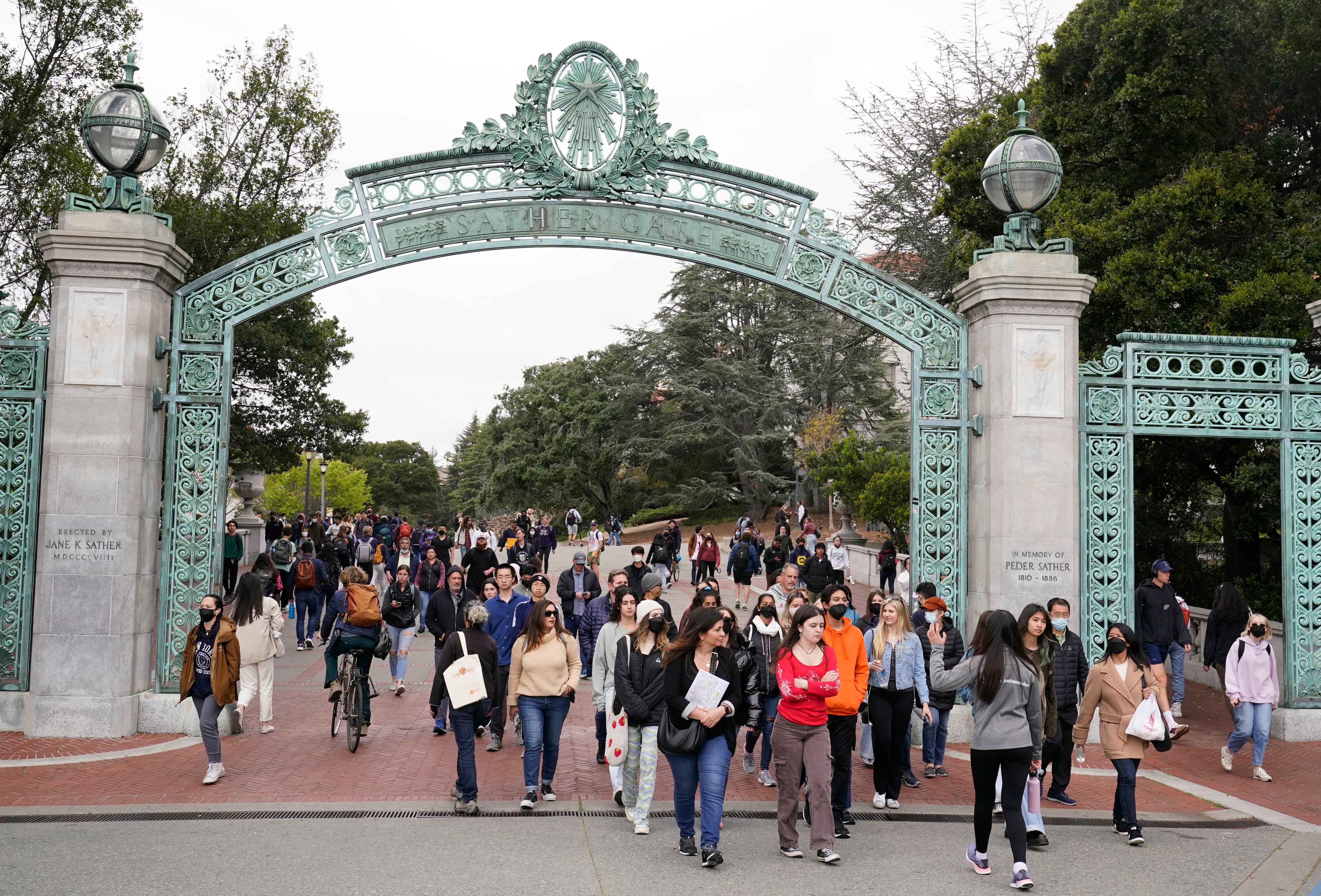
A new version of the federal student aid application known as the FAFSA is available for the 2024-2025 school year, but only on a limited basis as the U.S. Department of Education works on a redesign meant to make it easier to apply.
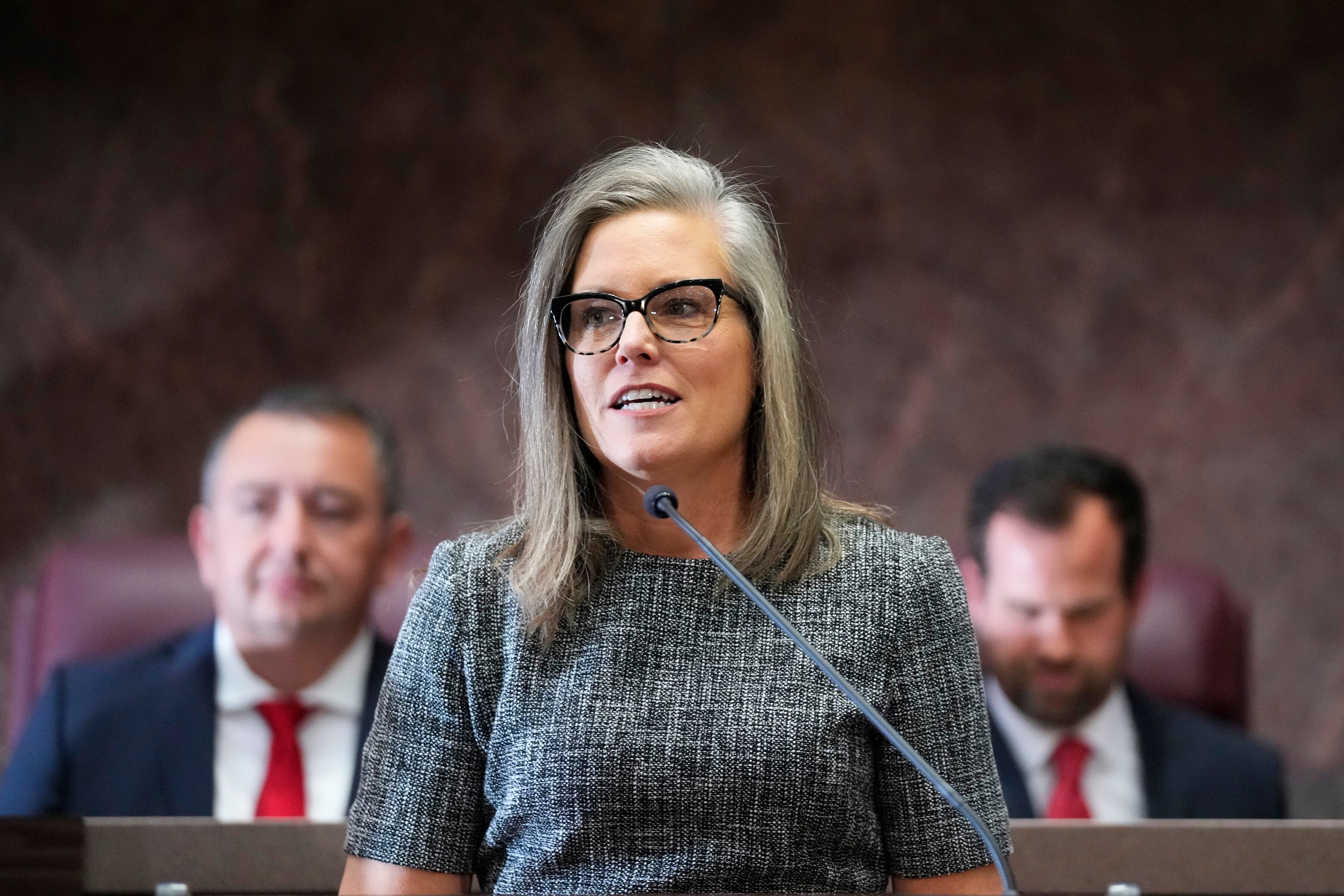
A steep budget deficit caused by plummeting tax revenues and escalating school voucher costs will be in focus Monday as Democratic Gov. Katie Hobbs and the Republican-controlled Arizona Legislature return for a new session at the state Capitol.
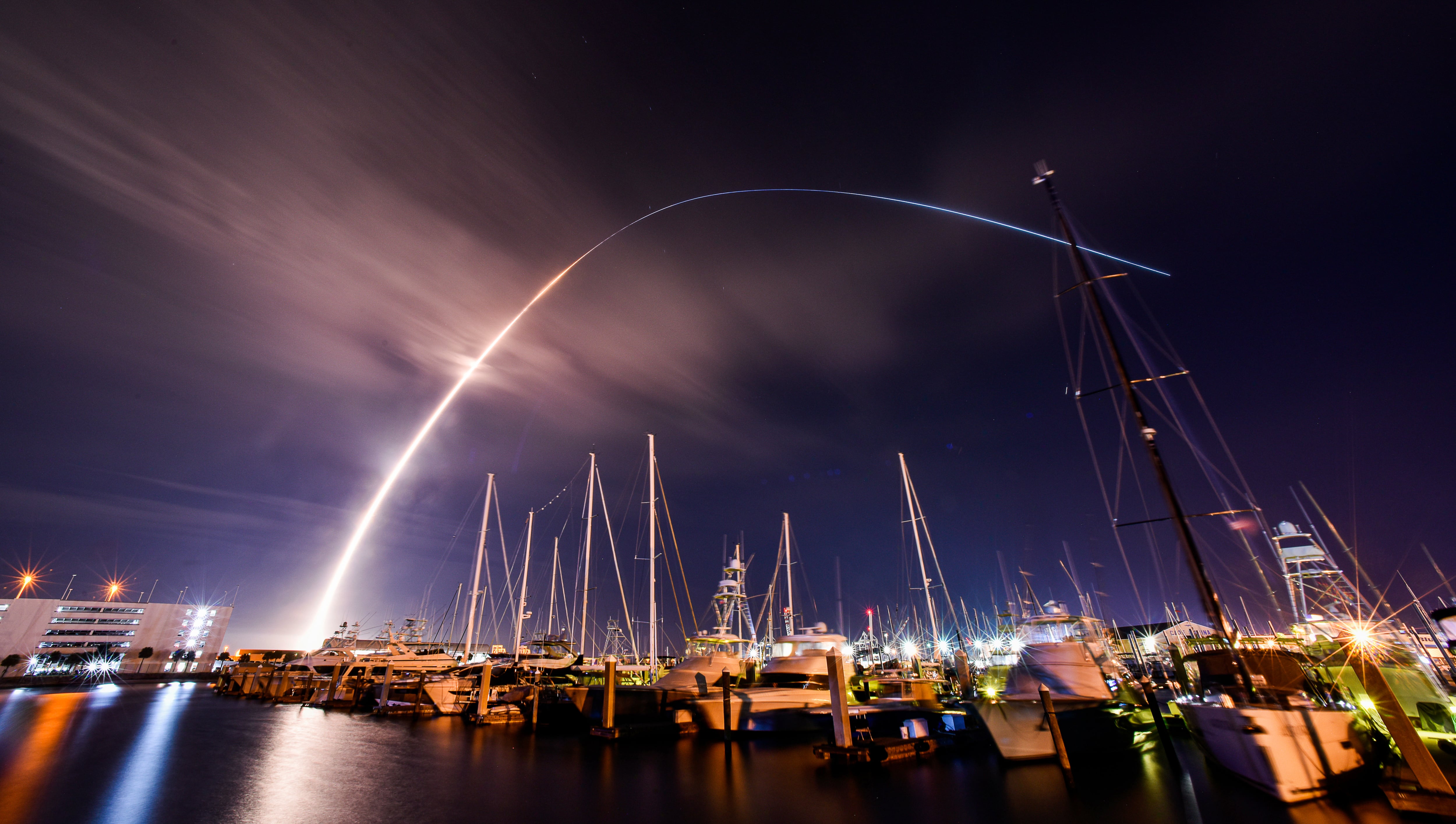
The first U.S. lunar lander in more than 50 years is on its way to the moon. The private lander from Astrobotic Technology blasted off Monday from Cape Canaveral, Florida, catching a ride on United Launch Alliance's brand new rocket Vulcan.