The August sell-off in stocks has investors rushing to the relative safety of bonds, sending the yield of the benchmark 10-year Treasury note to its lowest in nearly three years.
"The bond market is screaming that the economy is slowing; that the trade war is going to escalate," said Jim Bianco, president and macro strategist at Bianco Research.
Bianco told Cheddar on Wednesday, as the Dow Industrials traded lower by nearly 300 points, that treasury yields are telling economists something that the stock market is not. The combination of trade concerns, a cooling global economy, and the Fed's seeming unwillingness to keep cutting rates is flashing warning lights for the U.S. economy.
For those who would point to relatively strong corporate earnings, a 50-year low in unemployment, stable inflation, and high consumer confidence, Bianco responded that those are all "backward-looking" indicators that "discount where we're going." The bond market, however, show "where we're going."
The Fed Funds rate ー which currently is close to 2 percent after last month's rate cut ー may seem low historically, but Bianco said that it's all relative. "It's actually high because it's higher than every other interest rate in the world." In his argument, more rate cuts are in order sooner rather than later because while the Fed can be too late to act, it can't be too early. If further rate cuts now don't help the economy, rate cuts later won't either, he said.
"It's either going to work now or it's not going to work at all."
The market, for its part, is pricing in five rate cuts between last month and next year, which Bianco said is not even remotely the consensus of economists. It's rare ー and worrisome ー that the market is pricing in an extreme like that.
Meanwhile, bond yields continued to move lower in the UK and Germany ー a sign that the flight to safety for fixed-income traders is not isolated to the U.S. and that a trade war with China that continues to show no end in sight is increasingly a global sign of worry about what's to come.
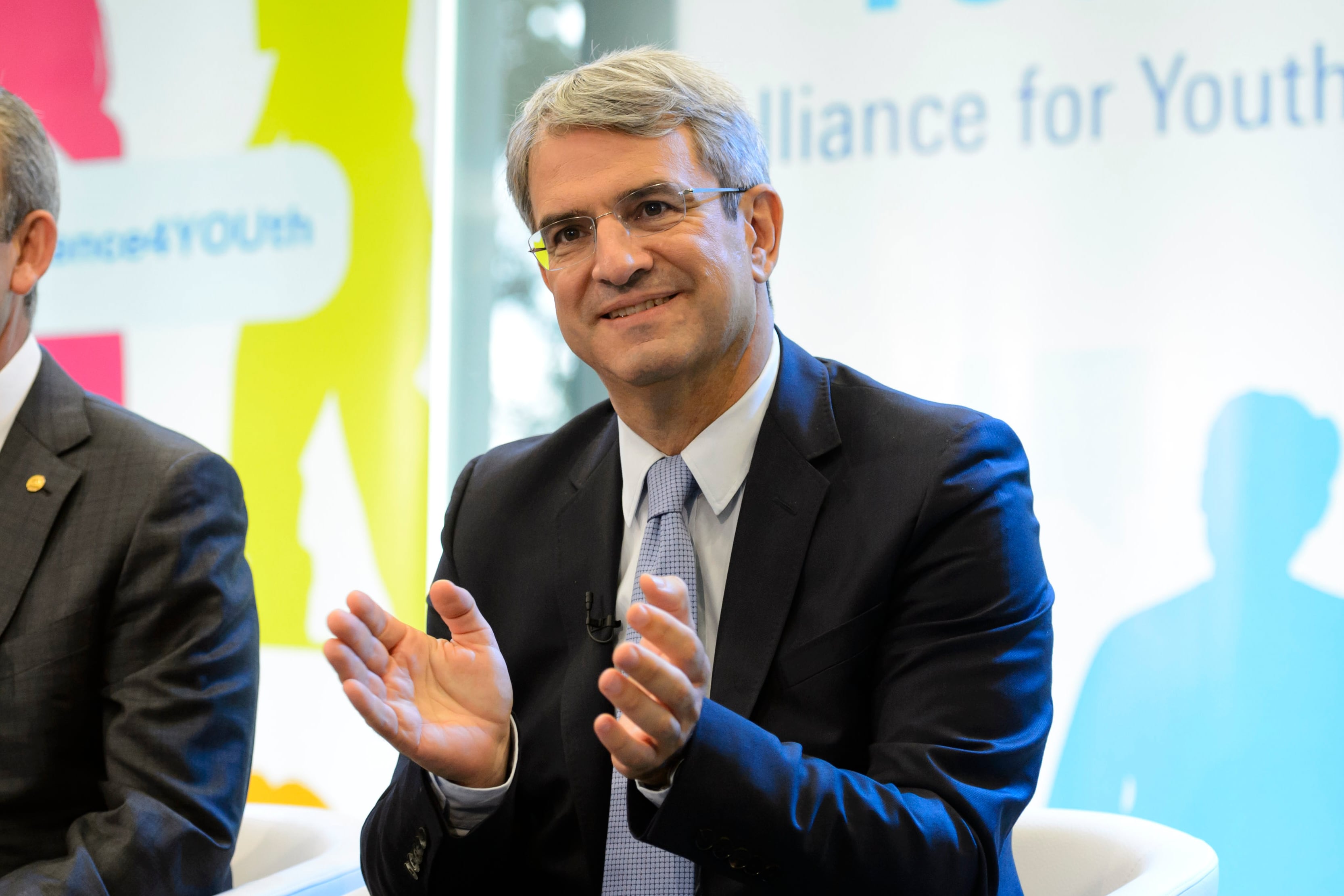
Nestlé has dismissed its CEO Laurent Freixe after an investigation into an undisclosed relationship with a direct subordinate. The company announced on Monday that the dismissal was effective immediately. An investigation found that Freixe violated Nestlé’s code of conduct. He had been CEO for a year. Philipp Navratil, a longtime Nestlé executive, will replace him. Chairman Paul Bulcke stated that the decision was necessary to uphold the company’s values and governance. Navratil began his career with Nestlé in 2001 and has held various roles, including CEO of Nestlé's Nespresso division since 2024.
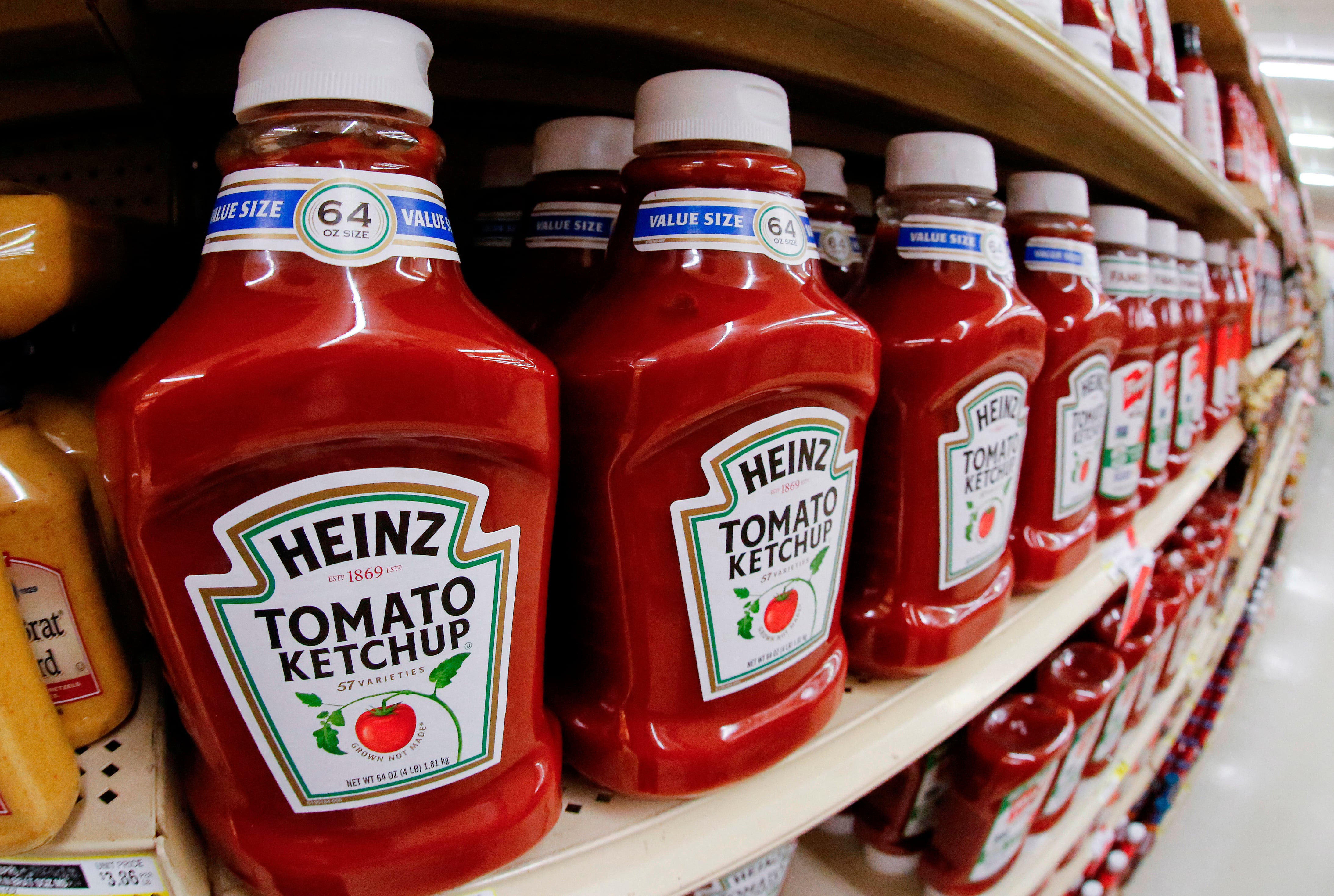
Kraft Heinz is splitting into two companies a decade after they joined in a massive merger that created one of the biggest food companies on the planet. One of the companies will include brands such as Heinz, Philadelphia cream cheese and Kraft Mac & Cheese. The other will include brands like Oscar Mayer, Kraft Singles and Lunchables. When the company formed in 2015 it wanted to capitalize on its massive scale, but shifting tastes complicated those plans, with households seeking to introduce healthier options at the table. Kraft Heinz's net revenue has fallen every year since 2020.
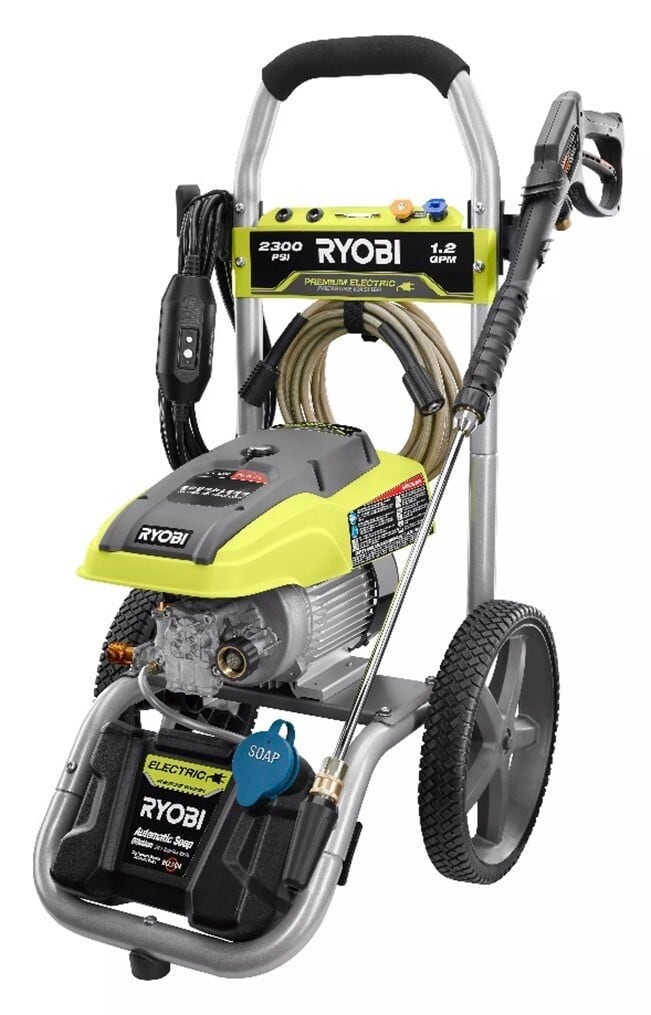
About 780,000 pressure washers sold at retailers like Home Depot are being recalled across the U.S. and Canada, due to a projectile hazard that has resulted in fractures and other injuries among some consumers.
President Donald Trump has fired one of two Democratic members of the U.S. Surface Transportation Board to break a 2-2 tie ahead of the board considering the largest railroad merger ever proposed.