The “Bomb Cyclone” whipped the East Coast Thursday, with winds of up to 60 mph and snow falling at the rate of two inches per hour.
One meteorologist told Cheddar the arctic blast dubbed “Grayson” is even more powerful than 1993’s “Storm of the Century.”
“Fortunately is located just off-shore, so we are not seeing the very worst of it,” said Bob Henson, blogger at Weather Underground. “It’s also moving so quickly that the snowfall amounts, the totals, are not going to be as high as they were in that 1993 storm. However, the winds are going to be hellacious.”
The 1993 storm caused the equivalent of $9.3 billion in damages from the Deep South through the East Coast.
But this year’s blizzard, despite its ominous-sounding descriptor, may be less scary than it sounds. The National Oceanic and Atmospheric Administration notes the term “Bomb Cyclone” comes from the term “bombogenesis,” which describes pressures that drop to at least 24 millibars over 24 hours.
Still, Henson points out, Grayson has already claimed some victims.
“We just had a couple of fatalities in North Carolina of people out on the roads and their trucks slid of the roads,” he said. He added that the cold temperatures can also be deadly.
In order to stay safe, Henson suggests staying in a warm place, avoiding travel, and keeping off the road as the most important steps.
For full interview [click here](https://cheddar.com/videos/climate-changes-role-in-winter-storm-grayson).
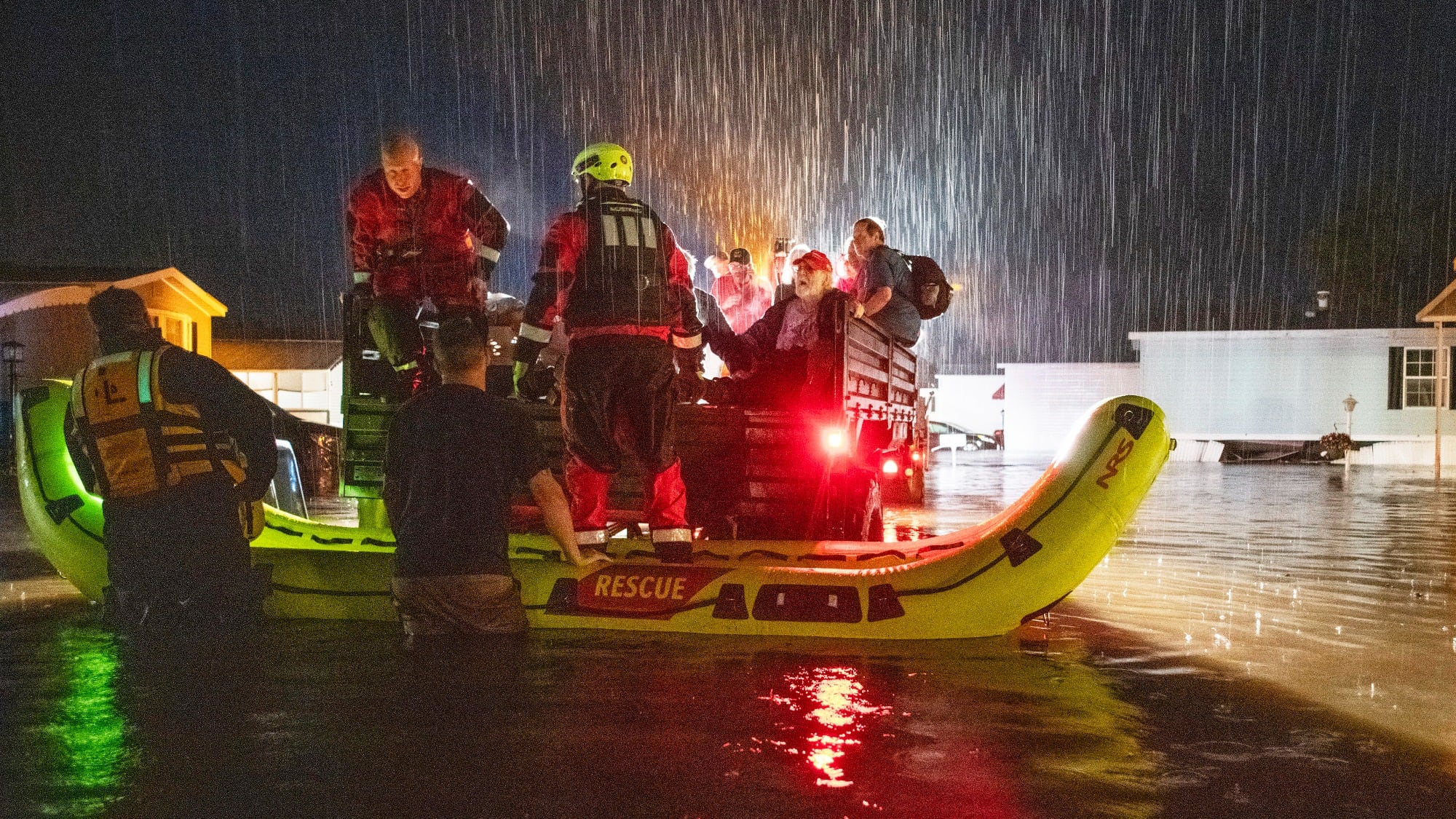
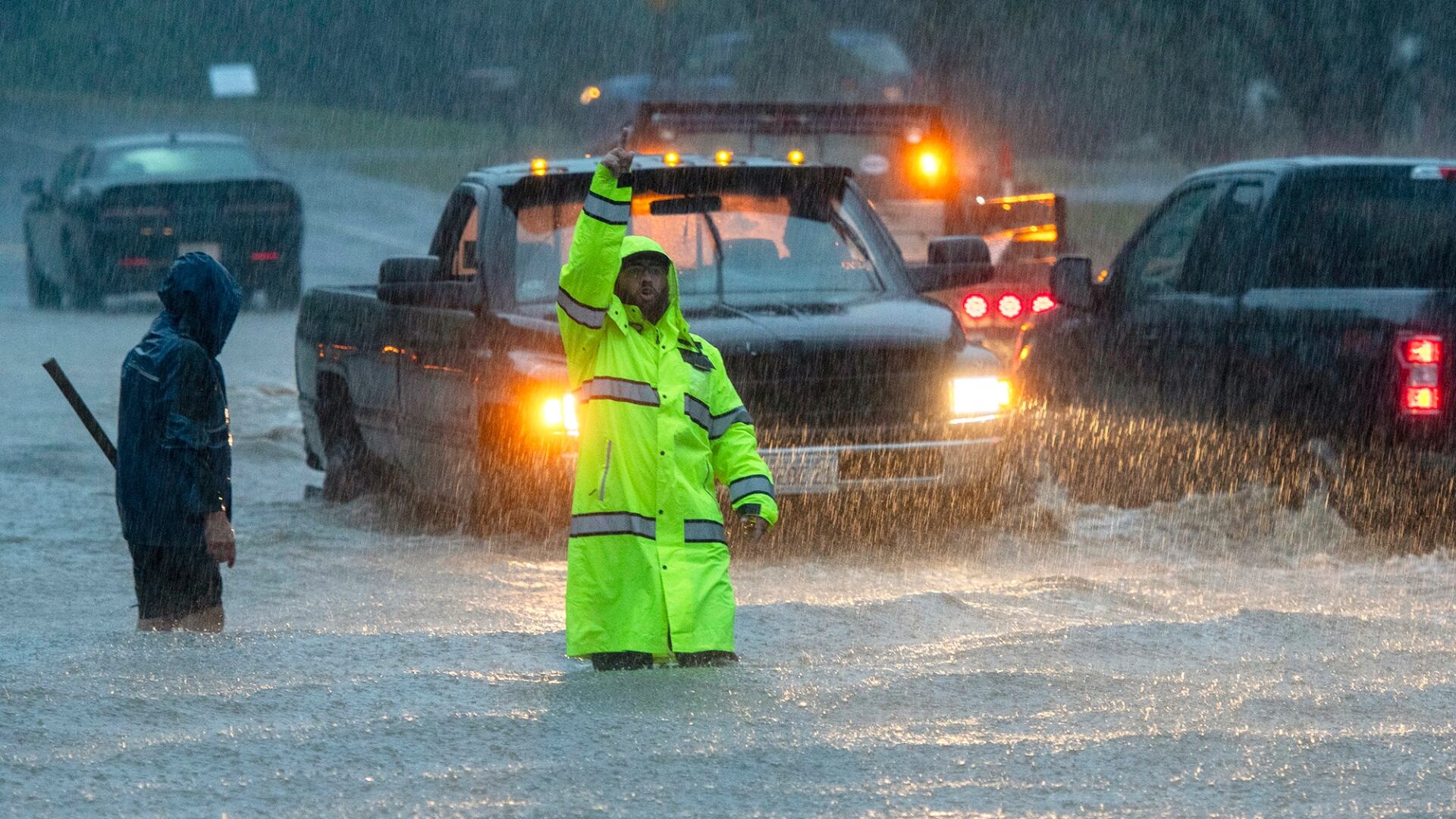
Heavy rainfall flooded parts of Massachusetts and Rhode Island, with two communities declaring a state of emergency as water poured into homes, creating moats around their foundations and leading to boat rescues of residents. Concern about a dam listed in poor condition led to more evacuations.
The leading decongestant used by millions of Americans looking for relief from a stuffy nose is no better than a dummy pill, according to government experts who reviewed the latest research on the long-questioned drug ingredient.
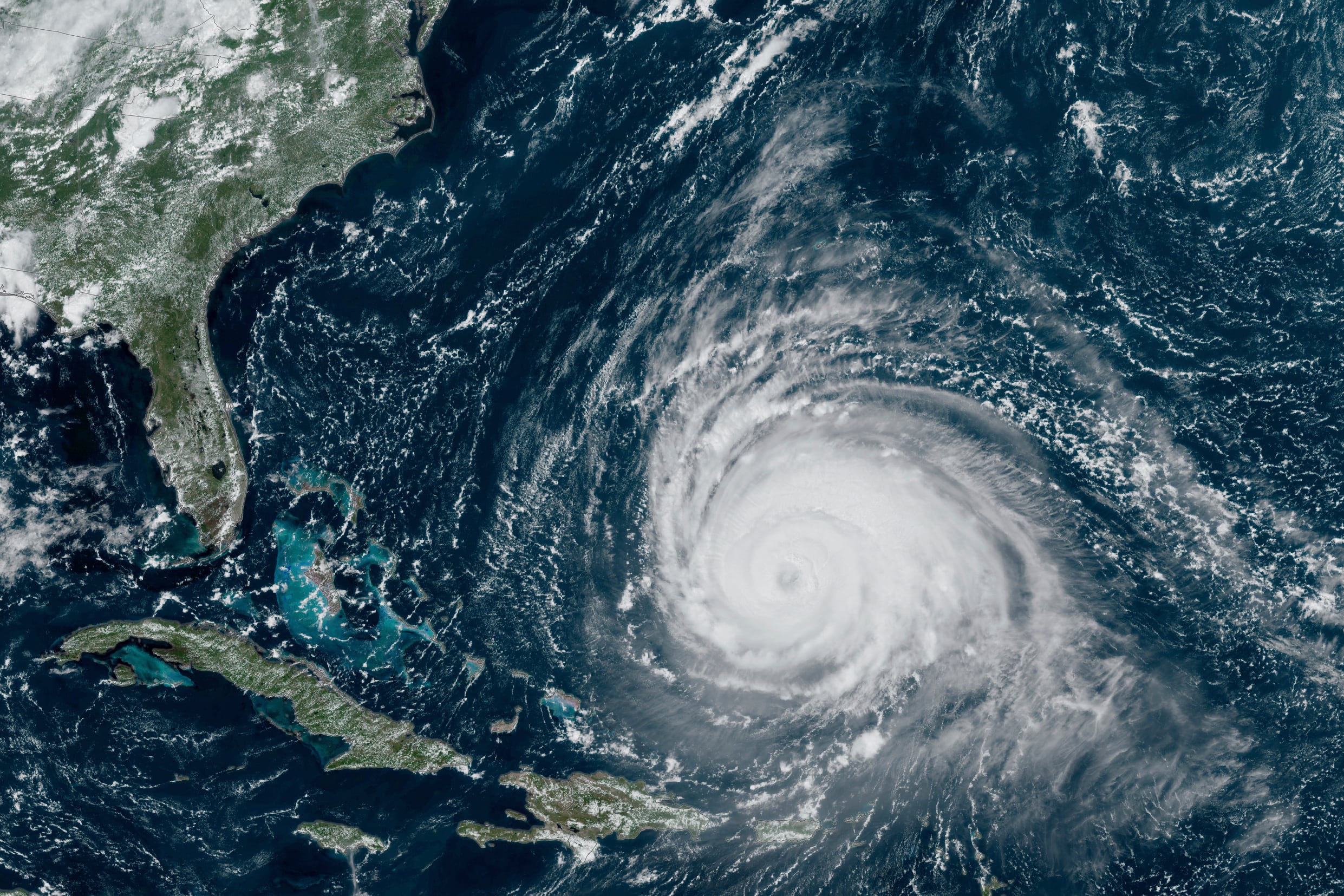
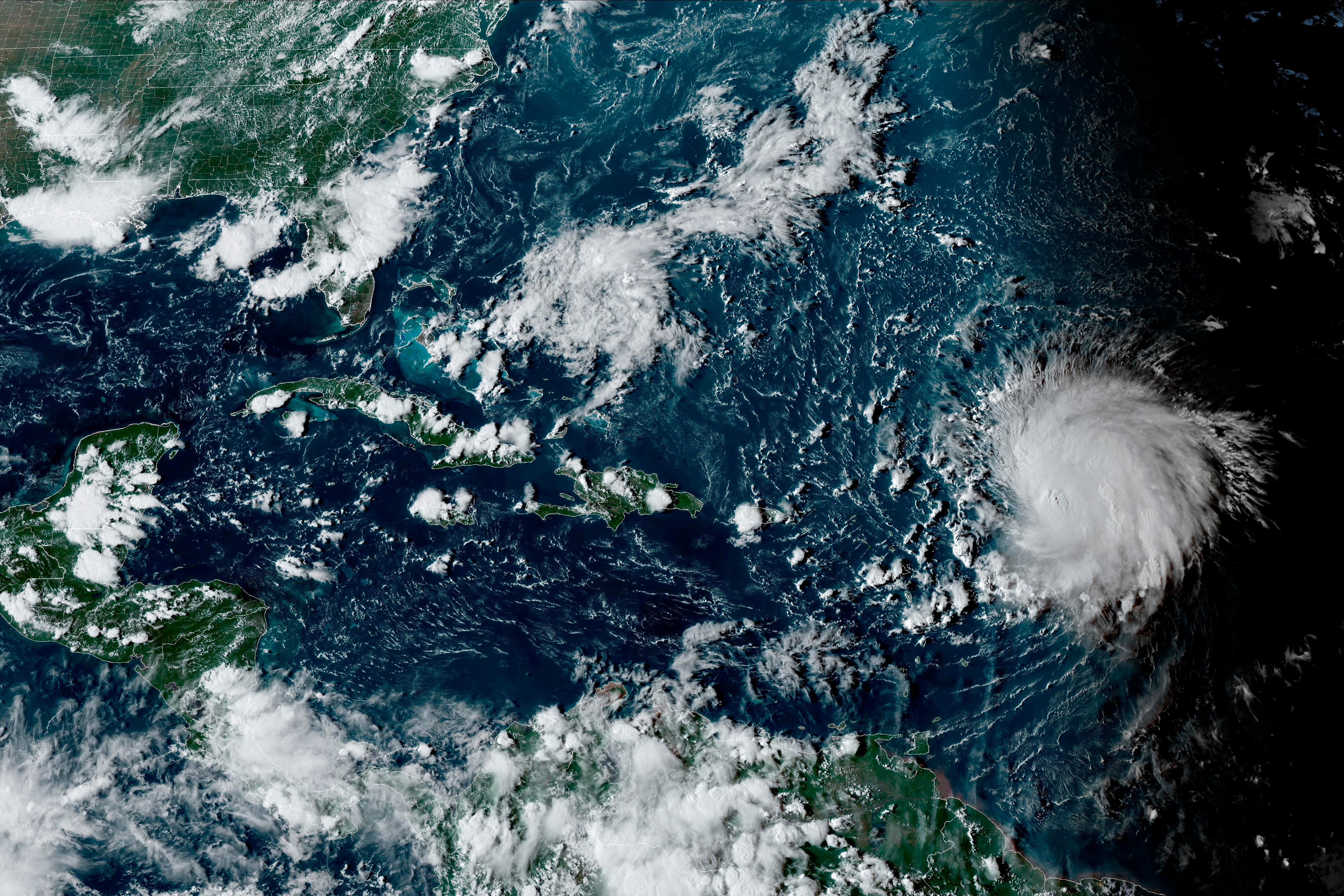
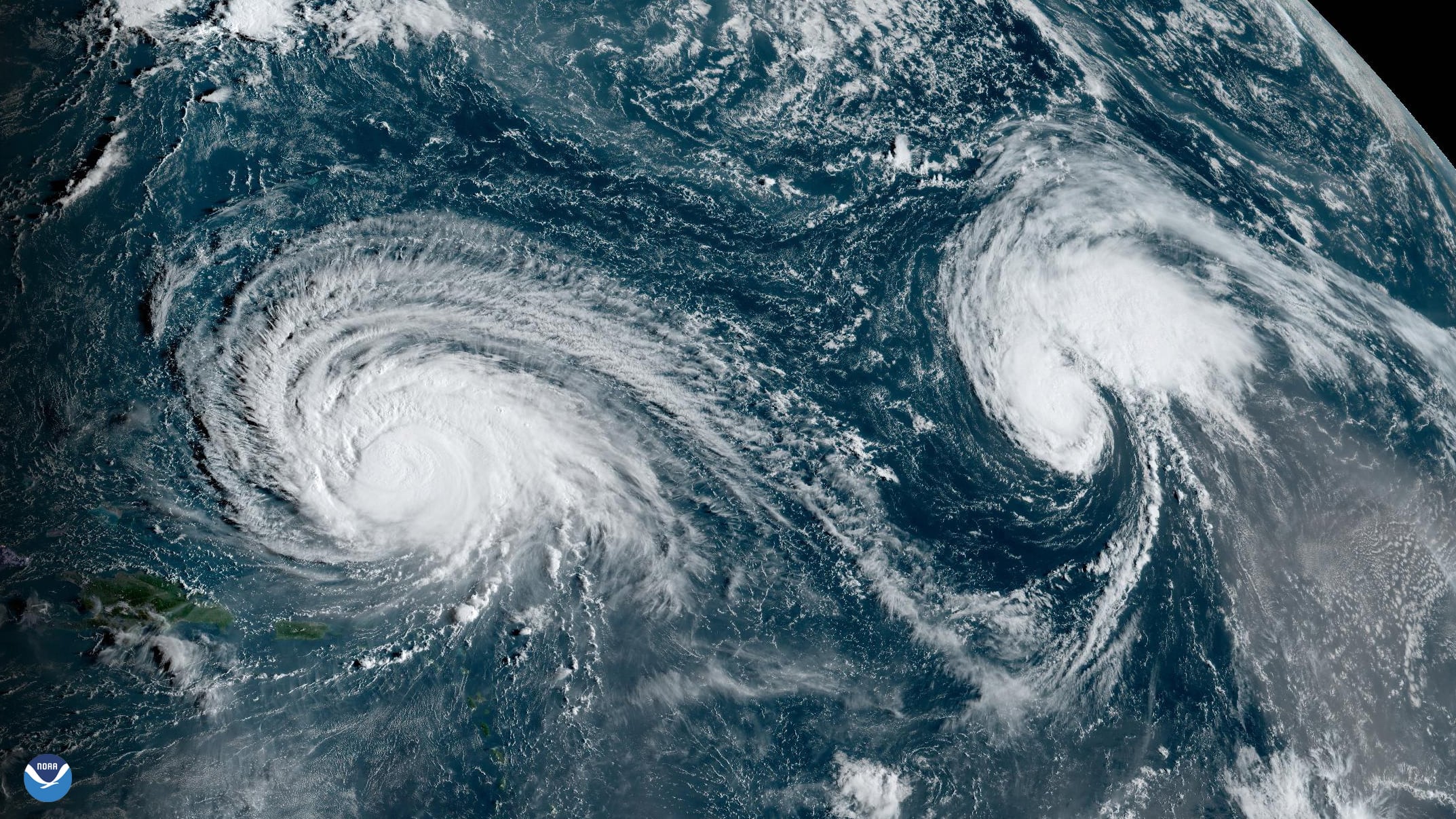
Hurricane Lee, still a Category 3 storm with winds of 115 mph, is expected to increase in size but be significantly weaker in the coming days, as it turns north to reach the U.S. East Coast, according to the National Hurricane Center.
The U.S. approved updated COVID-19 vaccines Monday, hoping to rev up protection against the latest coronavirus strains and blunt any surge this fall and winter.
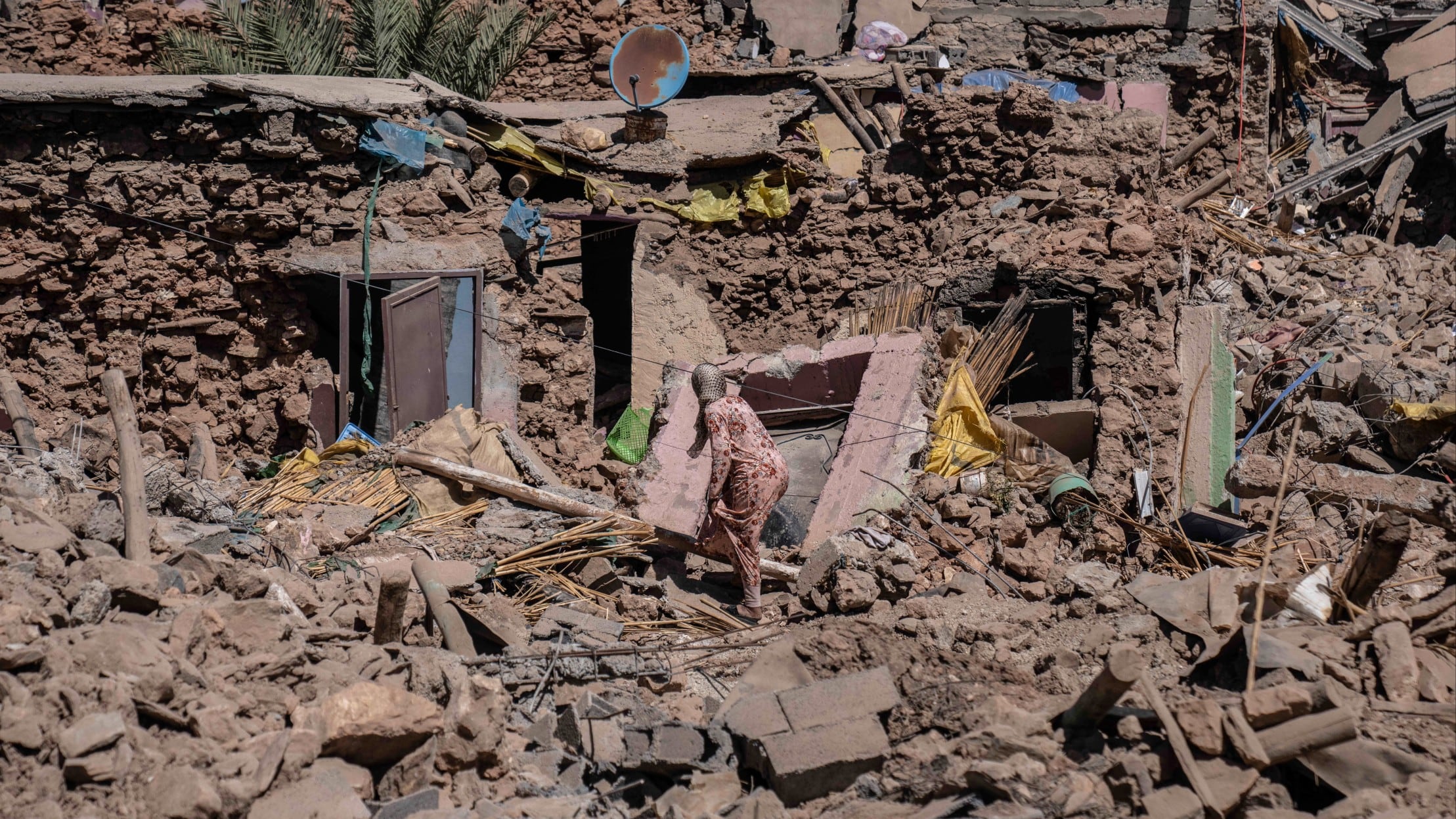
An earthquake has sown destruction and devastation in Morocco, where death and injury counts continue to rise as rescue crews dig out people both alive and dead in villages that were reduced to rubble.
Hurricane Lee whipped up waves of more than 15 feet (5 meters) on Monday as the Category 3 storm cranked through open waters just north of the Caribbean region.