*By Alex Heath*
Tinder’s business is exploding.
The dating app is on track to generate $800 million in revenue this year, its parent company Match Group said this week.
That’s double what Tinder brought in for 2017, and with a profit margin greater than 40 percent, the app is set to make roughly $320 million in profit this year.
Tinder makes money through its two subscription plans, Tinder Plus and Tinder Gold. The pricing for both plans is variable, depending on where in the world subscribers live and their age. Earlier this year, a California appeals court ruled against Tinder in an age-discrimination lawsuit for charging users older than 30 double what it charges younger subscribers.
As Facebook is planning to release its own dating features, Tinder is quickly adding new features. The app aims to appeal to its core millennial audience with a feature for connecting college students that should be available in the coming weeks.
Co-founder and executive chairman of the board at Vaxxinity Lou Reese shares how the company is working to bring vaccines for chronic illnesses like heart disease and Parkinson’s to market with an eye for accessibility.
Mario Veneroso, Kingsview Asset Management Partner, weighs in on the latest economic data and whether the market is pricing in too many rate cuts for the coming year.
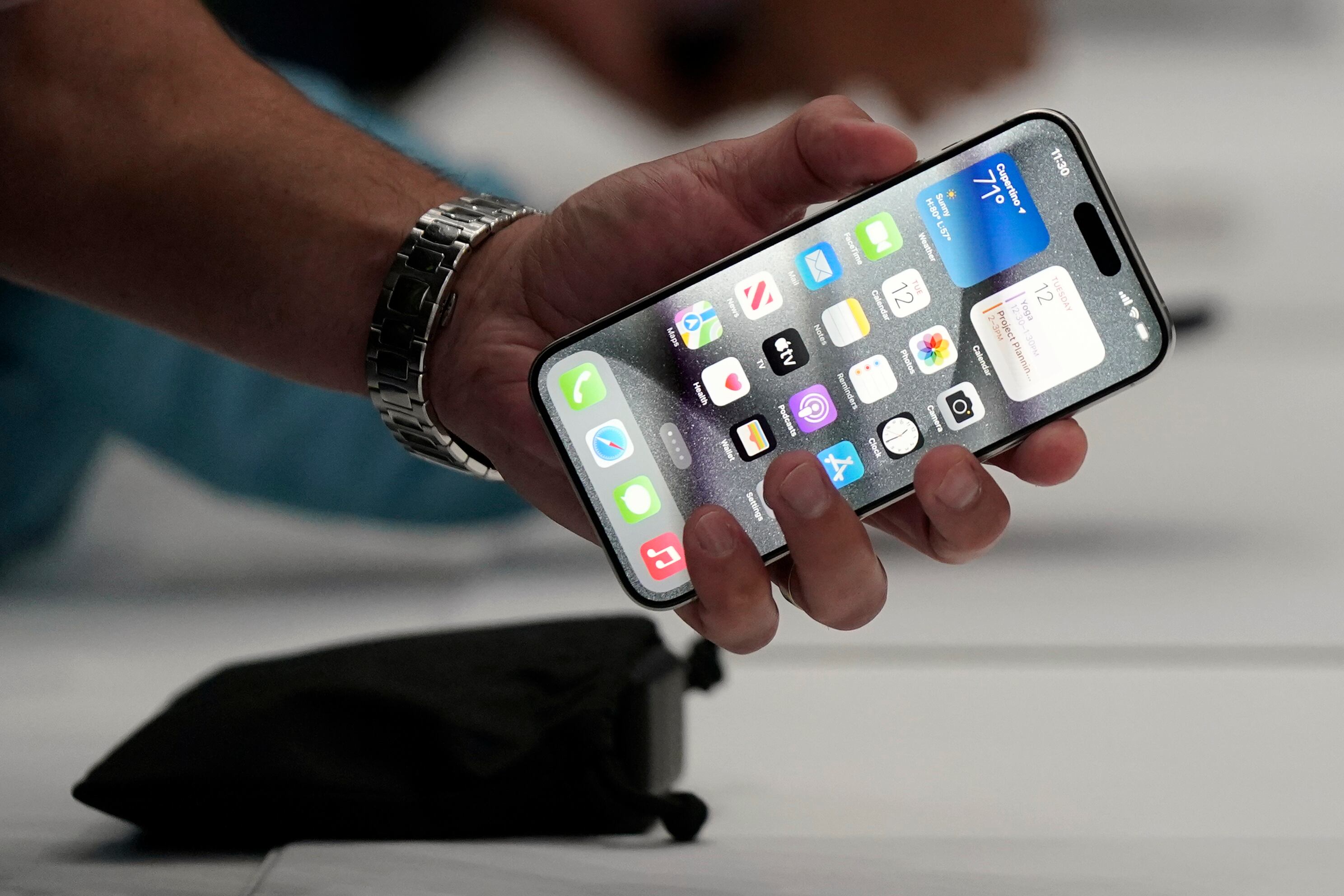
Apple has rolled out an update to its operating system this week with a feature called Stolen Device Protection. It makes it a lot harder for phone thieves to access key functions and settings, and users are being urged to turn it on immediately.
The U.S. economy grew at an unexpectedly brisk 3.3% annual pace from October through December as Americans showed a continued willingness to spend freely despite high interest rates and frustrating price levels.
Alan Becker, CEO and Investment Adviser Representative at Retirement Solutions Group and RSG Investments, shares his thoughts on the latest GDP data plus why he's not sold cryptocurrency as a long-term asset.
The Biden administration wants to ban another type of bank “junk fee," targeting fees that are typically charged by banks when a transaction is declined in real time.
Al Root, senior writer at Barron’s, breaks down everything expected from Tesla’s earnings report, from Elon Musk’s demands from the board to why the market has been looking for affordable EV options.