*By Alex Heath*
Tinder’s business is exploding.
The dating app is on track to generate $800 million in revenue this year, its parent company Match Group said this week.
That’s double what Tinder brought in for 2017, and with a profit margin greater than 40 percent, the app is set to make roughly $320 million in profit this year.
Tinder makes money through its two subscription plans, Tinder Plus and Tinder Gold. The pricing for both plans is variable, depending on where in the world subscribers live and their age. Earlier this year, a California appeals court ruled against Tinder in an age-discrimination lawsuit for charging users older than 30 double what it charges younger subscribers.
As Facebook is planning to release its own dating features, Tinder is quickly adding new features. The app aims to appeal to its core millennial audience with a feature for connecting college students that should be available in the coming weeks.
While tech employees worry about artificial intelligence taking over their jobs, Microsoft says Iran, North Korea, and more U.S. adversaries are beginning to use AI in cyber spying.
The self-proclaimed "only Post who worked at Kellogg" was a military veteran who fought in World War II before inventing everyone’s favorite fruit-filled breakfast ravioli.
Kevin Gordon, Senior Investment Research Manager at Charles Schwab, shares his thoughts on how investors can take advantage of the current bull market while keeping in mind the impacts of Fed policy and inflation.
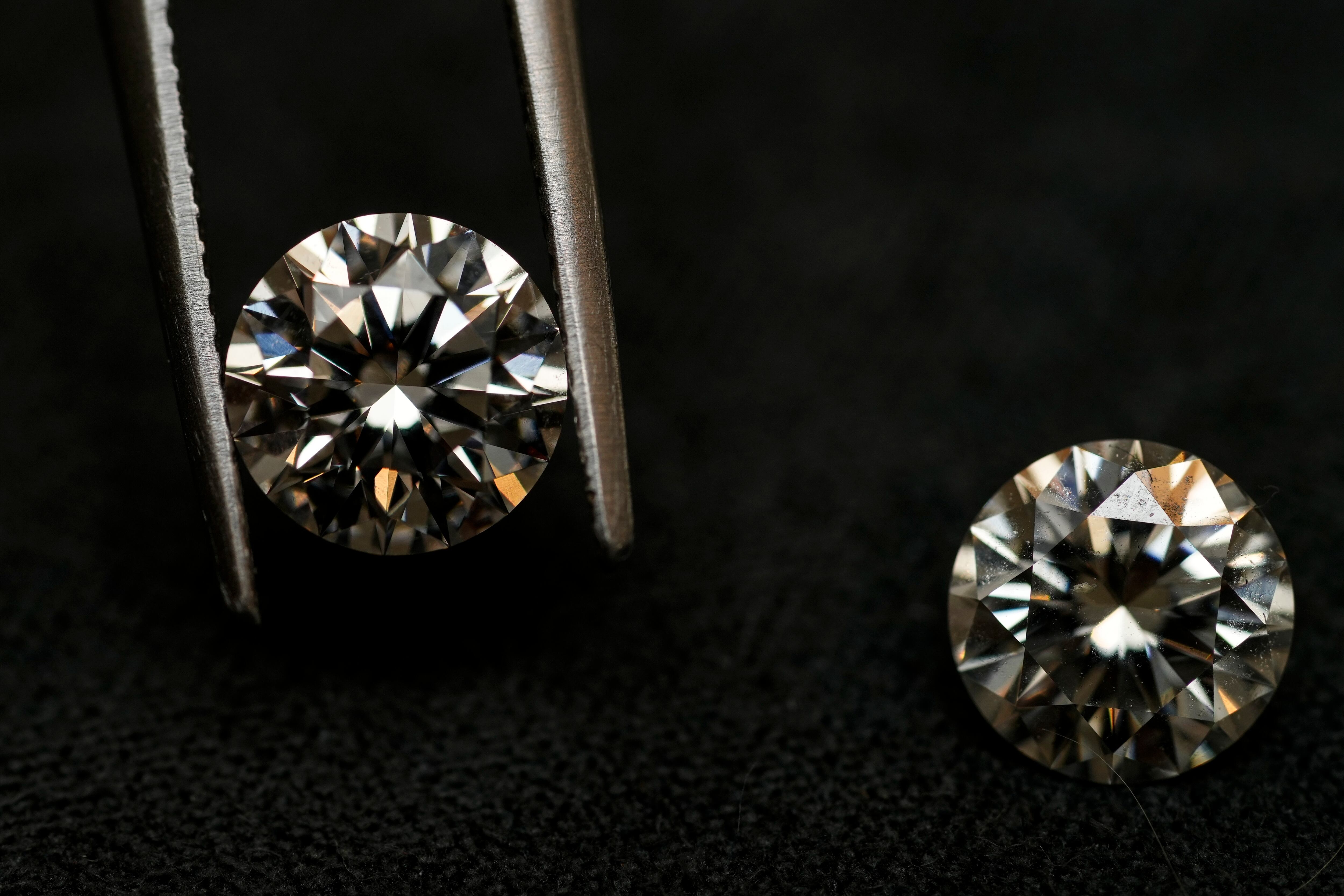
Lab-created diamonds come with sparkling claims: that they are ethically made by machines running on renewable energy. But many don't live up to these claims or don't respond to questions about their electricity sources, and lab diamonds require a lot of electricity.
Geoff Freeman, president and CEO of the U.S. Travel association, explains why other nations are outcompeting the U.S., and the innovations that would put American back on top.
Tony Drake, founder of Drake & Associates, breaks down the latest CPI report, why ‘inflation is still trending down,’ and why the Fed doesn’t want to cut rates too soon.