*By Alex Heath*
Tinder’s business is exploding.
The dating app is on track to generate $800 million in revenue this year, its parent company Match Group said this week.
That’s double what Tinder brought in for 2017, and with a profit margin greater than 40 percent, the app is set to make roughly $320 million in profit this year.
Tinder makes money through its two subscription plans, Tinder Plus and Tinder Gold. The pricing for both plans is variable, depending on where in the world subscribers live and their age. Earlier this year, a California appeals court ruled against Tinder in an age-discrimination lawsuit for charging users older than 30 double what it charges younger subscribers.
As Facebook is planning to release its own dating features, Tinder is quickly adding new features. The app aims to appeal to its core millennial audience with a feature for connecting college students that should be available in the coming weeks.
Alexander Reed, CFA and CIO for Envisage Wealth, breaks down why he thinks rates could stay higher for longer and why real estate, utilities, and regional banks are sectors to avoid.
Big brands that have relied on TikTok videos to reach younger consumers do not appear to be panicking as they wait to see what happens. But they have started planning.
It's been 15 years since the last fatal crash of a U.S. airliner, but you wouldn't know that from a torrent of flight problems that made news in the last three months.
Abortion opponents want the high court to ratify a ruling from a conservative federal appeals court that would limit access to a medication called mifepristone, which was used in nearly two-thirds of abortions last year.
Annie Chechitelli, chief product officer at Turnitin, breaks down how students and teachers alike can learn from artificial intelligence – while still maintaining academic integrity.
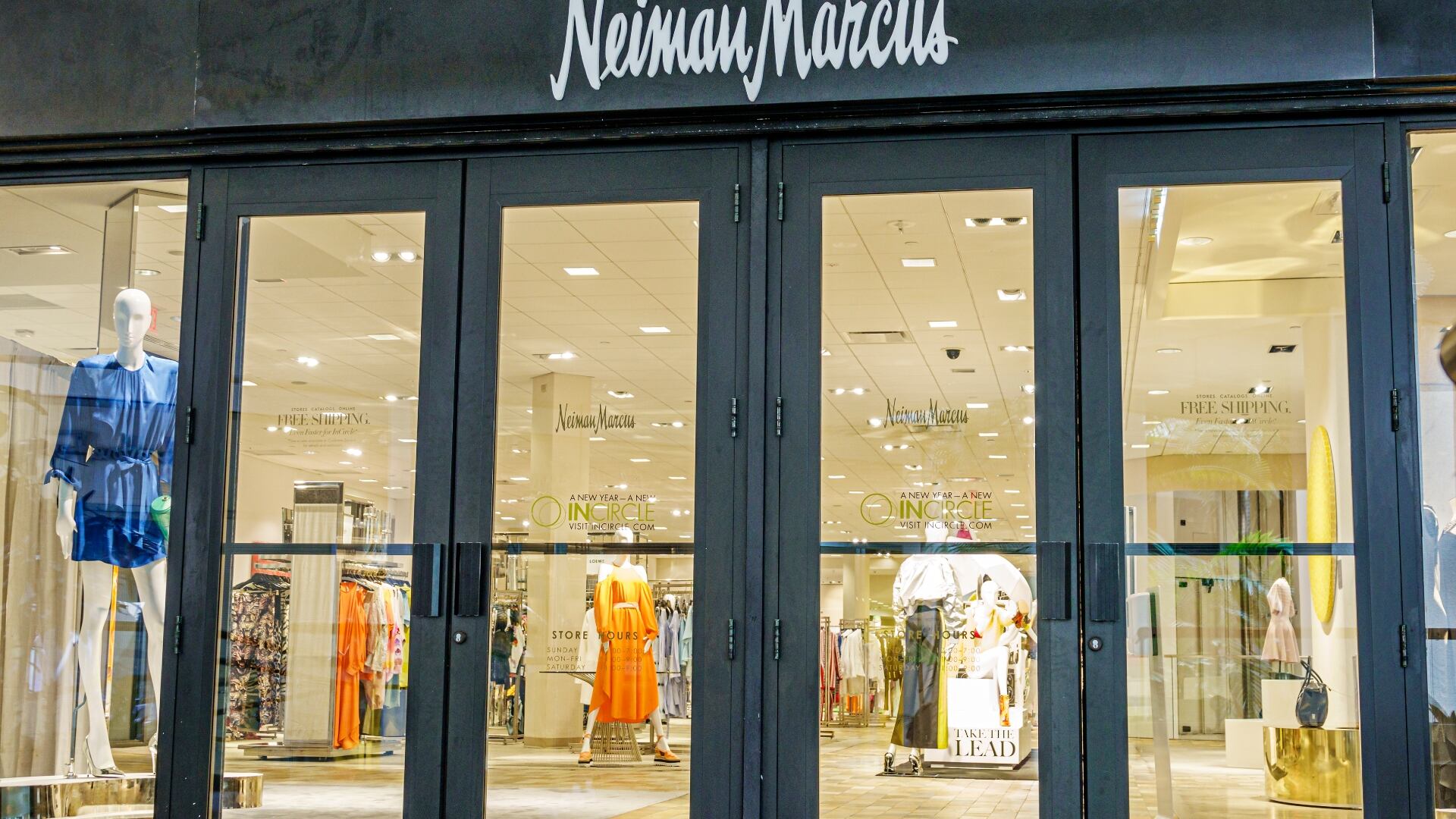
Neiman Marcus Group CEO Geoffroy van Raemdonck talks luxury shopping and TikTok, why the company prefers to be private for now, and the benefits of flexible work arrangements.
Rebecca Walser, founder and CEO of Walser Wealth Management, discusses how geopolitical conditions, the bifurcated economy, and other volatility could weigh on markets.