Michael Harriot, columnist at The Root, and Jarad Geldner, Senior Advisor at The Democratic Coalition, discuss the FCC's vote to repeal net neutrality, the Obama-era regulations that restricted internet service providers from prioritizing certain sites and apps over others.
Harriot weighs in on what the move would mean for politics. Internet service providers will be able to allow or block ads of certain political parties of their choice, or possibly ones that have bought ad space or invested in their company. We ask Geldner what the U.S. government stands to gain from the move, adding that it simply seems like a handout to big internet companies, allowing them to take advantage of consumers.
Harriot notes his surprise that major companies like Google, Facebook, and Netflix have not been as vocal recently about their opposition to the net neutrality repeal. Harriot says that content creators like Netflix stand to lose the most.
Geldner talks about various litigation against the repeal, including a fight from the Democratic Coalition.
Former President Donald Trump repeatedly declined in an interview aired Sunday to answer questions about whether he watched the Capitol riot unfold on television, saying he would “tell people later at an appropriate time.”
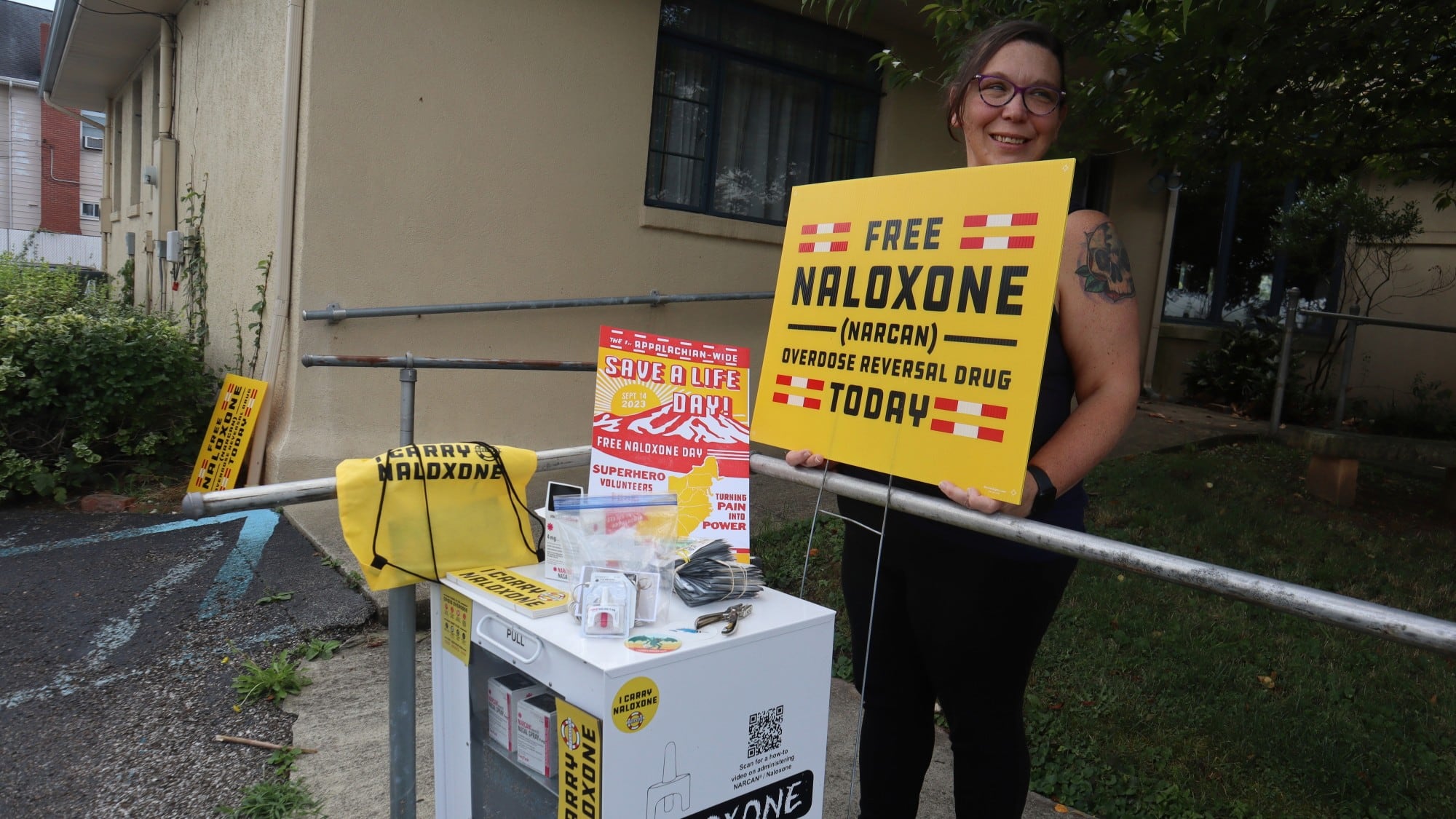
An effort to destigmatize the use of overdose reversal drugs that started as a pilot in two West Virginia counties has expanded to all thirteen states in Appalachia this year.
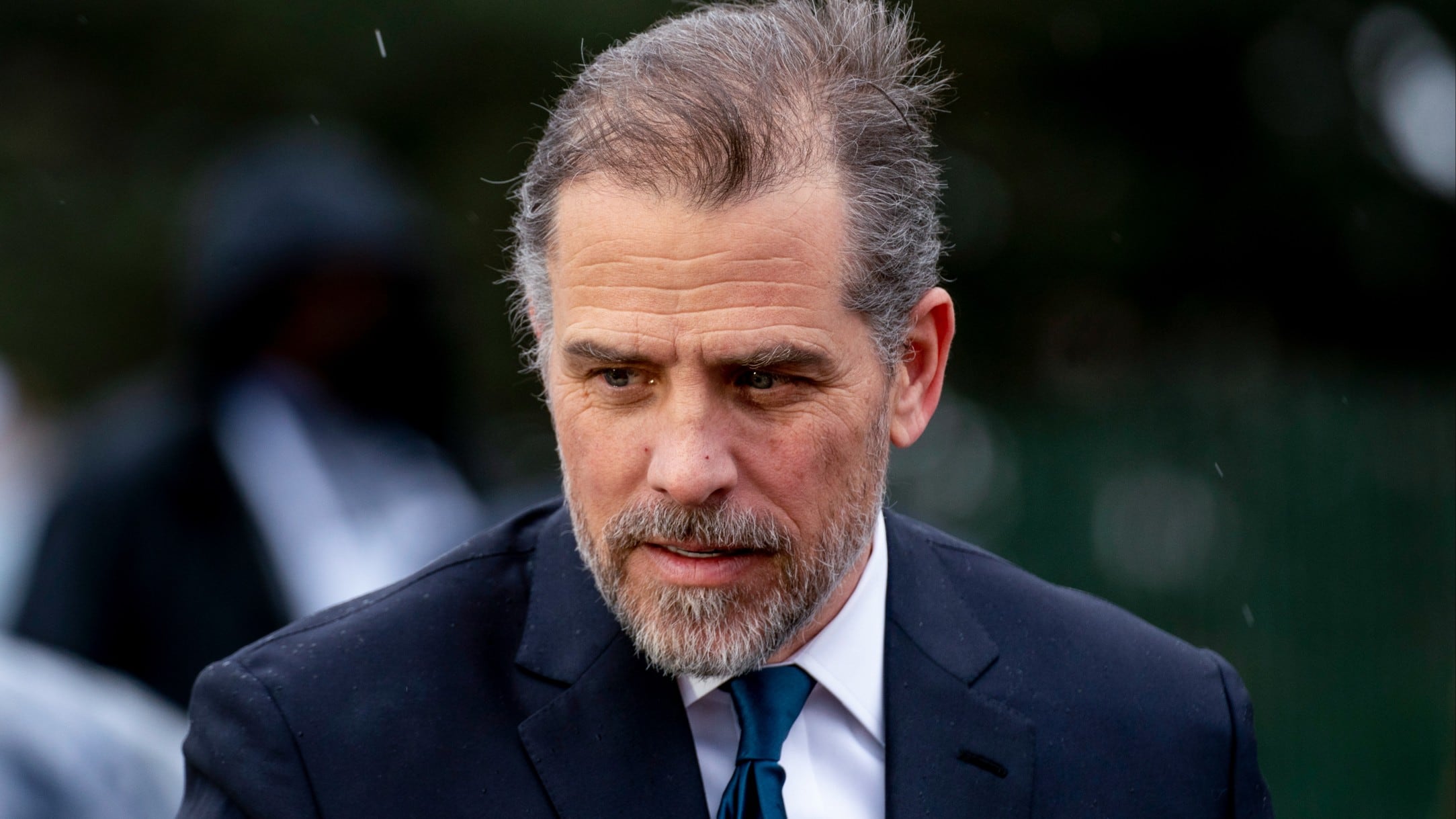
Hunter Biden was indicted Thursday on federal firearms charges, the latest and weightiest step yet in a long-running investigation into the president’s son.
States and Native American tribes will have greater authority to block energy projects such as natural gas pipelines that could pollute rivers and streams under a final rule issued Thursday by the Biden administration.