The U.S. infant mortality rate rose 3% last year — the largest increase in two decades, according to the Centers for Disease Control and Prevention.
White and Native American infants, infant boys and babies born at 37 weeks or earlier had significant death rate increases. The CDC's report, published Wednesday, also noted larger increases for two of the leading causes of infant deaths — maternal complications and bacterial meningitis.
“It’s definitely concerning, given that it’s going in the opposite direction from what it has been,” said Marie Thoma, a University of Maryland researcher who studies maternal and infant mortality.
Dr. Eric Eichenwald, a Philadelphia-based neonatologist, called the new data “disturbing,” but said experts at this point can only speculate as to why a statistic that generally has been falling for decades rose sharply in 2022.
RSV and flu infections rebounded last fall after two years of pandemic precautions, filling pediatric emergency rooms across the country. “That could potentially account for some of it,” said Eichenwald, who chairs an American Academy of Pediatrics committee that writes guidelines for the medical care of newborns.
Infant mortality is the measure of how many babies die before they reach their first birthday. Because the number of babies born in the U.S. varies from year to year, researchers instead calculate rates to better compare infant mortality over time. The U.S. infant mortality rate has been worse than other high-income countries, which experts have attributed to poverty, inadequate prenatal care and other possibilities. But even so, the U.S. rate generally gradually improved because of medical advances and public health efforts.
The national rate rose to 5.6 infant deaths per 1,000 live births in 2022, up from 5.44 per 1,000 the year before, the new report said.
The increase may seem small, but it’s the first statistically significant jump in the rate since the increase between 2001 and 2002, said Danielle Ely, the CDC report's lead author. She also said researchers could not establish whether the 2022 rise was a one-year statistical blip — or the beginning of a more lasting trend.
Overall in the U.S., the death rate fell 5% in 2022 — a general decrease that's been attributed to the waning impact of the COVID-19 pandemic, especially on people 65 and older. U.S. maternal deaths also fell last year.
More than 30 states saw at least slight rises in infant mortality rates in 2022, but four states had statistically significant increases — Georgia, Iowa, Missouri and Texas.
In numbers, U.S. infant deaths surpassed 20,500 in 2022 — 610 more than the year before nationwide. But Georgia had 116 more infant deaths than the year before, and Texas had 251 more.
“It would appear that some of the states could be having a larger impact on the (national) rate,” Ely said, adding that smaller increases elsewhere also have an effect — and that it’s hard to parse out exactly what places, policies or other factors are behind the national statistic.
The Associated Press Health and Science Department receives support from the Howard Hughes Medical Institute’s Science and Educational Media Group. The AP is solely responsible for all content.
In a nearly 3,700 page UN report, climate scientists outline the imminent dangers caused by climate change, saying fossil fuels are 'choking humanity.' The report calls some of the impacts of global warming 'irreversible,' warning of extreme consequences in the near future. Kristie L. Ebi, Professor of Global Health and Environmental and Occupational Health Sciences, University of Washington joined Cheddar's Opening Bell to discuss.
World leaders are currently dealing with a handful of pressing issues, including Russia's invasion of Ukraine, inflation, and not to mention the COVID-19 pandemic; but it could be argued that the most pressing issue is one that has experienced its fair share of neglect in the past -- climate change. As tensions escalate between Russia and Ukraine, there is fear the focus on climate will once again be pushed aside. However, the White House appears to be making some effort to prevent that from happening. The White House Office of Science and Technology held a first-of-its-kind roundtable discussion with some of the nation's leading climate scientists on Thursday. Michael Mann, Director of the Earth System Science Center at Pennsylvania State University, and author of the book 'The New Climate War' joins Cheddar News' Closing Bell to discuss his experience as one of the climate scientists at the White House event.
On December 25, 2021, NASA got into the holiday spirit by launching the James Webb Space Telescope, the largest and most powerful space science observatory in history.
It is intended to succeed the Hubble Space Telescope as NASA's flagship mission in astrophysics and is able to view objects too old and distant for Hubble. Gregory Robinson, director of NASA's James Webb Space Telescope program, joins Cheddar News' Closing Bell to discuss the mission. "I think a lot of what we don't know today is what I'm expecting to find and certainly really understand what took place more than 13.5 billion years ago and see the formation of some of the first galaxies in our universe," said Robinson.
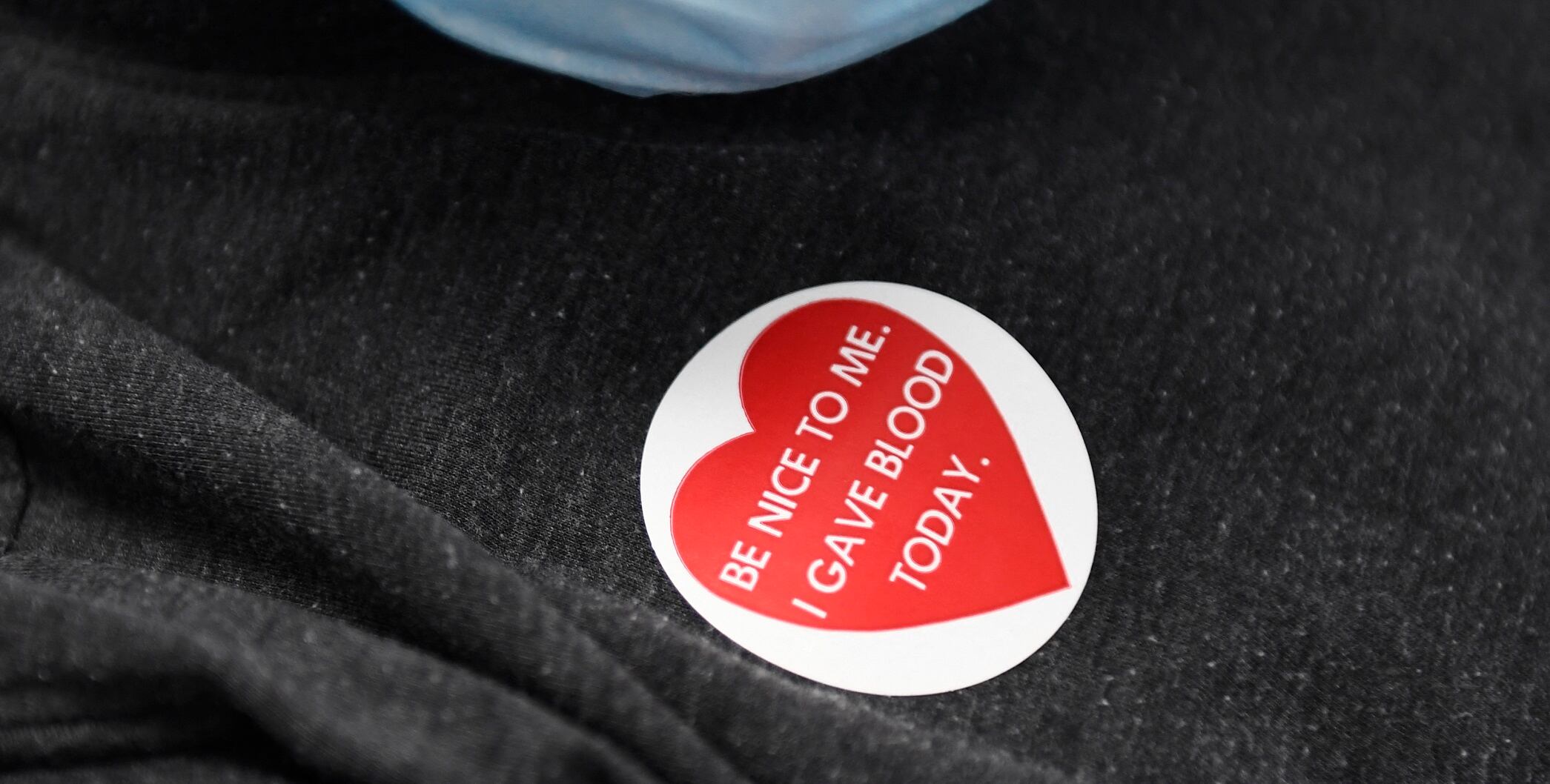
The COVID-19 pandemic disrupted blood donations leading to severe shortages throughout the country. Chloe Aiello reports on the desperate need for new donors.
GSK has unveiled its new consumer health unit called Haelon. Haleon will debut as a standalone company later this year. Katie Williams, U.S. chief marketing officer at GSK, joined Cheddar News to discuss.
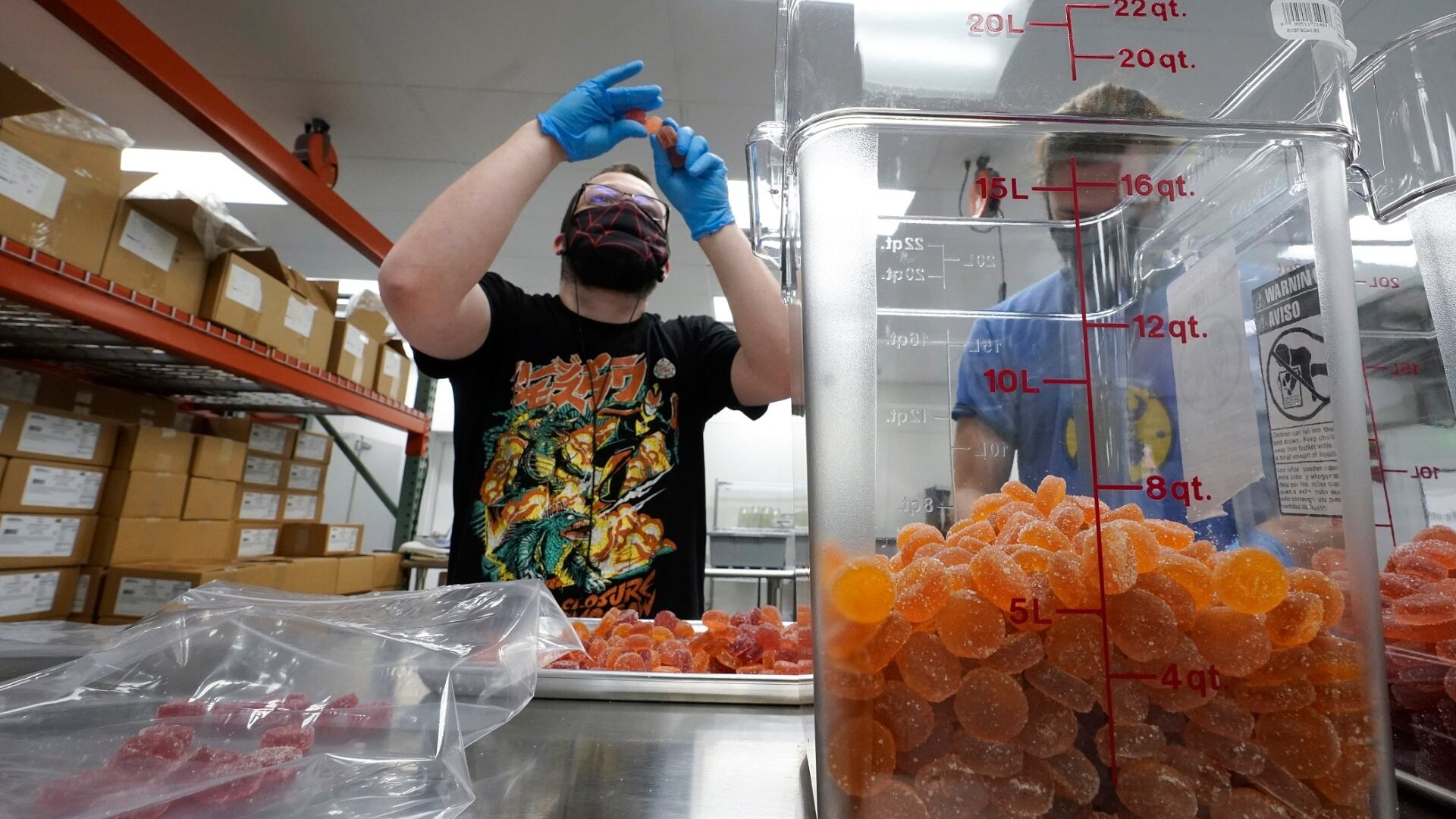
Even amid the Great Resignation, the cannabis industry saw major job growth. As of January 2022, the legal industry supported more than 428,000 jobs — a 33 percent increase year-over-year, according to the sixth annual jobs report from Leafly, a website focused on cannabis use and education. Yoko Miyashita, CEO of Leafly, joined Cheddar News' Closing Bell to discuss. “You know we've got big moments coming ahead in New Jersey and New York with adult-use sales starting in New Jersey, hopefully by this fall, with New York quickly to follow," she said. "So we're hugely optimistic about the kind of job growth that those markets can drive with the right type of market setup.
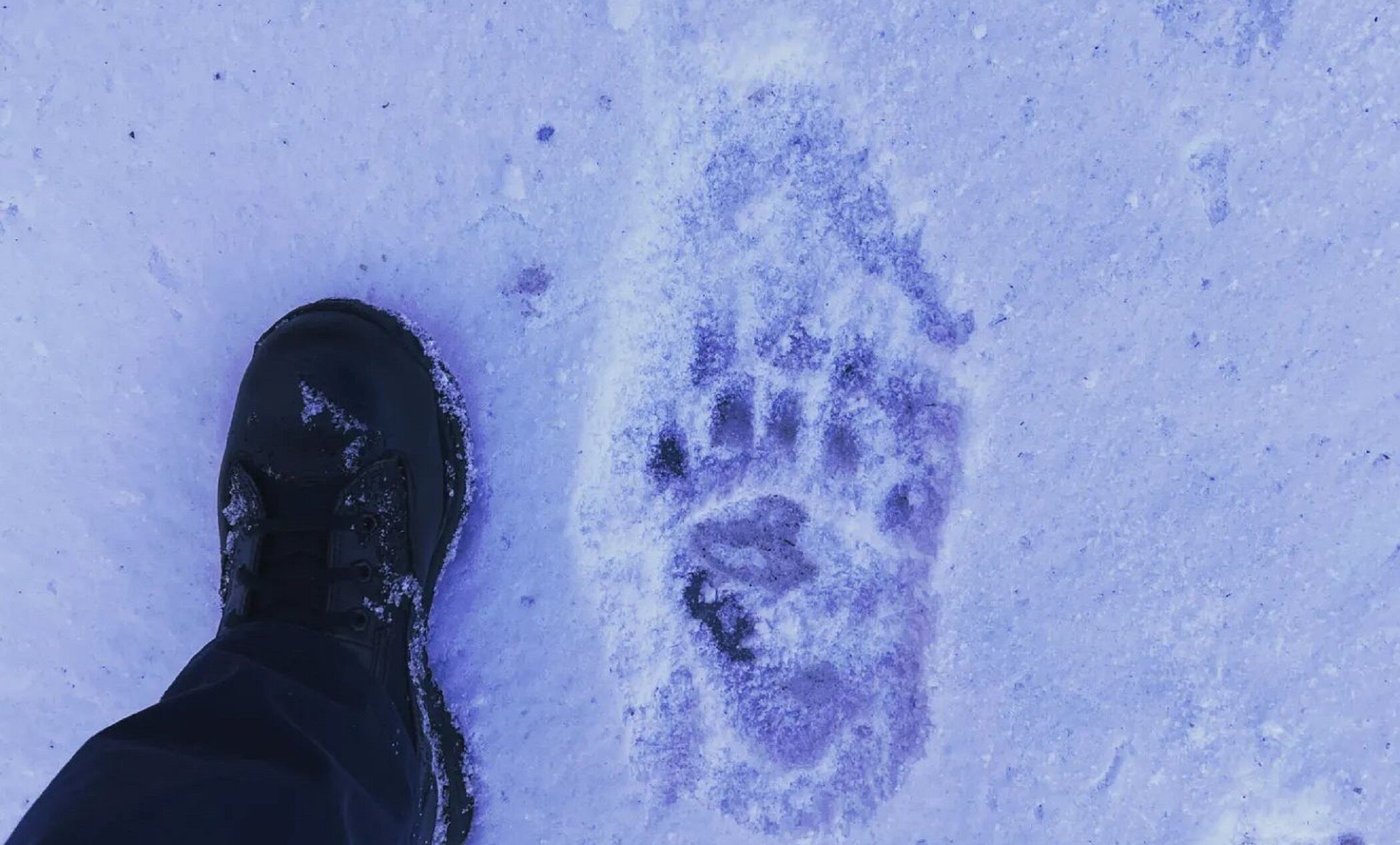
DNA evidence now shows that the 500-pound black bear the public had nicknamed “Hank the Tank” is, in fact, three not-so-little bears who have damaged more than 30 properties around Lake Tahoe in recent months.
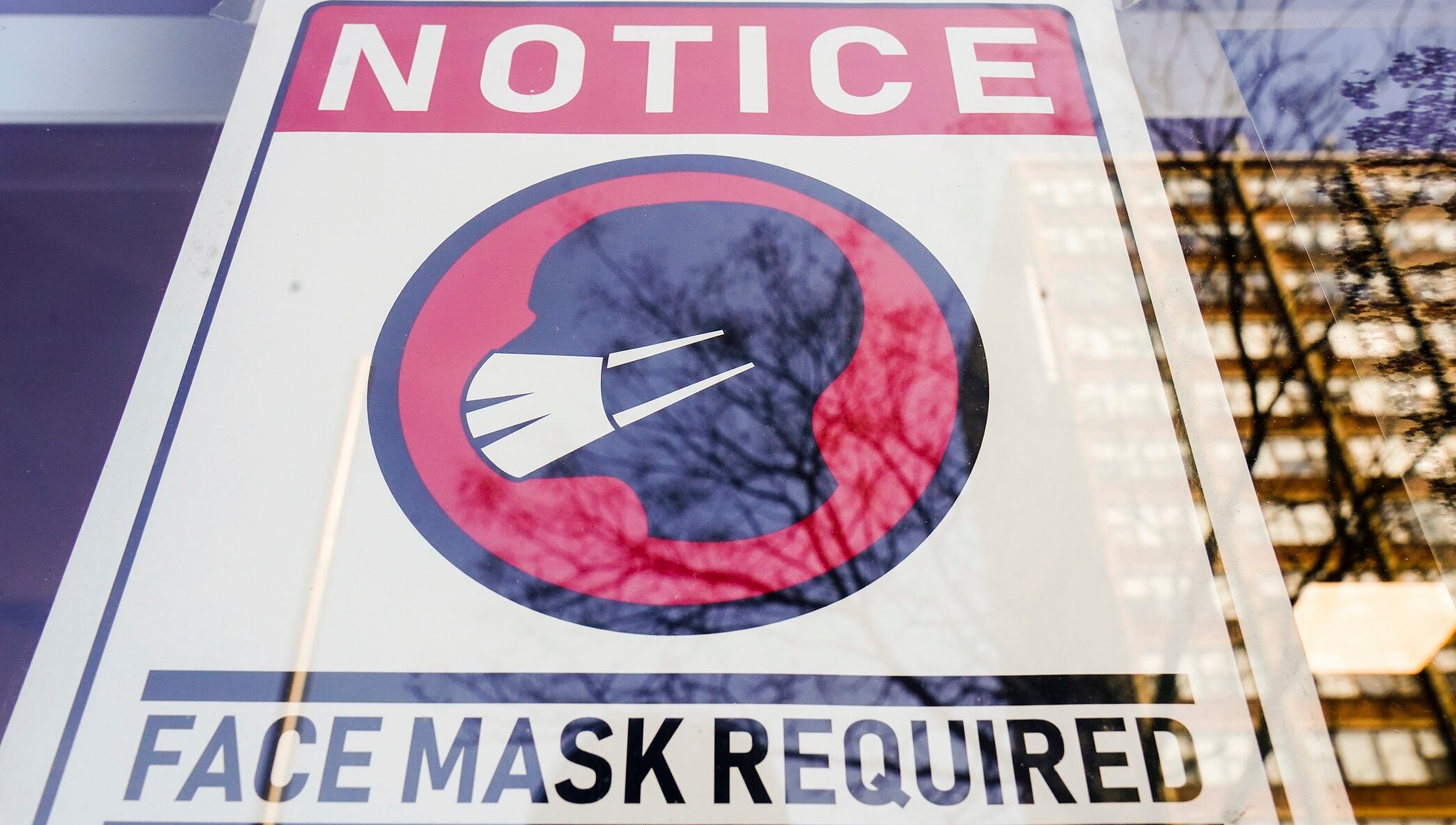
The Biden administration will significantly loosen federal mask-wearing guidelines to protect against COVID-19 transmission on Friday, according to two people familiar with the matter.