The U.S. infant mortality rate rose 3% last year — the largest increase in two decades, according to the Centers for Disease Control and Prevention.
White and Native American infants, infant boys and babies born at 37 weeks or earlier had significant death rate increases. The CDC's report, published Wednesday, also noted larger increases for two of the leading causes of infant deaths — maternal complications and bacterial meningitis.
“It’s definitely concerning, given that it’s going in the opposite direction from what it has been,” said Marie Thoma, a University of Maryland researcher who studies maternal and infant mortality.
Dr. Eric Eichenwald, a Philadelphia-based neonatologist, called the new data “disturbing,” but said experts at this point can only speculate as to why a statistic that generally has been falling for decades rose sharply in 2022.
RSV and flu infections rebounded last fall after two years of pandemic precautions, filling pediatric emergency rooms across the country. “That could potentially account for some of it,” said Eichenwald, who chairs an American Academy of Pediatrics committee that writes guidelines for the medical care of newborns.
Infant mortality is the measure of how many babies die before they reach their first birthday. Because the number of babies born in the U.S. varies from year to year, researchers instead calculate rates to better compare infant mortality over time. The U.S. infant mortality rate has been worse than other high-income countries, which experts have attributed to poverty, inadequate prenatal care and other possibilities. But even so, the U.S. rate generally gradually improved because of medical advances and public health efforts.
The national rate rose to 5.6 infant deaths per 1,000 live births in 2022, up from 5.44 per 1,000 the year before, the new report said.
The increase may seem small, but it’s the first statistically significant jump in the rate since the increase between 2001 and 2002, said Danielle Ely, the CDC report's lead author. She also said researchers could not establish whether the 2022 rise was a one-year statistical blip — or the beginning of a more lasting trend.
Overall in the U.S., the death rate fell 5% in 2022 — a general decrease that's been attributed to the waning impact of the COVID-19 pandemic, especially on people 65 and older. U.S. maternal deaths also fell last year.
More than 30 states saw at least slight rises in infant mortality rates in 2022, but four states had statistically significant increases — Georgia, Iowa, Missouri and Texas.
In numbers, U.S. infant deaths surpassed 20,500 in 2022 — 610 more than the year before nationwide. But Georgia had 116 more infant deaths than the year before, and Texas had 251 more.
“It would appear that some of the states could be having a larger impact on the (national) rate,” Ely said, adding that smaller increases elsewhere also have an effect — and that it’s hard to parse out exactly what places, policies or other factors are behind the national statistic.
The Associated Press Health and Science Department receives support from the Howard Hughes Medical Institute’s Science and Educational Media Group. The AP is solely responsible for all content.
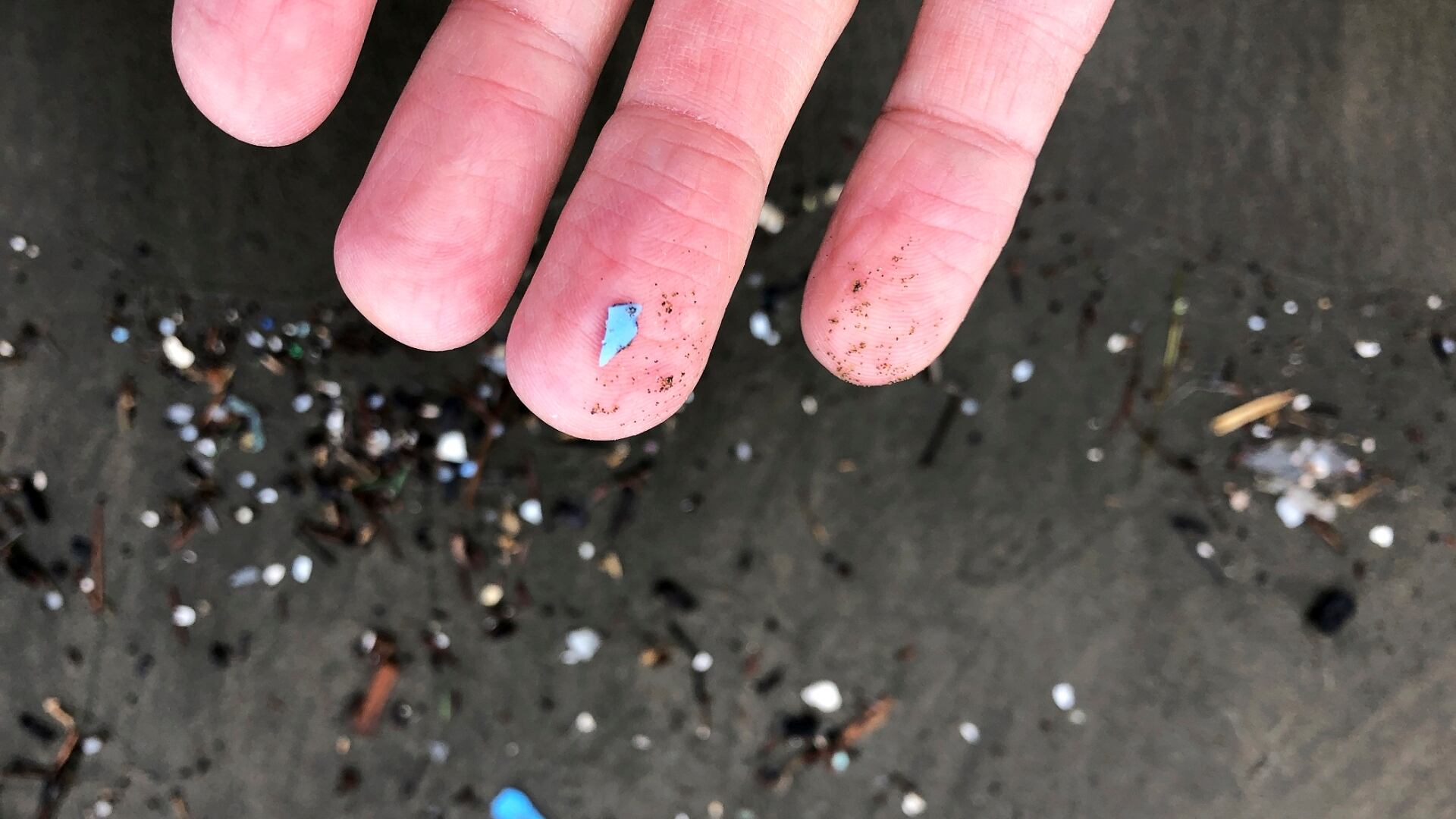
For the first time microplastics have been found deep in the lungs of living humans. The trace materials potentially came from everyday items such as plastic bottles and bags. Dr. Jessica Shepherd, the chief medical officer at Verywell Health, joined Cheddar News to talk about the report's findings and to discuss the possible risks people might face. "The study’s most important part is we need to decrease our pollution, and we need to think about different ways to consume outside of plastic," she said.
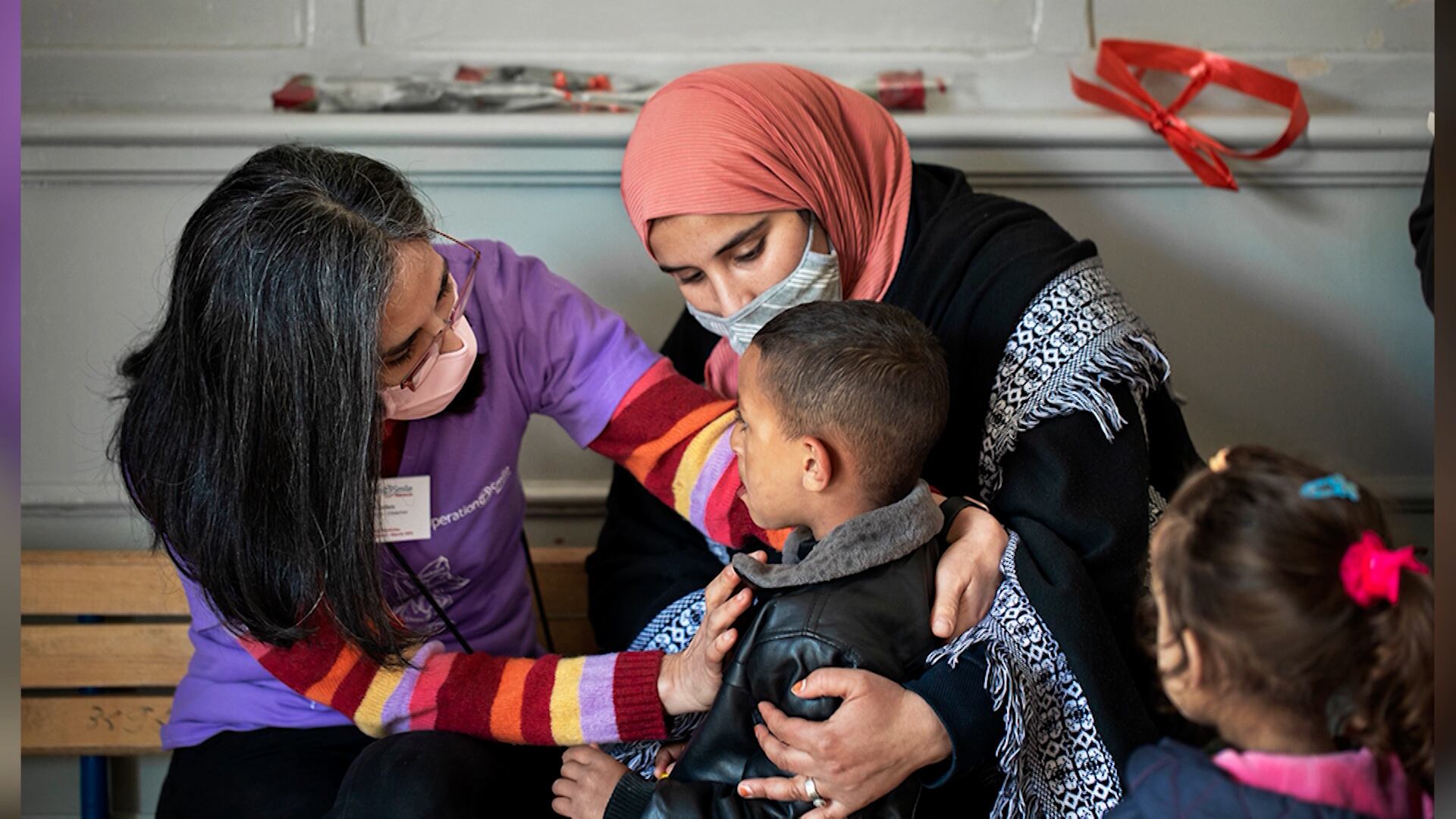
An estimated five billion people lack access to affordable and safe surgical care around the world. For World Health Day, Cheddar News spoke with Kristie Magee Porcaro of Operation Smile, a nonprofit organization assisting with cleft lip and palate surgeries, about how they work to better it around the globe.
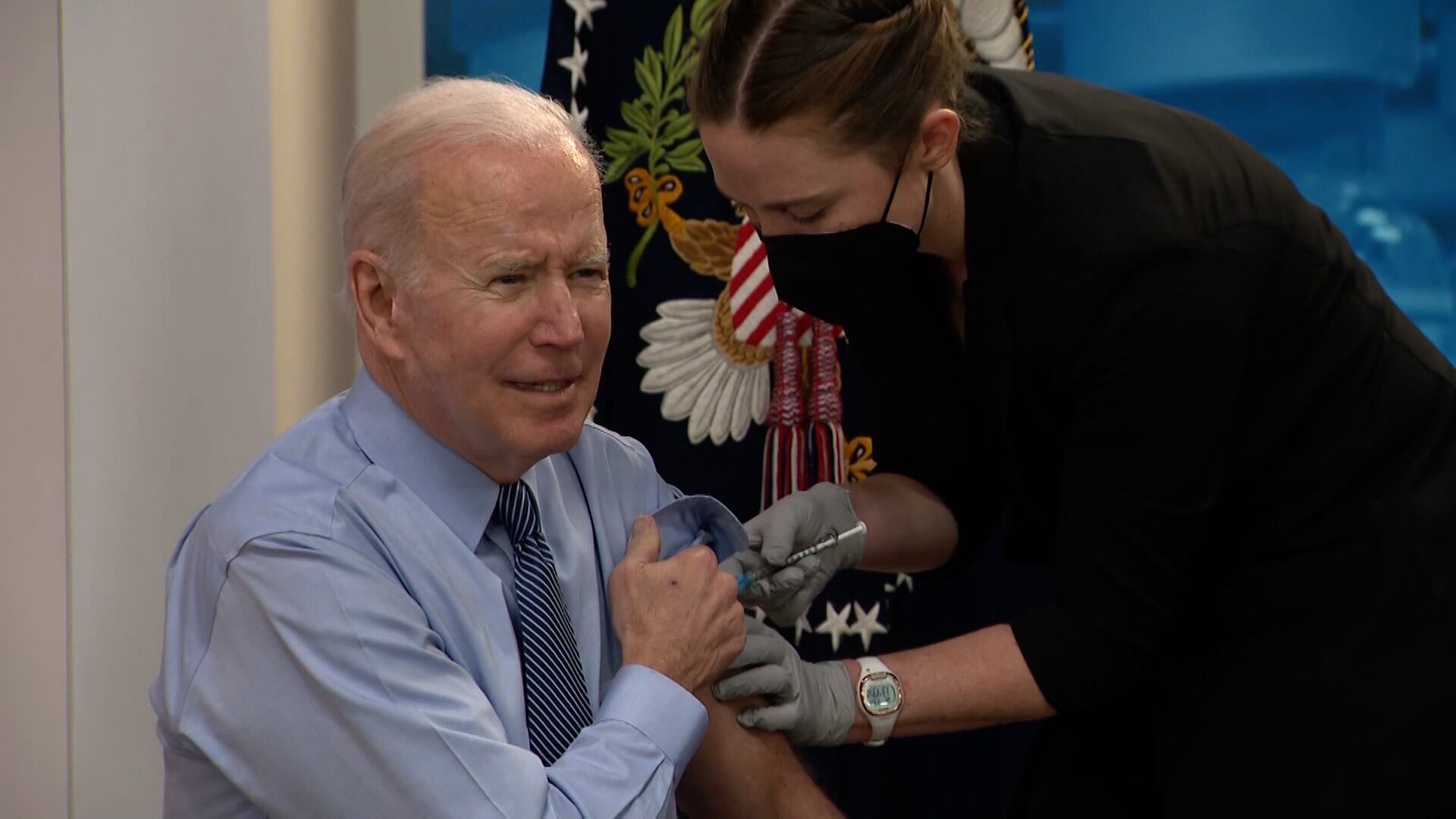
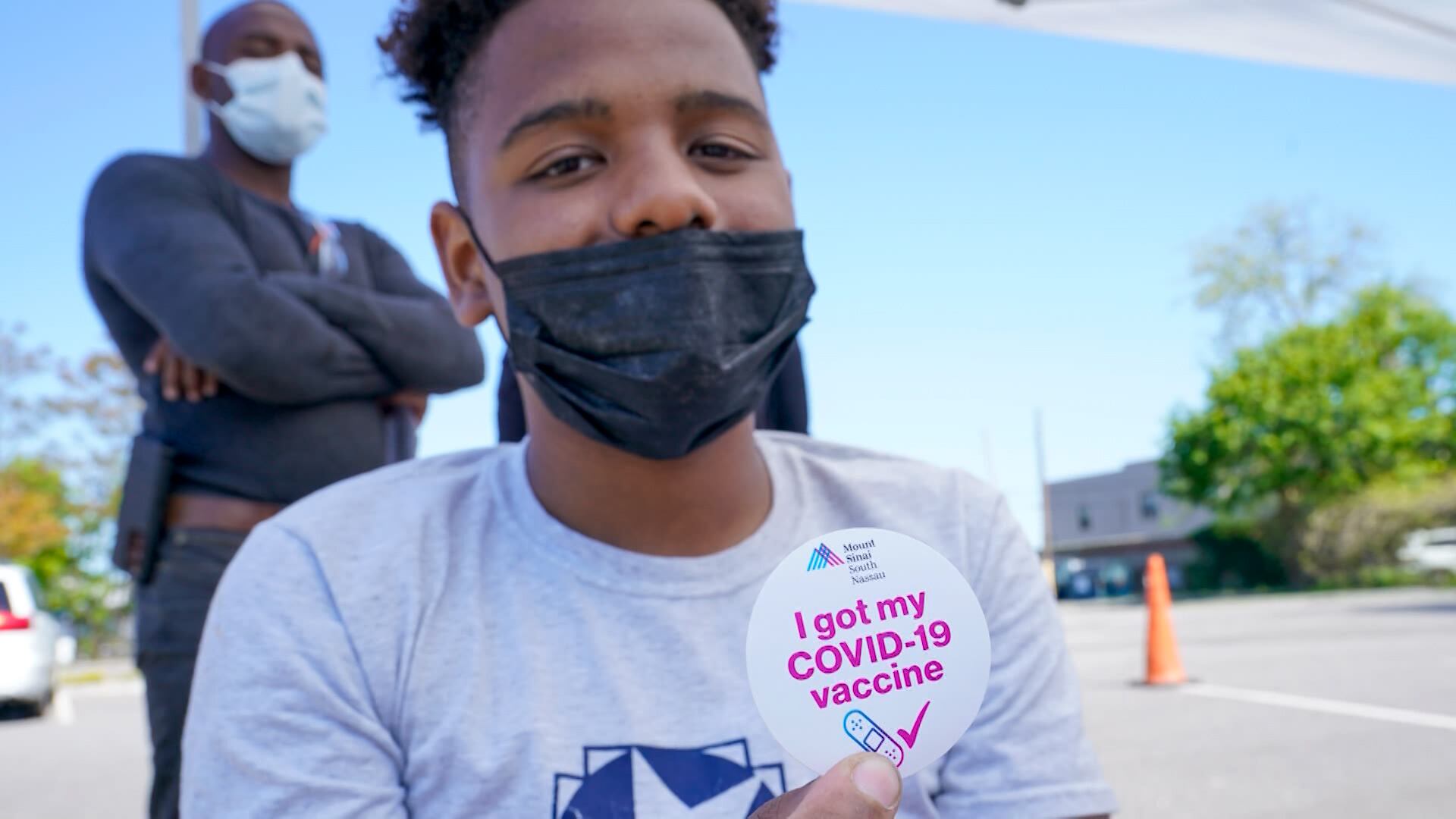
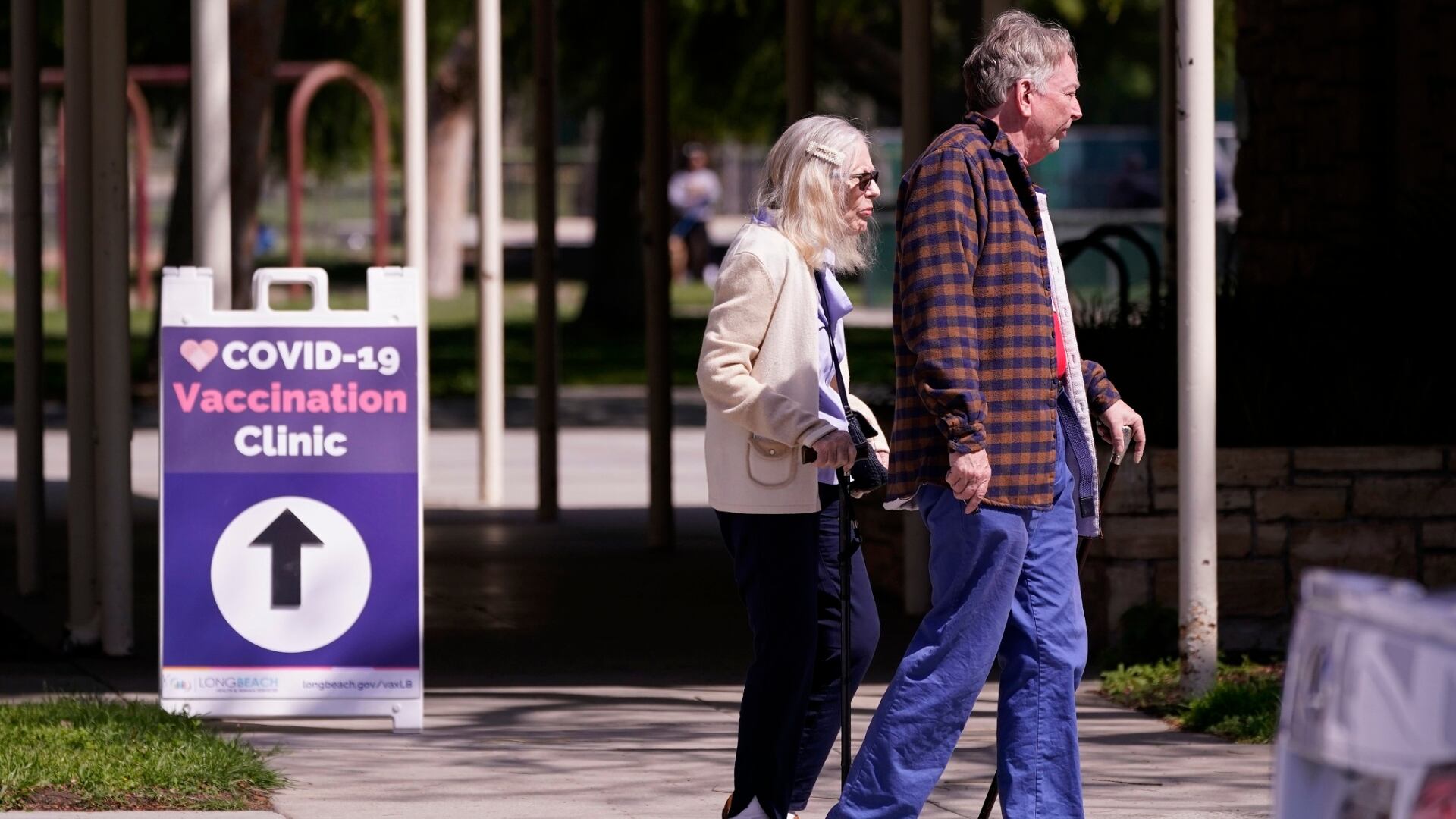
There has been notable disagreement in the medical community about a fourth COVID-19 vaccine dose. The FDA last week authorized a second booster dose for older and immunocompromised individuals, as some agency officials did not support the idea. The FDA made the decision without meeting with its advisory committee, as it had ahead of its recommendations on the previous COVID-19 vaccine doses.
The CDC followed in the footsteps of the FDA and authorized a fourth dose as well. Reports say the agency also did not discuss the move with its own advisory team of vaccine experts. Now, a growing number of doctors are speaking out against the decisions - leaving people confused about whether they should get another vaccine dose. Dr. Julie Morita, a member of the CDC's advisory committee to the director, and the executive vice president of the Robert Wood Johnson Foundation, joins Cheddar News' Closing Bell to discuss.
Talmon Marco, CEO of H2Pro, joins Cheddar Innovates to discuss how to bring environmentally friendly hydrogen to scale, and what this means for hydrogen's many use cases.
Catching you up on what you need to know on April 7, 2022, with updates on Ukraine urging NATO for military aid for their war with Russia, the SEC investigating Amazon, microplastics being found deep inside human lungs for the first time, and more.
Patients who have grown frustrated with lingering COVID-19 symptoms and unanswered questions are now not only the subjects of "long covid" research, but also partners in pushing this research forward. Harlan Krumholz, professor of medicine at Yale University, joins Cheddar News to discuss.
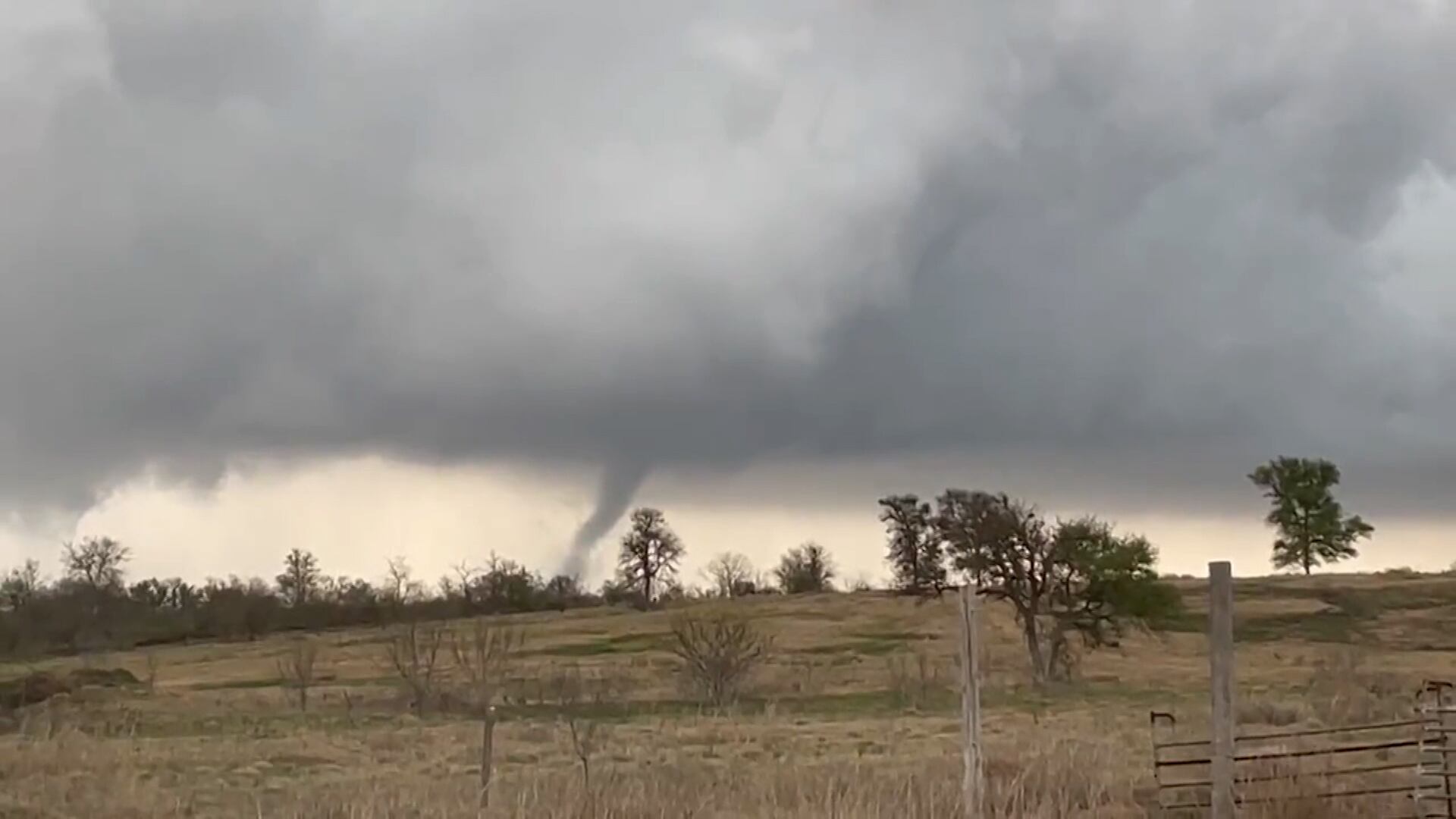
A record number of tornadoes were observed in March, topping the previous record set last year. Cheddar News speaks with NOAA’s Harold Brooks about what the implications are of an early tornado season.
Catching you up on what you need to know on April 6, 2022, with updates on the FDA’s meeting to discuss a second COVID booster shot, more on the war in Ukraine, tornadoes on the Gulf coast, a third suspect arrested in connection to the mass shooting in California, Darwin’s lost notebooks mysteriously returned, and more.
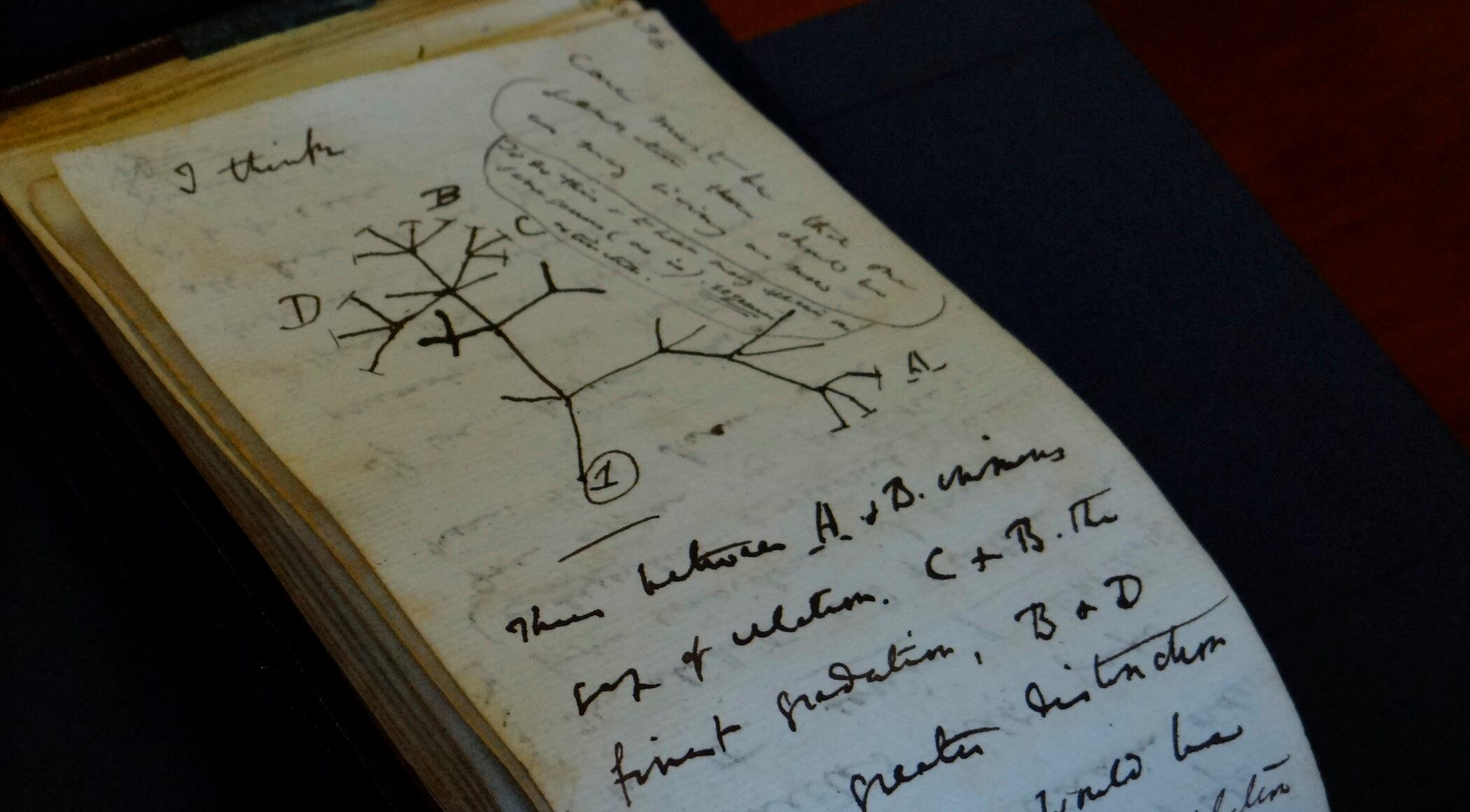
Two of naturalist Charles Darwin’s notebooks that were reported stolen from Cambridge University have been returned, two decades after they disappeared.