The U.S. infant mortality rate rose 3% last year — the largest increase in two decades, according to the Centers for Disease Control and Prevention.
White and Native American infants, infant boys and babies born at 37 weeks or earlier had significant death rate increases. The CDC's report, published Wednesday, also noted larger increases for two of the leading causes of infant deaths — maternal complications and bacterial meningitis.
“It’s definitely concerning, given that it’s going in the opposite direction from what it has been,” said Marie Thoma, a University of Maryland researcher who studies maternal and infant mortality.
Dr. Eric Eichenwald, a Philadelphia-based neonatologist, called the new data “disturbing,” but said experts at this point can only speculate as to why a statistic that generally has been falling for decades rose sharply in 2022.
RSV and flu infections rebounded last fall after two years of pandemic precautions, filling pediatric emergency rooms across the country. “That could potentially account for some of it,” said Eichenwald, who chairs an American Academy of Pediatrics committee that writes guidelines for the medical care of newborns.
Infant mortality is the measure of how many babies die before they reach their first birthday. Because the number of babies born in the U.S. varies from year to year, researchers instead calculate rates to better compare infant mortality over time. The U.S. infant mortality rate has been worse than other high-income countries, which experts have attributed to poverty, inadequate prenatal care and other possibilities. But even so, the U.S. rate generally gradually improved because of medical advances and public health efforts.
The national rate rose to 5.6 infant deaths per 1,000 live births in 2022, up from 5.44 per 1,000 the year before, the new report said.
The increase may seem small, but it’s the first statistically significant jump in the rate since the increase between 2001 and 2002, said Danielle Ely, the CDC report's lead author. She also said researchers could not establish whether the 2022 rise was a one-year statistical blip — or the beginning of a more lasting trend.
Overall in the U.S., the death rate fell 5% in 2022 — a general decrease that's been attributed to the waning impact of the COVID-19 pandemic, especially on people 65 and older. U.S. maternal deaths also fell last year.
More than 30 states saw at least slight rises in infant mortality rates in 2022, but four states had statistically significant increases — Georgia, Iowa, Missouri and Texas.
In numbers, U.S. infant deaths surpassed 20,500 in 2022 — 610 more than the year before nationwide. But Georgia had 116 more infant deaths than the year before, and Texas had 251 more.
“It would appear that some of the states could be having a larger impact on the (national) rate,” Ely said, adding that smaller increases elsewhere also have an effect — and that it’s hard to parse out exactly what places, policies or other factors are behind the national statistic.
The Associated Press Health and Science Department receives support from the Howard Hughes Medical Institute’s Science and Educational Media Group. The AP is solely responsible for all content.
2021 has been a year filled with extreme weather conditions. Hundreds of thousands of people recently saw the effects of massive tornados that swept across six states. Now, experts say climate change could have played a major role. Jennifer Marlon, research scientist and lecturer at the Yale School of the Environment, joins Cheddar News to discuss.
Anthony Tall, sports agent and president of Miracle Sports Agency, joins Cheddar News to talk about the challenges professional sports leagues are facing amid a surge in coronavirus cases across the U.S.
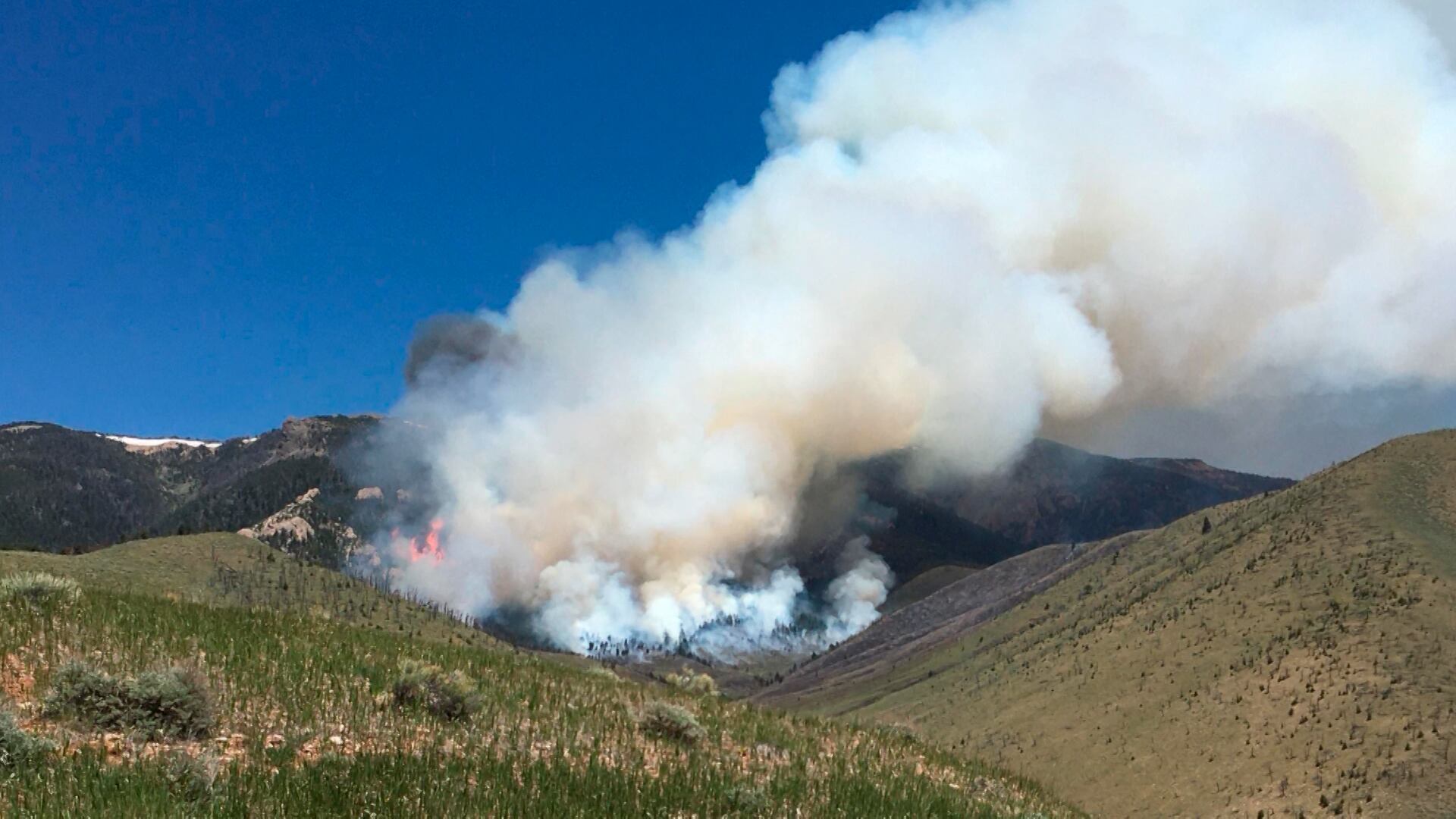
Extreme weather hit all of us in 2021. Deadly heat hit parts of the U.S. that normally don't even need air conditioning. More than 52,000 wildfires broke out, a terrifying example of what can happen when extreme heat mixes with drought. Hurricane Ida was so powerful it actually briefly reversed the flow of the Mississippi River. Cheddar News did a deep dive into this year's unbelievable weather and how climate change may have impacted it.
With the New Year just around the corner, many people will be making new health and fitness goals. However, after the initial January push, it's easy to drop your resolutions and go back to your old habits. Joan Ifland, CEO of Food Addiction Reset, discusses her best tips for following through with New Year's Resolutions.
Carlo and Baker preview President Biden's address to the nation as Omicron becomes the new dominant Covid strain. Plus, Trump gets booed for getting his booster and the White House gets a new puppy.
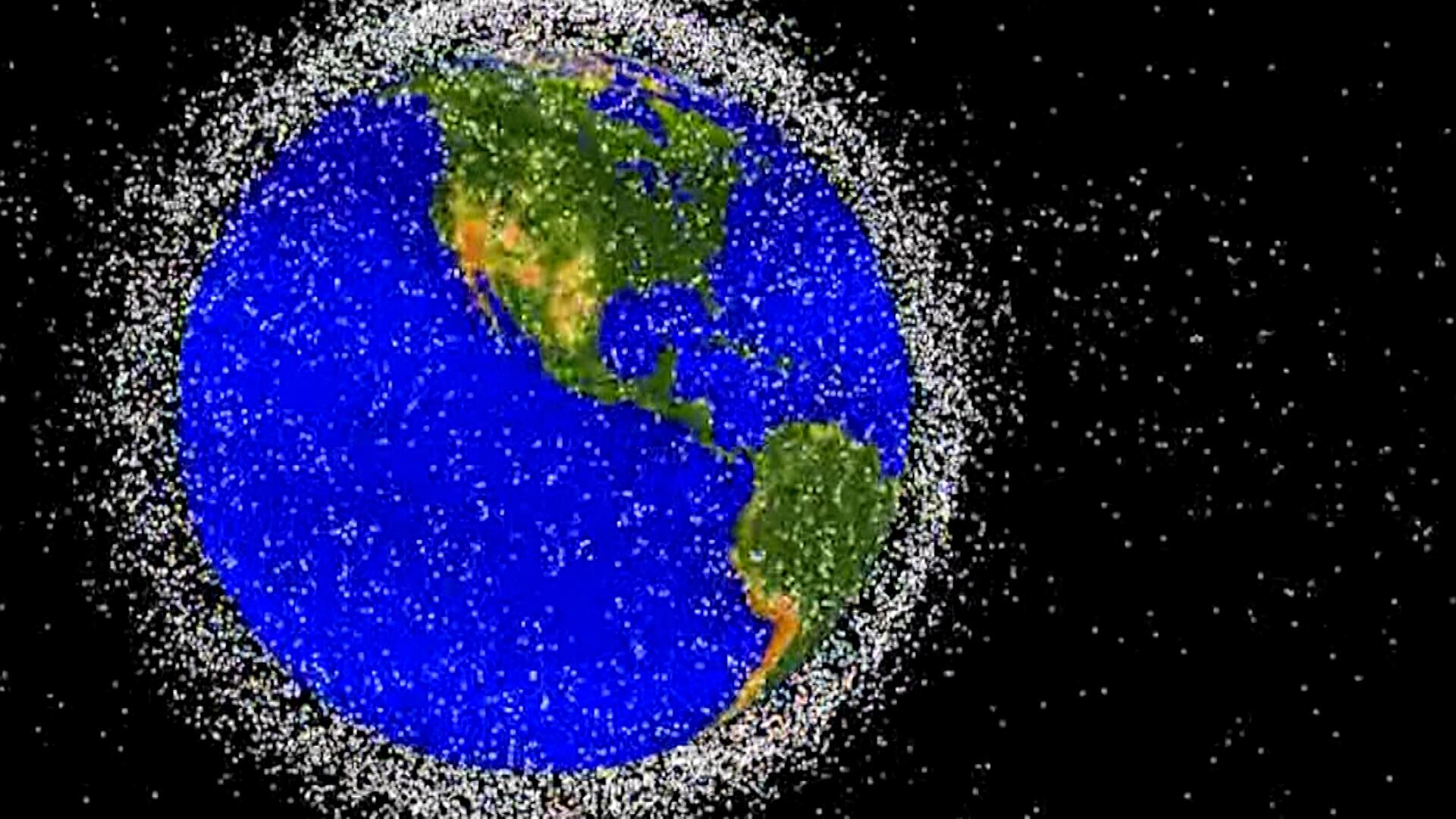
Alinda Mashiku, Conjunction Analysis and Risk Assessment Deputy Manager at the NASA Goddard Space Flight Center, joins Future of Space: Humankind's Leap Forward to explain how space debris is threatening operations in space at a time when more satellites are being deployed.
Marshall Smith, Senior Vice President of Space Systems at Nanoracks and Kirk Shireman, Vice President of the Lunar Exploration Campaign at Lockheed Martin join Future of Space: Humankind's Leap Forward to discuss upcoming plans for developing their Starlab commercial space station after being awarded a $160 million contract by NASA.
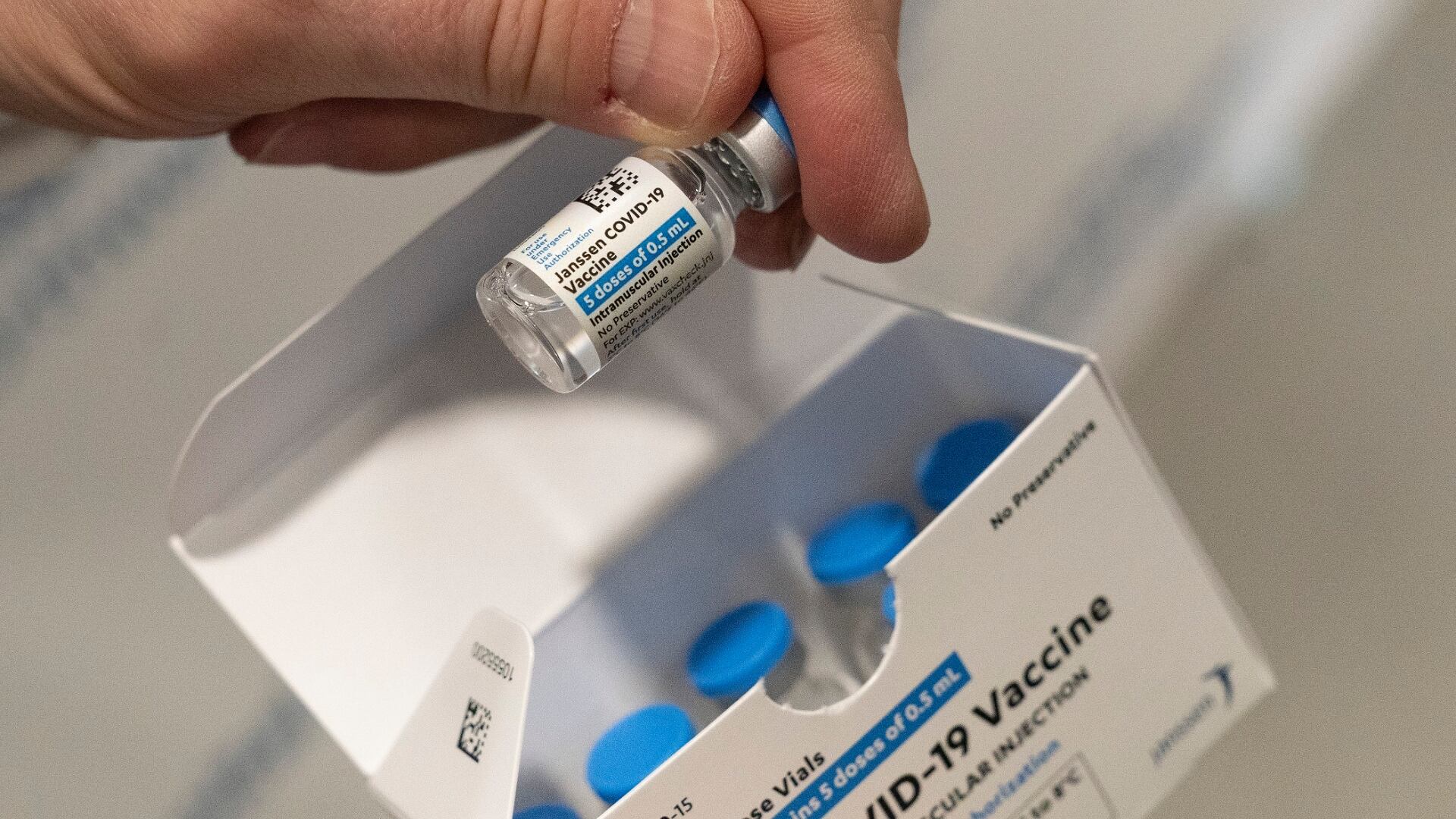
The CDC recently endorsed the advisory committee's recommendation that people should receive the Pfizer or Moderna COVID vaccines over the Johnson & Johnson shot, leaving some questions and concerns for the public. Epidemiologist Dr. Eric Feigl-Ding, spoke to Cheddar about the shift in the agency's stance, and what it might mean. "If you already have it, any side effects are already long past," he said. "Going forward is what they're saying. That getting a booster you should get the Moderna or the Pfizer booster, and I don't think they're encouraging anyone to get de novo Johnson & Johnson as their first shot anymore."
The billionaire space race took off in 2021, making major strides in space tourism. That growth is only expected to skyrocket in the next year, as the government and private institutions and companies look to shape the final frontier's exploration. Cheddar News dives into the biggest moments of the year in space, and what comes next for space travel and tourism.
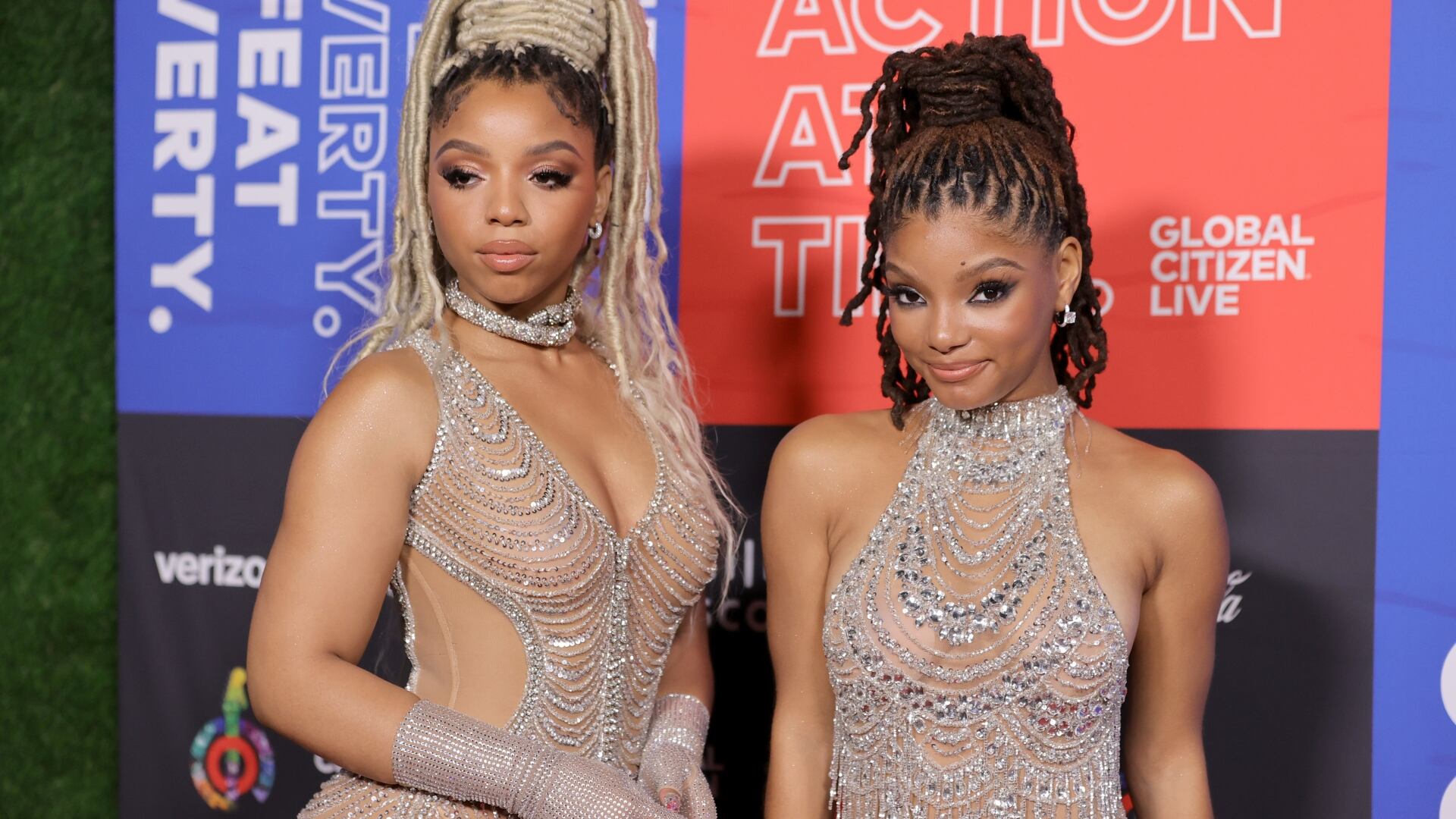
Chloe and Halle Bailey are no strangers to hard work. The sisters got their start performing covers on YouTube and have become a force in the music industry. Since then, the two have spread their wings beyond their duo group to individual projects. Now they're coming together to face off in the LG OLED Ultimate Gaming Showdown. Chloe and Halle join Cheddar News to discuss.