The U.S. infant mortality rate rose 3% last year — the largest increase in two decades, according to the Centers for Disease Control and Prevention.
White and Native American infants, infant boys and babies born at 37 weeks or earlier had significant death rate increases. The CDC's report, published Wednesday, also noted larger increases for two of the leading causes of infant deaths — maternal complications and bacterial meningitis.
“It’s definitely concerning, given that it’s going in the opposite direction from what it has been,” said Marie Thoma, a University of Maryland researcher who studies maternal and infant mortality.
Dr. Eric Eichenwald, a Philadelphia-based neonatologist, called the new data “disturbing,” but said experts at this point can only speculate as to why a statistic that generally has been falling for decades rose sharply in 2022.
RSV and flu infections rebounded last fall after two years of pandemic precautions, filling pediatric emergency rooms across the country. “That could potentially account for some of it,” said Eichenwald, who chairs an American Academy of Pediatrics committee that writes guidelines for the medical care of newborns.
Infant mortality is the measure of how many babies die before they reach their first birthday. Because the number of babies born in the U.S. varies from year to year, researchers instead calculate rates to better compare infant mortality over time. The U.S. infant mortality rate has been worse than other high-income countries, which experts have attributed to poverty, inadequate prenatal care and other possibilities. But even so, the U.S. rate generally gradually improved because of medical advances and public health efforts.
The national rate rose to 5.6 infant deaths per 1,000 live births in 2022, up from 5.44 per 1,000 the year before, the new report said.
The increase may seem small, but it’s the first statistically significant jump in the rate since the increase between 2001 and 2002, said Danielle Ely, the CDC report's lead author. She also said researchers could not establish whether the 2022 rise was a one-year statistical blip — or the beginning of a more lasting trend.
Overall in the U.S., the death rate fell 5% in 2022 — a general decrease that's been attributed to the waning impact of the COVID-19 pandemic, especially on people 65 and older. U.S. maternal deaths also fell last year.
More than 30 states saw at least slight rises in infant mortality rates in 2022, but four states had statistically significant increases — Georgia, Iowa, Missouri and Texas.
In numbers, U.S. infant deaths surpassed 20,500 in 2022 — 610 more than the year before nationwide. But Georgia had 116 more infant deaths than the year before, and Texas had 251 more.
“It would appear that some of the states could be having a larger impact on the (national) rate,” Ely said, adding that smaller increases elsewhere also have an effect — and that it’s hard to parse out exactly what places, policies or other factors are behind the national statistic.
The Associated Press Health and Science Department receives support from the Howard Hughes Medical Institute’s Science and Educational Media Group. The AP is solely responsible for all content.
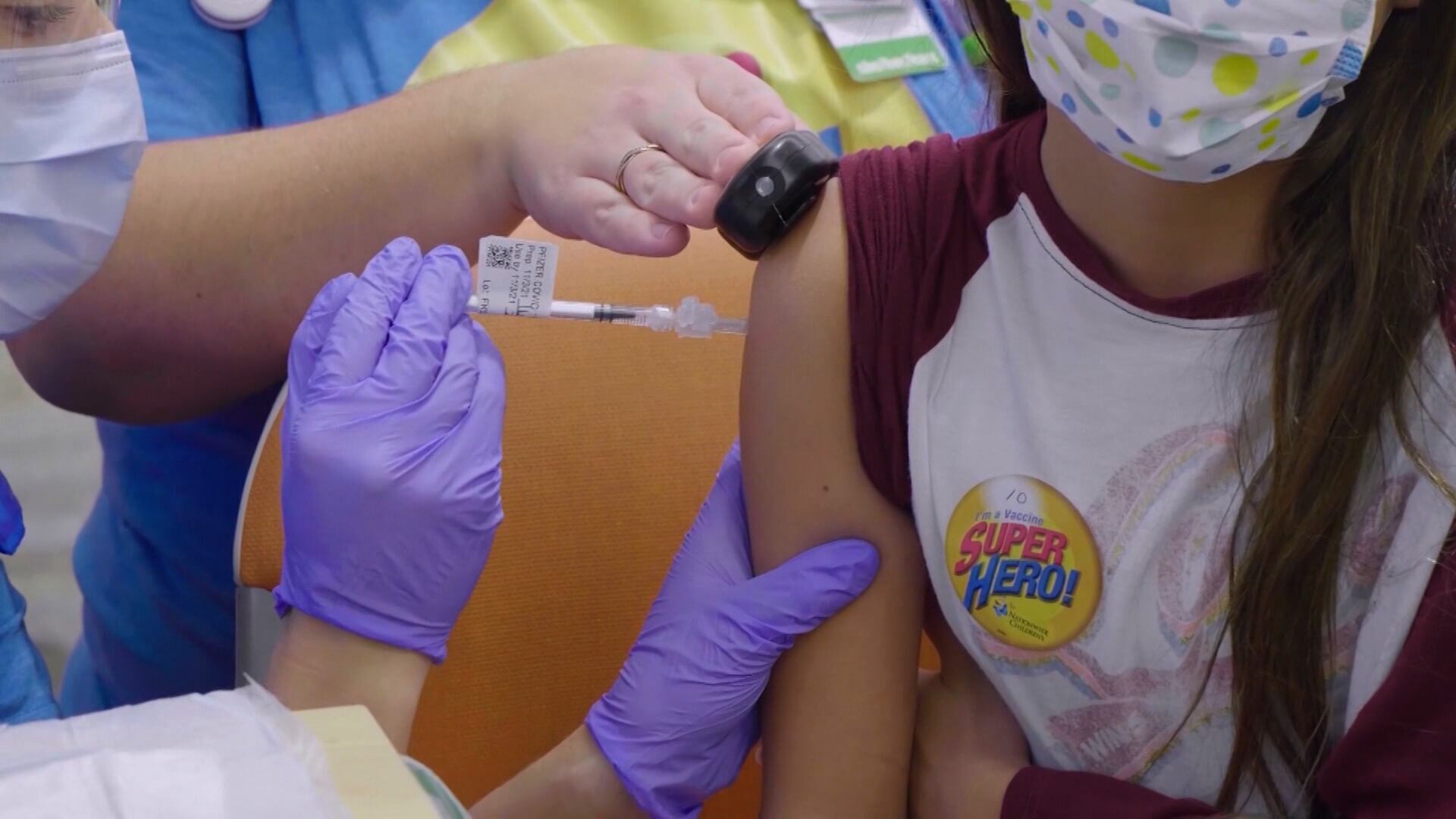
With a rising number of COVID-19 cases due to the omicron variant, the FDA is making big moves. First, Pfizer's COVID-19 booster has been authorized for those ages 12 to 15. The agency also reduced the amount of time to wait between receiving a second vaccine dose and booster from six months to five. Finally, a third primary series dose of Pfizer's shot is approved for immunocompromised children five to 11 years old. Professor Peter Pitts joins Cheddar News to discuss.
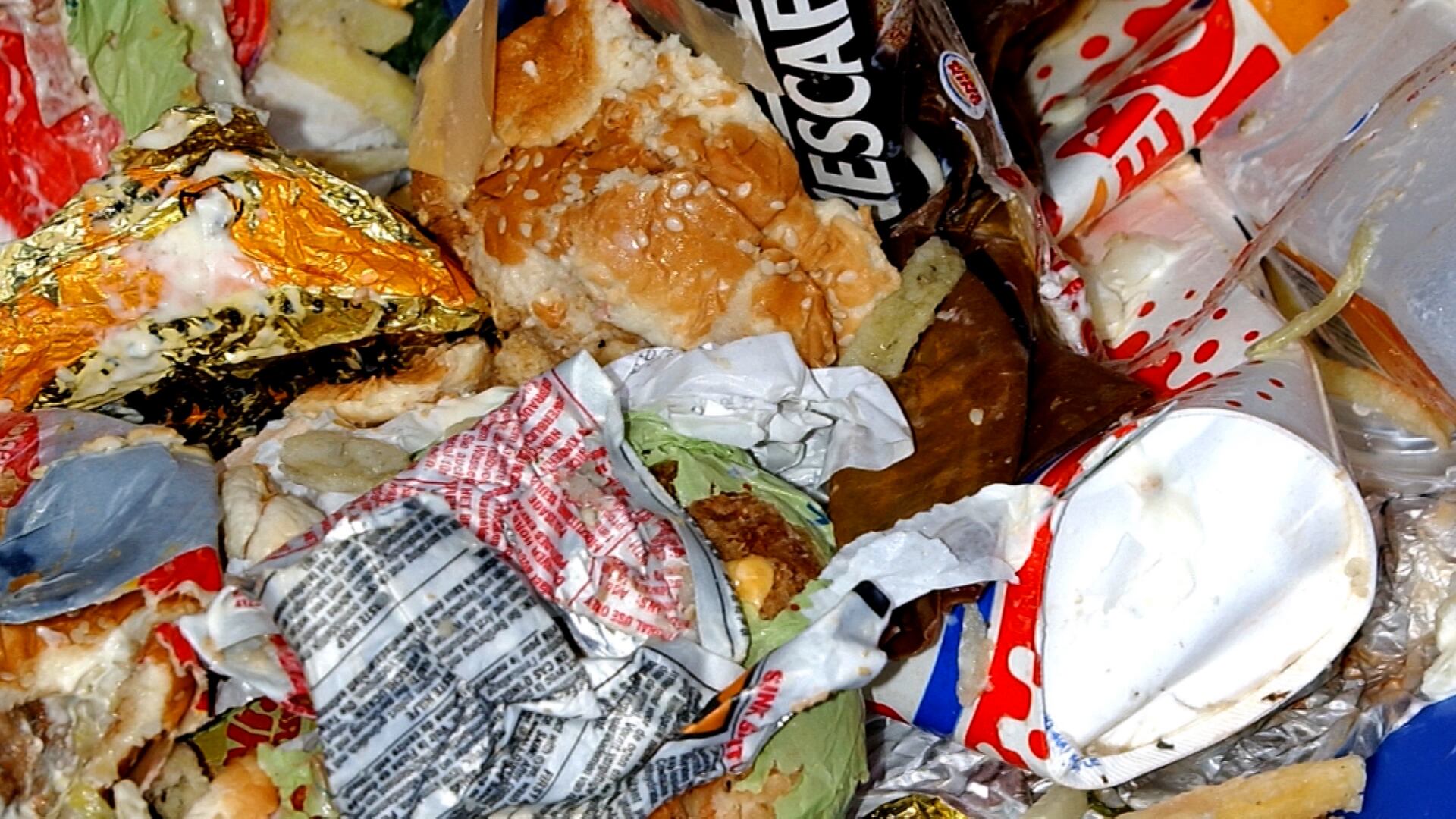
California's new composting law will affect what residents do in their kitchens. As of this week, Californians will have to recycle excess food in an effort to reduce emissions caused by food waste. Cities and counties will turn recycled food into compost or use it as a renewable energy source. California's new law is the largest mandatory residential food waste recycling program in the country. Rachel Wagoner, Director of the California Department of Resources, Recycling and Recovery called the law 'the biggest change to trash' since recycling started in the 1980s. She joined Cheddar Climate to discuss.
Deborah Brosnan, President of Deborah Brosnan & Associates, joins Cheddar Climate, where she explains why global warming brought about 'a year of reckoning' in 2021 and why previously unprecedented weather events could become the norm going forward.
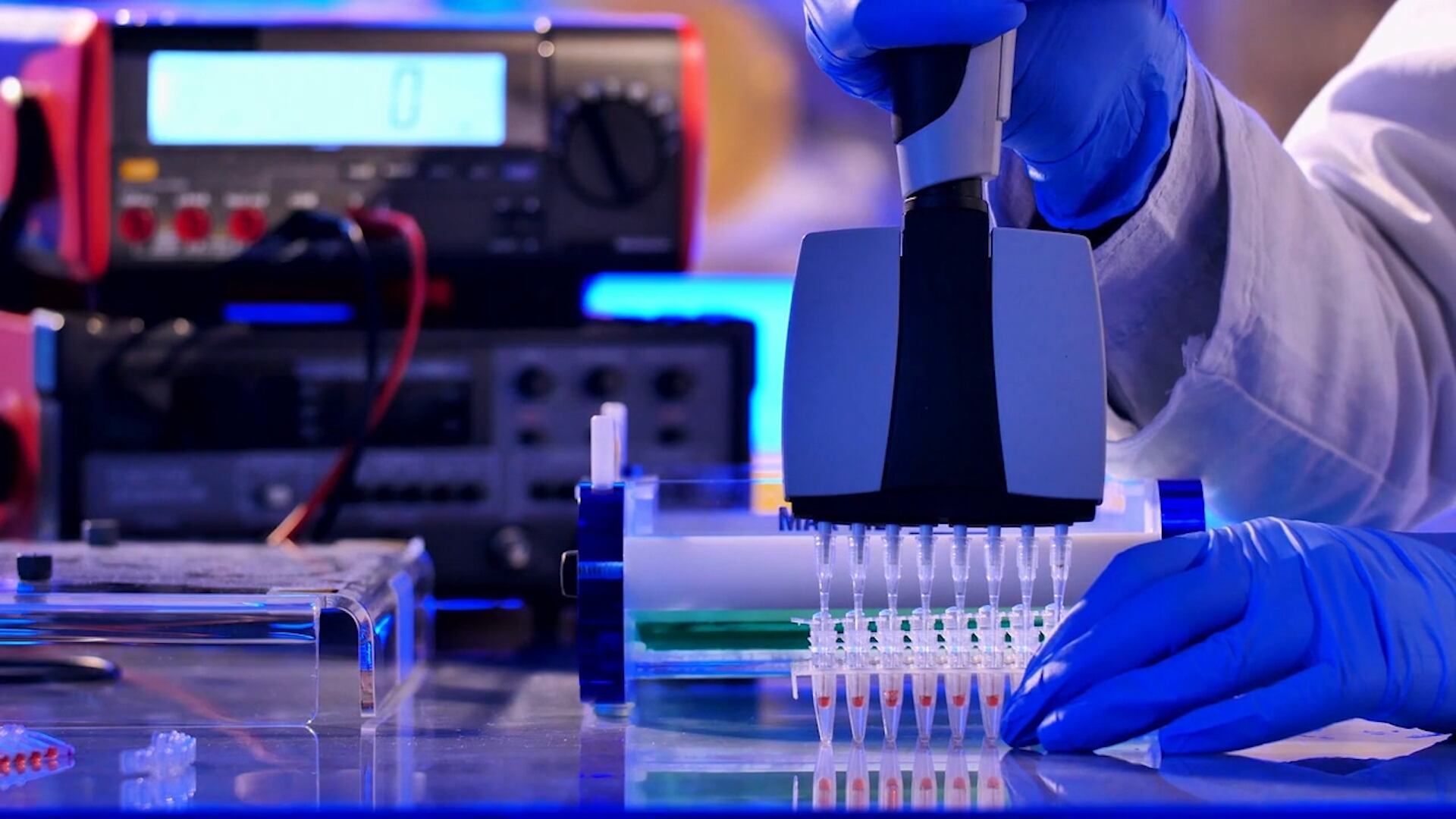
On this episode of Cheddar Reveals, Dr. Anita Gupta, Adjunct assistant professor of anesthesiology and critical care medicine at the Johns Hopkins University School of Medicine, shares her forecast for the healthcare industry in 2022; Waseem Asghar, Ph.D., Associate Professor, Department of Computer & Electrical Engineering and Computer Science, Florida Atlantic University, breaks down the latest progress, trends, and innovations in wearable health tech; Cheddar gets a look at Curiosity Stream's 'Hacking our Biome.'
Dr. Anita Gupta, Adjunct assistant professor of anesthesiology and critical care medicine at the Johns Hopkins University School of Medicine, joins Cheddar Reveals to share her forecast for the healthcare industry in 2022.
Waseem Asghar, Ph.D., Associate Professor, Department of Computer & Electrical Engineering and Computer Science, Florida Atlantic University, joins Cheddar Reveals to break down the latest progress, trends, and innovations in wearable health tech.
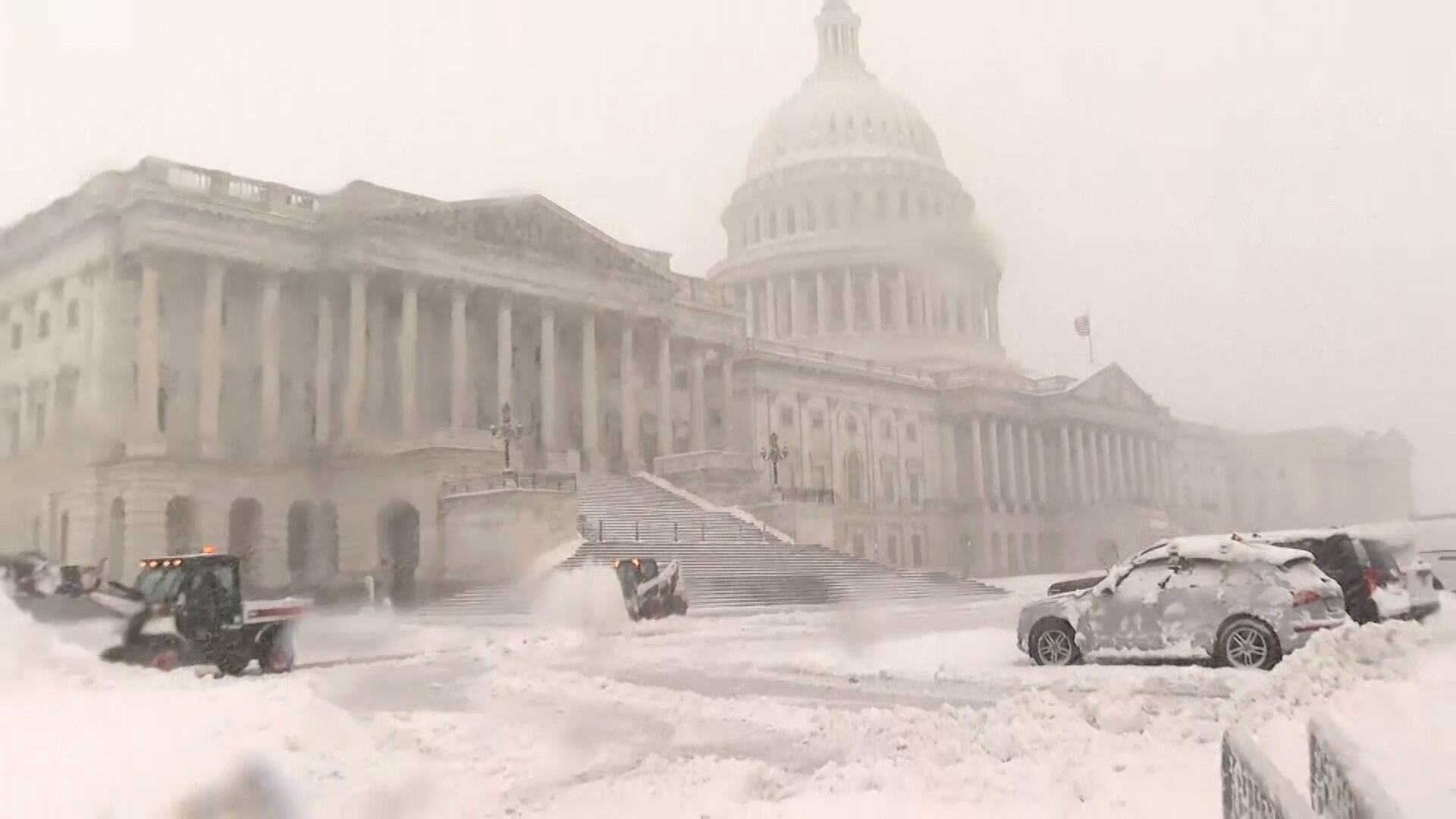
Washington DC and the surrounding areas saw a record breaking snow storm Monday as a strong storm system works its way across the eastern U.S. The extreme weather event caused extensive damage in the greater Washington area, leaving thousands in the region without power. Jonathan Porter, Chief Meteorologist, AccuWeather, joined Wake Up with Cheddar to discuss the fierce storm.
Sweta Chakraborty, U.S. President of We Don't Have Time and climate change expert, joins Cheddar News to discuss how mining the proper resources for the clean energy sector is crucial.
Over the past year alone, we've seen an increasing push-back on fossil fuels, legislation to reduce plastic pollution, greater protection over our worlds' forests, and a growing number of companies working to reduce total carbon footprint. To discuss the sustainability trends that defined 2021 and the changes individuals can make in 2022, J.D. Durkin is joined by Ashlee Piper, a sustainability expert and author of 'Give a Sh*t: Do Good. Live Better. Save the Planet,' joins Cheddar News.