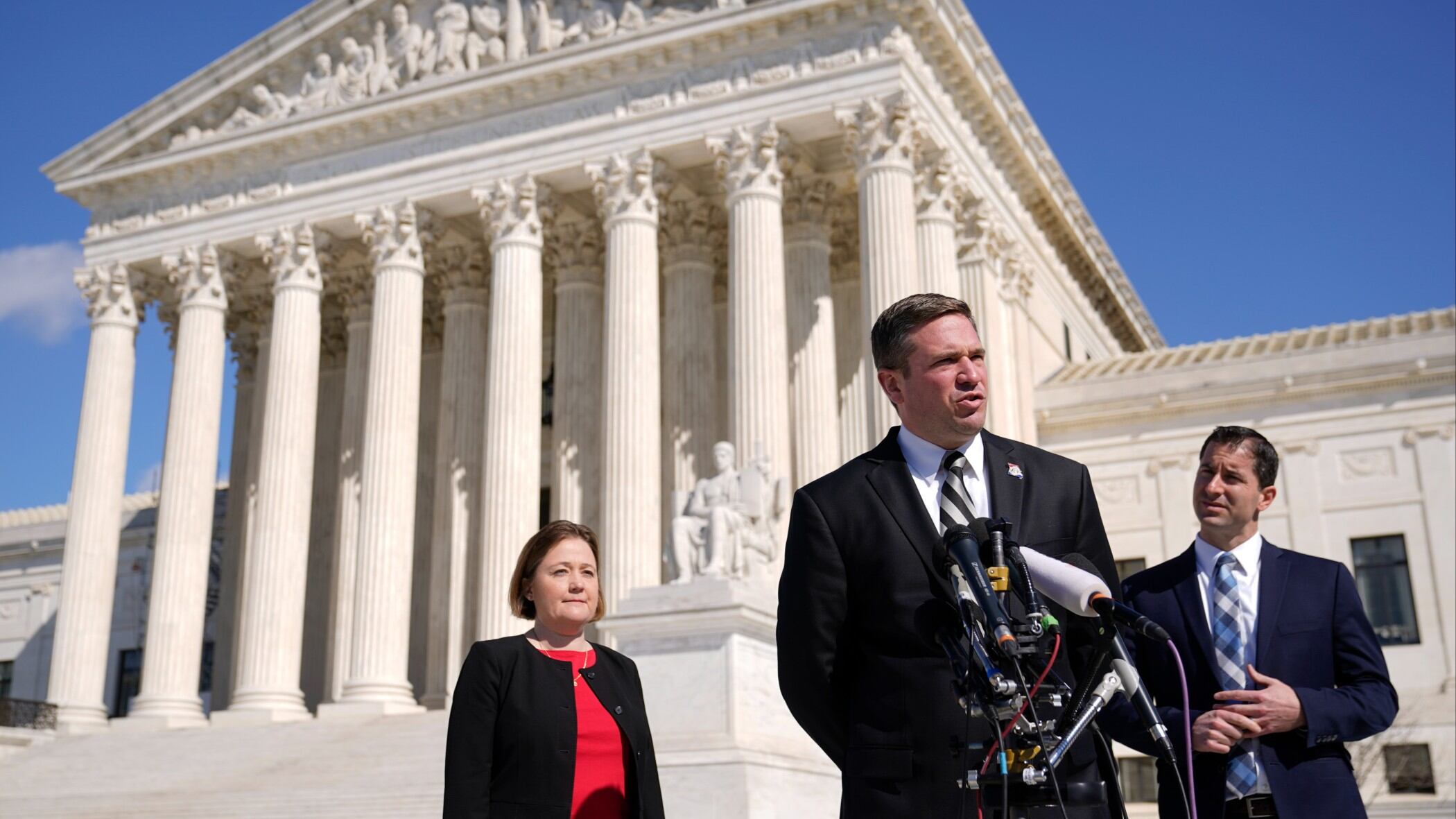
The justices refused to narrow a lower-court order that has prohibited the law from being enforced statewide.
Florida had asked the court to allow its anti-drag show law to be enforced everywhere except at the Hamburger Mary's restaurant in Orlando, which challenged the law's constitutionality.
Three justices, Samuel Alito, Neil Gorsuch and Clarence Thomas, said they would have granted the state's request.
Last month, a panel of the 11th U.S. Circuit Court of Appeals upheld a lower court’s order stopping the law from being enforced. The district court found that the law likely restricted free speech and couldn't be enforced anywhere in the state.
Hamburger Mary’s regularly hosts drag shows, including family-friendly performances on Sundays that children are invited to attend. The restaurant’s owner said the law was overly broad, was written vaguely and violated First Amendment rights by chilling speech.
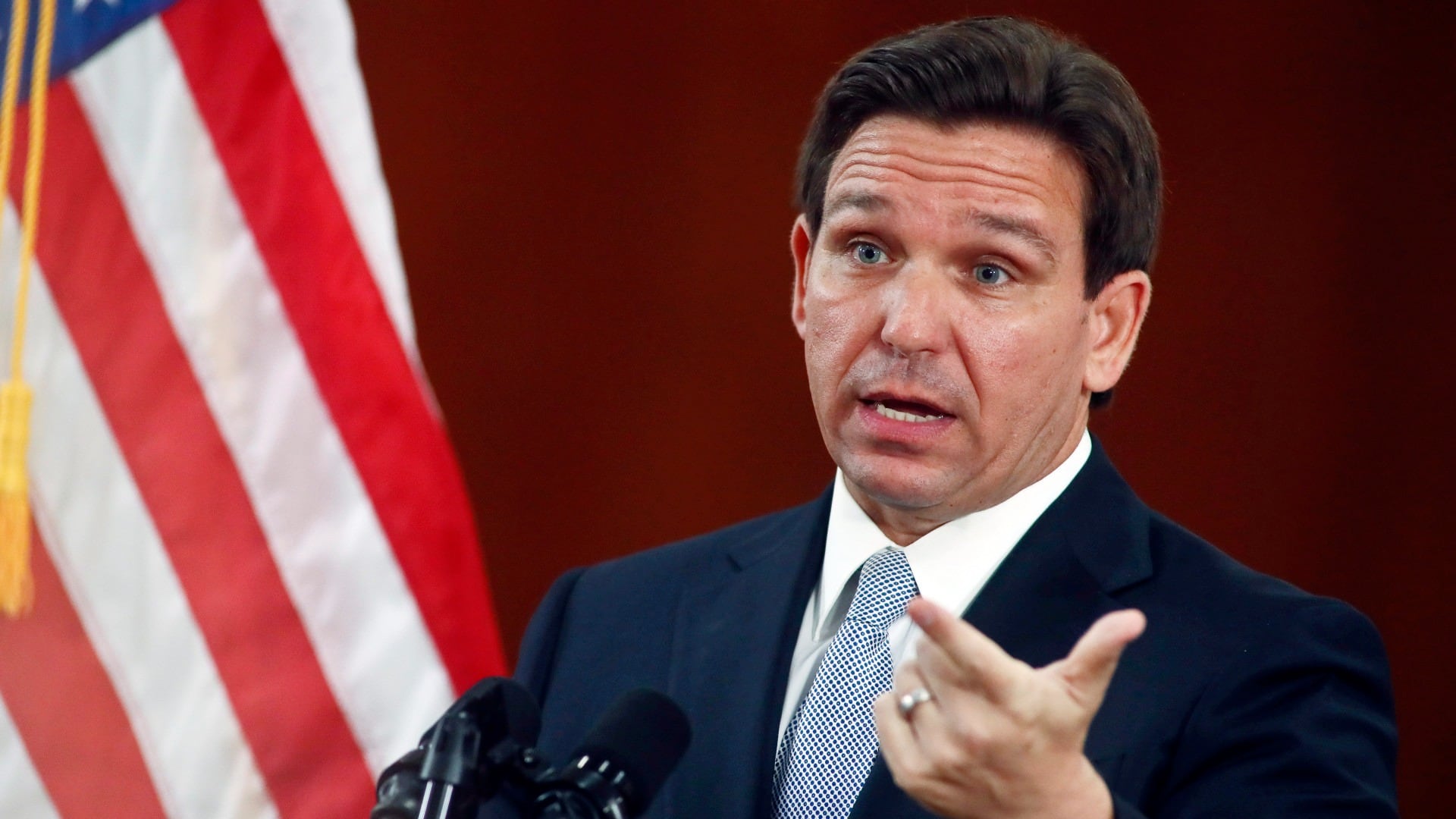
The new law championed by Republican Gov. Ron DeSantis, who is running for the 2024 GOP presidential nomination, punished venues for allowing children into what it called “adult live performances.” Though it did not mention drag shows specifically, the sponsor of the legislation said it was aimed at those performances.
Venues that violated the law faced fines and the possibility that their liquor licenses to be suspended or revoked. Individuals could be charged with a misdemeanor crime.
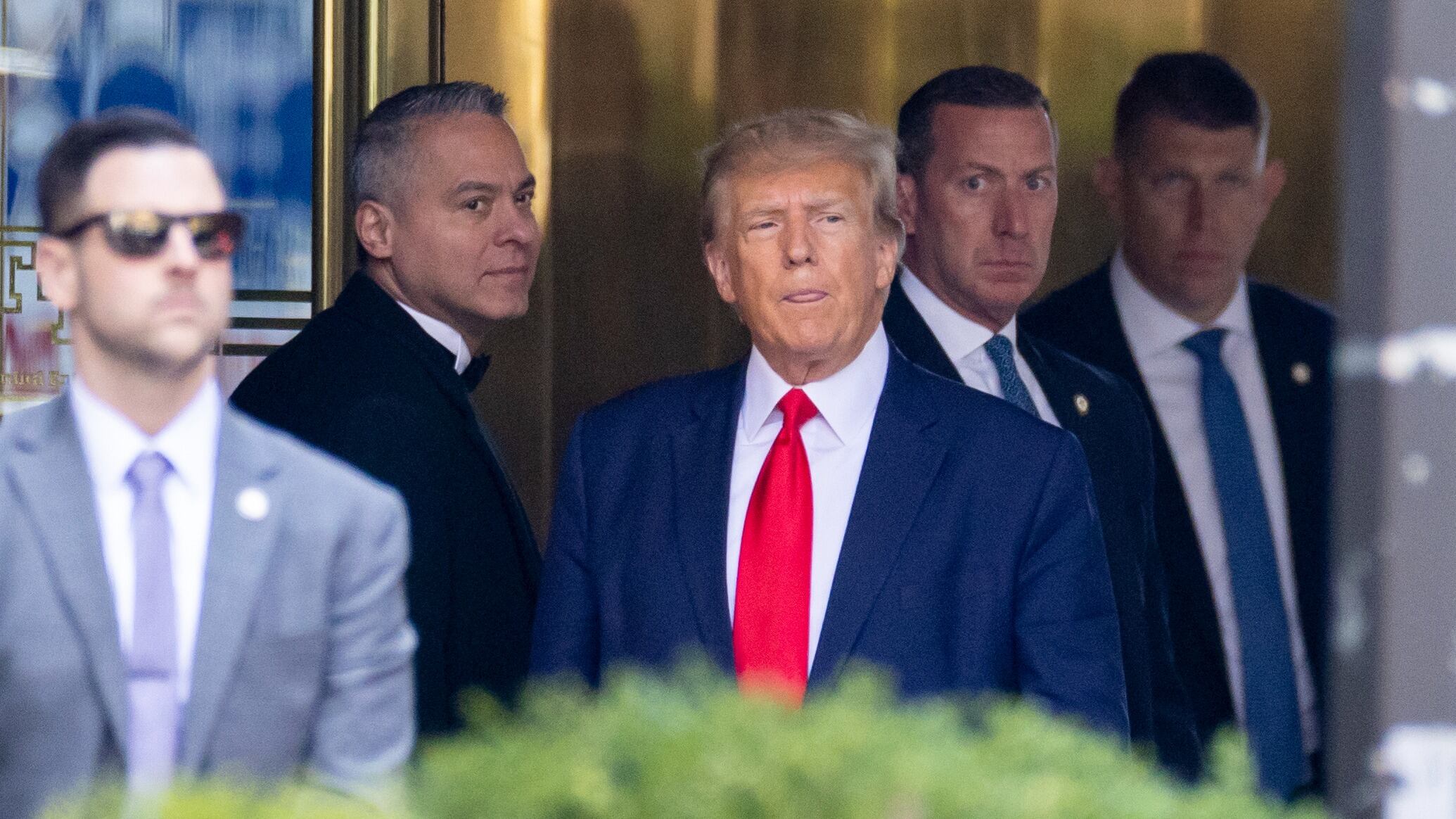
Former President Donald Trump answered questions for nearly seven hours Thursday during his second deposition in a legal battle with New York's attorney general over his company's business practices, reversing an earlier decision to invoke his Fifth Amendment protection against self-incrimination and remain silent.
Republican Gov. Ron DeSantis has signed into law a bill approved by the Republican-dominated Florida Legislature to ban abortions after six weeks of pregnancy.
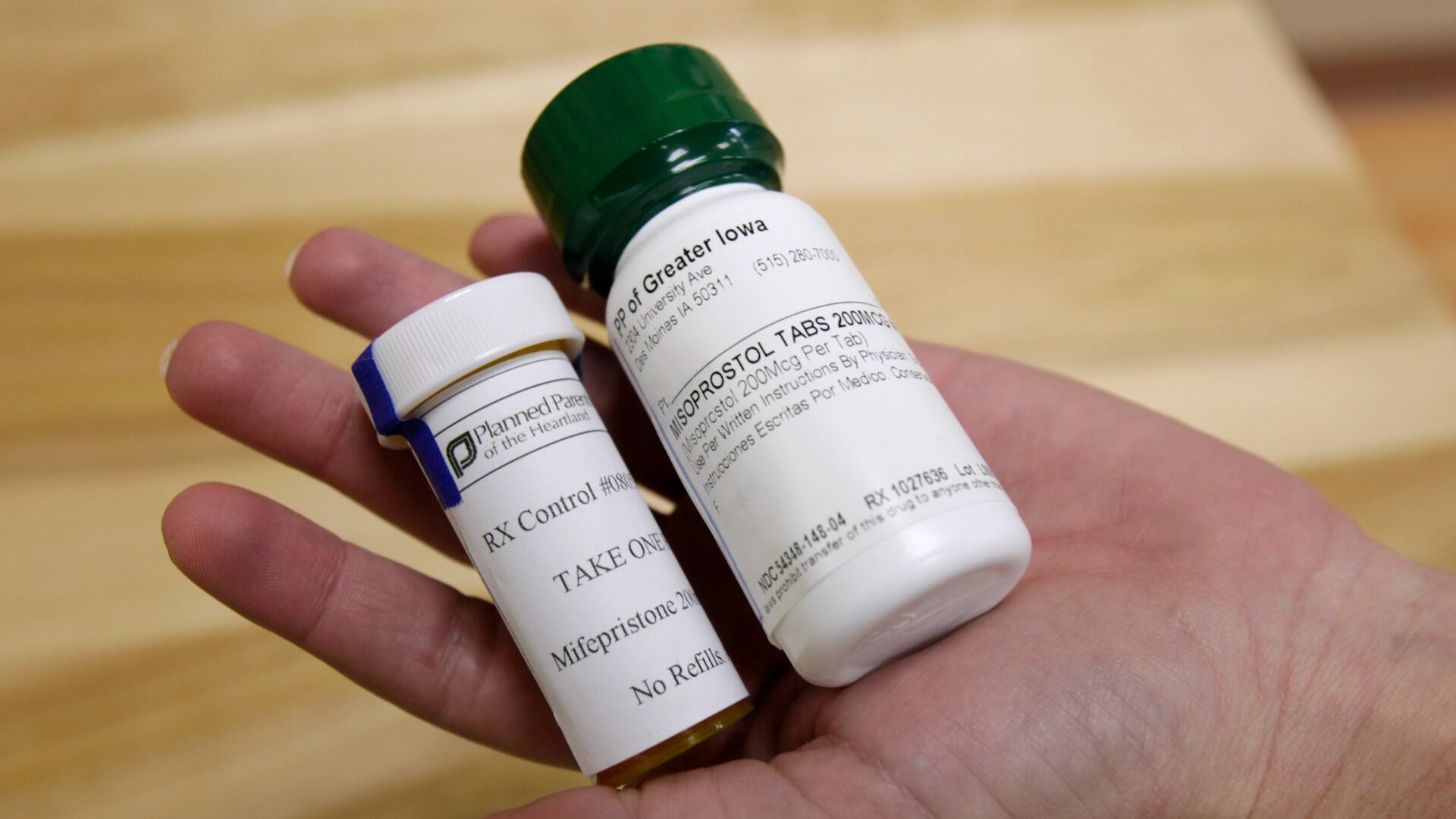
A federal appeals court has ruled that the abortion pill mifepristone can still be used for now but reduced the period of pregnancy when the drug can be taken and said it could not be dispensed by mail.
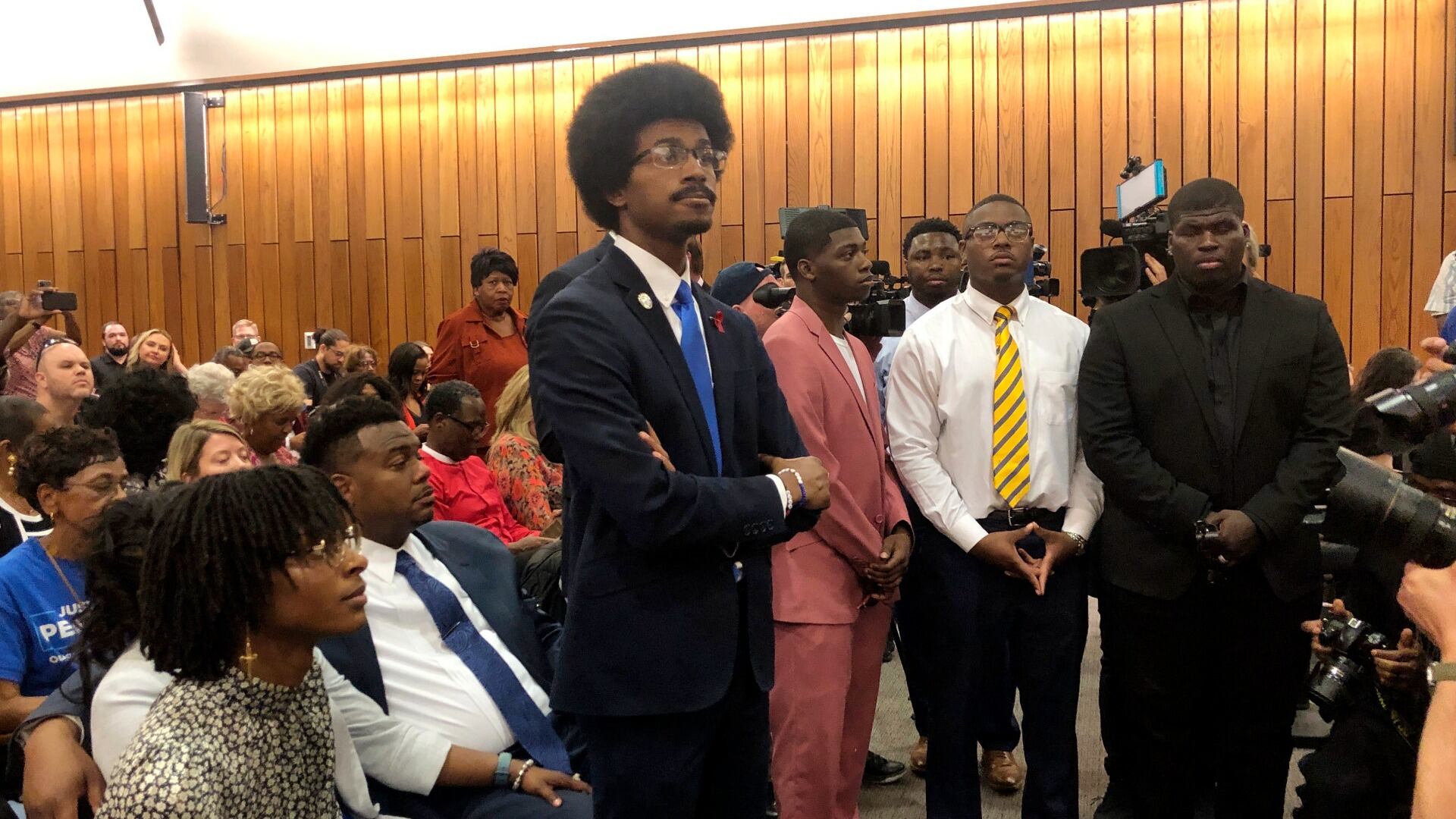
The second of two Black Democrats expelled from the Republican-led Tennessee House will return to the Legislature after a Memphis commission voted to reinstate him Wednesday.
Some abortion clinics are fielding lots of calls from patients since a court ruling last Friday threatened the availability of a main drug used in medication abortion, mifepristone.
The Biden administration released an environmental analysis Tuesday that outlined two ways that seven Western states and tribes reliant on the over-tapped Colorado River could cut their use, but declined to publicly take a side on the best option.