The Man Who Sued Facebook Is Bullish About the Platform
*By Conor White*
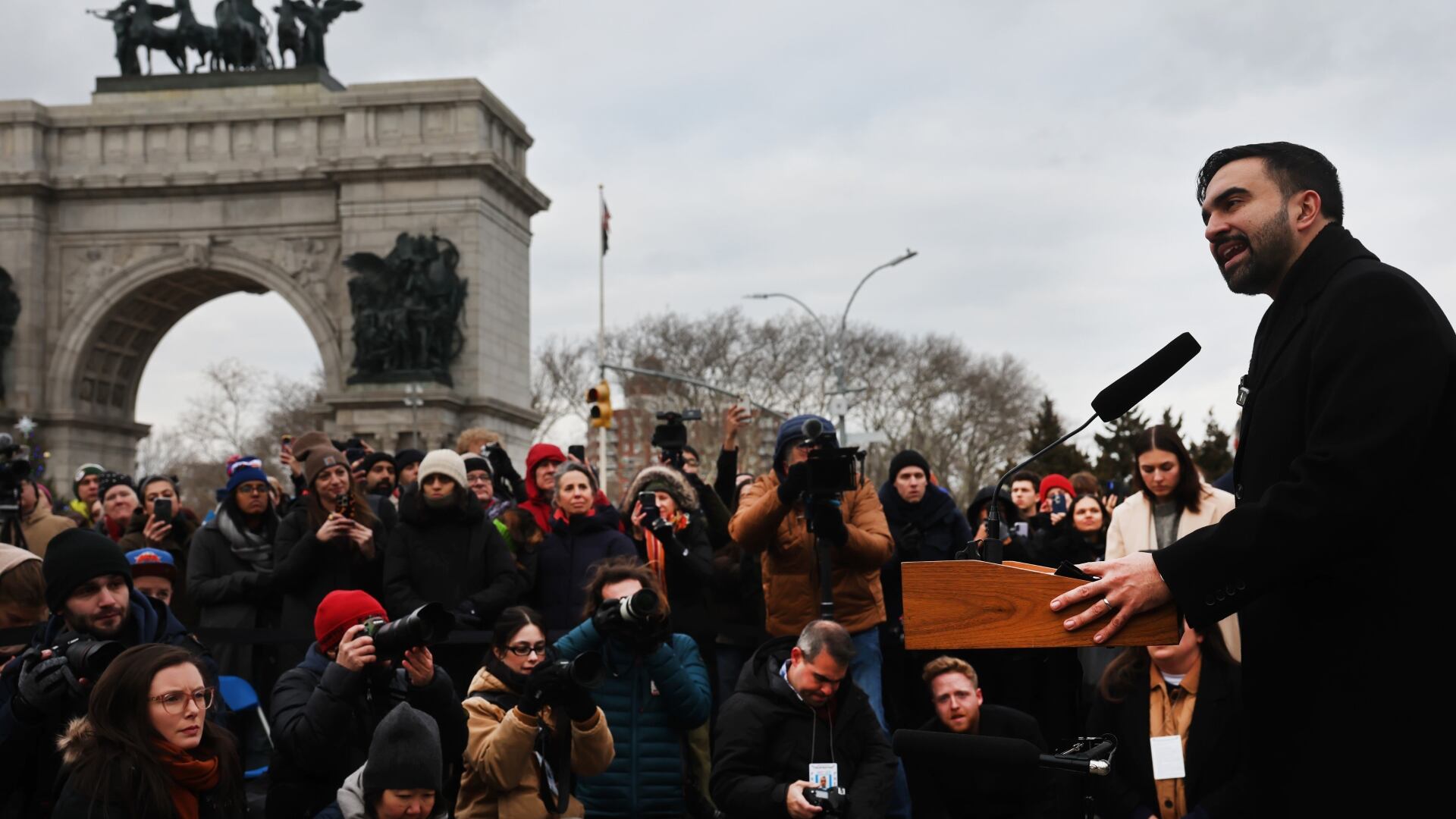
Though he sued Mark Zuckerberg for stealing the idea for Facebook, Divya Narendra said he's excited about the future of the social media giant, and sees Facebook as a good investment.
"If you have a long-term mindset, this is probably one of the cheapest stocks you can own," said Narendra in an interview Thursday with Cheddar's Kristen Scholer and Brad Smith. "On a price-to-earnings basis, or on a price-to-growth basis, really versus any other stock in this sort of large cap universe."
Narendra hit Zuckerberg with an intellectual property suit for allegedly stealing the idea for Facebook while the two were students at Harvard. They settled in 2009 for around $65 million ー $20 million in cash and 1.25 million Facebook shares. Despite that antagonistic history, Narendra is bullish on Zuckerberg's company.
"You saw a 15 to 20 percent drop in the stock off of bad PR, which is I think a solvable problem," said Narendra. "I guess that's how the markets work, but clearly an overreaction."
Narendra is the chief executive of SumZero, an investment website for professional investors.
For the full interview, [click here](https://cheddar.com/videos/facebook-looks-to-future-after-beating-earnings-expectations).
Build-A-Bear Workshop has been one of the most recognizable and beloved toy brands in the world since opening in 1997. Sharon Price John, CEO of Build-A-Bear Workshop, spoke with Cheddar News about its plans for the holiday season this year as well as the company's first animated feature film.
Stocks were generally flat after the opening bell on Friday ahead of Federal Reserve Chair Jerome Powell's comments in a speech at Spelman College later. Investors are growing optimistic that the central bank is done raising rates and may start cutting next year.
The network of nearly 4,800 fake accounts was attempting to build an audience when it was identified and eliminated by the tech company, which owns Facebook and Instagram.
Someone in China created thousands of fake social media accounts designed to appear to be from Americans and used them to spread polarizing political content in an apparent effort to divide the U.S. ahead of next year's elections, Meta said Thursday.