We're living in uncertain times due to the pandemic, and that means more flexible especially when we travel.
One change that may be permanent is that people are more open to unconventional travel opportunities -- as well as challenges -- when they book their vacations.
Airbnb CEO Brian Chesky explained at Skift Global Forum 2021 that before the pandemic, working, living and traveling had to be three separate activities. But with remote work now more accepted, it can be one and the same.
"This revolution really is about flexibility," Chesky said. "Suddenly, you can live anywhere, you can work anywhere."
It also means travelers are moving from being strict and rigid to being more malleable. A recent Expedia survey showed that half of global travel searches this summer were for 21 days or less. Airlines are also more open to giving refunds with cancellations, even for the cheapest tickets. Travelers, especially those looking for high-end luxury vacations, are simultaneously planning trips to ensure they go on one, a phenomenon known as "travel stacking."
https://skift.com/2021/09/15/new-research-5-trends-from-travels-2021-summer-surge/
"Flexibility is going to be huge in terms of how travel companies spur demand and then put consumer confidence back," Ali told Cheddar.
Skift airline reporter Meghna Maharishi breaks down how the government shutdown is hitting air traffic control—and what it means for travelers and flight safety
Aya Kantorovich, Co-CEO of August Digital, breaks down Bitcoin’s surge, crypto ETFs, institutional investment trends, and the future of safer crypto access.
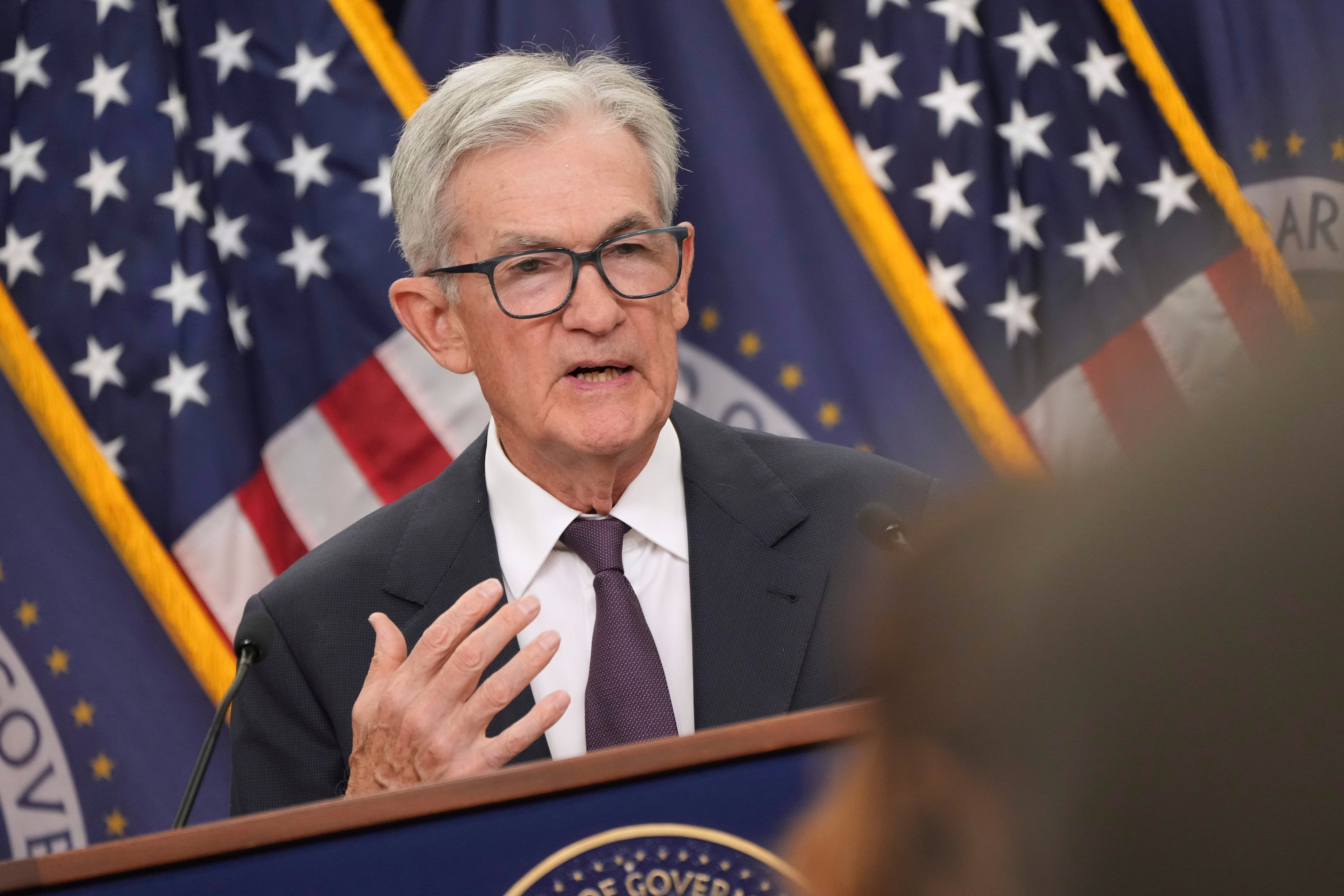
Most members of the Federal Reserve’s interest-rate setting committee supported further reductions to its key interest rate this year, minutes from last month’s meeting showed.
Sinead O’Sullivan breaks down Taylor Swift’s genius marketing for The Life of a Showgirl, which just set the record for most albums sold in a single week.
Markets are emerging from a turbulent Q3. Horizon’s Mike Dickson shares insights on interest rates, small caps, and where investors should look in Q4 and beyond
Bambu Ventures's Kyle Pretsch dives into Lemonaid’s $10M buyout, down from 23andMe’s $400M price tag, and what’s next after Chrome Co.’s dramatic pivot.
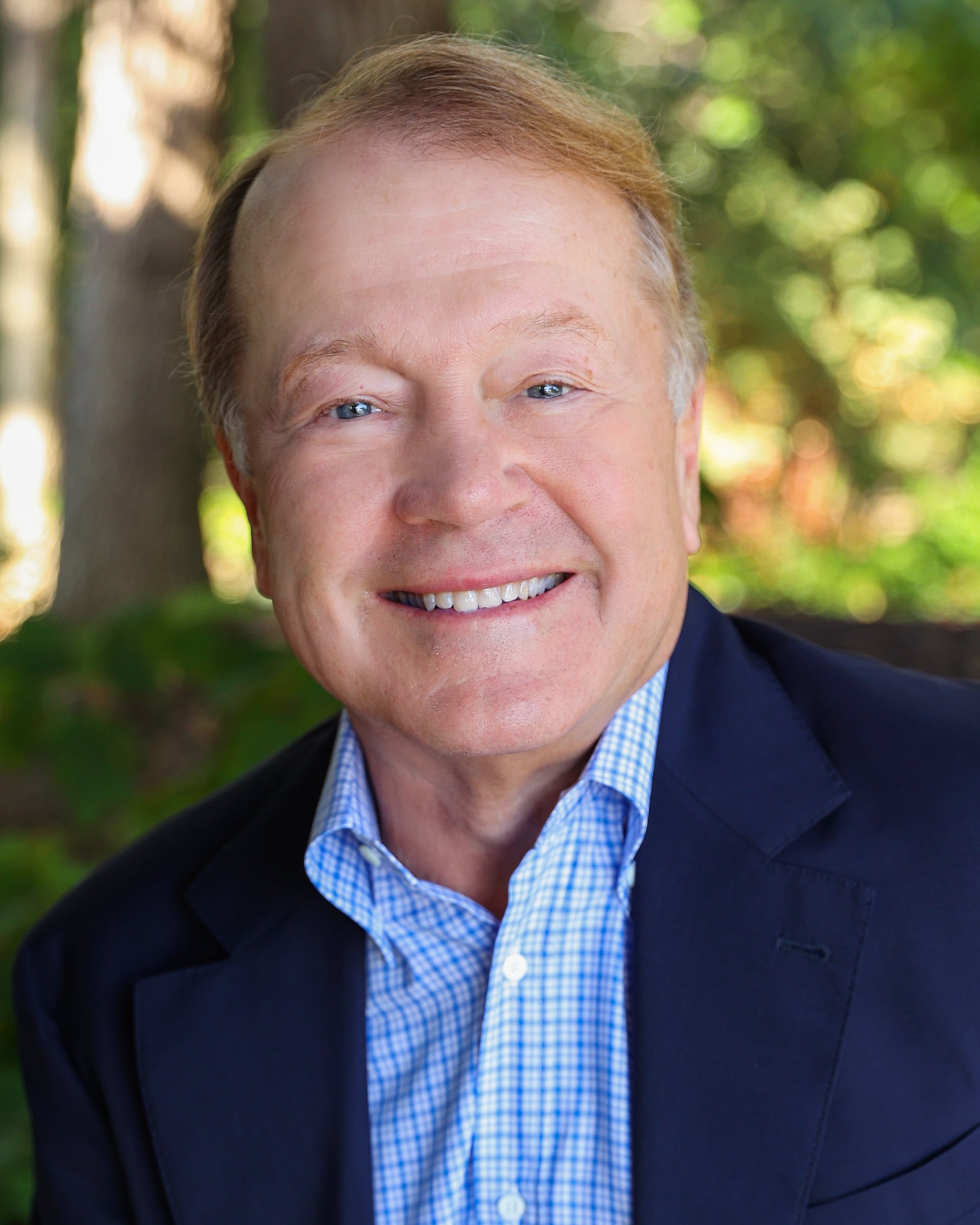
Former Cisco Systems CEO John Chambers learned all about technology’s volatile highs and lows as a veteran of the internet’s early boom days during the late 1990s and the ensuing meltdown that followed the mania. And now he is seeing potential signs of the cycle repeating with another transformative technology in artificial intelligence. Chambers is trying take some of the lessons he learned while riding a wave that turned Cisco into the world's most valuable company in 2000 before a crash hammered its stock price and apply them as an investor in AI startups. He recently discussed AI's promise and perils during an interview with The Associated Press.