The Crazy Amount of Money America Spends on Valentine's Day
Americans are expected to spend a near-record $20 billion this Valentine's Day, but what are they shelling out all that money for? Lisa Rowan, Writer at The Penny Hoarder, joins Your Cheddar to discuss how you can keep the love in your wallet this Valentine's Day.
If you can believe it, Americans will spend $4.7 billion on jewelry, $3.7 billion on an evening out, $2 billion on flowers and $1.8 billion on candy! But because of supply and demand, a lot of the usual Valentine's Day gifts go up in price. Rowan says you may want to avoid going to a restaurant or booking a hotel room for a romantic evening because prices could increase up to 30%.
So what should you do if you don't want to break the bank but still want to give your partner a little something? Rowan suggests thinking about what their hobbies are and aligning with something they love to do. Maybe its a smaller gesture, but it will mean more than flowers or candy.
Season's greetings! Tax season, that is. January 29 is the first day you can file your tax return. We walk you through each step — plus a checklist you can download.
The Q-Collar helps protect athletes from impact-related concussions. Now, the U.S. Army is evaluating if the device could help reduce traumatic brain injury cased by blast weapons.
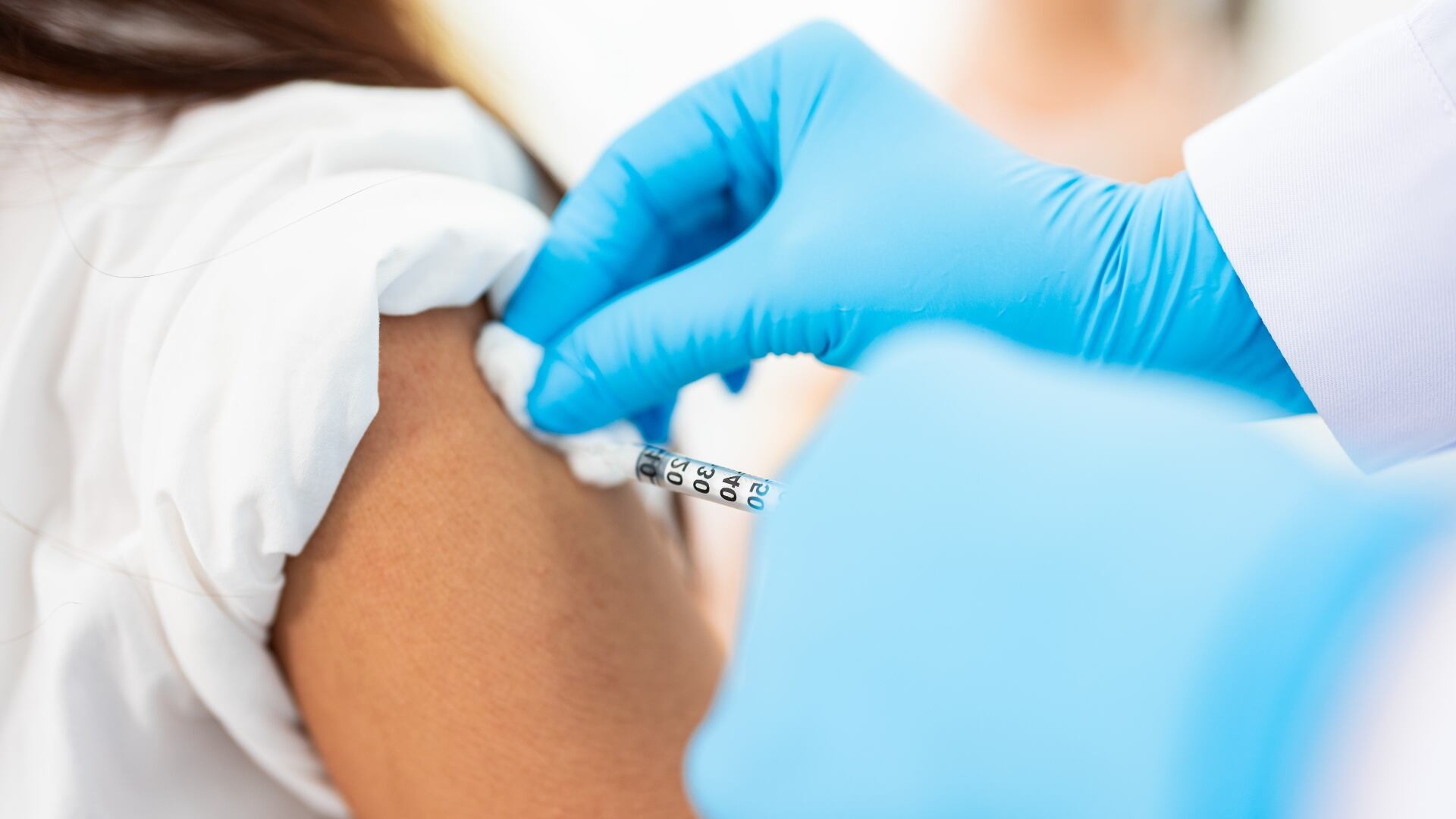
Co-founder and executive chairman of the board at Vaxxinity Lou Reese shares how the company is working to bring vaccines for chronic illnesses like heart disease and Parkinson’s to market with an eye for accessibility.
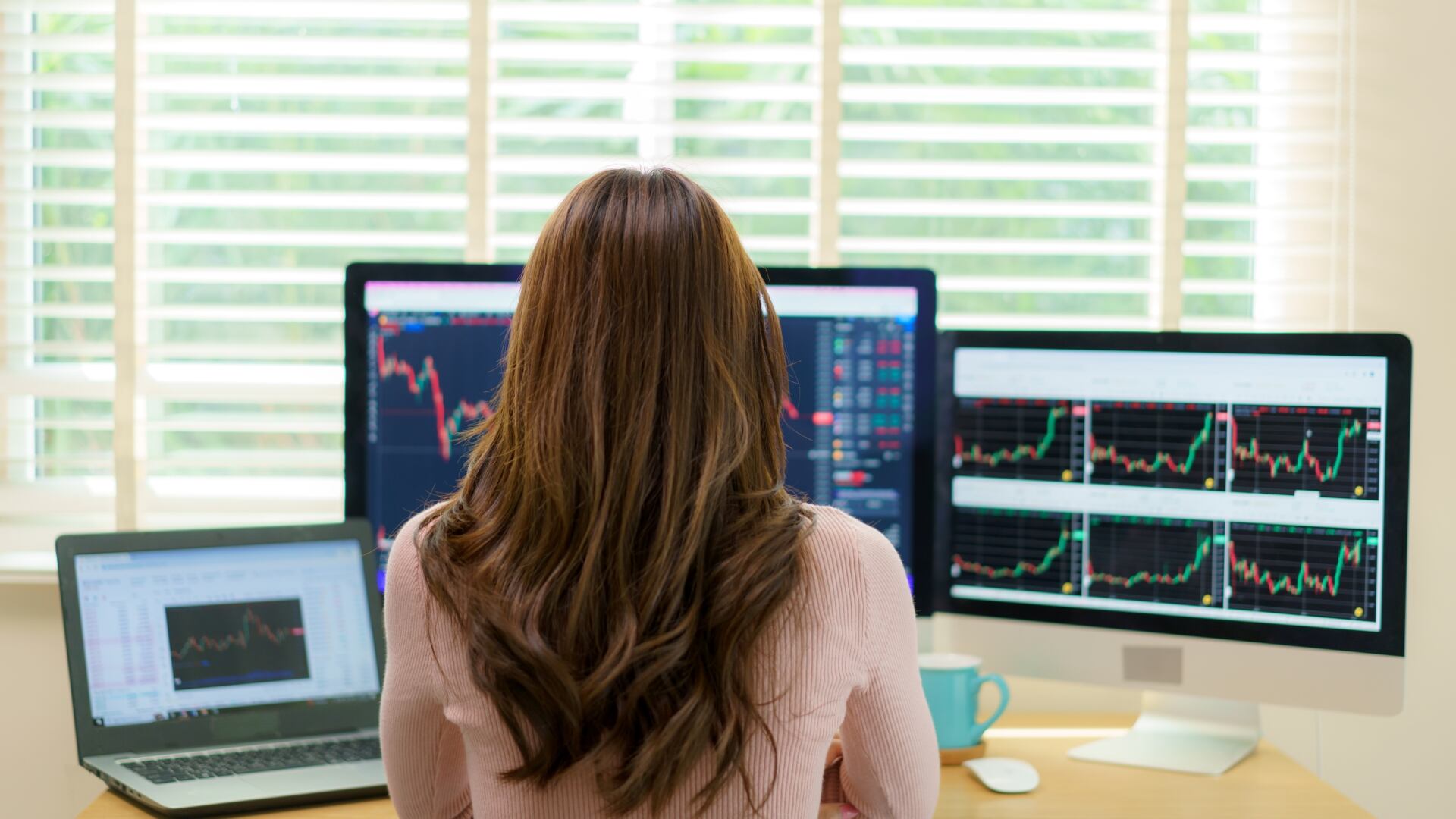
Mario Veneroso, Kingsview Asset Management Partner, weighs in on the latest economic data and whether the market is pricing in too many rate cuts for the coming year.
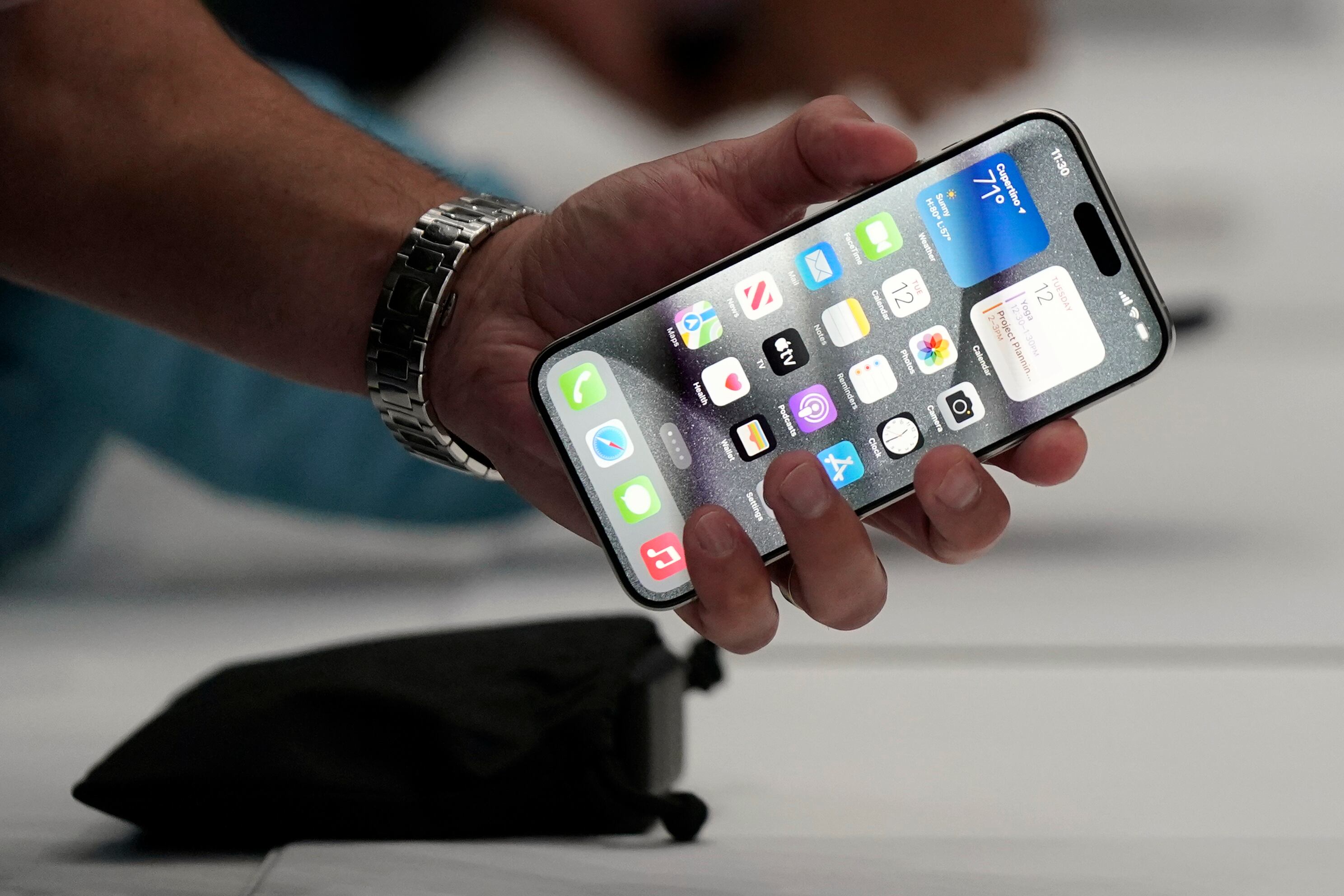
Apple has rolled out an update to its operating system this week with a feature called Stolen Device Protection. It makes it a lot harder for phone thieves to access key functions and settings, and users are being urged to turn it on immediately.
The U.S. economy grew at an unexpectedly brisk 3.3% annual pace from October through December as Americans showed a continued willingness to spend freely despite high interest rates and frustrating price levels.