The Crazy Amount of Money America Spends on Valentine's Day
Americans are expected to spend a near-record $20 billion this Valentine's Day, but what are they shelling out all that money for? Lisa Rowan, Writer at The Penny Hoarder, joins Your Cheddar to discuss how you can keep the love in your wallet this Valentine's Day.
If you can believe it, Americans will spend $4.7 billion on jewelry, $3.7 billion on an evening out, $2 billion on flowers and $1.8 billion on candy! But because of supply and demand, a lot of the usual Valentine's Day gifts go up in price. Rowan says you may want to avoid going to a restaurant or booking a hotel room for a romantic evening because prices could increase up to 30%.
So what should you do if you don't want to break the bank but still want to give your partner a little something? Rowan suggests thinking about what their hobbies are and aligning with something they love to do. Maybe its a smaller gesture, but it will mean more than flowers or candy.
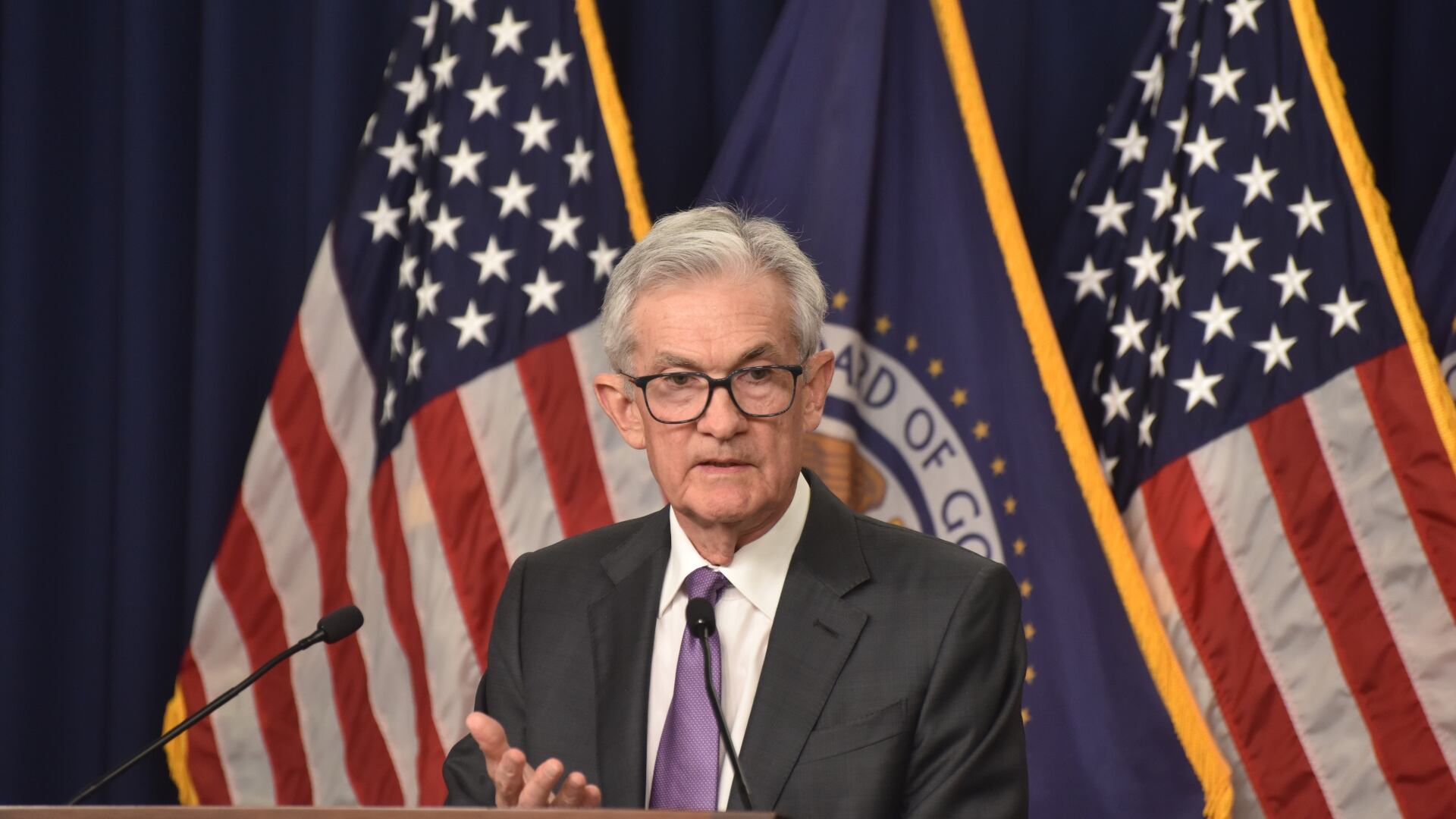
Alexander Reed, CFA and CIO for Envisage Wealth, breaks down why he thinks rates could stay higher for longer and why real estate, utilities, and regional banks are sectors to avoid.
Big brands that have relied on TikTok videos to reach younger consumers do not appear to be panicking as they wait to see what happens. But they have started planning.
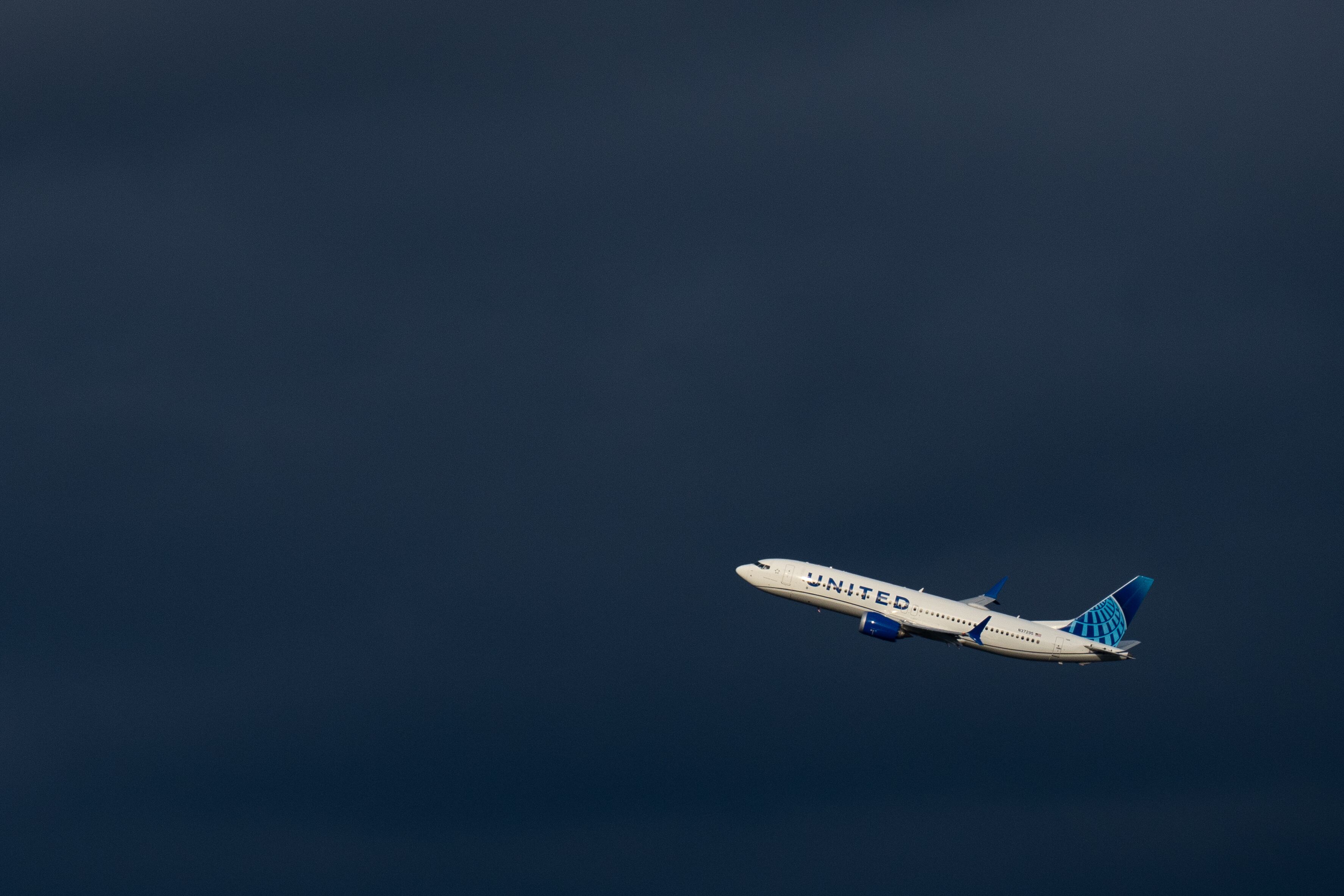
It's been 15 years since the last fatal crash of a U.S. airliner, but you wouldn't know that from a torrent of flight problems that made news in the last three months.
Abortion opponents want the high court to ratify a ruling from a conservative federal appeals court that would limit access to a medication called mifepristone, which was used in nearly two-thirds of abortions last year.
Annie Chechitelli, chief product officer at Turnitin, breaks down how students and teachers alike can learn from artificial intelligence – while still maintaining academic integrity.
Neiman Marcus Group CEO Geoffroy van Raemdonck talks luxury shopping and TikTok, why the company prefers to be private for now, and the benefits of flexible work arrangements.
Rebecca Walser, founder and CEO of Walser Wealth Management, discusses how geopolitical conditions, the bifurcated economy, and other volatility could weigh on markets.