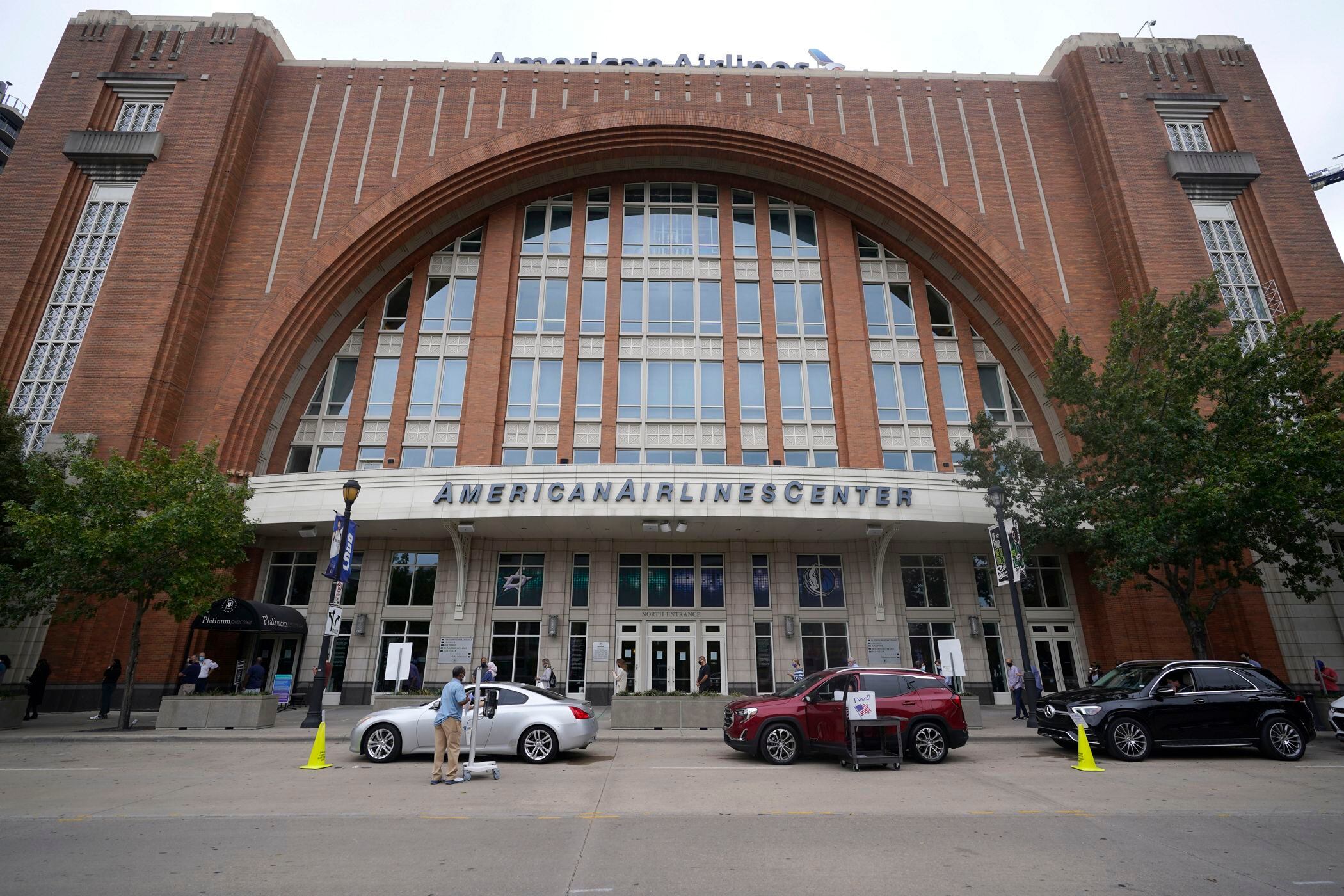
Voters cast their ballot from their vehicles as others line up and wait outside the American Airlines Center during early voting Thursday, Oct. 15, 2020, in Dallas. (AP Photo/LM Otero)
By Will Weissert and Paul J. Weber
Texans have already cast more ballots in the presidential election than they did during all of 2016, an unprecedented surge of early voting in a state that was once the country's most reliably Republican, but may now be drifting toward battleground status.
More than 9 million ballots have been cast as of Friday morning in the nation's second most-populous state, exceeding the 8,969,226 cast in 2016, according to an Associated Press tally of early votes from data provided by Texas officials.
Texas is the first state to hit the milestone. This year's numbers were aided by Democratic activists challenging in court for, and winning, the right to extend early voting by one week amid the coronavirus pandemic.
Texas also offers only limited vote-by-mail options when compared to the rest of the country, meaning casting in-person, early ballots is the primary way to vote for people who don't want to line up and do so on Election Day.
Voters in Texas do not register by party affiliation, meaning no one can be sure until the ballots are counted whether one party or the other will benefit from the surge in turnout.
Some U.S. lawmakers are calling on social media platforms X, Facebook and Instagram to explain why they aren't imposing new labels on deceptive AI-generated political advertisements that could fake a candidate's voice or actions.
U.K. Prime Minister Rishi Sunak on Wednesday proposed raising the legal age that people in England can buy cigarettes by one year, every year until it is eventually illegal for the whole population and smoking will hopefully be phased out among young people.
A man illegally brought a loaded handgun into the Wisconsin Capitol, demanding to see Gov. Tony Evers, and returned at night with an assault rifle after posting bail, police said Thursday.
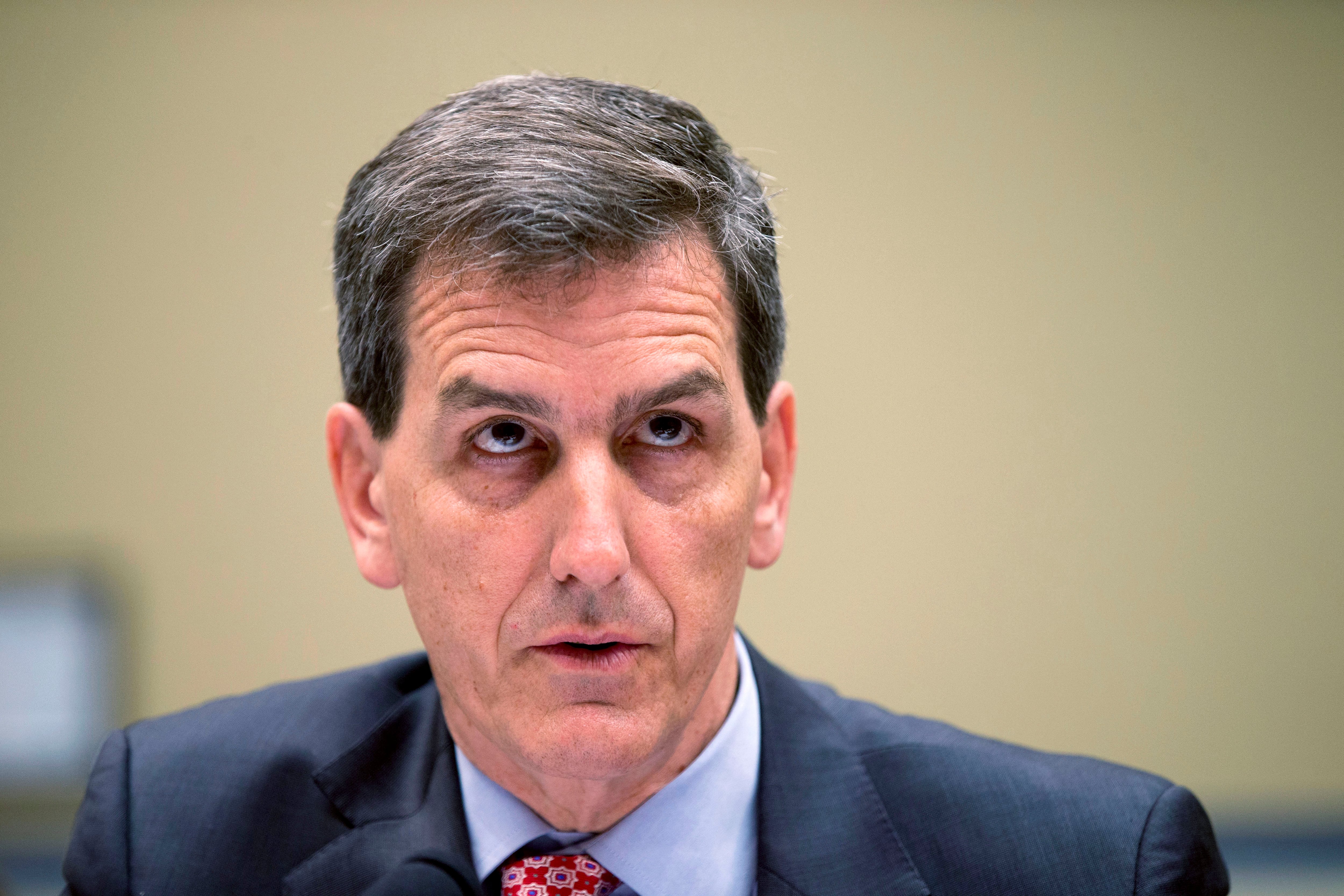
Michael Whitaker, who was nominated by President Biden to lead the FAA, was grilled by a Senate committee on how he would handle current situations with the agency.